
CPAP.com is a U.S.-based company that combines a broad product ecosystem with support services, aiming to help with sleep apnea in a more accessible and manageable manner according to your needs.
The brand primarily offers services and devices that can help manage snoring, interrupted breathing, daytime fatigue, and poor sleep quality that usually happens from sleep apnea. Its offerings aim to improve adherence by focusing on comfort, customization, and ease of use, supported by guidance services that help you choose suitable equipment and maintain long-term support.
In this review, we examine the different offerings provided by the brand and compare it with similar alternatives. We also evaluate the brand’s advantages along with its potential limitations.
CPAP.com provides access to machines, masks, and related supplies, while also offering guidance through live-chat support. The brand also offers an at-home sleep test, allowing you to check for sleep apnea without visiting a lab. The test is shipped directly, used over one or more nights, and then reviewed by a licensed sleep doctor. Results are typically delivered within a few days, along with a suggested course of action if needed.
Its core product range includes CPAP machines, BiPAP devices, and travel-friendly options designed to support consistent airflow and improve nighttime breathing. The brand also provides multiple mask styles, such as full face masks, nasal masks, and nasal pillow designs, to suit different breathing patterns and comfort preferences.
The company also offers accessories like cushions, headgear, hoses, filters, and cleaning supplies. These products are intended to support long-term use by enhancing comfort, maintaining hygiene, and helping equipment function effectively over time.
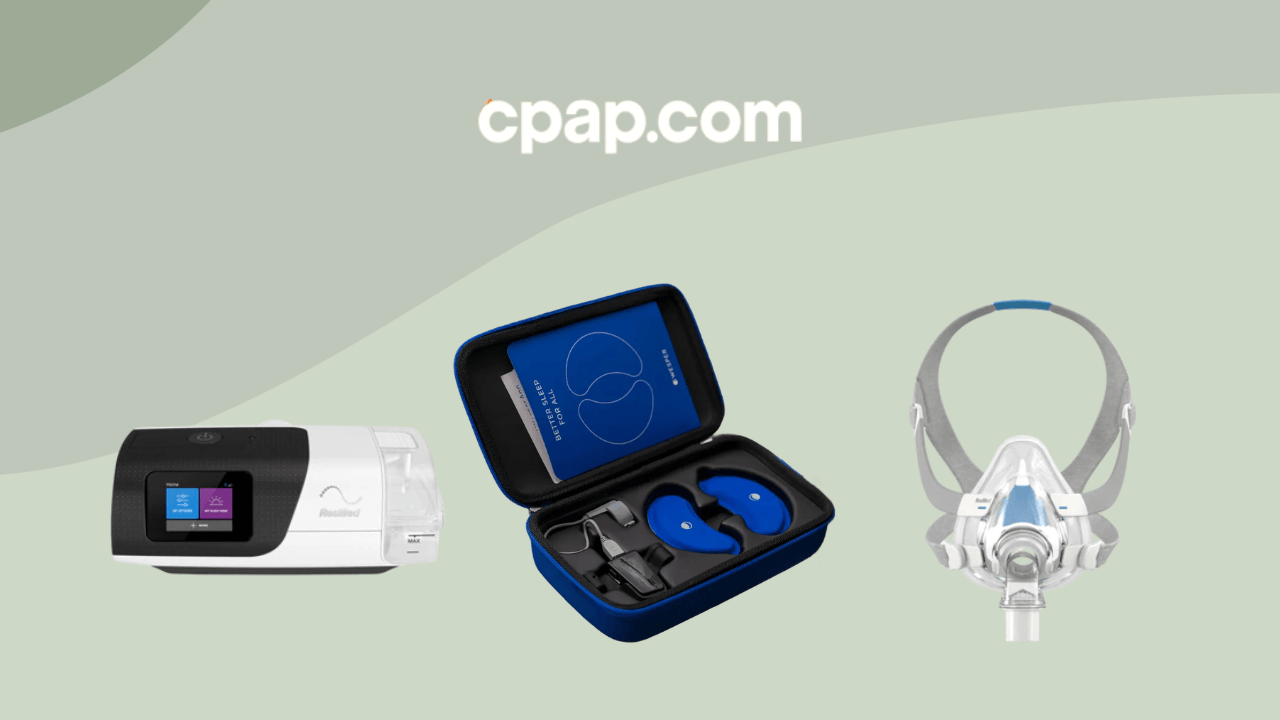
Home Sleep Test uses clinical-grade sensors to capture key biological signals during sleep. The device tracks breathing effort and airflow to identify disruptions in how air moves through your airway, which can point to obstruction patterns linked to sleep apnea. It also measures oxygen saturation (SpO₂), reflecting how efficiently oxygen is delivered through your bloodstream. Repeated drops in oxygen levels can place strain on systems like the brain and heart, often contributing to fatigue, headaches, and reduced focus.
The makers state that the device uses additional sensors to monitor snoring, body position, movement, and sleep quality to provide context around how your body behaves overnight. Snoring detection helps identify vibration caused by restricted airflow, while position tracking shows whether certain postures worsen airway collapse. Movement data highlights fragmented sleep cycles, where frequent disturbances can interfere with restorative processes like memory consolidation and hormonal balance.
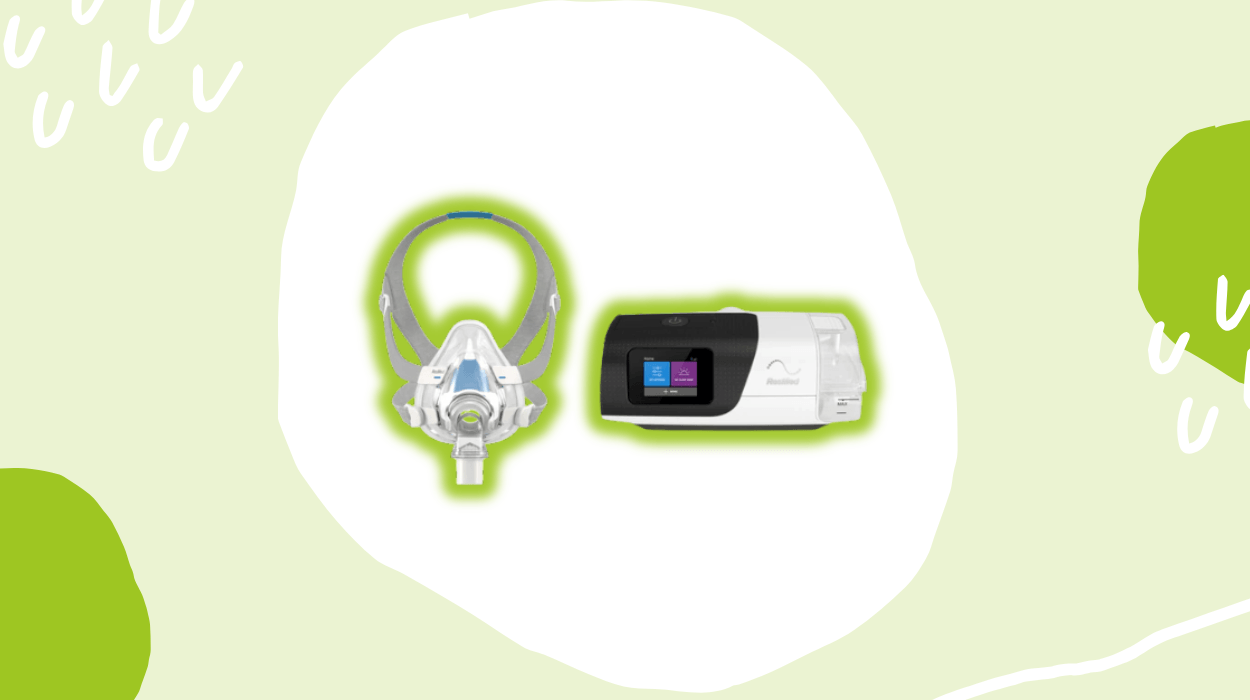
CPAP machines such as the ResMed AirSense 10 AutoSet CPAP Machine, ResMed AirSense 11 AutoSet CPAP Machine, and AirMini AutoSet Travel CPAP Machine deliver continuous or auto-adjusting air pressure to keep the airway open. They may help maintain consistent oxygen intake, which can influence energy levels, mental clarity, and sleep continuity.
According to the official website, more advanced options like the ResMed AirCurve 10 VAuto BiPAP Machine and ResMed AirCurve 11 VAuto with HumidAir Humidifier use dual-pressure systems, delivering different airflow levels for inhalation and exhalation to better match natural breathing patterns.
Travel-focused models such as the Transcend Micro Auto Travel CPAP Machine prioritize compact design while still maintaining airflow regulation. Many machines also include heated humidification, which adds moisture to the air stream to reduce dryness in the nasal passages and throat.
As per the official website, CPAP Masks deliver pressurized air from the machine to your airway. Full face masks provide coverage for the nose and mouth, helping maintain airflow even if your breathing shifts during sleep, while nasal and nasal pillow designs focus airflow directly through the nasal passages. This targeted delivery supports consistent oxygen intake by preventing airway collapse, which can otherwise interrupt breathing cycles and reduce sleep quality.
The brand offers AirFit F20 Full Face Mask, ResMed AirFit P10 Nasal Pillow CPAP Mask, and AirFit N20 Nasal Mask. Different designs, such as the AirTouch F20 Full Face CPAP Mask, AirTouch N30i Nasal CPAP Mask, and DreamWear Nasal Mask Fit Pack, combine soft cushions, memory foam, or minimal-contact frames to reduce pressure on the skin and improve seal stability. These masks may help your respiratory system sustain steady breathing patterns, supporting deeper sleep cycles and reducing strain caused by repeated nighttime awakenings.
CPAP.com offers a range of accessories, including the Philips Respironics Premium Chinstrap, RemZzzs Mask Liners, and CPAP Hose Cover, which are designed to improve how airflow therapy interacts with your body. Chinstraps help keep the mouth closed during sleep, supporting nasal breathing and reducing air leakage. Meanwhile, mask liners create a soft barrier that minimizes skin friction and helps maintain a stable seal for consistent pressure delivery.
Other options, such as the NeilMed NasaMist Saline Spray All-In-One, PurSleep CPAP Aromatherapy 30ml Refill, and Pad A Cheek CPAP Mask Strap Pads, address comfort and airway moisture. Saline sprays help hydrate the nasal lining, supporting its role in filtering and humidifying incoming air, which can reduce dryness caused by continuous airflow. Padding and aromatherapy elements can ease pressure points and promote relaxation, helping your body maintain more stable breathing patterns and fewer sleep interruptions.
As per the official site, CPAP.com partners with leading manufacturers such as ResMed and Philips Respironics to offer a broad catalog of CPAP and BiPAP devices, masks, and accessories. This structure avoids proprietary lock-in and enables cross-brand product availability across therapy types (fixed CPAP, auto-adjusting CPAP, BiPAP), mask formats (full-face, nasal, nasal pillow), and accessory systems (tubing, humidification, replacement parts). This means greater choice and adaptability throughout your journey. You can compare different machines, mask styles, and feature sets in one place, making it easier to find a setup that fits your breathing patterns, comfort preferences, and lifestyle needs (e.g., travel vs. home use). This flexibility reduces long-term friction, supports better fit and compliance, and helps you adjust your therapy as your needs change.
CPAP.com was founded in 1999, positioning itself as an early online retailer in the CPAP category. This suggests broad exposure to sleep apnea concerns and user behavior.
As a family-founded, U.S.-based company in Stafford, Texas, CPAP.com has developed a service-oriented infrastructure that extends beyond retail, including trained CPAP Guides, educational resources like its Sleep Talk content, and integrated services such as prescription support and FDA-cleared home sleep testing. This creates a more guided and lower-friction experience when starting or maintaining therapy. You can get support from trained specialists to help choose the right machines, masks, and accessories, which may reduce trial and error. Additional services, such as prescription assistance and at-home sleep testing, also make it easier to get started and manage sleep concerns over time.
CPAP.com operates within medical device regulations set by the U.S. Food and Drug Administration. CPAP machines are classified as Class II devices, a status maintained after their 2018 reclassification from Class III. These regulations require a valid prescription before purchase and extend to essential components like masks and humidifiers when used as part of therapy. The company cannot offer fully open, direct online purchasing for its core product categories, which limits the simplicity typically expected from e-commerce platforms.
This regulatory structure affects how quickly and easily you can access products through the platform. You must complete a sleep study, receive a diagnosis, and obtain a prescription with defined pressure settings before placing an order.
This adds time and potential upfront costs, especially if you are new to therapy. It also reduces purchase flexibility, as switching or upgrading equipment may require updated prescriptions.
CPAP.com services are delivered by trained specialists, not licensed clinicians, so the guidance stays product-focused. This limits the level of clinical personalization the platform can offer. It does not diagnose conditions, prescribe or adjust pressure settings, or manage complex cases with comorbidities.
Even when you use tools like home sleep tests, you still need a licensed provider to review results and guide treatment decisions. This keeps the platform aligned with regulatory requirements but restricts its role to education and product support.
This creates a gap between buying equipment and managing therapy. You can get clear help choosing and setting up your device. However, you may still need a sleep specialist to adjust settings, handle side effects, or refine treatment over time. This separates the buying experience from ongoing care.
Sleep Doctor follows a structured, clinically guided pathway that begins with identifying sleep concerns such as snoring, sleep apnea, or insomnia through a quiz. You then move through a defined four-step process that includes consulting a sleep expert, deciding between a home sleep study or coaching, receiving hands-on care, and following a structured plan aimed at long-term improvement. The platform ties this flow to measurable outcomes, supported by expert involvement at each stage. On the other hand, CPAP.com takes a more direct route, allowing you to move quickly from identifying a need to browsing CPAP machines, masks, and bundles, with guidance available but not central to the journey.
Personalization within Sleep Doctor is built around its clinical care team, which includes Lead Respiratory Therapists, Registered Polysomnographic Technologists, and Registered Respiratory Therapists who provide one-on-one consultations and follow-up. Recommendations are based on your sleep history, test results, and progress over time. CPAP.com also offers individual support through CPAP Guides and mask fitting assistance, but it relies more on scale. The handling of home sleep testing further separates the two. Sleep Doctor combines testing into a broader care framework where you track sleep metrics at home, review results with a licensed provider, and receive a diagnosis, prescription, and next steps. CPAP offers an FDA-cleared home sleep test, with delivery in 2 to 3 days, testing over 1 to 2 nights, and results reviewed within about a week. It includes a prescription if required and positions the test as an entry point into purchasing therapy equipment.
Product offerings show a difference in scope and structure. Sleep Doctor presents CPAP machines and accessories, with curated bundles such as the AirSense 11 Basics Bundle with Full Face Mask and AirSense 10 bundles. It also includes machines like the ResMed AirSense 11 AutoSet with HumidAir and higher-end options such as the AirCurve 11 VAuto. Meanwhile, CPAP provides a broader catalog that includes Auto CPAP machines with automatic pressure adjustment, BiPAP machines with separate inhale and exhale pressures, and compact travel CPAP machines. It also extends into supplies like cushions, headgear, hoses, and filters, covering ongoing replacement needs.
As per their official website, Sleep Doctor structures its offering around diagnosis, guided treatment, and ongoing improvement supported by clinical input. In comparison, CPAP focuses on access to equipment, pricing flexibility, and service support.
Lofta organizes a structured, end-to-end pathway that starts with its at-home sleep test using the FDA-approved WatchPAT™ One device. You complete the test in a single night at home after a brief questionnaire and telemedicine approval, and receive a detailed report covering metrics like apnea-hypopnea index (AHI), oxygen desaturation index, pulse statistics, snoring data, and sleep stage breakdown. Results are typically reviewed by a sleep physician within 1 to 2 days, and if diagnosed, your prescription is issued immediately so you can move into therapy within about one to two weeks. This transition includes access to a curated range of CPAP machines such as the ResMed AirSense 11 AutoSet, AirMini travel CPAP, AirCurve 10 and 11 BiLevel devices, along with Transcend Micro and Luna G3 models, covering CPAP, APAP, BiPAP, and portable categories. The brand highlights that devices are shipped pre-set, and the platform includes free mask consults along with bundled support through LoftaCare, which offers coaching, remote adjustments, and ongoing check-ins.
On the other hand, CPAP.com presents its home sleep test as a streamlined option. You can order the kit without a referral or telehealth step, receive it within 2 to 3 days, complete the test at home using a single device, and get results reviewed by a licensed doctor within days or up to a week. While both brands include prescriptions if needed, Lofta emphasizes a clinically guided transition into therapy with pre-configured machines, whereas CPAP.com focuses on fast access and a simplified testing workflow.
Lofta continues the process through LoftaCare, where respiratory therapists provide one-on-one coaching, remote pressure tuning, and follow-up check-ins designed to help you adapt to therapy over time. Its CPAP machine lineup is positioned as part of a guided selection process, where therapy bundles may include the device, accessories, and support in one streamlined setup. CPAP.com, in comparison, highlights a retail-driven environment after diagnosis, where you build your own setup that includes auto-adjusting CPAP machines, BiPAP or BiLevel machines, travel-sized devices, and machine bundles. It also offers extensive mask categories such as full face, nasal, and nasal pillow options, along with replacement parts like hoses, humidifier chambers, and accessories designed to address issues like air leaks, dryness, and skin irritation. Support is provided through CPAP Guides, chat, and phone assistance. However, the responsibility for selecting and managing therapy remains primarily with you.
Pricing and payment structure support these differences. Lofta offers a bundled model at around $189 that includes the home sleep test, physician diagnosis, prescription, LoftaCare support, and shipping. In comparison, CPAP.com positions its pricing with layered incentives such as discounted testing at $149, a $50 store credit, free shipping over $50, and eligibility for FSA or HSA payments. It also includes financing options like Breathe Now, Pay Later, and price-match guarantees. The brand highlights cost comparison by presenting home testing as significantly cheaper than in-lab studies, which it notes can cost up to $3,000, while Lofta focuses more on speed, simplicity, and bundled care.
We assessed CPAP based on its brand background, operational consistency, and verified consumer feedback through the Better Business Bureau. The company holds an A+ BBB rating with an average customer score of 4.75 out of 5 from 160+ reviews. Reviews mention timely shipping, knowledgeable representatives, and pricing that some users find reasonable.
At the same time, we looked closely at complaint patterns to understand where user experience may break down. Over the past years, several complaints have highlighted automatic subscription enrollments, difficulty canceling recurring orders, delays in return processing, and occasional gaps in communication during prescription verification or order handling. While many of these cases were eventually resolved with refunds or corrective actions, the process often required follow-ups from customers, indicating inconsistency in service handling.
We evaluated CPAP based on its customer feedback on Trustpilot, where it holds a 4.4 rating from over 1,000 reviews. Many users describe detailed, one-on-one assistance from representatives, who help with product selection, troubleshooting, and order corrections.
At the same time, recurring negative feedback highlights friction in the buying process. Several users mention confusion around prescription requirements, particularly when orders are placed before documentation is verified. Others point to pricing concerns, including promotional discrepancies, unexpected charges such as shipping protection fees, and refund expectations that do not fully align with policy terms. These experiences indicate that while policies exist, their presentation during checkout may not always feel clear or intuitive.
Product-related complaints include defective components or usability issues (e.g., mask parts difficult to remove) and dissatisfaction with return policies, particularly around shipping costs or partial refund expectations.
Based on these user experiences, CPAP comes across as a service-oriented platform with strong support but inconsistencies in transparency and execution. The brand performs well in guided interactions but shows gaps in creating a smooth, self-service purchasing experience.
CPAP.com provides access to clinically recognized products for improving sleep quality. The brand provides at-home diagnostic tools to begin the process without visiting a lab, which makes it a convenient option if you prefer a more self-directed setup for therapy and equipment selection.
However, the experience is influenced by certain limitations. Effective CPAP therapy depends on accurate diagnosis, proper pressure calibration, and ongoing monitoring, all of which require involvement from licensed medical providers.
Regulatory requirements, such as prescriptions, may also delay access, while reported inconsistencies in order handling, pricing clarity, or subscription management can affect experience.
There are also important precautions to consider. CPAP devices should be used with properly prescribed pressure settings, as incorrect calibration may reduce effectiveness or lead to discomfort, including air leakage, dryness, or disrupted sleep. Mask fit and hygiene are equally critical, since poor sealing or irregular cleaning can impact results and increase the risk of irritation or infection.
CPAP.com gives you broad product access with guidance during the selection process. However, it relies on external clinical care, along with regulatory requirements and occasional service gaps.

Contact us at [email protected] or follow @leafsnap on Twitter! View our Privacy Policy.