
Lofta focuses on simplifying the diagnosis and care for sleep apnea through a fully online model. Its core offering combines at-home sleep testing with access to care, allowing you to go from initial screening to therapy.
The brand primarily addresses concerns like sleep apnea, snoring, poor sleep quality, and daytime fatigue. Its model focuses on improving adherence using both medical-grade diagnostics and personalized support, including clinician-reviewerad results, coaching, and remote monitoring.
In this review, we will look at Lofta’s main offerings and compare the brand with similar alternatives. We will also evaluate the brand’s advantages and where it has potential limitations.
Lofta is a sleep health platform created by Jay Levitt. Its core offering includes the Lofta Home Sleep Test, a one-night, at-home diagnostic tool created to help determine whether CPAP therapy or other options may be appropriate.
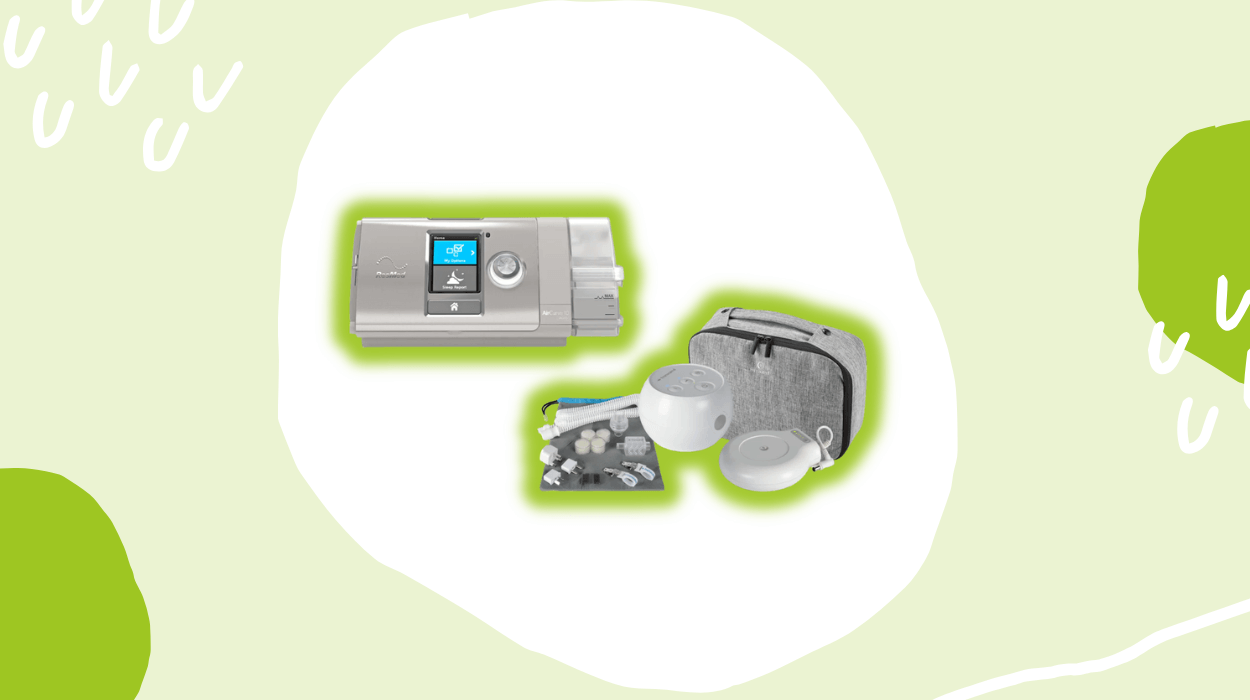
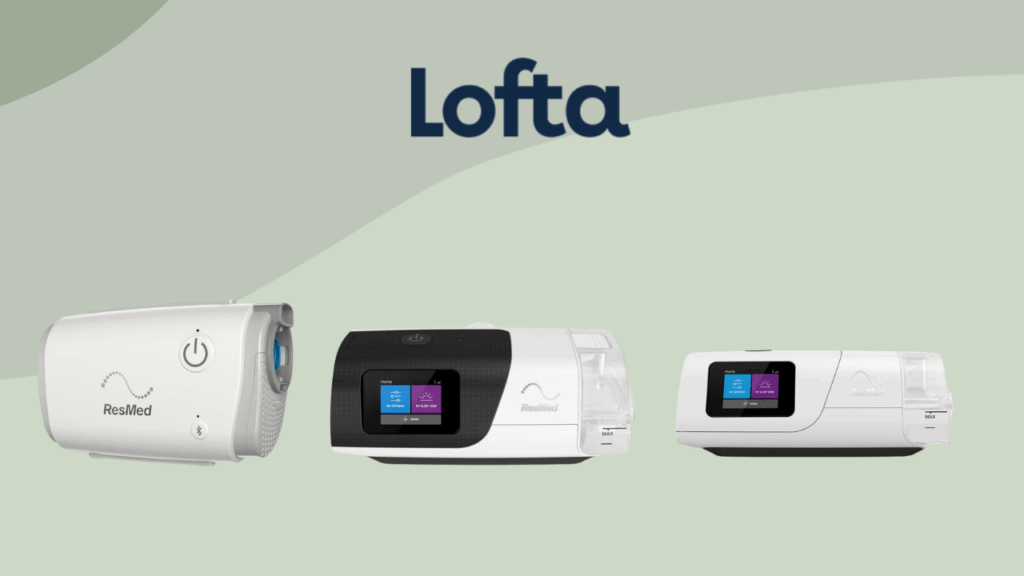
The brand’s machine selection consists of auto-adjusting devices, BiPAP systems, and travel-sized units such as the ResMed AirSense 11 AutoSet CPAP Machine and the ResMed AirMini Travel CPAP. These devices are intended to deliver continuous or adaptive air pressure to help maintain open airways during sleep.
Lofta also offers a range of CPAP masks to suit different breathing styles and comfort preferences. These include nasal masks, full face masks, and nasal pillow designs such as the ResMed AirFit P10 Nasal Pillow CPAP Mask and the Fisher & Paykel Nova Micro Nasal Pillows Mask.
According to the official website, the company also provides services like LoftaCare, a support program that includes coaching, remote device adjustments, and ongoing check-ins from respiratory specialists.
The Home Sleep Test is described by the company as an at-home diagnostic service to determine whether options such as CPAP therapy are appropriate for you. According to the brand, the process does not require a visit to a sleep lab and is completed after one night of sleep using a home testing device.
The service begins with a brief questionnaire and a telemedicine video consultation, which is used to review your symptoms and approve the sleep test. Once approved, you receive access to the WatchPAT One device, which is a Type 3 home sleep testing system. The device collects data through sensors that track multiple physiological signals, including airflow, breathing patterns, heart rate, oxygen saturation, and body position. It also captures sleep-related metrics such as sleep stages, snoring activity, and sleep time.
After the test is completed, the recorded data is reviewed by a sleep physician. Lofta states that the physician provides a personalized report outlining your sleep patterns and any identified issues. The report includes metrics such as respiratory disturbance index, apnea-hypopnea index, oxygen desaturation levels, pulse data, and body position statistics.
If your results indicate sleep apnea, Lofta states that a prescription for CPAP therapy can be issued as part of the process. The company also notes that if the initial test does not produce sufficient data, a retest is provided.
Lofta CPAP Machines may help manage sleep apnea by delivering continuous positive air pressure to your airway during sleep, which assists in keeping the airway open throughout the night.
The collection includes standard CPAP devices such as the ResMed AirSense 11 AutoSet, which are used to maintain a continuous, fixed pressure level to support consistent airflow during sleep.
According to the company, auto-adjusting CPAP or APAP machines vary pressure levels within a prescribed range depending on your breathing patterns across the night, which could allow for more responsive therapy. On the other hand, BiPAP or bilevel machines offer two separate pressure settings for inhalation and exhalation, which may be relevant where breathing dynamics differ between phases of respiration.
The brand also offers travel CPAP machines like the AirMini, which are smaller, simplified versions that may retain similar core functionality while being easier to carry and use during travel.
Lofta CPAP Masks may deliver pressurized air from your CPAP device to your airway, which could support sleep apnea therapy by helping maintain airflow while you sleep. The collection includes products such as the ResMed AirFit™ N20 Nasal Cushion CPAP Mask Complete System and the AirFit™ F20 Full Face CPAP Mask Complete System. These masks are intended to create a seal around your nose, mouth, or nostrils, allowing pressurized air to pass into your respiratory system, which may help reduce airway obstruction during sleep.
The collection is divided into three primary categories based on how airflow is delivered. Nasal masks are described as directing air through your nose, which is suitable for nasal breathing.
Full face masks cover the nose and mouth, which is relevant if you breathe through your mouth or require broader airflow coverage. The third are nasal pillow masks, which may provide a lighter and less obtrusive option, particularly if you move frequently during sleep or prefer minimal facial contact.
The brand also offers fullgear masks like the ResMed AirFit™ F40 Full Face CPAP Mask, providing headgear and adjustable components. This modifies fit and tension, helping to balance stability with comfort during extended use.
Lofta provides supporting components that may help maintain and optimize the function of your CPAP therapy system by ensuring consistent airflow delivery, device performance, and mask fit over time. The product range includes the AirSense™ 11 Resupply Pack, ClimateLineAir™ 11 Heated Hose, AirSense 11 HumidAir Water Chamber Replacement, and Replacement Filters for AirSense 11. Airflow-related products such as ClimateLineAir™ Heated Tubing are made to deliver pressurized air from the device to your mask, with heated options potentially helping regulate temperature and reduce condensation.
The lineup also includes water chambers such as the HumidAir™ 11 as part of humidification systems that may add moisture to airflow, which could reduce dryness in the airways. The brand also offers mask-related accessories like AirFit™ N20 Nasal Cushion, AirTouch™ F20 Memory Foam Cushion, and AirFit™ P10 Headgear to maintain the seal and fit of your mask. These accessories may influence comfort or airflow dynamics depending on your setup.
Lofta claims to simplify the entire sleep apnea process into one connected system. It starts with a quick online questionnaire or telehealth consult, then ships the FDA-approved WatchPAT One for a single night of testing at home. The device captures key data such as sleep time, Apnea-Hypopnea Index (AHI), oxygen levels, snoring, and sleep stages. Results are typically delivered within 1–2 days with a physician-reviewed report and, if needed, a prescription. From there, users can move directly into treatment, choosing from CPAP machines, oral appliances, or other options, supported by respiratory therapists for setup, adjustments, and ongoing guidance. This end-to-end setup makes the process faster and more manageable. The guided setup and follow-up support may also help reduce common issues such as poor mask fit or confusion around device use.
Lofta extends its care model through Loftacare, which is a dedicated support service led by licensed respiratory therapists, also called Sleep Coaches. This adds ongoing, hands-on support beyond diagnosis, with options like 20-minute coaching sessions, device monitoring through connected apps, therapy adjustments, compliance reports, and mask fitting guidance. Services such as 60-night mask exchanges and extended warranties are built into the system, creating a structured follow-up environment. This support works alongside physician diagnosis, forming a two-layer care model that combines clinical evaluation with continuous guidance throughout the process. You can get help adjusting your device, improving comfort, and staying on track with usage, which may reduce common issues like poor fit or early drop-off. Instead of managing therapy on your own, you have access to ongoing check-ins and troubleshooting when needed. This can make the process feel more manageable over time and may improve your ability to stick with the plan as part of your routine.
As per the official site, Lofta currently does not accept or bill insurance, including Medicare or Medicaid. Key services require full upfront payment, for example, the home sleep test is priced around $189, and prescription renewals cost about $35. Payments can usually be made using credit or debit cards, Apple Pay, Affirm financing, or FSA/HSA cards. This setup removes the option for reimbursement or cost-sharing through traditional healthcare plans. This means you are responsible for the full cost at the time of purchase, regardless of coverage you may have elsewhere. If your insurance typically covers sleep studies or CPAP equipment, you won’t be able to apply those benefits here, which can make the total cost higher compared to in-network providers. The process requires an upfront financial commitment, which may limit accessibility depending on your budget.
When comparing Wesper and Lofta, the brands follow different approaches to sleep apnea testing. They differ in terms of their diagnostic depth, breadth of offerings, testing frameworks, and accessibility.
As per testing methodology and data depth, Wesper uses a wireless patch system that tracks multiple physiological signals, including respiratory effort (thoracic and abdominal), airflow, SpO2, heart rate, respiratory rate, and body position, along with extended insights like sleep staging, snoring detection, temperature, and movement. It also provides advanced indices such as hypoxic burden, ODI, RDI, and central apnea index, supported by multi-night testing and longitudinal tracking of up to 45 trends. Meanwhile, Lofta uses a one-night test like WatchPAT™ One that focuses on essential diagnostic metrics such as apnea-hypopnea index, oxygen levels, and sleep stages. While still clinically valid and efficient, the home sleep test kit from the brand is intended for quick diagnosis.
In terms of offerings, Wesper remains narrowly focused on diagnostics and does not extend into CPAP equipment or long-term therapy infrastructure. Lofta, on the other hand, offers a full product ecosystem that includes CPAP machines, masks, and accessories. Some offerings in its catalog include the Luna G3 BiLevel 25A CPAP Machine, Fisher & Paykel Solo Nasal Mask, and eXciteOSA® Therapy Kit for Sleep Apnea.
Support structures also differ in depth. Wesper emphasizes provider-side efficiency through automated scoring, cloud-based portals, and scalable workflows, making it easier for clinicians to manage testing and interpret results. Meanwhile, Lofta builds its experience around direct support through LoftaCare, offering access to respiratory therapists, sleep coaches, and ongoing check-ins.
CPAP.com and Lofta both offer at-home sleep testing services. However, they differ in their range of offerings, approaches to sleep testing, support ecosystem, and pricing structures.
CPAP operates as a large-scale equipment marketplace with an extensive catalog that covers CPAP and BiPAP machines, masks, replacement parts, an at-home sleep test kit, and maintenance supplies. Its lineup includes devices like the ResMed AirSense 11 AutoSet CPAP Machine, AirTouch F30i Comfort Full Face CPAP Mask, and Luna G3 BPAP 25A Bi-Level CPAP Machine, alongside different accessories like hoses, filters, cushions, and cleaning systems.
Meanwhile, Lofta offers a more curated range of CPAP machines, masks, home sleep test kits, and accessories. A few signature offerings in its catalog include the AirCurve 11 VAuto BiLevel CPAP Machine, Transcend Micro Auto Travel CPAP, and ResMed AirFit F40 Full Face CPAP Mask. However, its catalog is structured more around building a complete initial setup.
In terms of diagnostic services and pricing structures, there are further differences between the brands. CPAP provides an FDA-cleared At Home Sleep Test Kit priced around $149, often bundled with a $50 store credit and free U.S. shipping. Meanwhile, Lofta offers the WatchPAT One device, typically priced around $189, claiming to offer a fast one-night testing process and physician-reviewed results within a few days.
CPAP relies on CPAP Guides who provide one-on-one assistance for product selection, troubleshooting, and long-term usage. This support is rooted in its 25+ years of experience and large customer base, aligning with its role as an ongoing partner in equipment management. Lofta introduces a more clinically guided model through LoftaCare, where sleep coaches, respiratory therapists, and care specialists assist with setup, adjustments, and adherence. It also includes features like remote device adjustments and follow-ups.
Insurance coverage introduces another point of difference. CPAP supports multiple payment pathways, including insurance, FSA, and HSA options, making it more flexible if you are looking to offset long-term costs through coverage. Meanwhile, Lofta does not work directly with Medicare or Medicaid, requiring more out-of-pocket spending, although it still supports FSA and HSA payments.
In evaluating Lofta, we assessed the brand’s operational consistency, background, and presence across independent review forums. The brand focuses on at-home sleep apnea testing and CPAP equipment access.
On the Better Business Bureau, the brand carries an A- rating. The brand received positive recognition for its streamlined process, fast turnaround times, and ease of accessing sleep tests without in-lab visits. However, reviews point to concerns around the limitations of home testing for complex cases, occasional delays in communication, and challenges with returns or insurance handling.
As of now, the brand maintains a limited presence across other review platforms, such as ConsumerAffairs, TenereTeam, and Sitejabber. The brand reflects a practical option for basic sleep apnea testing, with some gaps in depth of care service and brand reliability.
To evaluate Lofta, we looked at the real user experiences of the brand and its offerings on Trustpilot, where it currently maintains a 2.5 out of 5 score based on a very limited number of reviews shared between 2025 and 2026.
Positive experiences highlight a fast and simple onboarding process, where the at-home sleep test is easy to use, and results are delivered quickly. Some users highlight clear communication during ordering, quick shipping, and responsive support during the initial stages.
However, some users described receiving conflicting reports about their sleep apnea status, which created confusion and reduced confidence in the results. Others question the accuracy of test findings, especially when reported data did not match their actual sleep behavior. There are also mentions of limited access to medical professionals unless additional fees are paid, which makes it harder to clarify results or next steps.
Operational issues are also frequently reported. Some users described issues with returns and refunds, including claims of returned items not being acknowledged, delays in processing refunds, or refunds being changed to store credit.
The available feedback indicates that access to the brand’s services appears efficient in most cases. However, there are recurring concerns around follow-up, support, and issue resolution. Customer feedback reflects variability in service quality, with both smooth experiences and notable dissatisfaction appearing across reviews.
Lofta focuses on identifying and managing sleep apnea. The model combines a one-night home sleep test, clinician-reviewed reports, and access to CPAP equipment within a single ecosystem.
However, home sleep tests capture fewer insights than full polysomnography and may not identify more complex sleep conditions such as central sleep apnea or other overlapping disorders. Factors like sleep position, routine changes, or placement techniques may impact the accuracy of results.
When considering Lofta, it is important to note that it remains focused on diagnosis and CPAP-based management, with limited coverage of broader sleep factors such as behavioral patterns or long-term prevention. Before relying on the brand, reviewing results with an independent clinician can help confirm accuracy, especially when symptoms continue. Careful attention to device setup, mask fit, and regular use is also important, as these factors influence the outcomes from the brand’s offerings.

Contact us at [email protected] or follow @leafsnap on Twitter! View our Privacy Policy.