

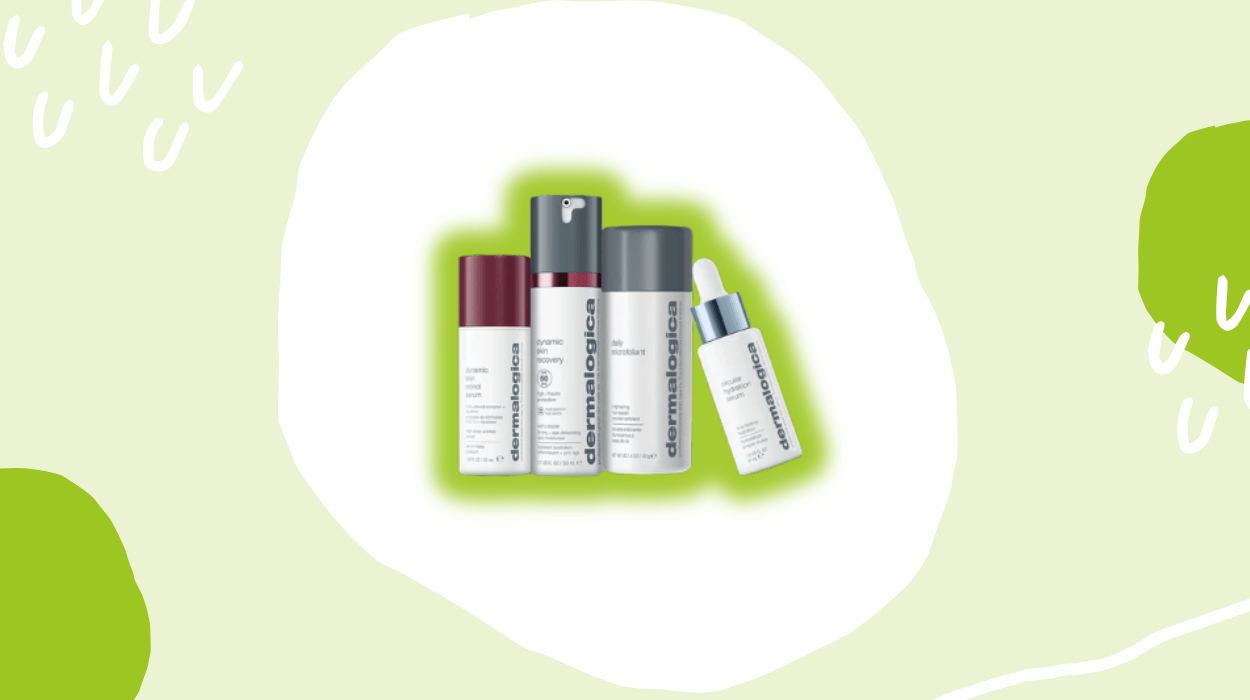
Dermalogica offers various topical formulations and in-clinic formulas to support skin health. Its lineup includes cleansers, exfoliants, serums, masks, and structured kits and bundles.
These offerings focus on targeting different skincare concerns, including uneven tone, hyperpigmentation, breakouts, dryness, and wrinkles/fine lines. The brand also offers professional skincare services such as face mapping and targeted programs.
In this review, we examine the brand’s core positioning, range of offerings, formulation standards, and real user experiences with its offerings. The review also compares the brand with other similar brands operating in the professional skincare space.
Founded by Jane Wurwand, Dermalogica positions itself as a professional-grade skincare brand built around skincare expertise, education, and personalized skin analysis.
The brand’s portfolio features moisturizers, exfoliants, cleansers, masks, eyecare formulas, SPF, and bodycare essentials. Products such as the Phyto Nature e² line introduce exosome-based ingredients aimed at supporting visible skin renewal, while others focus on collagen and elastin support, hydration, and barrier function.
Beyond products, the brand also provides access to in-clinic services like Pro Skin programs, chemical peels, microneedling, and dermaplaning. The brand also features a Face Mapping system, a tool that uses AI-supported analysis or questionnaire-based input to assess multiple skin parameters, including oil levels, sensitivity, pigmentation, and signs of aging, and then aligns product recommendations accordingly.
According to its official website, the brand maintains a long-standing exclusion list that avoids artificial fragrances, colors, parabens, and certain alcohols. Packaging approaches feature recyclable pumps, refill systems, and increased use of post-consumer recycled materials.
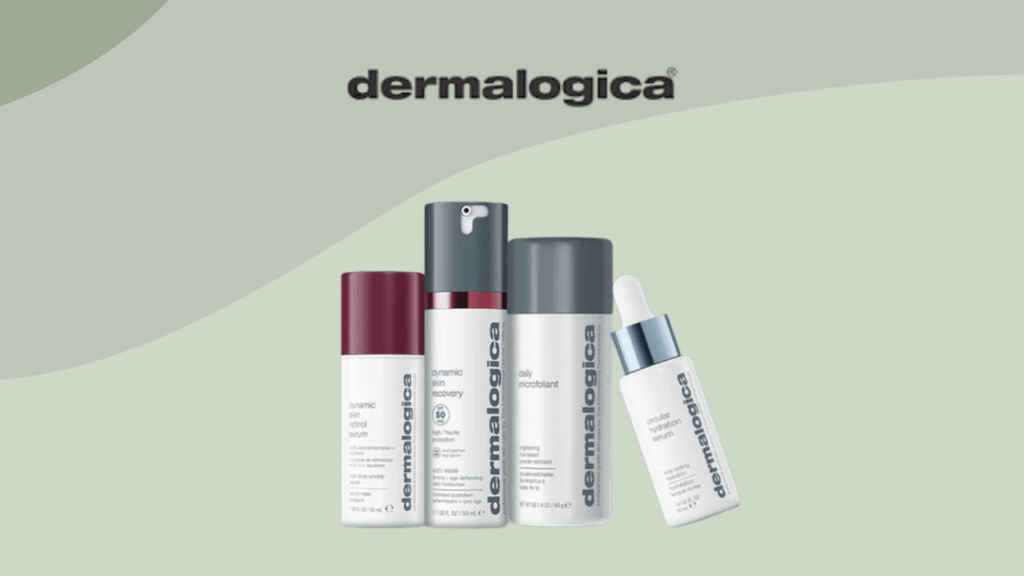
Daily Microfoliant Exfoliator may help smooth rough texture and support a brighter-looking complexion. It focuses on removing surface buildup that can make skin feel dull or uneven, while also aiming to keep the exfoliation process gentle enough for frequent use.
As per the official website, Exfoliator contains papain, which might help break down the protein bonds that hold dead skin cells on the surface. This allows older, rougher cells to shed more easily without relying only on harsh scrubbing.
The exfoliator also combines oryza sativa (rice) bran extract, which can help soften the skin and reduce the dry, tight feeling that sometimes follows exfoliation. It can also help improve the look of dullness by smoothing the outer layer of skin and supporting moisture retention.
Hydrogenated Coconut Acid in this formula could help lift away loosened dead skin cells and surface impurities. Its texture can help refine uneven patches and leave skin feeling smoother after cleansing.
Special Cleansing Gel may help remove excess oil, surface debris, and residue without leaving skin feeling stripped. It could help cleanse the skin while helping maintain a smoother texture and a more balanced appearance, which can be useful for skin that feels congested or uneven.
The gel also combines glycerin, which might help the skin barrier stay more resilient, helping maintain softness and reducing roughness over time. The makers also use lavender oil, which can help calm the look of temporary redness or irritation that may be triggered by buildup, environmental stress, or frequent cleansing.
Special Cleansing Gel also has bergamot fruit oil, which might support the cleansing process by helping dissolve excess surface oil and impurities that can collect in pores. It helps reduce the dull look that comes from environmental buildup.
Precleanse Cleansing Oil is made to dissolve makeup, sunscreen, excess sebum, and daily buildup before a water-based face wash. It works by loosening oil-soluble residue on the skin’s surface, which can help reduce the feeling of congestion and leave skin feeling cleaner without harsh rubbing.
The makers added apricot kernel oil in this formula, which might help break down makeup and surface impurities while also softening the skin. It is rich in fatty acids that help support the skin’s outer barrier, so cleansing feels less drying.
As per the official website, Precleanse Cleansing Oil also contains sunflower seed oil, which supports deep cleansing while helping maintain moisture balance. It contains linoleic acid that helps support the skin barrier and reduce moisture loss. Grapefruit Peel Oil in this product might help lift residue and leave skin feeling refreshed after rinsing. It may also help reduce the dull look caused by daily environmental exposure.
Dynamic Skin Recovery SPF 50 may help hydrate your skin while helping defend it from UV-related damage. It could help protect your skin from daily sun exposure, which contributes to visible signs of aging such as uneven tone, dryness, and loss of firmness.
The cream contains octisalate, which helps absorb part of the sun’s rays before they can contribute to surface damage. It might also support your skin’s ability to maintain a more even and healthy-looking appearance.
Dynamic Skin Recovery SPF 50 also has avobenzone, which provides UVA protection and may help protect the skin’s structural support and may help limit the visible effects of photoaging. Octocrylene in the product might help stabilize the sunscreen formula while also adding UVB protection. It supports the effectiveness of other filters, especially Avobenzone, so the product can maintain more consistent protection during wear.
As per the official website, Multi-Active Toner is designed to refresh your skin after cleansing while helping it feel more hydrated and balanced. It focuses on adding light moisture back to the skin, which can help reduce tightness after washing.
Aloe barbadensis leaf extract in the toner might help soothe and hydrate the skin. It could help reduce the feeling of dryness or temporary sensitivity after cleansing. Aloe can help skin feel softer and more comfortable while improving overall skin smoothness by supporting surface hydration.
The makers also added arginine to this toner, which could support moisture balance and skin conditioning. It may help improve skin softness and reduce the rough or tight feeling that comes from dehydration.
Skin Smoothing Cream could support lasting hydration while helping protect the skin from everyday environmental stress. It focuses on maintaining skin comfort, smoothing rough texture, and supporting the skin barrier.
According to the official website, sodium hyaluronate in this cream might help reduce the tight, dry feeling that can make skin look dull or feel rough. It also has cucumber fruit extract, which helps soothe and refresh the skin. It can help calm temporary dryness or irritation caused by weather, cleansing, or daily exposure to pollutants.
Skin Smoothing Cream also combines grape seed extract, which protects your skin from environmental stressors such as pollution and oxidative stress. It might reduce the effects of daily stress, including dullness and uneven texture.
BioLumin-C Serum is designed to support skin radiance, hydration, and firmness while helping defend against daily oxidative stress. Its formula focuses on improving the look of dullness, fine lines, and uneven texture by combining moisture support.
The serum contains chia seed oil, which may support the skin barrier and potentially reduce moisture loss. It could help make your skin look healthier and more even, especially when exposed to pollutants or weather-related stress.
As per the official website, BioLumin-C Serum has sodium PCA, which helps attract and hold water in the skin. It can also help reduce surface roughness, soften the look of fine lines caused by dehydration, and leave skin feeling more supple. The serum also combines palmitoyl tripeptide-5, which might help support skin firmness by encouraging the processes involved in maintaining collagen-rich skin structure.
According to the official website, Antioxidant Hydramist can help refresh your skin while helping protect it from daily environmental stress. It focuses on adding light hydration and supporting the skin’s surface so it feels more comfortable. The makers added PEG-40 hydrogenated castor oil in Antioxidant Hydramist, which helps the formula spread evenly across the skin while also supporting moisture retention. Clove leaf oil in this hydramist might help neutralize some of the surface oxidative stress caused by environmental exposure. This may help reduce the tired or dull look that develops when the skin is repeatedly exposed to external stressors.
The Hydramist also combines pea extract, which could support your skin’s protective barrier and resilience. Pea extract can help maintain the skin’s surface proteins and support hydration balance. It may help reduce the visible impact of dryness and environmental stress, leaving skin feeling smoother and looking more refreshed over time.
As per the official site, Dermalogica is built on nearly four decades of professional skincare since its founding in 1986 by Jane Wurwand. This longevity reflects ongoing product development, routine-based system design, and a focus on professional standards. As the brand was created from a licensed skin therapist perspective, its products are organized by function, such as cleansers, exfoliants, treatments, and moisturizers, and by specific skin concerns, creating a structured and education-driven approach.
The brand provides a clear routine structure, making it simpler to choose products based on your skin needs. You can build a full routine within one system, which reduces the need to mix products from different brands. Its long track record may also increase confidence in product consistency and reliability, especially if you prefer a stable, structured approach.
Dermalogica claims to offer personalization through its Face Mapping system, which divides the face into 12–14 diagnostic zones to identify localized skin concerns. This framework highlights its concern-specific portfolio, covering acne, dryness, sensitivity, and aging. The brand integrates AI-based analysis, professional consultations, and guidance to generate a Skin Fitness Plan that aligns products with specific zones, lifestyle factors, and routine steps (cleanse, treat, moisturize, protect). This system-level approach ensures that even specialized sub-lines like Ultracalming or Clear Start function as part of a coordinated personalization rather than an isolated product family. Instead of guessing between multiple cleansers, serums, or treatments, you receive targeted recommendations from the brand based on specific areas of concern. This also supports consistency and adjustment, allowing you to refine your routine as your skin or environment changes.
Dermalogica offers a large and detailed product portfolio exceeding 100 products across cleansers, exfoliants, toners, serums, moisturizers, SPF, oils, and masques, creating purposeful overlap in key categories where multiple serums, exfoliants, and treatments address similar roles with nuanced variations in ingredients, strength, or targeted skin concerns. These differences enable precise customization but may not always be immediately obvious. Individual categories often contain several options with partially overlapping benefits, increasing complexity at the selection level. This can create over-selection risk, where you may end up buying multiple products that perform similar roles. It can also cause decision fatigue, as choosing between comparable options can make routine purchases more time-consuming and less straightforward. You could also combine overlapping actives like exfoliating acids, which increase ingredient stacking risk and cause irritation if not managed carefully.
SkinMedica and Dermalogica both focus on professional-grade skincare, but they differ in how they approach skin concerns, procedure support, and routine building. As per its official website, SkinMedica has a clinically driven and corrective positioning. Backed by Allergan Aesthetics, the brand emphasizes visible skin rejuvenation through targeted formulas focused on concerns such as sagging, wrinkles, hyperpigmentation, acne, redness, and uneven texture. Its range reflects this focus, with products such as TNS Advanced+ Serum, TNS Recovery Complex, and Vitamin C+E Complex. The brand also includes options such as AHA/BHA exfoliating products, dark spot formulas, broad-spectrum sunscreens, and Acne Clarifying formula, showing a stronger emphasis on corrective and post-procedure-compatible care.
On the other hand, Dermalogica takes a broader skin health approach built around daily maintenance, prevention, and professional skin therapy. The brand offers a wider range across cleansers, exfoliants, moisturizers, SPF, toners, facial oils, masks, and body care. Its products, such as Special Cleansing Gel, PreCleanse, Multivitamin Power Recovery Cream, and BioLumin-C Serum, reflect a routine-based approach that supports cleansing, resurfacing, hydration, barrier support, and skin tone improvement.
A major difference lies in how each brand handles personalization and skin analysis. SkinMedica uses its AI-powered SkinMedica Method to assess key skin parameters, including spots, wrinkles, moisture, redness, oiliness, texture, acne, dark circles, and eye bags. The process is structured around image capture and guided recommendations, making it more focused on concern-specific corrective routines. It also encourages users to work through authorized providers, reinforcing its clinical and treatment-linked identity. In comparison, Dermalogica also offers Face Mapping and personalized analysis, but its system is more rooted in therapist expertise and ongoing skin health management. The brand emphasizes customized routines based on lifestyle, environment, and personal skin needs rather than only isolated concerns. Its professional ecosystem is broader, with more than 100,000 skin therapists in over 100 countries, along with in-person procedures and professional training through the International Dermal Institute.
As per their official website, SkinMedica is more focused on advanced corrective outcomes, visible rejuvenation, and pairing skincare with aesthetic formulas. Meanwhile, Dermalogica is more centered on long-term skin resilience, maintenance, and adaptable routines.
According to its official website, PCA Skin has built its identity around corrective skin health and in-clinic formulas. The brand emphasizes clinically backed formulas created by an in-house PhD chemist, and it is especially known for its professional peel expertise. On the other hand, Dermalogica takes a broader skin wellness approach centered on education, skin therapist support, and personalized daily care.
A key difference between the two brands is their product philosophy. PCA Skin is more procedure-led and focused on structured skin correction. Its line includes chemical peels, retinoid formulas, and in-office protocols designed for concerns such as acne, hyperpigmentation, aging, and redness. The brand was also the first to develop the modified and enhanced Jessner’s peel, combining lactic acid, salicylic acid, kojic acid, citric acid, and resorcinol for safer, more effective exfoliation. In comparison, Dermalogica also offers pro formulas, but its model is more centered on making skincare approachable through face mapping, skin analysis, and personalized routines that can be adapted to lifestyle, environment, and skin type.
Their pricing also reflects these different positioning strategies. PCA Skin generally sits at a higher price point for targeted products, especially in its serum and corrective care range. Its Hyaluronic Acid Boosting Serum is priced at $128, and HydraLuxe at $161, with Pro-Max Age Renewal reaching $221. Even specialized eye care like Ideal Complex Revitalizing Eye Gel is priced at around $105. Dermalogica, while still positioned in the premium skincare segment, has a more accessible everyday range, with staples such as Special Cleansing Gel, Multi-Active Toner, and Skin Smoothing Cream, each priced at around $49-$60. Its Daily Microfoliant is priced around $69, Dynamic Skin Recovery SPF 50 is $87, and BioLumin-C Serum and Dynamic Skin Retinol Serum are $99, making its routine-focused products comparatively easier to integrate into daily use.
Their product portfolios reflect these differences clearly. PCA Skin leans heavily into formulas with targeted ingredients. Products such as Hyaluronic Acid Boosting Serum, Vitamin B3 Brightening Serum, and Dual Action Redness Relief are designed for visible correction and skin condition management. The brand also offers post-procedure sets and age-defying kits, showing its stronger alignment with advanced skincare routines. In comparison, Dermalogica’s products are more routine-focused and designed to support daily maintenance. Products like Special Cleansing Gel, Daily Microfoliant, and Skin Smoothing Cream are built around cleansing, exfoliation, hydration, and barrier support.
PCA Skin is more specialized for targeted correction, stronger active formulas, and professional peel-based care. Meanwhile, Dermalogica offers professional-grade skincare that supports daily maintenance, customization, and long-term skin balance through a broader routine-focused range.
While evaluating Dermalogica, we examined its core positioning, operational framework, and standing across independent review forums. Dermalogica reflects a long-standing presence since 1986, built around a professional, education-led model that prioritizes structured skincare practices over simplified routines.
On the Better Business Bureau, the brand carries an A rating, although it is not BBB accredited. Available reviews on the platform highlight some concerns around delays in customer support follow-ups, dissatisfaction with product outcomes not aligning with advertised expectations, and isolated billing or order disputes linked to vendor communication practices.
While the brand’s long operational history and professional ecosystem contribute to a stable foundation, its reputation is affected by reported concerns around customer service experience and product dissatisfaction.
To evaluate Dermalogica, we looked at the real user experiences of the brand's two core offerings on Amazon.
Multi-Active Toner carries a 4.7 out of 5 score based on over 3,100 reviews. Many users highlight its refreshing feel, light tingling sensation, and its role in improving how well serums and moisturizers absorb into the skin. However, some users described the toner’s spray mechanism as too forceful or poorly controlled, leading to uneven application.
The Biolumin-C Serum holds a 4.4 out of 5 score from more than 1,040 reviews, with most reviews linking it to visible improvements in brightness, softness, and skin appearance. Several users described a more even tone and reduced appearance of fine lines after using the product. However, a few users described a mild active sensation, while others reported irritation, redness, or dryness, particularly on sensitive skin.
Based on the available customer feedback, the brand’s products provided consistent performance for many users. However, value perception remains divided due to pricing and packaging concerns, which results in a balanced sentiment.
Dermalogica is built around education-led development, structured routines, and a long-term skincare approach. Such a framework depends on consistency, correct product sequencing, and personalized selection. The brand offers resources like Face Mapping and guidance to help determine suitable routines. However, this may restrict independent product selection and make quick, self-directed use less practical.
The brand emphasizes technical terminology and clinical framing, which can make product understanding less straightforward, especially without prior skincare knowledge.
Multi-step routines from the brand require attention to layering, timing, and compatibility between products, which further increases the effort needed for consistent use and visible outcomes. Such considerations must be considered before exploring the brand and its offerings.

Contact us at [email protected] or follow @leafsnap on Twitter! View our Privacy Policy.