

PCA Skin operates within the professional skincare space, with its positioning around condition-driven skincare. Its formulations are built around amino acids and targeted actives such as retinol to improve skin texture and tone.
The brand’s product range targets common skincare concerns, including acne, hyperpigmentation, dryness, premature skin aging, and dullness. It claims its formulation approach relies on research-backed ingredients and layered routines.
This review will examine how the brand balances professional and at-home skin care. We cover areas like the brand’s core positioning, range of offerings, formulation standards, and suitability for different skin concerns.
Established in 1990, PCA Skin pairs in-office treatments with at-home skincare products. The brand’s philosophy centers on controlled skin exfoliation performed under professional supervision.
The brand offers a broad range of daily-use products, including cleansers, toners, serums, moisturizers, SPF, and targeted formulas. Such offerings feature ingredients like hyaluronic acid, niacinamide, peptides, retinoids, and antioxidants. These ingredients could promote hydration, support barrier function, and extend the benefits of professional approaches. Many of its intensive programs and product recommendations are delivered through trained aestheticians or clinicians. This ensures a degree of personalization and safety, particularly for procedures like chemical peels that require skin assessment and aftercare planning.
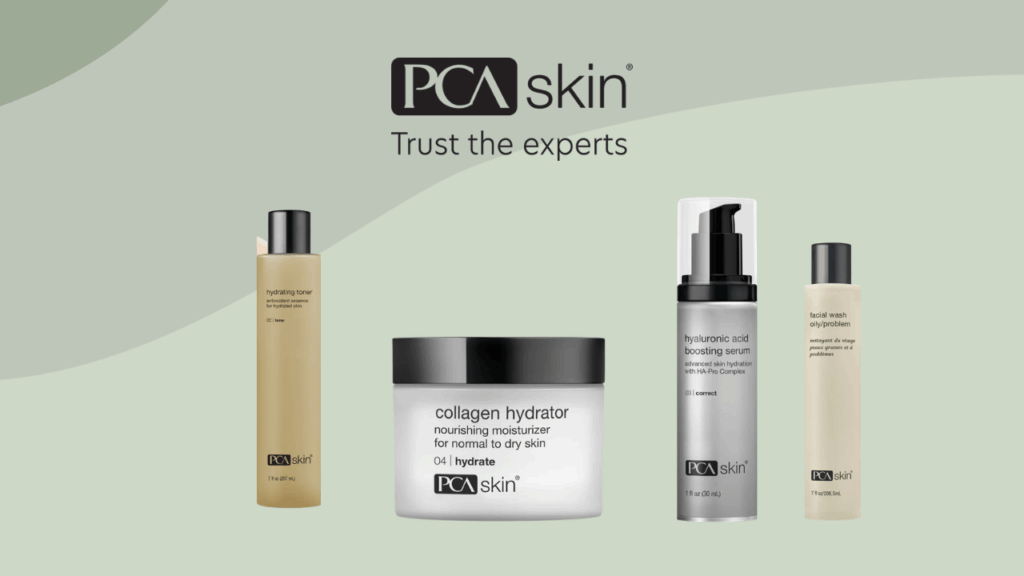
Hyaluronic Acid Boosting Serum is formulated to increase water retention within the skin, improve barrier function, and enhance skin plumpness. Hyaluronic acid and hydrolyzed hyaluronic acid in the formula support hydration. These molecules bind and retain water within the skin, increasing hydration in the outer layers and improving skin elasticity.
The makers also added HA-Pro Complex™ to complement the skin’s internal production of hyaluronic acid. Such effects could help maintain longer-term hydration by increasing the skin’s own capacity to retain water. Ceramides in the product help fill gaps between skin cells in the stratum corneum, creating a cohesive lipid matrix that minimizes water loss. These mechanisms protect the skin from external stressors that could disrupt moisture balance.
Hyaluronic Acid Boosting Serum also contains niacinamide, which promotes ceramide synthesis. This helps strengthen the lipid structure of the skin and helps improve skin resilience. It also supports balanced cell turnover and reduces low-level inflammation, which may otherwise interfere with moisture retention and skin smoothness.
Collagen Hydrator could help improve skin softness, support barrier repair, and enhance the appearance of firmness through hydration and structural support. It contains shea butter that delivers a high concentration of fatty acids that integrate into the skin barrier. These lipids help fill gaps between skin cells, improving barrier cohesion and reducing water loss.
Sweet almond fruit extract supports hydration by providing added emollient lipids along with antioxidant compounds. These antioxidants help lower oxidative stress, which may otherwise weaken structural proteins and contribute to dullness and loss of elasticity. The manufacturer added olive fruit oil in the formula for its dense lipid profile rich in oleic acid, which enhances skin softness and promotes deeper conditioning.
Collagen Hydrator also contains hydrolyzed wheat protein, which provides a structural support function by forming a light film over the skin surface. This film helps reduce moisture loss while also improving the skin’s ability to retain water. Chamomile flower extract introduces anti-inflammatory and soothing effects, which may help calm low-level irritation.
Clearskin suppresses excess oil buildup, optimizes hydration, and calms skin that is prone to breakouts or sensitivity. It features niacinamide, which influences cellular signaling pathways that control oil output, helping reduce excess shine without causing dryness. Niacinamide also helps reduce the transfer of pigment within the skin, which could support a more even complexion, especially in areas affected by post-breakout discoloration.
Vitamin A in the formula contributes to controlled cellular turnover. It may help with the removal of dead skin cells and support new cell formation, which helps minimize pore congestion and reduces the likelihood of buildup that might lead to breakouts.
The makers also added botanical extracts such as marigold, lemongrass, and cucumber to the product. Such extracts provide calming and balancing effects, which may help suppress low-level inflammation and soothe irritation. Cucumber extract and aloe vera leaf juice promote hydration through water-binding and soothing mechanisms, helping maintain comfort while avoiding dehydration.
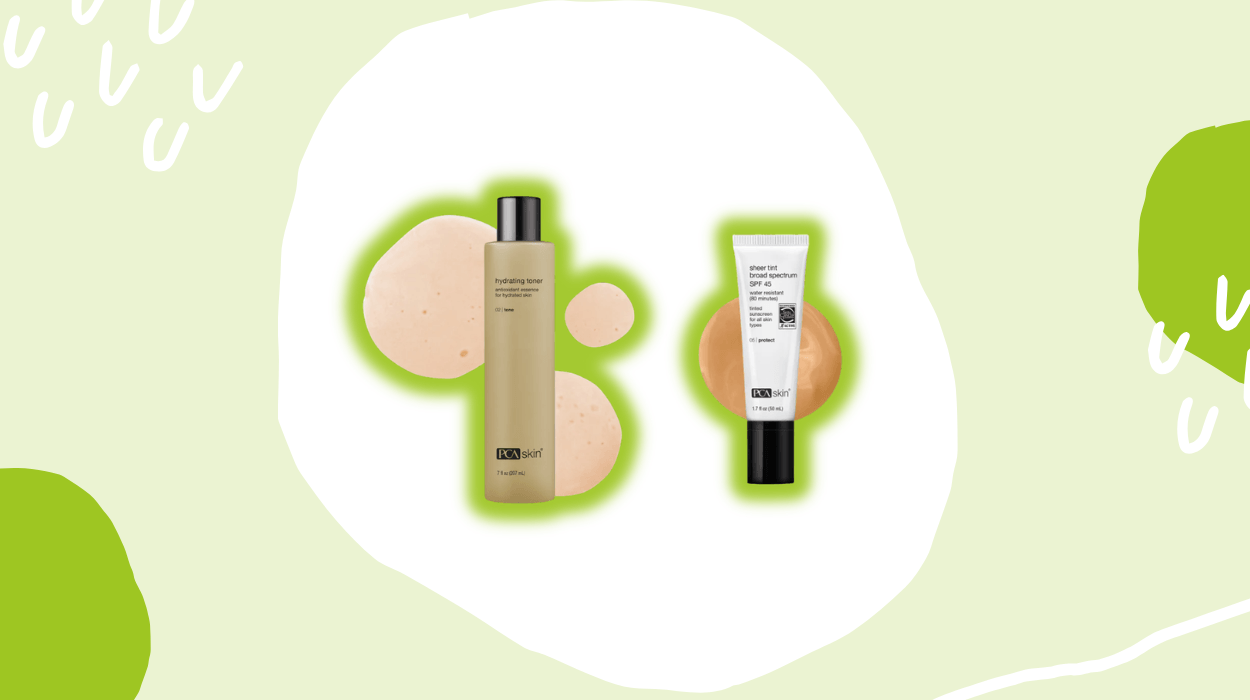
Hydrating Tone restores hydration and provides antioxidant protection while removing any residual impurities. Watermelon, apple, and lentil fruit extracts form a hydration-support complex in the formula.
Watermelon extract delivers water content along with natural sugars that help maintain hydration at the surface level. Apple fruit extract contains mild natural acids and antioxidants that support gentle surface renewal while protecting against oxidative stress.
The makers included Jania rubens extract, which provides trace elements that optimize cellular function and help improve the skin’s ability to retain water.
Hydrating Toner also contains evening primrose extract, which introduces essential fatty acids that integrate into the skin barrier. Such lipids help strengthen the intercellular matrix, reducing water loss and improving skin softness.
Facial Wash may support the removal of surface impurities while maintaining hydration and supporting the skin barrier. It contains lactic acid as an alpha-hydroxy acid that works on the surface of the skin to loosen the bonds that are present between dead skin cells. Such a mechanism promotes controlled exfoliation, helping to remove dull, uneven layers and improve texture.
Willow bark extract provides naturally occurring salicylate compounds. These compounds help break down debris within pores and reduce oil and dead skin cell buildup. Such effects may support clearer pores and smoother skin without relying on aggressive exfoliation. The makers added aloe vera leaf juice for its polysaccharide content, which helps bind water to the skin while forming a light protective layer that reduces moisture loss.
Facial Wash also contains amorphophallus konjac root powder. Its soft, fibrous texture helps gently lift loosened dead skin cells from the surface without causing mechanical damage. Sodium chloride in the formula could help improve the formulation’s consistency, ensuring even distribution across the skin.
As per the official site, the Rebalance moisturizer is formulated to restore skin balance, maintain hydration, and support the skin’s natural pH and barrier function. It has evening primrose seed oil, which has essential fatty acids that integrate into the skin’s lipid matrix. These fatty acids help strengthen the structure between skin cells, improving barrier cohesion. Such effects could help the skin maintain hydration more effectively and minimize concerns like dryness and irritation.
Niacinamide in the product may help stabilize oil production and suppress low-level inflammation, which contributes to a calmer and more even skin appearance. The makers added vitamin E to the formula, which functions as a lipid-soluble antioxidant that protects cell membranes from excessive oxidative stress caused by free radicals. Such effects could help maintain the integrity of skin cells and avoid the breakdown of structural lipids to support a smoother texture and help maintain overall skin resilience.
PCA Skin structures its model around a combined professional-treatment and at-home corrective-care system. The company was founded in 1990 and is the first brand to use a modified Jessner’s peel, combining lactic acid, salicylic acid, kojic acid, citric acid, and resorcinol in formulations. Its philosophy is organized around a progressive-care framework in which certified providers build skin tolerance gradually across repeated visits.
The brand has a dual Professional + Corrective structure that connects in-office procedures with ongoing home-care routines organized around cleansing, correction, hydration, and protection. Its approach is designed to connect in-office corrective procedures with ongoing daily maintenance and treatment continuity by integrating certified professional treatments with a structured four-step home-care routine.
PCA Skin builds much of its clinical positioning around a provider-guided ecosystem that combines certified professional procedures with retail home-care products. Certain peel systems and professional-use formulations are restricted to certified providers. This structure can create access limitations if you prefer fully self-directed skincare routines or do not have convenient access to affiliated clinics and certified practitioners. Geographic availability, appointment scheduling, recurring treatment coordination, and layered provider-service costs can become part of the experience if you want access to the brand’s full professional ecosystem. If you use only the retail products without participating in provider-guided peels or corrective procedures, you are engaging with a partial version of the brand’s broader system. You may find this limiting if you want full access to the brand without booking services or locating an affiliated practice. It also becomes difficult to understand where retail products fit if you are not planning to use peels or follow a provider-directed skincare sequence.
SkinMedica centers its approach on growth factors, described as proteins naturally produced by the body that maintain firmness, support skin repair, and improve tone and texture, but decline with age. This focus is reflected in products like TNS Recovery Complex and TNS Advanced+ Serum. PCA Skin, in comparison, builds its identity around chemical exfoliation. Its formulations rely on lactic acid, salicylic acid, kojic acid, and resorcinol, as seen in its modified Jessner’s peel, and directly target concerns like hyperpigmentation, acne, and uneven texture.
The procedure philosophy highlights a clear contrast in how results are achieved over time. SkinMedica emphasizes continuous, at-home topical use with products targeting aging and hydration, such as HA⁵ Hydra Collagen Hydrator with vegan collagen priced at $192, and Firm & Tone Body Lotion at $165. It also combines antioxidant support through formulations like Vitamin C+E Complex and offers SPF products such as Essential Defense Mineral Shield SPF 35. Meanwhile, PCA Skin follows a more structured and progressive procedure model, where professional procedures like Sensi Peel, Bright & Even Peel, and pigment-correcting peels are paired with daily-use products. For example, procedures are often combined with Hyaluronic Acid Boosting Serum priced at $128 and Collagen Hydrator at $63, creating a system where in-clinic exfoliation is supported by consistent at-home maintenance.
The structure of their product ecosystems also shows a clear difference in how you would use each brand. SkinMedica offers standalone products such as TNS Advanced+ Serum and HA⁵ Hydra Collagen Water Burst Moisturizer, each targeting specific concerns like wrinkles, hydration, or elasticity. In comparison, PCA Skin organizes its offerings into a routine-based system with defined steps, including cleanse, tone, correct, hydrate, and protect. Products such as Facial Wash, Clearskin moisturizer, and targeted options like ExLinea Pro peptide serum are designed to be layered systematically.
Personalization methods also diverge in execution. SkinMedica combines AI-driven analysis through its SkinMedica Method, which evaluates nine parameters, including spots, wrinkles, moisture, redness, oiliness, texture, acne, dark circles, and eye bags. Meanwhile, PCA Skin relies more heavily on practitioner-led customization, where certified professionals assess your skin in person and build progressive plans. This includes adjusting peel types such as TCA blends, retinoid peels, or lactic-based formulations over time, ensuring the skin is prepared before moving to more intensive procedures.
As per their official website, SkinMedica prioritizes biologically driven repair through growth factors, supported by long-term clinical research and high-potency topical formulations. PCA Skin emphasizes controlled resurfacing and targeted correction through chemical exfoliation, combining professional procedures with structured daily routines.
As per its official website, Dermalogica uses a tech-enabled approach through its Face Mapping system, which applies AI and machine learning to evaluate concerns like dehydration, oiliness, breakouts, redness, pigmentation, and wrinkles. You can upload a selfie or complete a detailed quiz to receive customized product recommendations across categories such as cleansers, exfoliants, toners, SPF, and serums. In comparison, PCA Skin approaches personalization through practitioner guidance instead of direct digital tools. It encourages consultation with certified professionals who design routines that combine procedures like Bright and Even Peel or Sensi Peel with supporting products such as Facial Wash, Hydrating Toner, Hyaluronic Acid Boosting Serum, Pigment Gel Pro, and Sheer Tint Broad Spectrum SPF 45. Dermalogica makes personalization more accessible and consumer-driven, while PCA Skin keeps it more clinic-guided and procedure-oriented.
Their formulation strategies show a difference in how innovation is applied. Dermalogica combines newer technologies, such as next-generation exosomes, in its Phyto Nature E² regenerating leave-on formula and pairs them with enzymes to support skin renewal and resilience. Its lineup includes high-engagement products like Daily Microfoliant, Dynamic Skin Recovery SPF 50, and Special Cleansing Gel, reflecting strong adoption in daily routines. However, PCA Skin focuses more on established exfoliation science using AHAs, BHAs, and PHAs, combined with peptides, growth factors, and vitamin B3. Products such as Pro-Max Age Renewal and Vitamin B3 Brightening Serum demonstrate their targeted, correction-focused approach. Meanwhile, formulations like Nutrient Toner with a pumpkin wine base show their use of multi-functional ingredients.
The procedure ecosystems further highlight how each brand operates. Dermalogica combines in-clinic services with daily-use routines, offering products like the 45-minute LuminFusion service designed to improve luminosity without downtime. It supports these services with bundled options like the Double Cleanse Set and the A Good Night’s Rest kit, along with access to professional therapists and personalized skin analysis. In comparison, PCA Skin structures its ecosystem around professional procedures, especially its peels, where chemical exfoliation is combined with active ingredients to address acne, discoloration, and fine lines. These procedures are typically paired with follow-up routines that include products like Clearskin moisturizer, ReBalance, Hyaluronic Acid Overnight Mask, and Ideal Complex Revitalizing Eye Gel.
Pricing and accessibility show another layer of contrast. Dermalogica offers a wider range of entry points, with products like Special Cleansing Gel priced around $49, and higher-end formulas like Phyto Nature E² at $158. It also provides added accessibility through free shipping on orders above $20, free returns within 30 days, travel-size incentives, and a rewards program that allows you to earn and redeem points. However, PCA Skin operates at a higher price, with products such as Pro-Max Age Renewal priced at $221, and Vitamin B3 Brightening Serum around $130, although it does include some lower-priced cleansers and toners in the $42 to $48 range.
As per their official website, Dermalogica focuses on long-term skin health and routine consistency. Meanwhile, PCA Skin emphasizes chemical exfoliation, retinol development, skincare layering, and conditions like rosacea.
We evaluated PCA Skin based on verified customer reviews of its products available on Amazon, focusing on their performance, consistency, usability across different skin types, and perceived value over time.
Its Hyaluronic Acid Boosting Serum has received a 4.7 rating from 1,044 reviews. Many users report visibly plumper skin, smoother texture, and a lightweight formula that absorbs without leaving a sticky residue. It is frequently mentioned as easy to layer within both morning and nighttime routines. Some also link the serum to softer fine lines caused by dehydration and improved overall radiance. Meanwhile, users point out that while the product lasts for months due to minimal usage per application, the higher price remains a consistent concern.
The ReBalance Sensitive Moisturizer, rated 4.6 from 1,261 reviews, is consistently associated with calming effects and skin barrier support. Users with sensitive, dry, and oily skin mentioned experiencing reduced redness, fewer irritations, and a more balanced skin feel with regular use. The texture is often described as lightweight yet adequately moisturizing, allowing daily use without a greasy finish. Some also highlight smoother makeup application and improved skin comfort over time. However, similar to the serum, pricing is repeatedly noted as a limitation, even among long-term users who continue using it.
We found that the feedback points to consistent product performance, which suggests the formulations may work reliably over time. However, repeated mentions of price indicate that cost could influence whether you want to continue long-term.
The evaluation of PCA Skin is based on its brand history, clinical background, and how these summarize into real-world user experiences. The brand has an established presence in professional skincare, particularly within clinics that focus on chemical peels and corrective formulas.
However, its Trustpilot rating of 2.3, based on a limited number of 12+ reviews, highlights a contrast between its professional positioning and user feedback. Several users mention difficulty navigating the website, unclear requirements for professional access, delayed communication, and challenges with ordering. For a brand positioned within the professional space, these inefficiencies reduce reliability. Concerns such as limited clarity in return processes, insufficient warnings for sensitive users, and inconsistent regional availability further affect the overall experience.
We found that the brand’s clinical positioning does not consistently translate into a smooth customer-facing experience. Our main concern lies in the operational side, where gaps in accessibility, communication, and process clarity affect reliability.
PCA Skin claims to support cell turnover and skin renewal, and its offerings are typically designed to be used in structured, layered routines. However, the brand’s premium pricing can limit accessibility, especially when multiple products are required for a complete routine. The reliance on layered routines and professional input may also reduce flexibility if you are seeking simpler routines.
When choosing the brand and its offerings, it is important to manage how active ingredients are introduced and combined. A gradual combination of retinol-based products can help reduce the likelihood of irritation, while consistent sun protection remains necessary due to increased photosensitivity. You should also monitor for signs of over-exfoliation, such as dryness or tightness, and adjust frequency accordingly. Patch testing new products and maintaining hydration alongside procedure steps are additional considerations that can influence how well the brand’s routine is tolerated.

Contact us at [email protected] or follow @leafsnap on Twitter! View our Privacy Policy.