

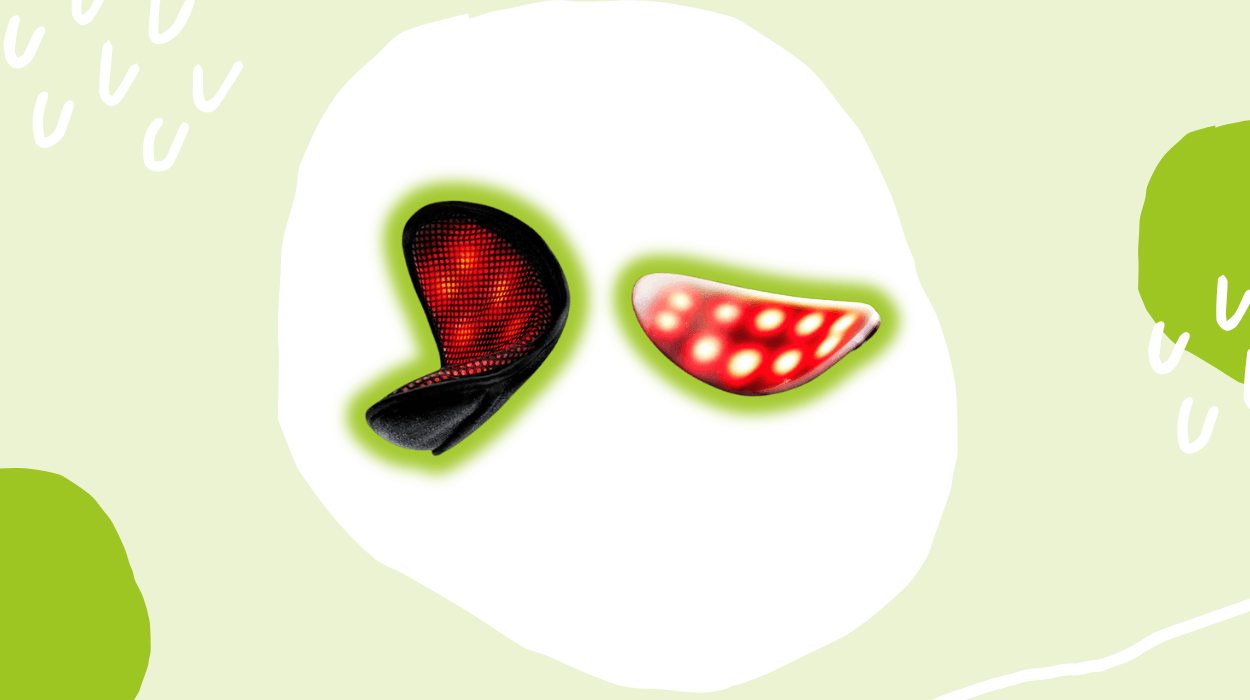

DNA Vibe offers wearable recovery and wellness devices intended to support blood circulation, muscle recovery, and relaxation. The brand positions its technology as a low-power, non-thermal alternative to traditional light therapy devices. Its devices pair red light, near-infrared light, magnetic signaling, and micro-vibration technology in a wearable format made for active lifestyles, fitness recovery, and general wellness support.
In this review, we look at the brand’s technology approach, device functionality, ease of use, and overall practicality for everyday routines. The review also explores the real user experiences associated with the brand’s offerings.
Co-founded by Dr. Max Rempel and Perry Kamel in 2016, DNA Vibe focuses on wearable regenerative technology devices. The brand also emphasizes precision frequency targeting, wearable adaptability, and repeatable daily-use support across different activity levels.
The brand’s core product lineup includes the Jazz Band Live Pro, Mega Vibe, Splash, and Light, intended for active recovery, relaxation, and performance-focused routines. It also extends into recovery system kits that include accessories and app-based training integrations.
According to its official website, the brand claims its devices are manufactured in the United States and developed using patented technology standards. The brand also highlights its Local Advanced Manufacturing Pods (LAMPs) initiative, which focuses on localized production.
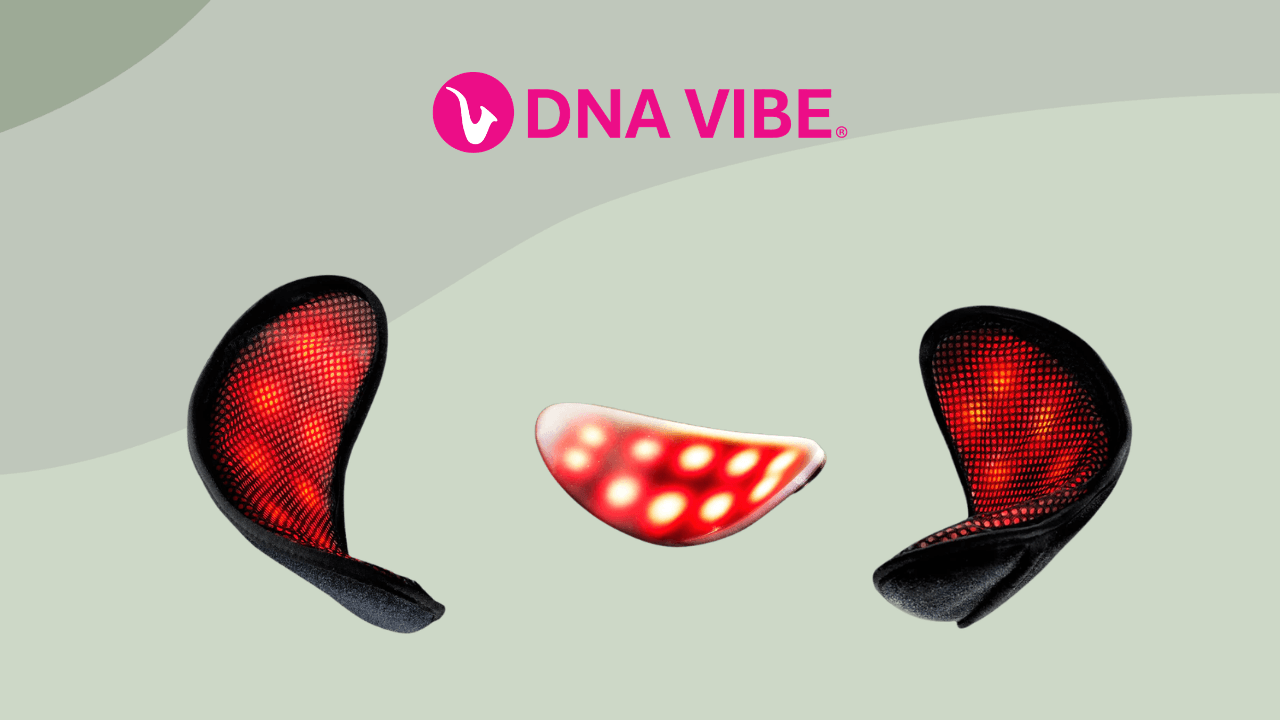
Jazz Bands are intended to support circulation, mobility, tissue recovery, and physical comfort. As per its official website, the range includes the Jazz Band Mega Vibe, Jazz Band Live Pro, Jazz Band Splash, and Jazz Band Light. These devices use wavelengths of approximately 650–675 nm red light and 825–850 nm near-infrared light, which are associated with photobiomodulation. The process allows light energy to interact with mitochondria inside cells, particularly with enzymes involved in cellular respiration, such as cytochrome c oxidase, thereby supporting ATP production, circulation, oxygen delivery, and tissue recovery.
Mega Vibe is the most advanced model and pairs four therapy modes with intensified micro-vibration and infrared mineral technology. The micro-vibration system operates around 225 Hz, delivering rhythmic mechanical stimulation that may help loosen tight muscles, support lymphatic movement, and reduce post-activity stiffness.
Jazz Band Live Pro also uses similar therapy modes, but without the intensified vibration and infrared mineral technology found in the Mega Vibe. The Jazz Band Splash builds on the Live Pro model by adding a fully waterproof and submersible design for hydrotherapy and bath-based recovery sessions.
Across the entire Jazz Bands range, the devices are structured around four recovery phases called Precover, Performance, Recover, and Relax. Precover sessions aim to prepare tissue before activity by supporting circulation, oxygen flow, and ATP activation. Performance sessions help maintain blood flow and movement efficiency during activity, while Recover sessions focus on stiffness reduction and post-exercise tissue support.
Jazz Band Kits combine wearable regenerative recovery technology with performance-focused accessories and guided recovery support systems. The range includes the Mega Vibe Regeneration Kit, Mega Vibe Regeneration Plus, Mega Vibe Splash Regeneration Kit, and Mega Vibe Splash Regeneration Plus.
The Mega Vibe Regeneration Kit combines the Jazz Band Mega Vibe, Car Adapter Accessory, Jazz Band Gel Pack, and a 1-year subscription to the Athletic Gaines training and recovery app. The gel pack optimizes conductivity inside the wearable pouch while supporting thermal recovery sessions.
Mega Vibe Regeneration Plus adds an Instrument Case for portable storage and travel protection. The Mega Vibe Splash Regeneration Kit upgrades the system with the Jazz Band Mega Vibe Splash, which adds a fully submersible, waterproof design for bath-based and hydrotherapy recovery sessions.
DNA Vibe structures its products around a low-power, non-thermal recovery framework that combines red light, near-infrared light, magnetic signaling, and micro-vibration within flexible wearable hardware. It positions the Harmonic Excitation approach around lower-power wave signaling intended to support cellular activity.
That scientific positioning directly shapes the physical device architecture. As the system operates at lower power levels, the wearable Jazz Bands remain lightweight, compact, and portable. The flexible wrap-based geometry also allows the devices to sit flush against joints such as knees, shoulders, ankles, and elbows, reducing some of the energy dispersion common with rigid red-light panels positioned farther from the body.
The brand combines red light, near-infrared exposure, magnetic fields, and randomized micro-vibration within the same session, allowing immediate sensory stimulation through vibration while the slower recovery-oriented light protocols operate simultaneously underneath. It creates an integrated wearable-recovery setup as the brand combines portable non-thermal hardware, flexible body-conforming geometry, and multi-mode signaling systems within the same platform.
As per the official site, DNA Vibe manufactures its Jazz Bands in the United States through its Centennial, Colorado, advanced manufacturing center. The company states that its manufacturing philosophy centers around the SHINE framework and Local Advanced Manufacturing Pods (LAMPs). That localized manufacturing structure is also directly related to the company’s broader positioning around quality control, production oversight, and operational agility.
The company states that it redesigned packaging infrastructure to eliminate 100% of plastics and foams while substantially reducing paper usage across units. It controls prototyping, fabrication, and assembly under one roof in a named location, and the signal quality and tolerances are less susceptible to the variability introduced by third-party contract manufacturing.
DNA Vibe does not publicly disclose the exact operating frequencies, modulation structures, or finalized production parameters used inside its devices. Third-party reviewers generally identify approximate ranges of roughly 650–675 nm for red light and 825–850 nm for near-infrared output, leaving the company’s precise signal architecture undisclosed. The exact sequencing, pulsing behavior, and software-controlled signaling combinations are not publicly documented through transparent technical specifications. Much of the broader photobiomodulation research cited around red-light therapy was conducted on separate systems with fully disclosed wavelengths and parameters and not the brand’s exact multi-mode implementation itself.
You may find it difficult to independently verify whether the brand’s proprietary frequency selection produces outcomes meaningfully different from other red and near-infrared devices operating within the same nanometer ranges. Without disclosed wavelengths and specific clinical trials, the differentiation between ILT and standard photobiomodulation remains asserted and independently demonstrated.
Joovv and DNA Vibe both offer photobiomodulation devices, which may help support recovery, ease pain, and promote circulation. However, the brands have some nuances in terms of their range of offerings, technological integration, manufacturing standards, and accessibility.
The differences between the brands become clearer through their product ecosystems and technology formats. Joovv structures its catalog around stationary and modular red light therapy systems, including product lines such as Joovv Go, Solo 3.0, Duo 3.0, Elite 3.0, and Quad 3.0. Its product lineup focuses primarily on red and near infrared wavelength delivery through scalable panel configurations that support larger coverage areas and customizable full body setups.
Meanwhile, DNA Vibe organizes its ecosystem around wearable recovery devices such as the Jazz Band and Jazz Band Mega Vibe, alongside wearable regenerative light therapy bands and gel-backed wearable systems. Instead of prioritizing modular wall-mounted systems, the brand emphasizes portability, movement integration, and wearable recovery formats that can be included in daily activities.
Joovv concentrates on photobiomodulation through clinically studied wavelengths and high-output panel systems. DNA Vibe differentiates itself through its four-mode regenerative technology approach that pairs red light therapy, near infrared light therapy, magnetic signaling, and micro vibration into a single wearable format.
Manufacturing approach and quality positioning further separate the brands. Joovv highlights the use of medical-grade or UL-listed components and references third-party testing alongside Intertek safety certification for its Generation 3.0 systems. DNA Vibe places stronger emphasis on patented regenerative signaling technology, made in the USA manufacturing, and non-thermal positioning as part of its operational identity.
Joovv highlights its modular panel ecosystem, clinically framed positioning, structured wavelength delivery systems, and broader scalability for full-body home setups. Meanwhile, DNA Vibe gives you wearable portability, multi-modal regenerative signaling technology, sustainability-focused messaging, and highlights local manufacturing initiatives.
When comparing the brands, NovaaLab and DNA Vibe both operate within the wellness recovery technology space. However, they differ in their technological focus, recovery philosophy, product structure, and price positioning.
NovaaLab presents itself as a clinically oriented red light therapy brand focused on pain relief, circulation support, recovery, inflammation management, and skincare. DNA Vibe approaches the category from a broader regenerative perspective by combining pulsed electromagnetic field technology, red light therapy, near infrared light, and micro vibration into wearable recovery systems.
In terms of offerings, NovaaLab organizes its lineup around targeted body area-specific and condition-specific devices, including targeted red light therapy pads, wearable wraps, facial devices, cold laser systems, and joint-focused recovery devices. A few core offerings in its lineup include the Light Pad, Knee Ultra, Light Boot, Cold Laser Therapy Device, and Glow Therapy Mask. Meanwhile, DNA Vibe offers a more system-based wearable catalog focused on integrated regeneration kits and portable recovery technology devices. Its lineup includes offerings such as the DNA Vibe Jazz Bands, Jazz Band Regeneration Kits, and Mega Vibe Regeneration Kit. The brand focuses on wearable recovery formats intended for movement, circulation support, and multi-modality regeneration during everyday activity.
Pricing and accessibility also indicate some points of difference between the brands. Singular products from NovaaLab are typically priced at around $99–$2500, while bundle sets are priced between $620 and $720. Meanwhile, individual products from DNA Vibe are priced at around $155–$615, while bundle kits are priced between $825 and $950.
When evaluating the reputation of DNA Vibe, we assessed the brand’s operational history, business background, and presence across independent review platforms.
On the Better Business Bureau, the brand holds BBB accreditation with an A+ rating. However, complaint records highlight delayed refunds, return processing concerns, and communication gaps after returned products were received. Beyond BBB, the brand currently has a limited review presence across platforms such as Thingtesting, ConsumerAffairs, and Sitejabber.
While this makes it challenging to evaluate long-term, widespread consumer sentiment, the brand’s operational profile points to a legitimate and stable brand. However, you should maintain realistic expectations regarding day-to-day customer support responsiveness, fulfillment timelines, and individual product outcomes.
To evaluate DNA Vibe, we reviewed real customer experiences and discussions about the brand’s devices across Reddit forums and Trustpilot. Most feedback largely focused on pain management, mobility support, device usability, and long-term ownership experiences.
Across Reddit, several users shared that the Jazz Band helped reduce knee pain, inflammation, stiffness, and walking discomfort after consistent use over a few weeks. Some users mentioned improved mobility, reduced limping, and less dependence on knee braces during daily activities. However, some users expressed concerns related to app connectivity issues, discontinued software support, and difficulty reaching customer support.
Trustpilot reviews reflected a similar mix of positive and critical experiences. Many users described relief from lower back pain, osteoarthritis-related discomfort, chronic pain, and post-surgery soreness after using the Jazz Band Mega. However, negative reviews raised concerns about product durability and long-term reliability, including reports of devices suddenly stopping function despite careful use and storage.
Our evaluation of the brand’s user feedback reflects mixed opinions. The brand’s device may provide relief from pain and also reduce inflammation. However, you should also consider the concerns involving app dependency, device lifespan, technical issues, and post-purchase support responsiveness.
DNA Vibe is centered around wearable photobiomodulation devices and regenerative light technology. However, research around PBM continues to evolve across different use cases, recovery timelines, and response patterns. Therefore, recovery experiences with the brand’s offerings might vary based on consistency, physical condition, discomfort severity, and frequency of use.
The brand mainly focuses on recovery-oriented wearable devices. Such a specialization may suit active recovery goals, but may feel limiting if you expect wider lifestyle support, rehabilitation integration, or personalized wellness guidance.
While the wearable format improves portability and flexibility, repeated sessions, charging requirements, and proper device positioning still require patience and routine use.
Careful evaluation becomes especially important if you have specific concerns, implanted electronic devices, or sensitivity to light-based technologies. When considering its offerings, it is also important to review device usage guidelines, session recommendations, and compatibility information.

Contact us at [email protected] or follow @leafsnap on Twitter! View our Privacy Policy.