


Koreana Skin offers beauty care products intended to support diverse skin types and needs. Its formulations emphasize modern cosmetic ingredients intended to support skin hydration and support a healthy skin appearance.
The brand claims that its formulations may help target concerns related to dryness, dullness, tired-looking skin, and visible signs of aging while prioritizing ingredient quality and cosmetic skin benefits.
In this review, we examine the brand's product range, core positioning, and claimed approach to skincare while exploring the brand’s advantages and potential limitations.
Operating under UAB Prolong Lab, Koreana Skin positions itself around cosmetic skincare products intended to improve skin appearance and support hydration. It maintains a focused product lineup around face masks, eye masks, toner pads, and jelly-infused cream.
As per its official site, the brand states that its formulation philosophy prioritizes ingredient quality and science-backed cosmetic development. The brand further highlights the use of active ingredients such as GHK-Cu, collagen, PDRN, caviar extract, and peptides throughout its lineup.
However, the brand maintains limited transparency around its third-party testing standards, recognized cosmetic certifications, and specific manufacturing protocols on its website.
Koreana Skin PDRN Mask supports skin renewal, hydration, and a smoother-looking complexion. It may help improve the appearance of elasticity, fine lines, and uneven texture by supporting moisture balance, skin barrier function, and the skin’s natural repair processes.
The formula contains PDRN (Salmon DNA), which may help support the skin’s natural recovery and renewal processes by interacting with pathways involved in cell activity and tissue maintenance. It could help skin appear more elastic, smoother, and less affected by the visible signs of aging.
Hyaluronic acid in this mask might help replenish and maintain moisture within the skin. It could help reduce the appearance of dryness, soften fine lines caused by dehydration, and create a smoother, more plump-looking texture.
The makers also added galactomyces ferment filtrate, which helps support the skin barrier, improve the appearance of uneven texture, and promote a brighter, more balanced-looking complexion.
According to the official website, GHK-Cu Mask supports a firmer, smoother-looking complexion by helping improve the appearance of fine lines, enlarged pores, and reduced elasticity. The mask contains copper peptide (GHK-Cu), which may help support skin renewal processes by signaling skin cells involved in repair and maintenance. Copper contributes to collagen and elastin formation, while peptides can act as messengers that encourage skin-supporting activities. Hydrolyzed Collagen is added to help support the skin’s moisture levels by forming a hydrating layer on the surface, which can make skin feel softer and appear more plump. It may help improve the look of dryness and support a smoother, more hydrated appearance.
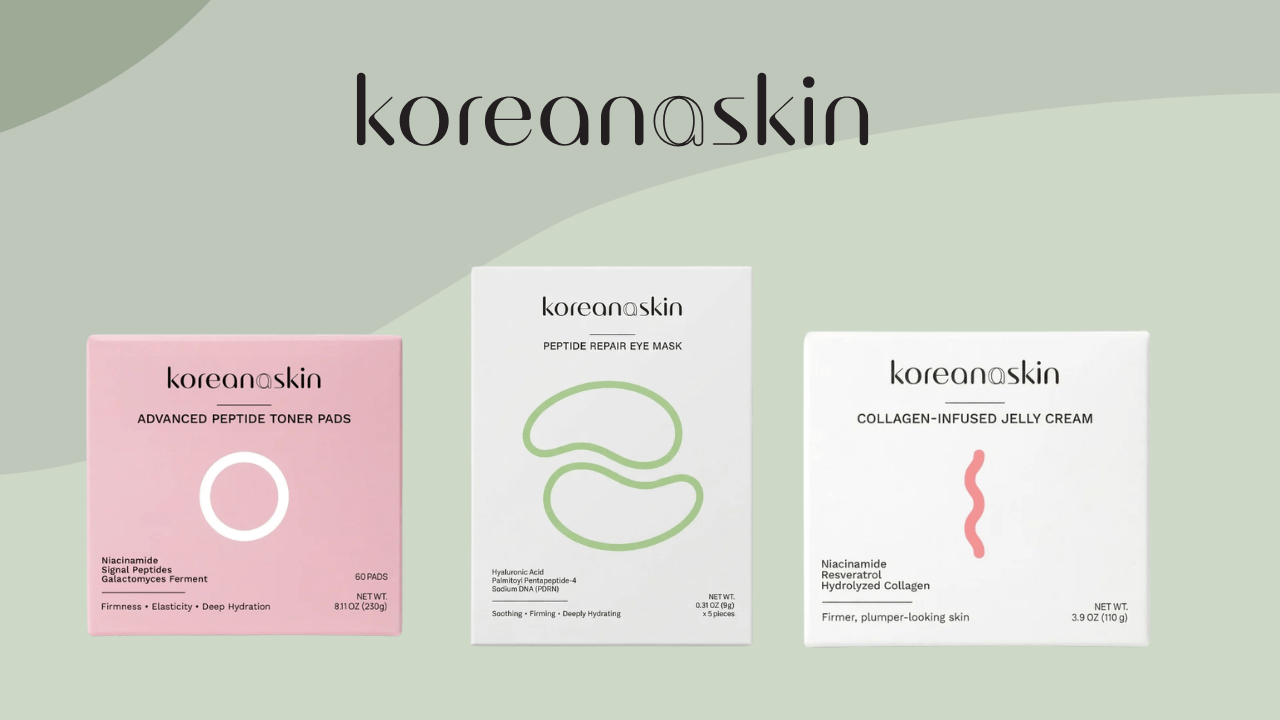
Peptide Repair Eye Mask is formulated to improve the appearance of fine lines, reduced elasticity, and signs of skin fatigue. This mask combines Sodium DNA (PDRN) and Repair Peptide Matrixyl to help support hydration, skin renewal, and a more refreshed appearance.
As per the official website, Repair Eye Mask may support the appearance of firmer skin, improved elasticity, and a reduction in the visible look of fine lines around the eyes. The makers also added repair peptide Matrixyl in this mask, which may help support collagen-related processes and improve the appearance of wrinkles by encouraging a smoother, more resilient-looking skin surface. This may help the under-eye area appear firmer and more even over time.
Collagen-Infused Jelly Cream could protect against daily environmental stressors that may contribute to visible signs of aging. It contains niacinamide (Vitamin B3), which might help strengthen your skin barrier by supporting the production of ceramides and other lipids that help reduce moisture loss. Niacinamide may also help improve the appearance of uneven skin tone and enlarged pores by supporting balanced oil production and healthier-looking skin texture. The makers also added resveratrol to this cream, which may support the skin’s natural ability to maintain a smoother, firmer-looking appearance and reduce the visible effects of environmental damage by helping neutralize free radicals.
According to the official website, Advanced Peptide Toner Pads improve the appearance of skin texture, firmness, and elasticity while supporting a smoother, more refreshed complexion. The pads may help support skin renewal, hydration, and the visible signs of aging, such as loss of firmness.
Signal Peptides (Argireline + Matrixyl) are added to these pads to support collagen production and skin resilience. Argireline targets the appearance of expression lines by helping relax the look of repetitive facial movement-related wrinkles, while Matrixyl peptides support the skin’s natural repair pathways and help improve the appearance of firmness and elasticity.
Advanced Peptide Toner Pads also have galactomyces ferment filtrate, which might help support the skin barrier, improve moisture balance, and promote a more even-looking complexion.
Koreana Skin builds its portfolio around a small number of flagship products. The brand consistently highlights products such as the PDRN Face Mask, GHK-Cu Face Mask, Advanced Peptide Toner Pads, and Peptide Repair Eye Mask as the foundation of its skincare lineup.
This focused portfolio creates a more streamlined experience than brands offering dozens of overlapping products. This means you don't have to sort through a large catalog to understand what the brand is known for. Koreana Skin clearly highlights its signature products and core ingredient technologies, which may make it easier to compare options and decide where to start. This focused approach may also give you a better understanding of the formulations the brand considers central to its skincare philosophy.
Koreana Skin does not provide guidance for specific skin types or personalized skincare routines. It does not offer a skin type quiz, routine builder, virtual consultation, or personalized recommendation tool to help you determine which products best match your skin. The brand also does not provide a guided skin assessment to help you identify whether your skin is dry, oily, combination, or sensitive before you buy.
If you are not sure of your skin type, you will need to choose products on your own without personalized guidance from the brand. That can make it easier to select products that may not be the best fit for your skin's needs. Compared with skincare brands that provide skin analysis tools or customized routine recommendations, this brand offers less support. As a result, you may spend more time comparing products and rely more on trial and error to find a routine that may work for you.
Peach & Lily offers a broad Korean skincare portfolio to support a complete routine from cleansing through targeted formulas and moisturization. Its lineup includes gel cleansers, oil cleansers, serums, facial oils, moisturizers, facial scrubs, resurfacing masks, and collagen sheet masks. The brand aims to address aging, acne, dark spots, dryness, blackheads, firmness, dullness, and fine lines, so you can select products based on your specific skin needs. In comparison, Koreana Skin maintains a much smaller catalog with five core products, including the PDRN Mask, GHK-Cu Mask, Peptide Repair Eye Mask, Collagen-Infused Jelly Cream, and Advanced Peptide Toner Pads. Its portfolio focuses on products intended to support hydration, skin renewal, collagen maintenance, and visible firmness.
The brands also differ in their skincare approach. Peach & Lily centers its products around the concept of Glass Skin, emphasizing consistent skincare routines that support long-term skin health. However, Koreana Skin instead emphasizes rehydration, regeneration, and visible skin renewal, with messaging focused on improving the appearance of aging or dehydrated skin. Their ingredient strategies are also noticeably different. Peach & Lily highlights that its formulations feature MiniProtein Exosomes, growth factors, copper peptides, and encapsulated 0.1% retinal. It also features botanicals such as peach, matcha, ginger, ginseng, rice wine, honey, citrus, and rice-derived ingredients. Meanwhile, Koreana Skin follows a more focused ingredient strategy centered on regenerative skincare. Its products repeatedly feature PDRN, GHK-Cu peptides, collagen, and peptide complexes, with formulations consistently aimed at supporting hydration, elasticity, smoother-looking skin, and visible reduction of aging signs.
The product categories available from each brand further illustrate this difference in focus. Peach & Lily offers products that include retinal-based skin renewal, peptide moisturization, lactic acid exfoliation, pore care, facial oils, resurfacing masks, and hydrating essences. The brand also extends into targeted skincare through its Peach Slices collection, which includes products for blemishes, ingrown hairs, snail mucin skincare, and acne management. Meanwhile, Koreana Skin concentrates primarily on regenerative and anti-aging formulas. Its PDRN Mask focuses on hydration and skin renewal, the GHK-Cu Mask emphasizes peptide-based repair, and the Peptide Repair Eye Mask targets the eye area.
According to its official website, Peach & Lily offers multiple product collections. Meanwhile, Koreana Skin maintains a more compact ecosystem centered on its five-product regenerative skincare range.
COSRX offers cleansers, exfoliants, toners, serums, spot patches, sun protection, hair care, and body care, allowing you to build complete skincare routines within a single brand. Its catalog includes established collections such as Advanced Snail, Derma Skincare, Hydrium, Balancium, AC Collection, and AHA BHA, as well as newer ranges featuring PDRN, Bakuchiol, Azelaic Acid, and multiple One Step Original treatment pads. Koreana Skin, in comparison, maintains a considerably smaller lineup consisting of five core products. Its collection focuses on targeted products centered on hydration, collagen support, peptide technology, and skin renewal.
The ingredient strategies of the two brands also differ substantially. COSRX claims to combine established skincare ingredients across its collections, including snail mucin, ceramides, cholesterol, fatty acids, panthenol (B5), hyaluronic acid, and exfoliating acids such as AHA, BHA, PHA, and LHA. Its Advanced Snail 96 Mucin Power Essence contains 96% snail mucin, while the Advanced Snail 92 All In One Cream contains 92% snail mucin to support hydration, soothing, and skin elasticity. Meanwhile, Koreana Skin adopts a more focused ingredient approach built primarily around PDRN, GHK-Cu copper peptides, collagen, and peptide complexes. These ingredients are consistently used across its limited product range to support hydration, skin renewal, firmness, elasticity, and overall skin appearance.
Although both brands include PDRN products, they combine the ingredient differently into their portfolios. COSRX treats PDRN as one of several advanced technologies within a much broader skincare system. Its PDRN lineup includes the 5 PDRN Collagen Intense Vitalizing Serum, 5 PDRN B5 Vital Soothing Toner, and the PDRN EXOSOME Skinplaning Glaze Mask. These products exist alongside established collections based on snail mucin, ceramides, peptides, retinol, exfoliating acids, brightening ingredients, and barrier repair. Koreana Skin, however, places PDRN at the center of its product range through the PDRN Mask, while further supporting this focus with educational content discussing the combination of caviar and PDRN.
The contrast also becomes apparent in the mask category. COSRX offers a broad selection that includes hydrogel masks, overnight masks, charcoal masks, ceramide masks, cica masks, and PDRN hydrogel masks. Single products include the Advanced Snail Mucin Glass Glow Hydrogel Mask, Alpha-Arbutin Discoloration Care Hydrogel Mask, and Hydrium Triple Hyaluronic Water Wave Sheet Mask. These masks target hydration, overnight nourishment, firming, calming, brightening, blemish care, pore cleansing, and barrier support. Koreana Skin's mask lineup is limited to the PDRN Mask, GHK-Cu Mask, and Peptide Repair Eye Mask, reflecting a concentrated focus on regenerative ingredients, peptide-based care, hydration, and anti-aging support instead of multiple categories.
Pricing also differentiates the two brands. COSRX offers a wider price range, with products starting at $6 for sheet masks, hydrogel masks, and cleansers, while most serums, moisturizers, and targeted formulas fall between $20 and $29. This includes The Ceramide Skin Barrier Moisturizer, Blue Peptide Bakuchiol Serum, and Retinol Cream. This results in an overall price range of approximately $6–$29 across more than 120 products. Meanwhile, Koreana Skin maintains a narrower, higher-priced portfolio, with the Peptide Repair Eye Mask starting at $25.99, the Advanced Peptide Toner Pads at $35.99, and the PDRN Mask, GHK-Cu Mask, and Collagen-Infused Jelly Cream each starting at $39.99.
COSRX offers a broad skincare ecosystem spanning numerous product categories, technologies, and skin concerns, whereas Koreana Skin focuses on a smaller collection of regenerative skincare products centered primarily on PDRN, peptides, collagen, hydration, and skin renewal.
When evaluating Koreana Skin, we analyzed its presence across independent review platforms, the available user feedback, and how the brand handles reported concerns. For assessment, we analyzed the brand's presence on Trustpilot, where it currently holds a 4.3 out of 5 rating based on over 40+ reviews.
Positive feedback includes appreciation for product quality, hydration, smoother-looking skin, and prompt shipment delivery. Several reviews have also highlighted responsive customer support, particularly in resolving shipping questions or pausing subscription renewals.
However, the limited number of unfavorable reviews has revealed recurring concerns involving skin irritation on sensitive skin, sticky or overly wet product textures, masks and patches that have been difficult to keep in place, and cases where some users have not experienced the expected results after repeated use.
Our evaluation indicates that the brand’s reputation is supported by generally favorable user feedback, but the limited review volume means it should be interpreted as an early indicator. Variations in reported skin compatibility and product experience suggest that the brand's reputation may depend on individual expectations and skin sensitivity. It is helpful to review ingredient lists, return policies, and recent brand ratings on independent review forums before committing to the brand.
To evaluate Koreana Skin, we reviewed ratings and verified user experiences for some of the brand's most popular products on Amazon to understand how they performed in everyday use and where expectations differed.
PDRN Mask carries a 4.2 out of 5 rating based on 70+ reviews, indicating generally favorable but mixed experiences. Many users described their skin as feeling softer, smoother, and well-moisturized after using the mask. However, not every experience was positive, as a few users found the hydrogel mask difficult to keep in place during the first few minutes of application. One user experienced a strong burning sensation and skin irritation, leading them to remove the mask shortly after applying it.
Similarly, the GHK-Cu Mask holds a 4.3 out of 5 rating based on more than 45+ reviews, with many users highlighting its long wear time and hydration benefits. Many users described the hydrogel material as thick, durable, and able to remain moist for three to four hours, while several reported softer, plumper, and more hydrated skin after repeated use. However, some users noted that the mask felt slippery upon initial application and took time to adhere properly. Others expressed that the GHK-Cu copper peptide content appeared too low on the ingredient list to significantly influence results.
We analyzed the available user feedback, which suggests that the brand’s products offered varied experiences among users, with some reporting skin irritation while others reported positive cosmetic results. As a result, we recommend patch testing the products before full application, particularly if you have sensitive or reactive skin.
Koreana Skin offers a focused skincare lineup centered on peptides, hydrogel masks, and hydration-focused formulations. Its offerings primarily support skin conditioning and improvements in visible skin appearance.
However, the brand shares limited details around active ingredient concentrations, independent testing results, and quality verification practices. Its offerings may also have limited appeal if you are looking for products to tackle specific skincare concerns, such as rosacea, eczema, or persistent acne.
The brand provides relatively limited guidance on pairing products with other active ingredients. Due to this, you should take extra precaution when pairing peptide-based products with stronger exfoliating acids, retinoids, or other highly active skincare products. Checking ingredient lists, introducing one product at a time, and performing a patch test might help reduce the risk of unwanted skin reactions, particularly if your skin is easily irritated. It is also important to note that the brand focuses on a relatively narrow range of skincare categories, so creating a complete daily routine may require products from other brands.

Contact us at [email protected] or follow @leafsnap on Twitter! View our Privacy Policy.