

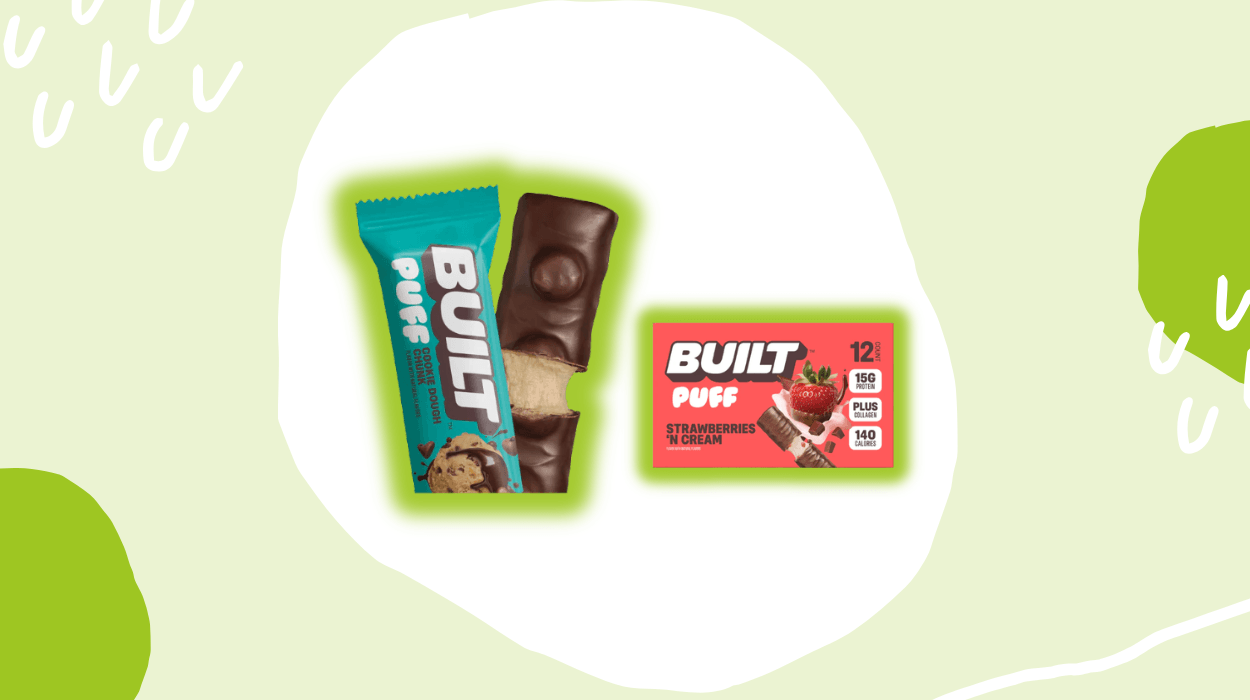

Built is a sports nutrition brand centered on protein bars and convenient high-protein snacks. It positions itself around combining protein-focused nutrition with dessert-inspired flavors and softer textures designed to stand apart from traditional dense protein bars.
The brand focuses on areas such as daily protein intake, active lifestyles, and portable nutrition convenience. Its products emphasize higher protein content with relatively lower sugar levels, while placing strong attention on flavor variety.
This review examines its ingredient philosophy, nutrition profile, texture, flavor experience, and customer feedback. We also explore the brand’s broader strengths and limitations, and how it compares with other similar brands.
Founded in the United States, Built centers its product line around making high-protein eating more enjoyable in everyday routines. Its main product line is available in flavors such as Brownie Batter, Cookie Dough Chunk, Cookies ’N Cream, Peanut Butter Cup, Banana Cream Pie, Strawberries ’N Cream, Mint Chip, Salted Caramel, and Chocolate Milkshake. Sour Puff range includes flavors like Blue Razz Blast, Green Apple Crush, Pink Lemonade Squeeze, Tropical Mango Burst, and Watermelon Splash. The brand also offers multi-pack options, including mixed boxes, variety packs, and Build Your Own Box formats that allow you to combine different flavors.
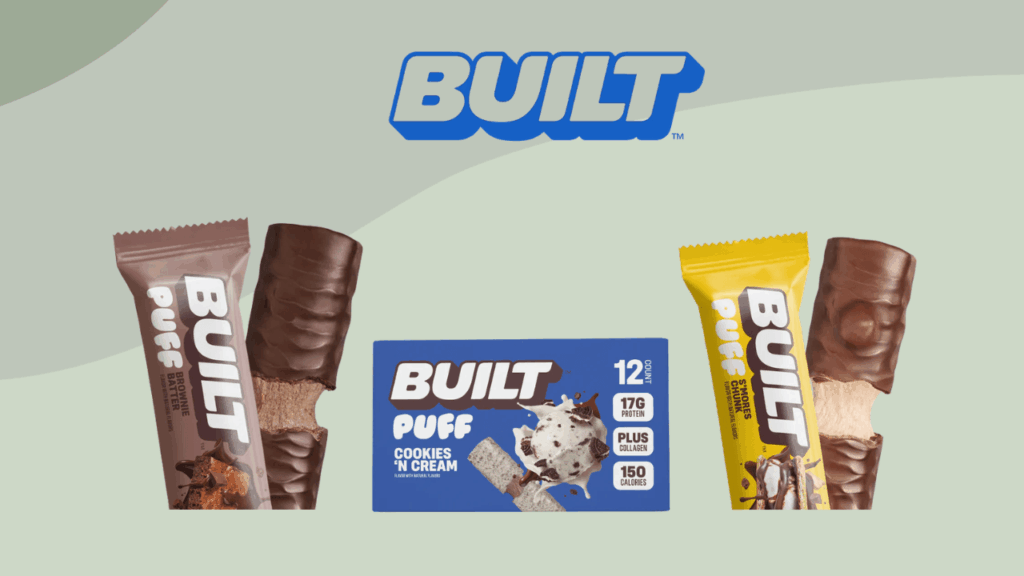
As per the official site, the protein bars follow a consistent formulation base, with most variations coming from flavor systems. These include cocoa, fruit inclusions, and natural flavoring compounds, which are layered onto the base to create variants such as Brownie Batter, Cookies ’N Cream, and Strawberries ’N Cream.
Across the range, each bar is built on a protein core that combines partially hydrolyzed whey protein isolate with collagen. Whey protein isolate serves as a fast-digesting, high-quality protein source that supports efficient protein delivery while keeping sugar and fat levels relatively low. The makers claim that one bar typically provides around 15–17 grams of protein per 40-gram serving, with an approximate 140-calorie profile depending on the flavor.
Built Bar has a rotating flavor strategy built around limited-time releases, seasonal launches, and regularly updated flavor selections instead of a fully fixed lineup. It keeps a smaller group of long-term staple flavors while continuously introducing new and limited-edition options.
Core flavors such as Coconut Brownie and Chocolate Fudge remain closely tied to the brand identity, while newer concepts like Churro-style bars and seasonal Puff varieties help create ongoing excitement. This approach allows Built Bar to maintain recognizable products while still driving repeat interest through new launches.
Built Bar also connects its flavor strategy to dessert-inspired and candy-style branding. The company regularly promotes marshmallow-style Puffs, cookie-dough-inspired flavors, chocolate milkshake concepts, and other treat-like profiles instead of relying mostly on standard sports nutrition flavors like plain chocolate or vanilla.
This rotating flavor strategy may offer more variety than protein brands with mostly static product selections. The constant release cycle may also make the brand feel more engaging if you enjoy trying seasonal, dessert-inspired, or newly introduced snack flavors.
Built Bar places far greater emphasis on protein counts, low calories, low sugar content, and dessert-style flavor experiences, but its broader nutritional balance or whole-food nutrition principles appear limited.
The lineup is centered around macro efficiency, convenient protein intake, and guilt-free snacking, but it lacks nutrient diversity. Its products cannot be considered for digestive wellness or functional everyday nutrition. The brand focuses more on candy-inspired flavors, chocolate coatings, marshmallow-style textures, and indulgent snack replacement experiences, reinforcing a performance-snacking identity more than a balanced nutrition approach. This creates a narrower nutrition framework compared with brands that emphasize whole-food sourcing, clean-label formulations, or broader support beyond protein macros. Ingredient formulations also rely heavily on protein blends, sweeteners, flavor systems, and processed functional ingredients.
IQBAR operates across several functional nutrition categories, including plant protein bars, IQMIX electrolyte powders, IQJOE instant mushroom coffee, PB&J protein bites, sampler kits, bundles, and customizable bulk cases. Its catalog includes the Chocolate Lovers Variety 12-bar pack, the 72-bar Custom Case, the IQMIX Original Variety, and the IQJOE Original Variety. In comparison, Built maintains a narrower catalog concentrated around Puff bars, Sour Puff products, mixed boxes, and limited-release flavors. Most products are available in standardized 12-count boxes, including flavors such as Brownie Batter Puff, Cookies ’N Cream Puff, Coconut Puff, and Churro Puff.
IQBAR emphasizes plant-based formulations and restrictive dietary compatibility throughout its product range. Its products are labeled vegan, gluten-free, dairy-free, soy-free, kosher, non-GMO, seed oil free, and keto/paleo-friendly. The protein bars contain 12g plant protein with 1-2g total sugar, while the PB&J Bites contain 5g plant protein, 5g fiber, and 1g sugar. Built does not position itself around vegan or plant-based formulations and emphasizes higher protein content and collagen inclusion, with most Puff products containing between 15g and 17g protein. The brand also categorizes products using filters such as gluten and nut free, but does not promote broader dietary frameworks like keto, paleo, or seed oil-free formulations.
The ingredient positioning between the two brands also differs. IQBAR highlights Magnesium L-Threonate, adaptogens, lion’s mane mushroom, electrolytes, antioxidants, and jitter-free caffeine across multiple product categories. Its electrolyte powders contain approximately 1,000mg of electrolytes together with Magnesium L-Threonate and adaptogens for hydration, mood, and clarity support. IQJOE instant coffee products contain 200mg natural caffeine, 750mg Magnesium L-Threonate, 250mg adaptogens, lion’s mane mushroom, and antioxidants. Built places far less emphasis on functional ingredients tied to cognitive support or hydration. Its products focus on protein blends, collagen protein, texture, and flavor experience.
IQBAR frames its products around sustained cognitive and physical performance throughout the day. Products may provide mood support, clarity, hydration, productivity, sustained energy, and jitter-free caffeine. Its bars, hydration mixes, and coffees can also function together within a broader daily nutrition system. Built focuses more on indulgent snacking and sensory appeal. Its Puff products are described as marshmallowy protein snacks designed to satisfy cravings while maintaining elevated protein levels and moderate calorie counts. The products are based on texture, sweetness, flavor rotation, and snack enjoyment.
Quest highlights a large functional-snacking portfolio that includes protein bars, chips, cookies, crackers, shakes, powders, coffee products, and even high-protein pizza offerings. Built remains much more concentrated around its core protein-bar ecosystem, particularly its Puff bars, alongside flavor bundles, limited releases, and seasonal varieties.
As per their ingredient positioning and sweeter approach, Quest emphasizes macro-focused nutrition with very low sugar content, typically using whey or milk protein isolates alongside sweetener systems such as allulose, erythritol, sucralose, and stevia. While Built also focuses on high protein with relatively low sugar and calorie counts, it highlights collagen protein blend, softer textures, and a simpler indulgence-oriented flavor experience designed to resemble candy-style snacks.
Their flavor strategy also highlights some differences, as Quest maintains a large lineup of permanent flavors and texture formats built around mainstream dessert-inspired profiles such as Cookies & Cream, S’mores, and Chocolate Chip varieties. Built places a stronger emphasis on rotating flavors, novelty releases, and dessert-first positioning with products such as Coconut Brownie, Churro, and seasonal exclusives forming a central part of its identity.
Quest shows a more comprehensive, gym-oriented, and performance-driven approach, with a strong focus on macros, satiety, and functional convenience. It provides a usual protein range of 8 to 21 grams in its product lineup, with a low-carbohydrate content profile. Built prioritizes texture, indulgence, and snack-style enjoyment while still maintaining 15-17 grams of high protein content in its offerings.
We evaluated BUILT Bars by reviewing its presence across third-party consumer feedback platforms, including the Better Business Bureau. The brand currently holds a D- rating on the BBB, with records citing failure to respond to multiple complaints as a contributing factor. The brand also has a limited presence on Thingtesting, where one user describes a positive customer support experience related to refunds.
The BBB complaints primarily reference delayed shipments, missing products in orders, limited customer service responsiveness, and refund-related concerns. Some users report receiving incomplete product boxes, while others describe difficulty obtaining replies after submitting follow-up emails regarding delivery issues or guarantee claims. One review also mentions dissatisfaction with the company’s guarantee process after the user reported receiving no response to refund requests.
However, the visible complaint volume remains relatively small compared to the brand’s broader retail and online presence, which limits the extent of broader conclusions that can be drawn. The currently accessible complaint history also reflects only a narrow portion of total customer experiences.
Based on our evaluation, if you decide to order directly from BUILT Bars, it may help to keep records of shipping confirmations, retain packaging details, and review guarantee or refund terms carefully before making a purchase.
To evaluate the real user experiences for Built Bars, we reviewed some discussions on Reddit about the brand’s offerings. For its Sour Puff bars, users generally describe a split experience depending on preference for sour candy-style snacks and soft protein bar textures. A noticeable portion of users report strong positive reactions. Flavors like green apple, blue raspberry, and peach are frequently mentioned as highlights, with some users comparing the taste and texture to sour gummy candy or soft, airy marshmallow-like confections. However, negative feedback centers on a noticeable protein-style aftertaste in certain flavors, which some describe as artificial or unpleasant.
Texture is another consistent dividing point. While some enjoy the soft, squishy, marshmallow-like chew, others describe it as gluey, overly soft, or inconsistent with expectations for a bar. User feedback for its protein bars shows a similarly mixed feedback. Many users describe the bars as candy-like and enjoyable as a sweet snack alternative, with repeated positive mentions of flavors such as coconut, peanut butter cup, brownie batter, and chocolate-based varieties. These are often described as satisfying for users with a strong sweet tooth or those looking for a dessert-style protein option. However, negative experiences appear around certain flavors being overly salty, chemically, or inconsistent in taste quality, with occasional strong dislikes for specific options like salted caramel or lemon-based variants. A smaller but recurring concern also involves perceived protein quality and aftertaste, with some users questioning ingredient composition or reporting that the bars feel more like a treat than a functional protein source.
We find that the brand’s offerings tend to work best for satisfying a sweet craving, but you should not rely on them for a consistent, neutral-tasting protein source. If you are expecting consistency in taste and texture, you may find the products less reliable over time.
Built leans more toward indulgent, dessert-style protein snacking and not broader functional nutrition. Its identity is heavily centered on flavor innovation, candy-style textures, convenience, and making high-protein snacking feel more enjoyable and accessible.
However, this can also create a more divided consumer experience around sweetness levels, texture consistency, ingredient preferences, digestive tolerance, and perceived nutritional balance.
The brand prioritizes flavor experience and snack appeal over broader functional nutrition depth. While it may feel highly differentiated, those prioritizing simpler ingredient systems, whole-food nutrition, or more performance-oriented formulations may view it as a narrower fit.

Contact us at [email protected] or follow @leafsnap on Twitter! View our Privacy Policy.