

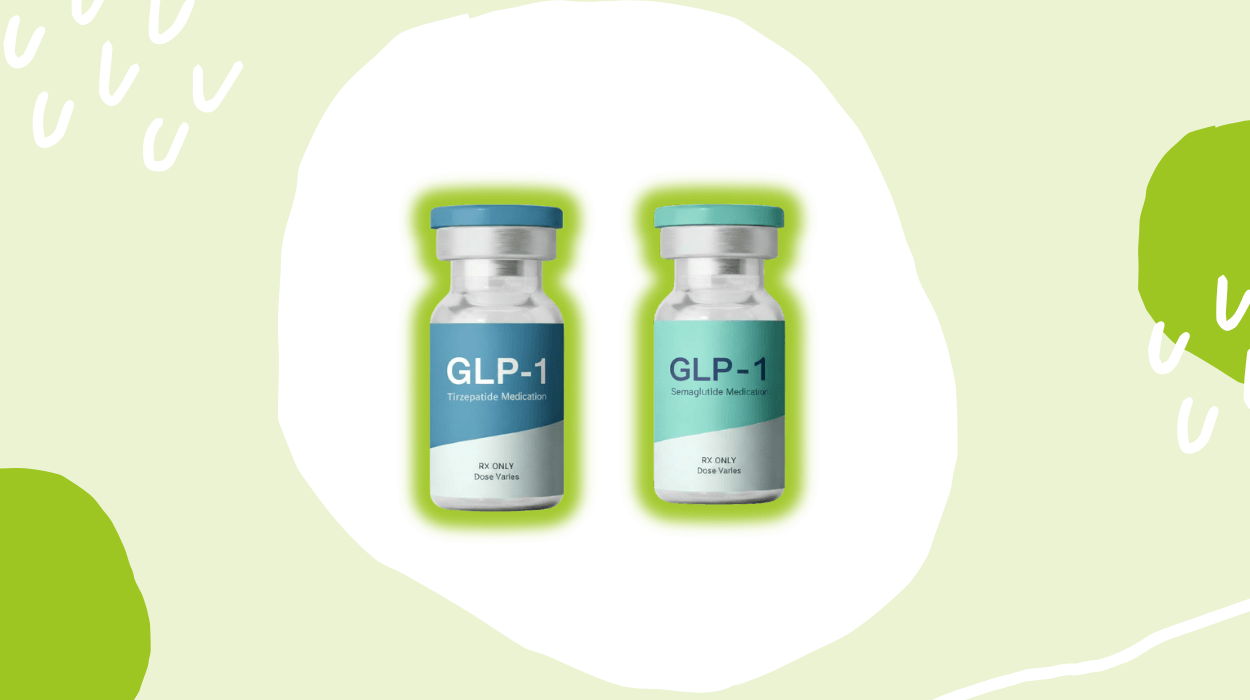

Sunlight focuses on medically supervised weight management through a remote care model. It also offers medical consultations, plan monitoring, medication management, progress tracking tools, and continued provider oversight as part of its care experience. The brand states that its services are designed to make structured weight-management support more accessible through consultations, personalized care plans, and follow-up care.
In this review, we'll take a closer look at its service offerings, care model, approach, and user experience. We'll also examine its potential limitations and consumer feedback to provide a balanced overview of what the brand offers and whether its programs may align with your goals and preferences.
Sunlight connects you with licensed healthcare professionals for personalized programs. The brand offers a streamlined digital experience that includes an eligibility assessment, professional evaluation, and plan approval when appropriate. It also supports medication fulfillment and continued guidance throughout the program.
The brand’s services are designed to simplify access to weight-management options while providing support at each stage of the process. It also highlights a care team that includes board-certified physicians with experience in weight, internal, and family medicine, along with long-term weight management.
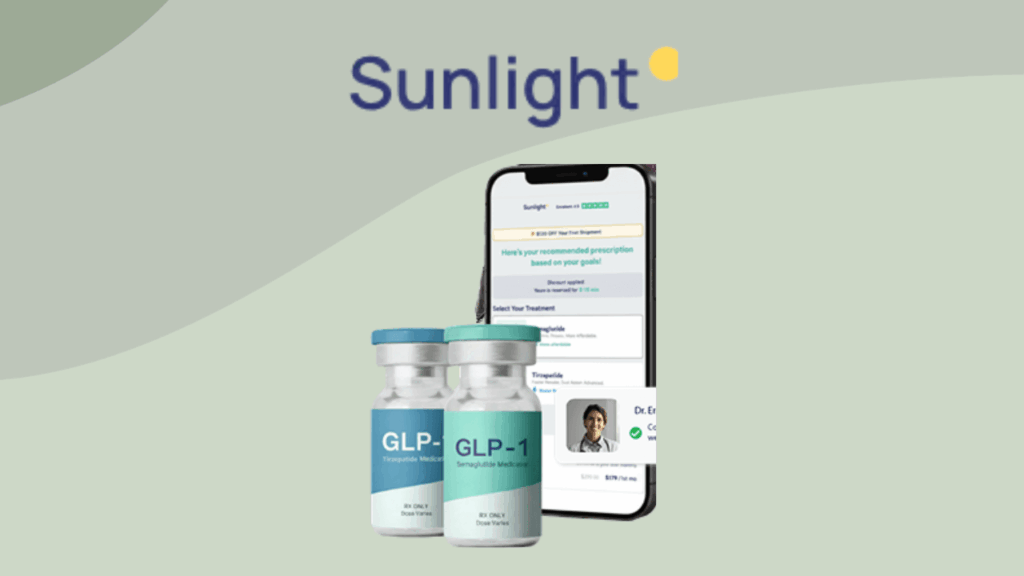
Sunlight supports weight management through a structured medical program that combines clinician oversight, prescription-based options, and ongoing follow-up support. The brand offers multiple plan pathways, allowing you to work with licensed healthcare providers to determine which option may be appropriate for your goals, lifestyle, and health history.
The plans offered through the program are designed to mimic naturally occurring hormones involved in appetite regulation and energy balance. These hormones help communicate feelings of fullness and satisfaction after eating. The plans may help reduce hunger, curb food cravings, and support more mindful eating habits by enhancing these signals. It makes it easier to maintain consistent dietary changes and reduce calorie intake.
Sunlight prescribes compounded semaglutide and compounded tirzepatide exclusively. If you're considering this program, that's the starting point you need to understand before anything else.
Compounded medications follow a different regulatory path than branded drugs. The FDA does not evaluate them for safety or manufacturing consistency before they reach you. It has also flagged concerns about dosing errors and adverse events linked to certain compounded GLP-1 products. These aren't reasons to rule out compounded medications outright, but they're details worth discussing with your doctor before you begin.
The brand doesn't offer FDA-approved options like Wegovy, Ozempic, Zepbound, or Mounjaro, so you won't be able to compare or switch between compounded and branded formulations within the program. If your doctor recommends a branded GLP-1 or you prefer the oversight that comes with FDA-reviewed manufacturing, this brand won't be able to accommodate that preference. If cost and accessibility are your primary considerations and you're comfortable with compounded formulations, the brand’s model may suit your needs. If FDA approval and manufacturer accountability factor heavily into how you evaluate a plan, you may find the program's limited options difficult to work around.
Mochi Health presents itself as a membership-based platform centered on personalized care, provider access, and ongoing lifestyle support. Sunlight, in comparison, focuses on providing access to weight-management plans through a simplified pricing structure that combines consultations, support, and a plan into a single package. While both brands emphasize individualized plans and clinician involvement, Mochi places greater emphasis on long-term provider relationships and coaching, whereas Sunlight focuses on plan accessibility and convenience.
One of the clearest differences between the two companies is their pricing model. Mochi Health highlights charging a monthly membership fee of $79, with a first-month rate of $39 for new members. The membership gives unlimited access to physicians and dietitians, nutrition coaching sessions, plan eligibility assessments, and customer support. Plan costs are separate from the membership fee, with additional monthly charges depending on the prescribed option. Sunlight does not use a membership structure. Instead, it advertises plan packages that include consultations, ongoing support, plan access, and shipping. Its pricing starts around $159 for one option and $239 for another.
The care models also reflect different priorities. Mochi combines both physicians and registered dietitians into its service structure. You can receive unlimited physician access, nutrition coaching sessions, and ongoing support from dietitians and nutrition professionals. The company highlights the ability to select a healthcare provider who aligns with your goals and schedule. Sunlight's support model is centered more heavily on clinician oversight and plan management. The platform advertises unlimited visits with licensed clinicians, ongoing support throughout the plan, and access to an expert team led by licensed physicians. While both brands provide personalized support, Mochi combines structured nutrition guidance into the core program, whereas Sunlight places greater emphasis on clinician-led plan oversight.
The onboarding process further illustrates these differences. Mochi follows a four-step process that begins with an eligibility questionnaire. It is followed by connecting with a healthcare provider, selecting a preferred pharmacy, and receiving ongoing support from physicians, dietitians, and nutrition professionals. The pharmacy selection component allows you to choose where prescriptions are fulfilled. In comparison, Sunlight follows a more streamlined process that starts with an online qualification quiz, proceeds to provider review and plan approval when appropriate, and then moves to fulfillment and continued support. Unlike Mochi, which combines provider and pharmacy selection into the process, Sunlight focuses on direct delivery and simplified enrollment.
Service breadth is another area where the brands diverge. Mochi extends beyond weight management into additional healthcare categories that include skincare, hair-growth support, pediatrics, pharmacy services, and broader provider care offerings. The company also provides you with a dedicated mobile application. However, Sunlight remains more narrowly focused on weight management and related health services. Most of its content, clinician profiles, and support materials are directly related to weight-management plans and long-term progress.
As per their official website, Mochi places greater emphasis on long-term care engagement and multidisciplinary support. Meanwhile, Sunlight focuses on streamlined plan delivery, bundled pricing, and focused clinical oversight.
RemedyMeds frames weight challenges as being influenced by factors such as persistent hunger, hormonal changes associated with pregnancy, perimenopause, and aging, as well as repeated cycles of losing and regaining weight. Sunlight takes a broader wellness-oriented approach, emphasizing accessibility, simplicity, and guided support.
The plan structures offered by the two companies reveal another significant distinction. RemedyMeds provides multiple pathways designed for different stages of the plan. New users can begin with a standard plan, while those seeking a different approach can choose alternative programs. The company also offers a dedicated microdose option that uses smaller amounts more frequently for people who are hesitant about starting a plan and allows progression into a full program later. In comparison, Sunlight presents a simpler plan selection process with two primary options and clear pricing tiers. Compared with RemedyMeds’ layered program structure, Sunlight keeps plan selection relatively streamlined.
Personalization is central to both brands, but RemedyMeds provides substantially more detail regarding how it is implemented. The company repeatedly emphasizes that the plan is matched to your body, goals, lifestyle, and stage of progress. It highlights clinician-guided adjustments, individualized planning, and regular modifications based on member progress. RemedyMeds specifically contrasts its approach with fixed or standardized models. However, Sunlight also promotes personalized care and states that clinicians customize plans based on individual needs, but it offers fewer specifics about how the plan evolves or how adjustments are managed throughout the program.
The two companies also take different approaches when discussing where their medications come from, although both operate under the same federal rules for compounded medications that are not FDA-approved.
RemedyMeds provides detailed information about its quality control process. The company says its medications come from licensed U.S. compounding pharmacies and that each batch is tested for potency, sterility, pH levels, and endotoxins. It also states that its pharmacy partners use pharmaceutical-grade ingredients and require prescriptions to be reviewed by licensed clinicians. However, certain advertising claims are questionable. Sunlight provides less information about its sourcing and manufacturing practices. The company says its medications are prepared in regulated facilities and that decisions are based on medical consultations and your health histories. However, it does not provide many details about batch testing, manufacturing procedures, or pharmacy quality standards. The company also advises you to discuss any questions about compounded medications with your doctor.
RemedyMeds presents itself as a highly structured, support-intensive program built around long-term engagement and extensive resources. Sunlight positions itself as a streamlined access platform focused on simplicity, affordability, physician-backed care, and a straightforward path from eligibility screening to plan delivery.
To evaluate Sunlight, we looked at several factors, including the company's available customer feedback, BBB profile, complaint history, and how the business responds when issues are raised.
At the time of writing, the brand is BBB accredited but does not have an official BBB rating. Customer reviews on the BBB profile indicate several recurring concerns. Common themes include billing disputes, unexpected charges, confusion surrounding renewals, delays in receiving products, technical issues during account setup, and difficulty reaching customer support. As these concerns appear across multiple reviews from different customers, they may point to broader operational challenges.
Complaint records provide additional context. While the total number of formal BBB complaints is relatively low, many of the complaints involve issues similar to those raised in customer reviews, particularly around billing practices, order processing, and subscription-related misunderstandings. On the positive side, the company responded to the complaints that were published and, in several cases, issued refunds or worked toward a resolution.
Based on the observation, our overall impression of Sunlight is mixed. The company demonstrates a willingness to offer support in certain situations, which reflects some level of accountability. However, the consistency of customer concerns raises questions about the customer experience. The brand may benefit from further operational refinement and greater transparency, and prospective customers may want to carefully review pricing, renewal terms, and cancellation policies before signing up.
We analyzed Sunlight through its Trustpilot reviews, where the brand has received a 4.3-star rating from more than 100 reviews. Many customers describe the onboarding process as simple, appointments as convenient, and interactions with clinicians as professional and supportive. Users frequently mention responsive providers, helpful explanations, timely follow-ups, and an experience that feels accessible for people seeking remote healthcare services.
We also considered customer experiences related to communication and ongoing care. Many users praised the ability to reach providers, receive refill reminders, ask questions, and obtain guidance throughout their journey. Several customers highlighted the responsiveness of care coaches and clinicians, noting that they felt heard and respected during consultations.
Customer-reported outcomes provide a more nuanced picture. While numerous users reported meaningful progress and satisfaction with their experience, others expressed disappointment with slower-than-expected results or limited progress after several weeks.
Another important factor in our evaluation was how the company handled negative feedback. Several customers raised concerns about cancellations, refunds, unexpected charges, order fulfillment issues, and pricing confusion. These complaints are noteworthy because similar concerns appeared across multiple reviews. However, it publicly responded to many of these cases, often providing explanations, investigating issues, or confirming that refunds had been processed. Pricing transparency also emerged as a recurring topic. Some customers felt certain costs were not fully understood before enrollment, while others questioned the overall value of the program relative to their results. Although the company frequently responded with clarifications regarding its pricing structure, repeated questions about fees indicate that clearer communication during the enrollment process could help reduce confusion and improve customer confidence.
Based on our perspective, Sunlight appears to have successfully built a customer-facing experience that resonates with a large portion of its user base, but it is still in the process of proving the consistency of its operations as it scales. The brand currently presents a balance of demonstrated strengths and areas that still warrant careful consideration before committing to a long-term program.
Sunlight aims to simplify the care process and manage eligible plans from home. Its digital-first approach aligns with broader healthcare trends that seek to improve accessibility and reduce logistical barriers associated with traditional office visits.
However, certain limitations are worth considering. The company offers limited publicly available data, making it more difficult to independently assess long-term effectiveness, user satisfaction, and program performance.
Before considering the platform, you should carefully review the total cost of participation, including consultation fees, medication expenses, subscription commitments, and any additional service charges that may apply over time. It may also be helpful to understand how follow-up appointments are managed, what options are available if your plan changes, and whether provider availability varies based on your location.
As clinical decisions are largely based on the information you submit during the evaluation process, providing accurate and complete fitness information is essential. Considering these factors alongside convenience, provider access model, and reported operational limitations can help you determine whether its approach aligns with your healthcare needs and expectations.

Contact us at [email protected] or follow @leafsnap on Twitter! View our Privacy Policy.