

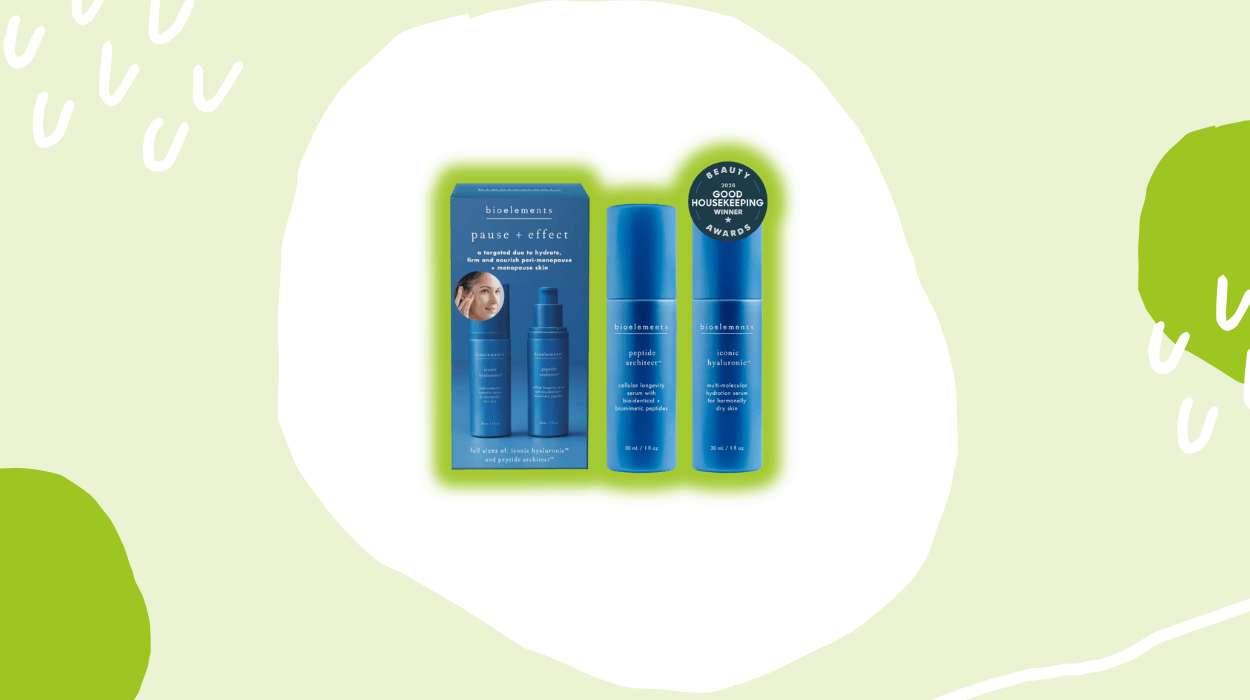

Bioelements creates products for both spa and at-home care, with a strong focus on personalized skincare.
The brand offers cleansers, toners, serums, moisturizers, masks, sunscreens, and exfoliators. It also provides professional formulas and customizable add-ons for spa use. The brand focuses on common skin concerns such as dehydration, breakouts, uneven texture, fine lines, and sensitivity.
In this review, we take a closer look at the brand’s core products and compare them with similar brands. We also evaluate its key strengths, along with a few potential limitations.
Bioelements was founded in 1991 by Barbara Salomone. The brand combines lab-developed actives with natural ingredients to create clinical-grade formulas.
Its product lineup includes Firmwear, Iconic Hyaluronic, Peptide Architect, Daily Meds, Pore Thing, and Spot Defy. The formulas often feature ingredients such as retinol, peptides, antioxidants, essential oils, and plant extracts. These ingredients help boost hydration, support the skin barrier, smooth texture, and promote a more balanced complexion.
The company states that its products are free from parabens, phthalates, mineral oil, petrolatum, synthetic fragrance, dyes, and benzoyl peroxide. It also highlights responsible testing practices, including clinical and dermatologist testing, while maintaining a cruelty-free stance.
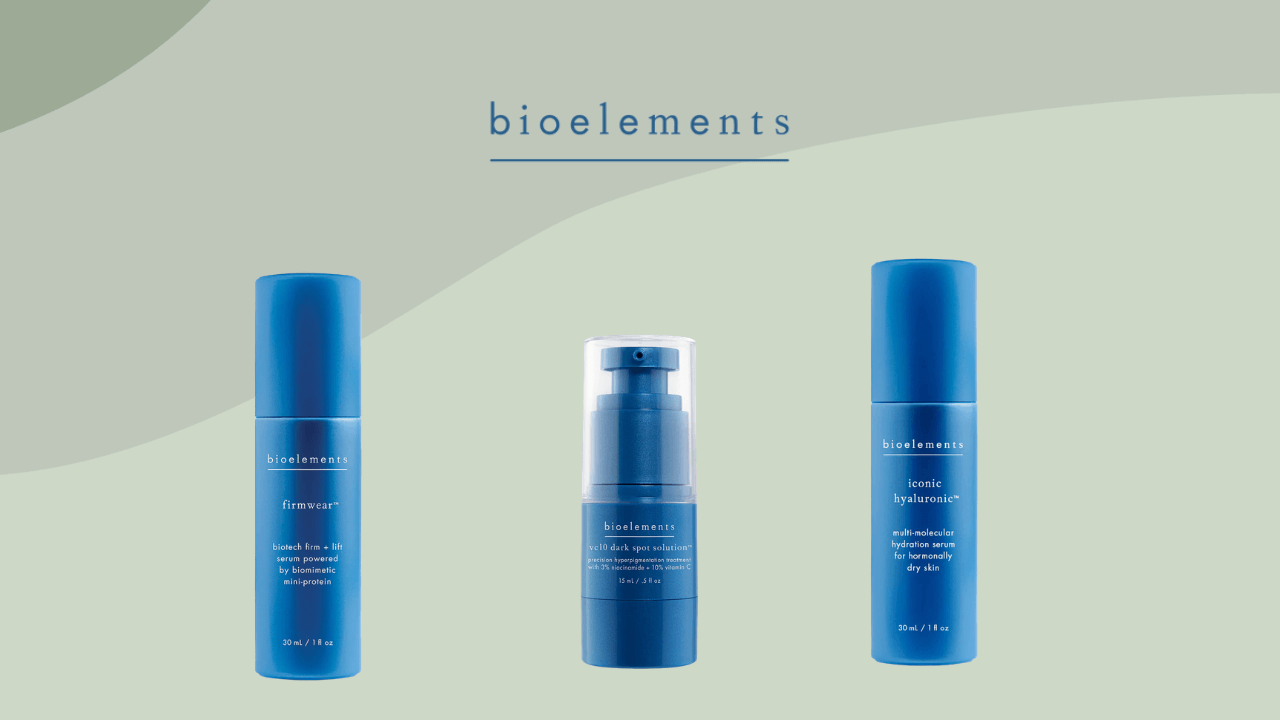
Firmwear may support the appearance of firmer, smoother skin while addressing visible signs of aging, such as fine lines and reduced elasticity.
The product includes an oligopeptide, which interacts with growth factor receptors and is included to support collagen, elastin, and hyaluronic acid production. This ingredient is presented as contributing to improved skin structure and a potential reduction in the appearance of expression lines. A retinopeptide is also part of the formula and is described as offering retinoic acid-like activity, supporting collagen synthesis and cell turnover.
Bakuchiol is included as a plant-derived compound sourced from the babchi plant as a retinol alternative with antioxidant activity. It may contribute to improved skin elasticity, a more even-looking tone, and a reduction in visible fine lines.
The formulators also include cica exosomes, which are bioactive plant-derived vesicles that support calming and barrier repair. This component is presented as helping reduce the appearance of redness and supporting skin resilience.
Iconic Hyaluronic may support hydration, skin firmness, and improved texture while addressing changes linked to reduced moisture retention.
The formulation includes a combination of poria cocos polysaccharide and gluconolactone. These ingredients target dermal structures affected by hormonal shifts while contributing to hydration and a smoother surface texture. A multi-form hyaluronic acid complex is also included, which may influence elasticity and the appearance of fine lines.
The product also consists of minerals such as copper, zinc, and magnesium, along with amino acids and gluconic acid. These minerals are added to potentially support cellular energy processes and help maintain a smoother skin appearance while addressing oxidative stress.
Peel Breaker might target clogged pores, uneven texture, and breakouts through a combination of exfoliating acids and plant-derived extracts.
The makers have added salicylic acid as a beta hydroxy acid that works within oil-rich areas to break down buildup and clear congestion. Gluconolactone is also included as a polyhydroxy acid, which may loosen surface debris and smooth rough texture with a more gradual exfoliating action.
Aloe barbadensis leaf juice is part of the base to support skin comfort by calming visible redness. The formulators also include thyme extract, which targets excess sebum, along with hibiscus extract, which may contribute to maintaining moisture levels on the skin surface.
Vc10 Dark Spot Solution may support a more even-looking skin tone while reducing dark spots and discoloration. The product could address hyperpigmentation, uneven texture, and visible dullness through a combination of vitamin C derivatives and pigment-focused actives.
The formulation centers on a vitamin C system, combining sodium ascorbyl phosphate, ascorbyl glucoside, and lactobacillus/acerola cherry ferment. These components are positioned as working across different stability and release profiles to target melanin, support collagen performance, and improve radiance.
Niacinamide is also included to target uneven pigmentation, including post-inflammatory discoloration and melasma, while supporting a more balanced skin tone. Tranexamic acid is part of the formulation and is described as acting on melanin production pathways, contributing to a reduction in visible dark spots and brightness.
The product also contains phenylethyl resorcinol derived from compounds found in pine trees. This ingredient may improve uneven tone and reduce the appearance of UV-related pigmentation.
Peptide Architect addresses visible signs of aging linked to collagen loss. The product could reinforce the skin barrier and improve structure through a combination of peptides, oils, and mineral-based complexes.
The product combines plant oils such as rice bran, rapeseed, linseed, and sunflower. These oils provide essential fatty acids and antioxidant support to help maintain the skin barrier, retain moisture, and reduce sensitivity while protecting against environmental stress.
A peptide complex featuring trifluoroacetyl tripeptide-2 is included to target collagen loss associated with hormonal changes. Sr-hydrozoan polypeptide-1is also part of the formula as a bioidentical marine collagen peptide that contributes to improved firmness, elasticity, and hydration.
Pore Thing may support clearer-looking skin by addressing clogged pores, excess oil, and uneven texture.
The formulation includes salicylic acid to break down oil and debris that contribute to congestion. Azelaic acid is also included, which may help dissolve the bonds of dead skin cells, contributing to a smoother surface and reduced buildup.
Apple fruit extract is part of the formula and is presented as a hydration-supporting complex. It may contribute to a more plump and dewy appearance. Green tea leaf extract in the product may provide antioxidant support while helping calm and strengthen the skin.
Daily Meds targets breakouts, clogged pores, and uneven texture through a combination of exfoliating acids and skin-conditioning ingredients.
The formulation includes salicylic acid and glycolic acid. These ingredients are added to potentially exfoliate the skin’s outer layer and reduce the appearance of dark spots.
Lactic acid is part of the formula to provide a more gradual exfoliating effect while also contributing to hydration, which may support a more balanced skin surface. Niacinamide is included as a vitamin B3 derivative and is positioned as helping improve the appearance of uneven tone, enlarged pores, and visible dullness while supporting skin resilience.
Spot Defy may target active breakouts while helping reduce excess oil and visible inflammation. It could clear blemishes and support a more balanced skin surface through a combination of sulfur, clays, and supportive ingredients.
The formulation includes colloidal sulfur, which may absorb sebum, clear pores, and limit the causes that allow acne to persist. Bentonite and kaolin are also included as clay components that form a barrier over the skin, drawing out impurities while keeping the layer in place on targeted areas.
The makers have also added centella asiatica extract to support skin balance and strength, while hibiscus flower extract contributes to maintaining moisture levels.
Bioelements has operated as an esthetician-founded brand since 1991, and its origin is tied to founder Barbara Salomone, described by the company as one of the first U.S. licensed estheticians in 1978.
The brand maintains a dual structure of at-home products and professional-use-only formulas for treatment rooms, and it explicitly supports in-spa customization through Custom Blend formulas that an esthetician can add during facials based on redness, dehydration, lines, age, environment, and stress level.
Bioelements extends that professional framework beyond a few isolated services. The site includes a spa locator, a dedicated professional platform, treatment categories such as chemical peels and acne protocols, and multiple concern-based collections that mirror treatment-room logic, including Sensitive Skin + Barrier Repair and Peri + Menopausal Skin.
The framework also includes SkinReading®, which is the brand’s proprietary skin-analysis method used by estheticians before treatment selection. It evaluates multiple visible and environmental skin factors before determining facial protocols, product layering, and customization steps. You may find this useful as you can manage facials and home skincare under one brand.
Bioelements structures its formulation standards around a Clean Science framework that excludes multiple ingredient categories commonly associated with irritation, occlusion, or cosmetic filler use. The brand states that its formulas are free from phthalates, mineral oil, petrolatum, parabens, benzoyl peroxide, synthetic fragrance/perfume, and artificial dyes or colorants. It pairs these exclusion standards with packaging and ingredient systems designed around stability and ingredient visibility.
The brand highlights the use of airless tubes and pinpoint droppers to help reduce oxidation and maintain active-ingredient potency. It groups products around actives such as ceramides, niacinamide, peptides, hyaluronic acid, squalane, alpha-arbutin, acetyl hexapeptide-8, and vitamin C. This creates more ingredient-level transparency and easier active-based product navigation, especially if you have highly reactive skin that is sensitive to added fragrance, colorants, or heavier petroleum-derived bases. You can also scan the centralized ingredient glossary for actives such as alpha-arbutin, acetyl hexapeptide-8, aloe vera, or ceramides before building a routine.
Bioelements states that all formulas undergo foundational safety and stability testing, including human repeat insult patch testing, microbial challenge testing, pH testing, viscosity checks, and organoleptic evaluation. The brand also says it works with independent consumer research firms for perception testing, accredited clinical labs for before-and-after evaluations, and practicing estheticians for treatment-room validation. The brand also notes that certain formulas are regulated OTC products, including RayDefense, SPF 50 FaceScreen, daily meds, and spot defy, which adds another layer of compliance and testing requirements. This may be helpful in terms of understanding the brand’s approach to safety, sensory perception, and claims across its formulas. You still need to review the details behind individual product studies or claims.
Bioelements relies primarily on internal standards, self-disclosure, and brand-authored validation materials. It does not currently display several major external certifications commonly used in the clinical skincare, clean beauty, or sustainability sectors.
The brand does not appear to hold Leaping Bunny or PETA Beauty Without Bunnies certification, despite stating that it does not test on animals. Its positioning is also not externally verified through COSMOS, ECOCERT, USDA Organic, MADE SAFE, or EWG Verified standards.
The company does not publicly present B Corp certification or packaging-focused environmental certifications such as Cradle to Cradle or Plastic Neutral. External verification layers remain limited compared with brands that prominently use third-party seals as part of their trust infrastructure. You may need to spend more time reviewing the brand’s own policies and deciding whether internal documentation is enough for your standards.
SkinMedica and Bioelements take different approaches to how skincare is developed, presented, and combined into routines. As per its official website, SkinMedica centers its formulations on growth factors, described as naturally occurring proteins that maintain firmness and aid in repair and recovery, particularly as these decline with age. Its portfolio builds around this concept with products like HA⁵ Hydra Collagen Hydrator, Vitamin C+E Complex, and TNS Eye Repair. Bioelements, in comparison, distributes its formulation strategy across a wider ingredient system, combining peptides, retinol and bakuchiol, niacinamide, ceramides, and botanicals like aloe and green tea. It also highlights ingredients such as silver ear mushroom and squalane, reflecting a broader mix of biotech-derived and naturally sourced components.
The difference is also evident in how each brand structures its product categories and priorities. SkinMedica organizes its offerings around targeted concerns such as fine lines, wrinkles, elasticity, and photodamage. It highlights defined categories like growth factors, moisturizers, and antioxidants. The brand’s lineup includes products such as Neck Correct cream for the neck and décolleté and Essential Defense Mineral Shield SPF 35, supporting a focused routine. Meanwhile, Bioelements presents a more expansive categorization, covering Acne + Pore Activists, Sensitive Skin + Barrier Repair, and Problem Solvers. It also segments products by ingredients and concerns such as dehydration, flakiness, dark circles, and post-acne dark spots.
Personalization tools further highlight the contrast in user experience. SkinMedica introduces an AI-driven SkinMedica Method that evaluates nine parameters, including spots, wrinkles, moisture, redness, oiliness, texture, acne, dark circles, and eye bags. The process requires users to capture a well-lit image of their face without makeup, after which the system generates a structured routine. In comparison, Bioelements takes a more guided and accessible approach through quizzes such as Acne + Pores, Face Mask, Exfoliator, and routine-building tools. This helps you identify suitable products without relying on image-based analysis.
As per their official website, SkinMedica maintains a tightly structured, clinically oriented approach built around growth factor research and targeted anti-aging outcomes. Bioelements, while still combining biotechnology, expands its scope through a wider ingredient range and options that address both aging and routine skin concerns.
Dermalogica builds its personalization using its AI-powered Face Mapping tool to evaluate oiliness, dehydration, dark circles, and pigmentation through either a selfie or a detailed quiz. This process connects directly to targeted product recommendations and can be supported by guidance from trained skin therapists within its professional network. In comparison, Bioelements relies on structured quizzes such as Acne + Pores Quiz, Face Mask Quiz, Exfoliator Quiz, and Level Up Quiz to help you identify suitable products. These quizzes focus on concerns like clogged pores, exfoliation type, or routine gaps, but they do not include image-based diagnostics or adaptive analysis, keeping the experience more selection-based.
Dermalogica places strong emphasis on advanced formulations with products like the Phyto Nature E2 regenerating daily exosome leave-on formula, designed around skin renewal and resurfacing. Supporting formulations include Dynamic Skin Retinol Serum for retexturizing and Circular Hydration Serum with hyaluronic acid for deep hydration. Meanwhile, Bioelements focuses on well-established ingredient categories with clearer functional roles, such as vitamin C in the vc10 range. These products target concerns like discoloration, dullness, and hydration, but the brand does not emphasize quantified clinical claims or highlight newer biotech-driven actives.
Product positioning further reflects this contrast. Dermalogica presents many formulas as multi-benefit options that fit into layered routines. It states that its Dynamic Skin Recovery SPF50 combines hydration with anti-aging support, and Special Cleansing Gel acts as a foundational step to remove impurities before the procedure. The brand also promotes bundled systems such as the Double Cleanse Set and curated kits like the A Good Night’s Rest set, designed for day-to-night renewal. However, Bioelements takes a more segmented approach where each product addresses a specific concern. Examples include Pore Thing for congestion, Spot Defy for blemish control, and Peel Breaker for exfoliation-related needs. Hydration is divided across options such as Crucial Moisture and Beyond Hydration, allowing you to choose based on texture and intensity.
Dermalogica promotes structured, step-by-step routines supported by diagnostic tools and professional input, encouraging consistent layering of products. Bioelements supports a more flexible and customizable approach where you build your routine based on specific concerns.
We assessed Bioelements’s credibility by reviewing its presence on consumer feedback platforms such as the Better Business Bureau and Trustpilot. We found no meaningful presence for the brand across these platforms. While Bioelements is listed on the BBB, it does not have a rating or complaint history available.
This limited visibility across established review channels reduces access to consolidated ratings, complaint records, and documented customer experiences, making independent third-party validation more difficult. Based on this evaluation, the relatively small volume of publicly available reviews and limited platform presence make it challenging to form a broader assessment of the brand’s credibility.
To evaluate the real user experiences of Bioelements, we reviewed customer feedback and ratings on Amazon for some of its key products. Peel Breaker, which holds a 4.5 out of 5 rating from 10+ reviews, is generally described positively for its exfoliating feel and ease of use within skincare routines. Some users mention improvements in skin texture without the formula feeling overly harsh, although one review notes that visible effects may take several days to appear.
Peptide Architect, rated 4.9 out of 5 from 10+ global ratings, receives mostly favorable feedback. Users often describe the product as lightweight and comfortable to apply, with some reporting gradual improvements in skin smoothness and hydration.
For Pore Thing, which holds a 4.2 out of 5 rating from 10+ global ratings, feedback is somewhat more mixed. One user appreciated the cleansing feel and mentioned it benefited her oily and congested skin.
Customer feedback on the brand’s products, such as Peel Breaker, Peptide Architect, and Pore Thing, mainly discusses experiences related to exfoliation, hydration, skin texture, and cleansing effects. Reviews suggest that people noticed different outcomes depending on their skin type, routine, and consistency of use.
Bioelements emphasizes formula exclusion standards and combines exfoliating acids and antioxidants in its formulas, which are associated with surface-level skin renewal and tone balance.
However, this approach primarily depends on practitioner-led guidance, which may not translate consistently in self-directed use. The brand also maintains a limited third-party certification footprint, which reduces externally verified validation of its formulation or sourcing standards.
Its procedure-oriented range may require careful product selection and layering to avoid overlap between similar functions, especially when combining exfoliating or resurfacing products within the same routine.
Variations in product intensity across the range may also require adjustment in frequency of use to maintain skin tolerance. The brand’s structure supports targeted routines, but the lack of external certification and reliance on guided use remain key considerations.

Contact us at [email protected] or follow @leafsnap on Twitter! View our Privacy Policy.