

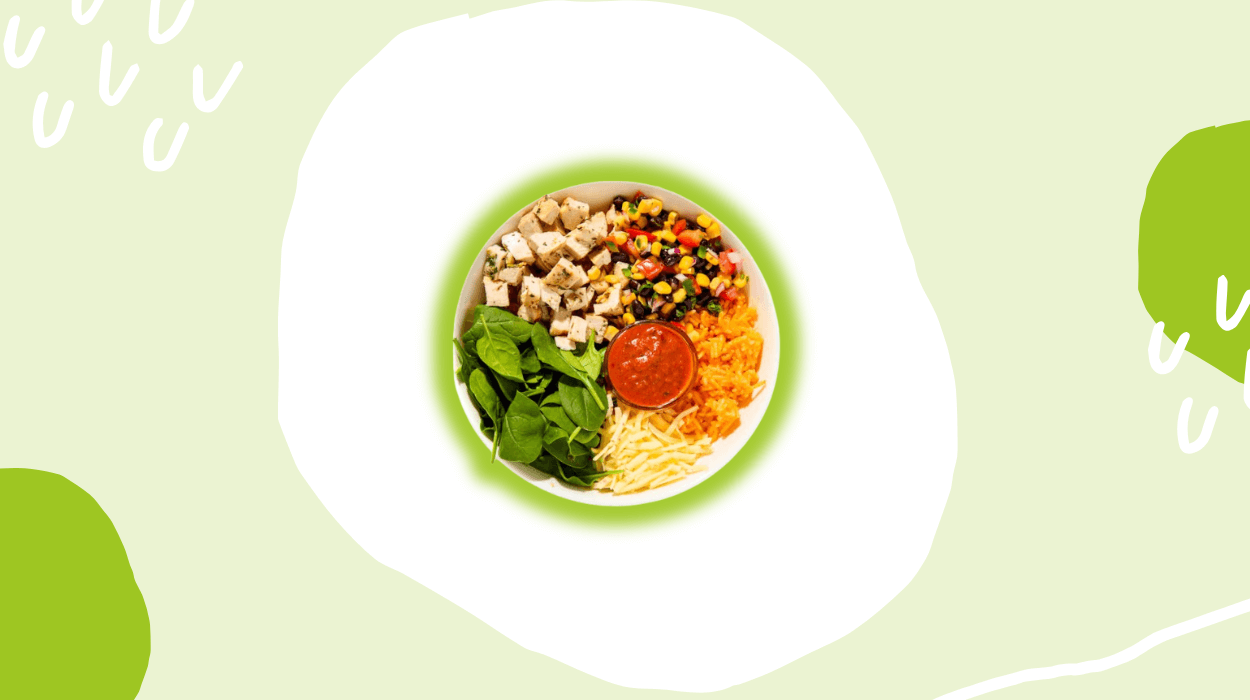

CookUnity connects you with dishes created by chefs in regional kitchens. The service functions like a curated culinary marketplace, where you can explore meals that are delivered fresh on a weekly basis.
The brand claims to support the convenience of ready-to-eat meals. It states that this can help manage common barriers such as limited time, repetitive recipes, and the effort required for grocery shopping and food preparation.
This review will examine CookUnity’s model, menu diversity, and pricing structure. It will also evaluate the platform’s strengths and limitations to determine how it compares with other similar services in the food market.
CookUnity is a U.S.-based ready-to-eat meal delivery service that partners with professional chefs who each design their own dishes. It manages preparation, logistics, and delivery through regional kitchens. The menu includes various cuisines and dish styles, often resembling restaurant-style entrées rather than standardized diet meals. The brand provides filters to help you select meals based on dietary preferences, which helps narrow the menu while still choosing from multiple chefs and cuisines.
Some of the participating chefs have restaurant backgrounds or culinary recognition, including experience with Michelin-recognized restaurants or James Beard–associated chefs. The company’s menu focuses on culinary variety and chef-designed recipes. This can give you a larger range of cuisines but could also lead to differences in calorie levels, portion sizes, and nutritional structure depending on the specific meal selected.
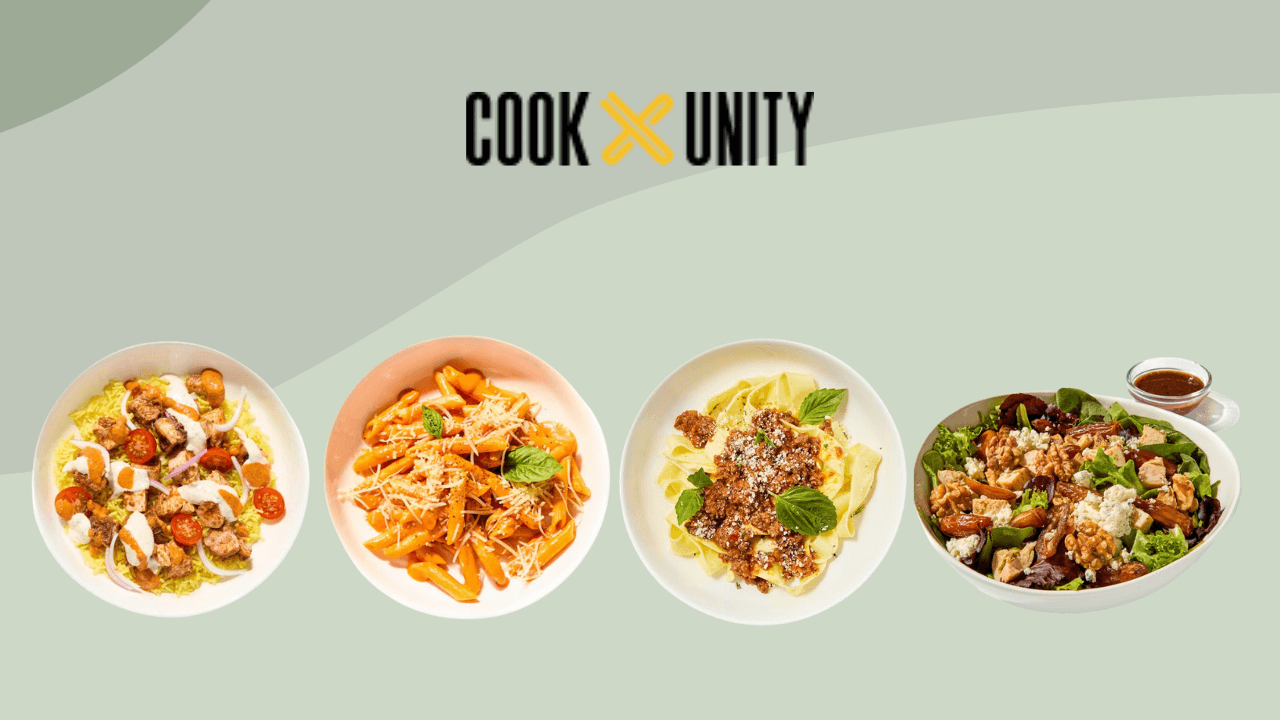
CookUnity structures its service around a weekly subscription meal plan model designed for convenience and dietary flexibility. You choose a plan based on how many meals you want delivered each week, typically ranging from 4 to 16 ready-to-eat meals. It claims to deliver fully cooked, refrigerated meals that only require reheating. It has a rotating menu that can include 300 or more dishes created by over 100 professional chefs.
CookUnity’s menu is composed of dishes developed by individual chefs. This structure expands culinary diversity across cuisines and macronutrient profiles, offering a broader range of meal styles. Higher food variety can support long-term dietary adherence, as repetitive meal patterns might lead to reduced satisfaction and lower compliance with structured eating plans.
You can filter menu items by dietary patterns such as Mediterranean, keto, vegan, paleo, low-carbohydrate, gluten-free, low-calorie, or low-sodium. For instance, Mediterranean-style diets emphasize vegetables, whole grains, olive oil, and seafood and are widely associated in epidemiological research with improved cardiovascular and metabolic health. Low-carbohydrate or ketogenic approaches reduce carbohydrate intake and promote greater fat oxidation.
Meals can also be browsed by category, including seafood, vegetarian, beef, poultry, or vegan options, and by nutrition preferences such as under 600 calories, low carb, gluten-free, dairy-free, keto, paleo, or low sodium. CookUnity’s chef-driven menus provide these options in a ready-to-eat format that supports convenience.
CookUnity emphasizes menu variety as a central part of its service model. You can choose from up to 400+ meals each week, depending on location and availability. This wide selection is supported by the company’s chef-to-consumer marketplace, where 180+ professional chefs create rotating recipes for the weekly lineup. Many of these chefs come from Michelin-recognized restaurants, James Beard–associated kitchens, and television cooking programs. Featured chefs include Einat Admony, Akhtar Nawab, and John DeLucie, whose dishes highlight the platform’s culinary range. Examples include Beef Tinga Tacos with traditional Mexican spices, Rigatoni Cacio e Pepe, Jamdown Jerk Chicken Thighs with Coconut Rice and Plantains, and Penne with Spicy Pink Sauce and Grana Padano. The broad, constantly rotating catalog can help reduce menu fatigue while allowing you to explore a wide range of chef-designed dishes and cuisines.
CookUnity operates through a decentralized production system, with meals prepared in regional kitchens across several U.S. cities. The company lists operational kitchens in markets such as New York City, Los Angeles, Chicago, Austin, Seattle, Atlanta, and Miami. Within this structure, independent chefs cook their signature recipes in professional kitchens. Meals are cooked, chilled for transport, and delivered fresh rather than frozen. Preparing meals near the delivery region can help maintain freshness by reducing transit time. The decentralized approach also supports a chef-partnership model, where different chefs contribute their own recipes and culinary styles.
CookUnity offers extensive dietary filtering and personalization tools to support a variety of eating patterns and nutritional preferences. In the Browse Menu section, meals can be sorted by dietary categories such as keto, vegan, vegetarian, pescatarian, Paleo, and Mediterranean-style diets. Additional filters can also allow you to select meals based on primary protein sources, including beef, chicken, fish, shellfish, or plant-based options. Ingredient and nutrition filters include dairy-free, gluten-free, nut-free, soy-free, low-carb, low-sugar, high-protein, low-fat, low-sodium, and meals under 600 calories. A dedicated filter also identifies spicy dishes. These tools may help narrow the menu to meals that align with specific dietary goals or ingredient restrictions.
CookUnity also provides a Taste Profile setup where you can select styles such as vegetarian, vegan, pescatarian, flexitarian, or omnivore and flag allergens like tree nuts, milk, or soybeans. Meals that don’t fully match preferences may display a warning indicator for review. The brand organizes meals into 20+ dietary categories drawn from its large rotating weekly menu.
CookUnity outlines several initiatives aimed at reducing environmental impact across packaging, sourcing, and food waste management. One example is the Returnable Packaging Program, available in select cities including New York City, Los Angeles, Miami, Chicago, and Seattle. Through a partnership with Dispatch Goods, insulated delivery bags and ice packs can be collected after delivery, cleaned at a facility, and reused for future orders, reducing reliance on single-use packaging.
The company also offers a Green Eating Line, a curated set of meals developed with verification support from Planet FWD using life cycle assessment (LCA) methods. These meals aim to stay below roughly 1.9 kg of CO₂ equivalent per meal by emphasizing lower-emission ingredients and limiting higher-impact items.
CookUnity states that meals are prepared based on confirmed orders, which may help reduce food waste. Surplus food is said to be redistributed through Rethink Food community programs rather than being discarded. The company also references sourcing partnerships with producers such as Satur Farms, Secret Island Salmon, Wild Edibles, Lancaster Farm Fresh Co-op, and AC Natural as part of its broader sustainability framework.
CookUnity delivers meals fresh, which introduces logistical sensitivity. Because meals are not frozen, delays, high ambient temperatures, or insufficient cooling materials can increase the risk of packages arriving warmer than recommended refrigeration levels.
User discussions on consumer forums, including posts in Reddit, describe cases where larger deliveries containing 4–16 meals arrived with partially thawed ice packs or internal temperatures above recommended food-safety refrigeration thresholds. In one example, a customer reported a 16-meal delivery measuring approximately 47°F immediately on arrival, with only two thin ice packs included in the insulated packaging.
Since widely referenced food safety guidance recommends keeping refrigerated foods around 40°F (4°C) or below, temperatures above this level can raise concerns about whether meals remained safely chilled during transit. These reports suggest that larger boxes or deliveries in hotter climates may experience greater cooling challenges if packaging configurations remain standardized across different order sizes.
Factor and CookUnity both operate in the ready-to-eat meal delivery market, offering fully cooked meals that require only reheating. The main difference between these services is based on how meals are created. Factor uses a centralized model in which chefs work with registered dietitians to design meals according to specific nutrition guidelines. Recipes are standardized and produced through the company’s production system. CookUnity operates as a chef marketplace. More than 100 professional chefs contribute their own recipes, and meals are produced in regional kitchens.
Factor typically offers about 100+ rotating meals per week. Its menu is organized around high-protein meals, calorie-smart meals, keto meals with about 15 grams of net carbs or fewer, carb-conscious meals, and fiber-filled meals. CookUnity offers a larger selection, often several rotating dishes created by different chefs. The menu includes extensive options for cuisines and restaurant-style meals such as pappardelle with beef ragù, chicken shawarma rice bowls, pan-seared Cajun salmon, pork al pastor grain bowls, sesame-ginger tofu poke bowls, and pepperoni naan pizza with hot honey.
The services also differ in their approach to nutrition. Factor places strong emphasis on structured nutrition and macro balance. Meals are typically built around protein, vegetables, and carbohydrates or healthy fats, and nutrition details and ingredient lists are clearly provided. CookUnity provides nutrition information, and you can select meals based on Mediterranean, keto, vegan, paleo, low-carb, low-calorie, gluten-free, and low-sodium diets.
Pricing is broadly similar for both services. Factor meals usually range from about $11 to $15 per meal, depending on the plan size, with shipping fees of around $10 to $12 per box. CookUnity meals generally fall within a similar range, often about $10 to $15 per meal, depending on meals ordered per week.
Both services provide mobile apps and online platforms to manage subscriptions and orders. The Factor app allows you to choose meals, adjust delivery schedules, change plan sizes, and view detailed ingredient lists and macro information. You can also set nutrition preferences such as keto, calorie-smart, or high-protein to match the menu with your fitness goals. CookUnity’s app allows you to browse chef menus, explore cuisines, select weekly meals, and manage deliveries. While both apps support ordering and subscription management, Factor’s interface focuses more on nutrition planning, while CookUnity emphasizes meal discovery and chef selection.
Factor also provides one-on-one nutrition coaching. You can schedule a free session with a registered dietitian, usually lasting about twenty minutes, to discuss topics such as meal selection, nutrition planning, or weight management. CookUnity does not provide dietitian coaching and instead focuses on connecting customers with chef-created meals.
Both companies describe sustainability efforts, but their approaches are different. Factor reports using 100% renewable electricity in its production sites and offices and offsetting delivery emissions. CookUnity focuses on reducing packaging waste and food waste. In several cities, it operates a reusable insulated packaging program in which delivery bags and ice packs can be collected and reused.
Packaging and freshness systems differ slightly as well. Factor ships meals in insulated boxes with ice packs to keep food cold during delivery. CookUnity uses modified atmosphere packaging designed to keep meals fresh in the refrigerator for about four to seven days, and in some areas uses reusable delivery bags.
Both services provide convenient access to ready-to-eat meals delivered to the home. Factor organizes its meals around structured nutrition guidelines, dietitian involvement, and wellness-focused features such as macro-based meal categories and nutrition coaching. CookUnity focuses on chef-driven meals, offering a larger variety of cuisines and dishes created by independent chefs.
FlexPro Meals functions as a traditional prepared meal company that designs and produces its own menu in centralized kitchens. Its service focuses on macro-balanced, high-protein meals intended for convenience and fitness-oriented eating. It has a different business model, menu structure, and culinary priorities compared to CookUnity.
CookUnity operates more as a chef marketplace platform where independent chefs create recipes while the company manages production in regional kitchens and handles ordering, delivery, and logistics.
The workflow of the two services is similar at a basic level but differs in emphasis. FlexPro Meals allows you to select meals from a rotating weekly menu, typically containing a few dozen options. After ordering, meals are prepared, packaged, and shipped chilled to your home. You can also store them in the refrigerator or freezer and reheat them in a microwave or oven when ready to eat. CookUnity follows a subscription model where you select a weekly plan, usually between four and sixteen meals, and then choose dishes from a larger catalog created by multiple chefs. Meals arrive refrigerated in insulated packaging and typically stay fresh for four to seven days. Both services allow you to pause deliveries, skip weeks, or adjust meal selections through your online accounts.
FlexPro Meals menu includes familiar, protein-focused meals such as chicken pasta, burrito bowls, steak and eggs, jambalaya, sesame chicken, and similar comfort-style dishes designed around balanced macros. CookUnity offers a much larger menu because multiple chefs contribute to the platform. Depending on location, you may see hundreds of rotating dishes that span a wide range of cuisines, including Mediterranean, Latin American, Asian, and modern American recipes. Examples can include beef ragù pasta, Cajun salmon bowls, chicken shawarma plates, tofu poke bowls, or grain bowls.
Their nutritional philosophies also differ. FlexPro Meals emphasizes macro-balanced nutrition with relatively high protein content, typically around 30 to 50 grams per meal. Many dishes fall in a calorie range of roughly 310 to 730 calories, which aligns with common meal-prep guidelines used in fitness and weight-management diets. CookUnity does not enforce a standardized macro structure across its menu. Some meals are lighter while others may contain higher calorie counts similar to restaurant portions. Both services provide nutrition labels and ingredient lists, but FlexPro focuses more on consistent macro balance while CookUnity prioritizes culinary diversity.
Dietary options are available on both platforms, but organized differently. FlexPro Meals categorizes dishes around general fitness goals such as muscle building, weight management, or balanced energy meals, with most dishes centered on lean protein, vegetables, and moderate carbohydrates. CookUnity provides a wider set of dietary filters that allow you to discover meals based on preferences such as vegan, keto, paleo, Mediterranean, gluten-free, dairy-free, low-carb, or high-protein. As many chefs contribute to the platform, the range of dietary styles tends to be broader.
The two services also differ in their product ecosystems. FlexPro Meals extends beyond main meals by offering additional products, such as a protein bakery that includes items like protein cookies, cheesecake desserts, and other high-protein treats sold in multipacks. These products could complement the company’s fitness-oriented meal plans. CookUnity primarily focuses on prepared entrées and typically does not offer an extensive line of snacks or protein desserts.
Meal quality orientation reflects the priorities of each company. FlexPro Meals aims for consistent portioning and predictable macro profiles. CookUnity emphasizes culinary variety and chef identity, which can produce extensive flavors and cooking styles, but also leads to some variation in portion size and nutritional balance depending on the recipe.
Digital platforms are an important part of both services. FlexPro Meals mainly operates through a website-based ordering system where you manage subscriptions, select meals, and schedule deliveries. The interface focuses on simple ordering and plan management. CookUnity offers both web and mobile app experiences with additional features such as meal ratings, chef profiles, and detailed filtering options that allow you to browse a large catalog and personalize weekly selections.
FlexPro Meals emphasizes structured, protein-focused meals designed for convenience and consistent nutrition, while CookUnity operates as a chef-driven platform that prioritizes menu variety and culinary creativity. Both models provide ready-to-eat meals that reduce the need for cooking, but they differ in how they balance nutrition structure, menu diversity, and culinary style.
As part of our evaluation, we reviewed CookUnity LLC through the Better Business Bureau. The company is not BBB accredited and currently holds an F rating. This rating is largely attributed to the company’s failure to respond to several complaints. It currently holds an average customer review rating of approximately 1.15 out of 5 stars based on 80+ reviews. A recurring theme across these reviews involves subscription management and cancellation difficulties, with multiple reviewers reporting challenges locating cancellation options or contacting customer support through direct channels.
CookUnity presents a challenging reputation within the BBB ecosystem. Although the company operates a large-scale prepared meal subscription service, the rating, high complaint volume, and low customer review average indicate substantial customer dissatisfaction related primarily to billing transparency, subscription management policies, and customer support responsiveness.
To assess real customer sentiment toward CookUnity, we analyzed publicly available reviews on Trustpilot. The company holds a TrustScore of 4.0 out of 5 with a rating of around 4.1 out of 5 based on 15,670+ total reviews.
Customers frequently describe the meals as fresh, restaurant-quality, and chef-crafted rather than typical frozen or microwave-style prepared meals. Many reviewers note the large selection of dishes available each week. The ability to choose from seafood, vegetarian, pescatarian, and international dishes is also frequently cited.
Convenience is another recurring theme in these reviews. Customers commonly state that ready-to-heat meals reduce grocery shopping, meal preparation, and kitchen cleanup. Several explain that the service is particularly helpful for busy professionals, older adults, or individuals cooking for one person.
Users also mention responsive support teams and quick resolution of issues such as missing meals or delivery problems. Some describe receiving immediate credits or assistance when orders arrive damaged or incomplete.
However, some customers report delivery timing changes, missing orders, or difficulty contacting support outside of email or chatbot channels. Some feel that the meals are expensive relative to portion size once introductory promotions expire. Others report occasional ingredient concerns, such as undercooked vegetables or inconsistent protein preparation.
The brand appears to provide a favorable experience in terms of restaurant-style meal quality, extensive weekly menu variety, and convenience for busy households, but the main concerns involve delivery logistics and occasional variability in meal preparation or nutritional transparency.
CookUnity delivers restaurant-style dishes directly to your home. The brand’s decentralized chef marketplace structure emphasizes culinary exploration and menu variety. The company highlights the ability to choose from a large rotating catalog of dishes created by independent chefs, which can reduce menu fatigue and allow experimentation with different cuisines and dietary preferences, such as keto, vegan, vegetarian, or high-protein options.
However, the same chef-driven structure can introduce variation in portion size, preparation style, and nutritional composition because meals are not standardized across a single production kitchen. The fresh-delivery model can also create logistical sensitivity, as meals require consistent refrigeration and are generally meant for quick consumption within 4 to 7 days.
While the service provides detailed ingredient lists and nutritional labels, its recipes are not designed around uniform calorie or macronutrient targets across the entire menu. This structure may require additional planning if you prefer highly structured nutrition programs.
CookUnity's service is built around variety and restaurant-style cuisine. It provides flexibility and discovery, while factors such as portion consistency, refrigerated shelf life, and pricing range may influence how well the service fits into everyday meal planning routines.

Contact us at [email protected] or follow @leafsnap on Twitter! View our Privacy Policy.