



Trifecta Nutrition is centered on performance-oriented nutrition and macro-balanced meal planning. The company provides ready-to-eat meals designed to support structured dietary frameworks. The service is designed to address common barriers to maintaining a consistent nutrition plan, including time-intensive meal preparation, inconsistent portion control, and difficulty adhering to defined macronutrient targets. The brand claims to work as a structured nutrition platform designed to support fitness-focused lifestyles.
This review examines Trifecta’s meal plans, ingredient sourcing standards, supported programs, subscription flexibility, and customer feedback. It also evaluates advantages and potential limitations, and how the service compares with other prepared meal delivery brands.
Trifecta Nutrition is a U.S.-based meal delivery service specializing in ready-to-eat meals designed to support structured nutrition and performance-focused goals. The company frames its philosophy around mind, body, and social, which it describes as the foundation of overall fitness. The brand combines chef-prepared meals with digital nutrition tools and coaching resources intended to simplify consistent healthy eating and support long-term lifestyle habits.
The service delivers fully prepared meals that arrive vacuum-sealed and ready to heat. You can choose individual entrées or enroll in chef-curated meal plans delivered weekly through a subscription model. The company states that its recipes use high-quality proteins sourced without antibiotics or added hormones, non-GMO ingredients, and organic produce where available.
The brand offers several meal categories, including prepared entrées, breakfast items, meal-prep components, and full chef-designed meal plans. The platform supports multiple preferences such as plant-based, gluten-free, keto, and other macro-aligned nutrition plans.
Beyond meal delivery, the brand also provides digital tools designed to support ongoing nutrition management. Its mobile application includes macro tracking, calorie monitoring, and personalized nutrition guidance features. You may also schedule a complimentary 20-minute nutrition coaching session with a coach to discuss goals such as weight management, muscle gain, or overall dietary improvements.
According to its official site, packaging is approximately 98% biodegradable, including renewable plant-based insulation materials and efforts to reduce plastic waste. Meals are designed to remain fresh for up to seven days when refrigerated or up to three months when frozen. The brand also states that it collaborates with professional athletes and fitness figures across disciplines such as bodybuilding, CrossFit, endurance sports, and mixed martial arts.
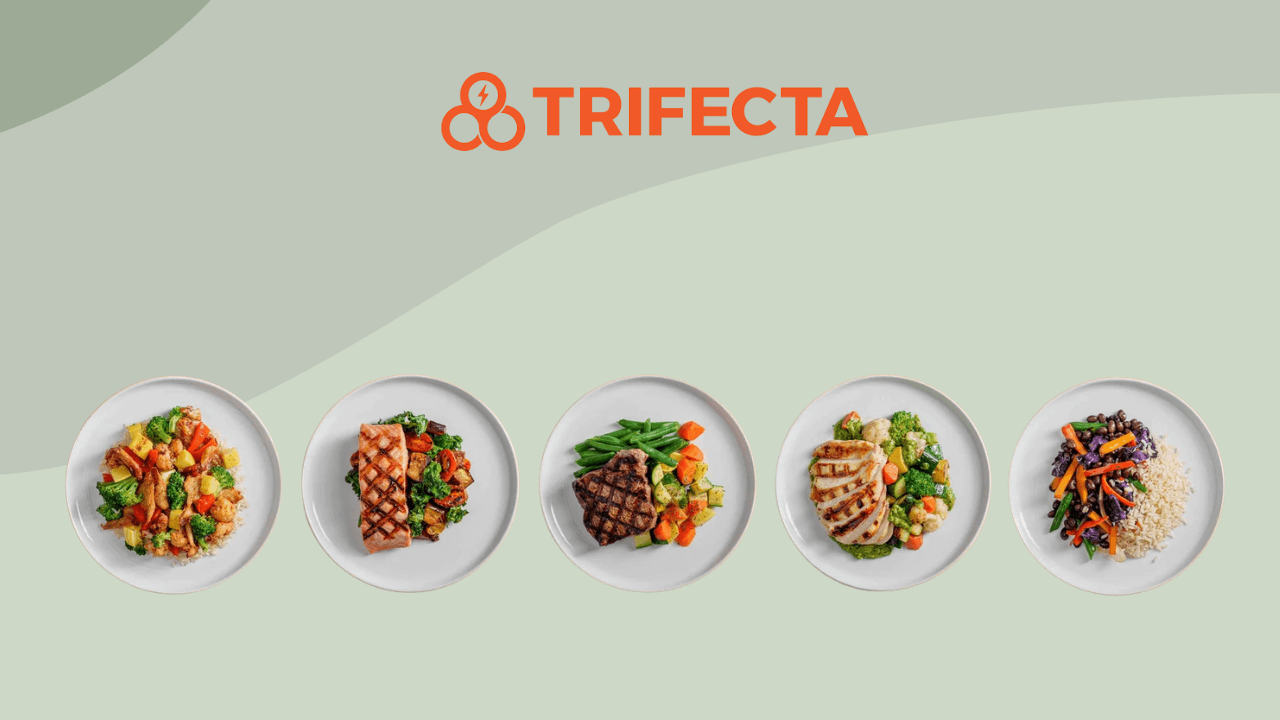
Trifecta Nutrition offers structured weekly options designed around specific nutritional strategies while maintaining macro-balanced meals and consistent ingredient standards. Each plan costs around $112.00 per week and delivers ready-to-eat meals formulated to support metabolic regulation, energy balance, and nutrient sufficiency.
Differences between plans primarily involve macronutrient distribution, caloric density, and ingredient inclusion or exclusion, which influence physiological responses such as glucose regulation, muscle protein synthesis, fat metabolism, and digestive health.
The Flex Choice Meal Plan emphasizes variety and dietary flexibility. Meal selections can be chosen from the full menu, allowing a broad range of protein sources, vegetables, grains, and healthy fats. Greater dietary diversity supports wider micronutrient intake and may contribute to improved gut microbiome diversity because different plant fibers and food compounds nourish different bacterial populations in the digestive tract.
The brand’s Protein Build Meal Plan centers on higher protein intake and greater caloric density to support training adaptation and muscle development. Protein supplies essential amino acids required for muscle protein synthesis for repairing and building skeletal muscle fibers after exercise. Higher protein intake also assists in maintaining a positive nitrogen balance, which is associated with tissue growth and recovery. Meals in this plan aim to provide sustained energy for resistance training while supporting muscular repair and metabolic activity.
The Everyday Healthy Meal Plan focuses on balanced macronutrient distribution intended to support general health and long-term dietary sustainability. Balanced proportions of carbohydrates, protein, and fats might contribute to stable blood glucose levels, efficient energy metabolism, and proper hormone regulation. Nutrient-dense ingredients provide vitamins, minerals, and antioxidants that might assist in cellular maintenance, immune response, and metabolic function.
The Get Lean Meal Plan is structured around controlled caloric intake designed to encourage fat reduction while maintaining adequate nutritional support. Reduced calorie intake promotes a negative energy balance, encouraging your body to mobilize stored fat for energy. The protein within the meals might preserve lean muscle mass during weight management by supporting ongoing protein synthesis and limiting muscle breakdown.
The Paleo Meal Plan follows a whole-food dietary framework that excludes grains, legumes, and dairy products. Meals emphasize lean proteins, vegetables, fruits, nuts, and seeds. This pattern of eating prioritizes minimally processed foods and often results in lower glycemic load compared with diets higher in refined carbohydrates. Lower glycemic responses can help moderate blood sugar fluctuations and support metabolic stability. The plan is also Whole30-friendly, aligning with elimination-style dietary programs intended to identify potential food sensitivities. The Keto Meal Plan is designed around ketogenic nutrition principles, with meals containing 10 grams or fewer net carbohydrates. Meals in this plan emphasize healthy fats, moderate protein, and low-carbohydrate vegetables to support sustained ketosis while providing essential nutrients.
The Plant-Based Meal Plan provides nutrition built entirely from legumes, grains, vegetables, seeds, and plant proteins. Plant-based diets are rich in dietary fiber, phytonutrients, and antioxidants that may support cardiovascular health, digestive function, and immune regulation. High fiber intake also promotes beneficial gut bacteria that produce short-chain fatty acids, compounds associated with improved metabolic and inflammatory regulation. The GLP-1 Meal Plan may help maintain steady nutrient intake during periods of reduced appetite.
Trifecta Nutrition highlights a multi-tiered endorsement model that includes elite athletes, fitness influencers, and specialized communities. The brand highlights competitors across multiple disciplines, creating a broad demographic reach while reinforcing its positioning as a performance-focused nutrition platform. It mentions athletes such as Brian Shaw, Angelica Teixeira, Breon Ansley, Ashley Kaltwasser, and Brooke Wells. They cover strongman, bodybuilding, CrossFit, MMA, and endurance sports, demonstrating the platform's applicability across diverse athletic performance contexts.
The brand also collaborates with content creators and coaches like Katie McLendon and Derek Pratt, who share training methodologies, meal prep strategies, and macro-focused nutrition content. This extends brand visibility into lifestyle fitness communities and reinforces accessibility for non-professional athletes. This framework provides social proof and aspirational motivation. Seeing world champions using the same meal platform reinforces trust in product quality and nutritional efficacy. It also creates a psychological alignment between goals and professional-level performance, increasing perceived value and long-term engagement with the brand.
Trifecta Nutrition’s platform emphasizes wide dietary compatibility, catering to a range of nutritional preferences and goals. Its meal plans may support diverse frameworks, including keto, paleo, plant-based, high-protein, weight-management (Get Lean), and GLP-1–compatible diets. By covering multiple nutritional models, the brand claims to focus on major diet trends and wellness regimens. This broad adaptability strengthens its positioning as an inclusive option for individualized nutrition management. This flexibility translates to a more personalized and sustainable nutrition experience. You can switch between dietary models as your goals evolve, such as shifting from weight management to performance nutrition, without leaving the brand ecosystem. The convenience of remaining within one platform for meal delivery, tracking, and coaching reduces friction and supports long-term adherence, helping you maintain consistency in routines while adjusting to changing lifestyles or needs.
Trifecta Nutrition functions as a comprehensive fitness platform. In addition to its chef-prepared meals, the brand provides nutrition coaching for personalized guidance, a mobile app (TrifectaME) for calorie and macro tracking, fitness content to support training, and an active community that fosters accountability. This integration of food, technology, coaching, and content creates an end-to-end wellness ecosystem. Rather than operating as a single-product company, the brand positions itself as a holistic platform designed to simplify and sustain healthy living through a unified user experience.
Trifecta Nutrition operates primarily through a recurring subscription system that auto-renews weekly, requiring you to log into your account to skip, pause, or adjust delivery schedules before strict cutoff windows (typically 2-3 days pre-shipment). While a dashboard skip feature exists for weeks ahead, it lacks instant one-click permanent cancellation, requiring contact with support via email or phone, especially after failed skips or for full account closure. Independent reviews highlight app glitches, rigid deadlines, and these extra steps as constraints. This can lead to unwanted deliveries and charges if you miss cutoffs due to travel, schedule changes, or forgetfulness, increasing costs (e.g., $100+ per skipped box) and food waste. It frustrates those needing sporadic use, like event-based dieting, potentially driving churn.
Factor and Trifecta Nutrition operate in the same niche, but they approach the category with different priorities. The brand Factor centers its service on fresh, chef-driven meals that emphasize flavor variety and convenience, while Trifecta is structured more like a performance nutrition system, prioritizing macro precision, organic sourcing, and consistency. The menu structure illustrates this difference clearly.
Factor highlights rotating more than 35+ fresh meals each week and allows you to mix across all plan categories, such as Protein+, Keto, Calorie Smart, Flexitarian, and Vegan. Trifecta offers roughly 40–50 total meals, but they are distributed across distinct programs like Clean, Paleo, Keto, Performance, and Vegan. You typically commit to a single plan per order, which keeps macro targets consistent but reduces cross-menu flexibility. Factor also supplements its core meals with add-ons like smoothies, breakfasts, juices, and snacks, whereas Trifecta expands variety through a meal-prep marketplace offering bulk proteins, grains, and vegetables designed for assembling custom meals.
Trifecta leans heavily on organic and performance-oriented sourcing standards, with most ingredients certified organic and free from hormones or antibiotics. The company highlights strict additive controls, banning more than 200 ingredients, and maintains relatively low sodium levels, averaging around 527 mg per meal. Protein content is also higher, typically ranging from about 32 to 52 grams per serving. Factor focuses on high-quality whole foods that are non-GMO and antibiotic-free, but not primarily organic. Protein levels generally fall between 30 and 40 grams per meal, and sodium can reach roughly 1,180 mg in some dishes due to heavier seasoning and sauces that enhance flavor.
Taste and culinary design are areas where Factor highlights that its meals are designed by chefs and tend to feature bold sauces, layered textures, and globally inspired dishes such as butter barramundi, creamy garlic chicken, or spiced tofu bowls. Trifecta meals are built primarily around nutritional structure, lean protein paired with vegetables and complex carbohydrates, so the flavors are balanced but simpler.
Factor ships fresh, refrigerated meals that typically remain safe in the refrigerator for about three to five days after delivery. As of the fresh format, the meals heat quickly and retain better texture, but require faster consumption or optional freezing. Trifecta ships meals frozen, which may extend shelf life, and meals can remain in the freezer for up to three months and still maintain quality. Once thawed, they could last roughly six to ten days in the refrigerator. This frozen approach reduces food waste and allows you to stockpile meals for longer periods.
Factor’s mobile and web platform focuses primarily on subscription management, selecting meals, adjusting preferences, skipping weeks, and viewing nutrition labels. Trifecta’s app operates more like a fitness platform, including macro calculators, meal tracking, progress logging, and optional coaching services aimed at structured training or body composition goals.
Transparency and sustainability initiatives highlight additional contrasts. Trifecta provides more granular disclosures around ingredient standards, oils used, banned additives, and sourcing claims such as grass-fed meats and organic produce. It also emphasizes environmental initiatives like biodegradable trays and reduced food waste through frozen preservation. Factor promotes recyclable packaging and sustainable farming partnerships, but its ingredient sourcing disclosures are broader and less detailed.
FlexPro Meals and Trifecta Nutrition both operate in the prepared meal delivery category. Each service is built around convenience and structured nutrition. Their meals are designed to be reheated shortly before eating, allowing you to maintain a consistent meal routine without preparing food yourself.
FlexPro Meals emphasizes high-protein convenience and delivery speed as central parts of its service. It states that its meals typically contain 30 eto 50 grams of protein per serving, with calorie ranges between 310 and 730 calories. Trifecta Nutrition provides meals in a similar nutritional range, although some of its menu items reach slightly higher protein levels. Its meals usually contain 30 to 60 grams of protein, with calorie levels generally falling between 350 and 700 calories, depending on the dish.
The reheating process is simple for both services, though Trifecta mentions slightly more preparation options. FlexPro meals are typically reheated in a microwave for quick consumption, while Trifecta meals can be heated using a microwave, oven, stovetop, or air fryer, depending on the customer’s preference.
Pricing structures show a noticeable difference between the two services. FlexPro Meals advertises a first-box price of around $7-$14 per meal. Trifecta Nutrition operates at a higher price point, with pricing indicating that seven meals cost about $112 per week, which equals roughly $16 per meal, and orders generally begin around a $99 minimum purchase.
Beyond standard meals, FlexPro offers additional product categories that extend beyond the core meal service. One example is the Protein Bakery, which includes high-protein dessert items such as Cookies & Cream Cheesecake, Midnight Cookie Jar, Muscle Butter & Jelly, Amish Bonfire Cheesecake, and Triple Chocolate Chipwreck, among others. FlexPro also has a Protein Box, which allows you to purchase protein portions separately from full meals so you can combine them with your own side dishes. Trifecta Nutrition, by contrast, focuses more heavily on complete meals and diet-structured programs rather than offering dessert-oriented products.
Environmental and sourcing messaging is present on both platforms as well. FlexPro states that it uses recyclable packaging sleeves and is working toward 100% sustainable packaging, while also noting that it operates in-house kitchens to better manage food production and reduce waste. Trifecta, meanwhile, highlights ingredient sourcing standards, including the use of many organic ingredients and sustainably sourced seafood.
Both services operate within the same prepared meal delivery segment and provide high-protein meals intended to simplify structured eating. FlexPro Meals places greater emphasis on fast shipping, flexible meal selection, and promotional pricing, while Trifecta Nutrition focuses more strongly on ingredient sourcing standards, structured diet plans, and integrated nutrition tracking tools.
To assess real customer sentiment toward Trifecta Nutrition, we reviewed publicly available feedback on Trustpilot. The company holds a TrustScore of 3.5 out of 5 based on 128 reviews. Customers often describe the meals as healthy, organic, and clean, emphasizing that the service helps maintain consistent nutrition and portion control without cooking. Several reviewers report long-term subscriptions lasting multiple years, and reference continued improvements in menu variety and operational performance. However, reviewers occasionally mention usability issues, including difficulty navigating the website or the requirement to pay for the company’s mobile app to access integrated meal tracking features. Some users describe meals as bland or lightly seasoned to the point of disappointment. Subscription complaints frequently reference cancellation deadlines and automated shipments.
Delivery-related concerns also appear in negative reviews. Some customers report late shipments, compromised cold packs, or boxes arriving warm after transit delays, raising concerns about food safety and freshness. Isolated cases mention packages delivered to incorrect addresses. Pricing and perceived value also appear as recurring criticisms when reviewers feel the taste or variety does not justify the cost of the service.
Trustpilot sentiment toward the brand reflects highly divided user experiences. Positive feedback centers on clean ingredients, portion-controlled meals, macro-friendly nutrition, and responsive customer support. Negative feedback focuses on flavor expectations, strict subscription deadlines, delivery reliability, and value perception.
As part of our evaluation, we reviewed Trifecta Nutrition, Inc., the company behind the meal delivery service, through the Better Business Bureau. The business is not BBB accredited, but it currently holds an A+ rating. The customer sentiment within the review section trends negative. The profile currently shows an average customer review rating of around 1 out of 5 stars based on 10+ reviews.
Reviewers frequently reference subscription management difficulties, including challenges with canceling or pausing meal plans, confusion around multiple subscriptions under a single account, and orders being processed before cancellation requests were completed. The BBB complaint history also shows several complaints filed over the past years. The most common issues involve billing disputes, subscription cancellation requests, and order processing concerns.
Trifecta Nutrition presents a mixed reputation profile. The rating and documented company responses indicate active participation in dispute resolution. However, the low customer review average and recurring complaints related to subscription management, billing timing, and delivery logistics suggest that some customers encounter friction when navigating cancellation policies or managing recurring orders.
Trifecta is built around macro-balanced nutrition and structured diet programs. Its prepared meals may support muscle development, fat reduction, and consistent dietary adherence. The brand extends beyond meal delivery by integrating macro tracking tools, nutrition coaching, and a dedicated mobile application. It also emphasizes organic ingredient sourcing, antibiotic-free proteins, and macro-focused meal construction aligned with training and body composition goals.
However, its structured plan format limits meal-by-meal customization. There are also recurring concerns, such as its relatively high cost per meal, lightly seasoned flavor profiles, and occasional delivery or subscription-management challenges. The brand’s macro-focused meals and integrated tracking tools may support disciplined nutrition routines, while its price point and limited meal customization may influence long-term suitability, depending on your dietary flexibility and expectations.

Contact us at [email protected] or follow @leafsnap on Twitter! View our Privacy Policy.