
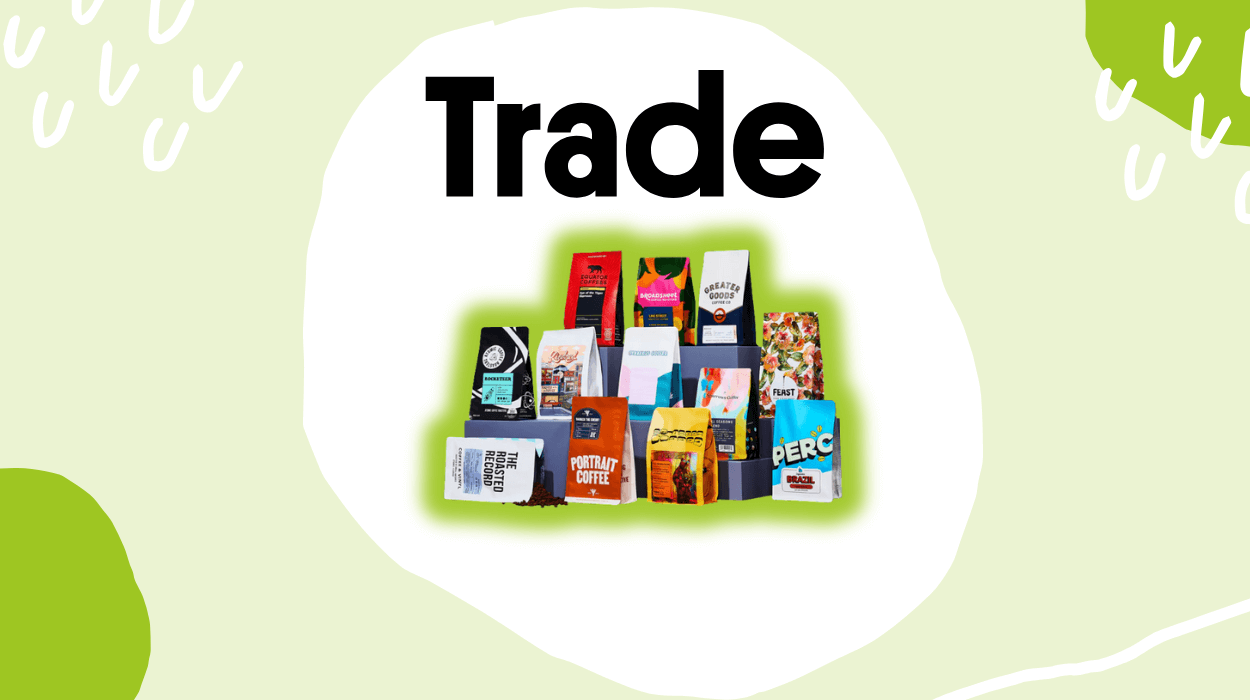
Trade Coffee is a specialty coffee platform focused on connecting you with freshly roasted beans from independent roasters across the United States. The brand places strong emphasis on matching coffee selections to individual preferences.
Instead of operating as a single-roaster brand, it curates coffees from a broad network of established and emerging partners, allowing you to access a wider range of regional roasting styles and flavor profiles through a single service.
This review examines Trade Coffee’s overall product offerings, how it compares with similar coffee services, and where it stands in terms of strengths and limitations. It also considers consumer feedback to provide a clearer picture of what you can expect from the brand in everyday use.
Trade Coffee is a U.S.-based marketplace and subscription brand. Rather than producing its own coffee, the brand curates offerings from more than 50 local and regional roasters, many of which operate outside major coffee hubs. Its partner network includes names such as Irving Farm in New York, Sightglass in San Francisco, Kuma Coffee in Seattle, Red Rooster in Virginia, Panther Coffee in Miami, Atomic Coffee Roasters in Massachusetts, Dune Coffee Roasters in Santa Barbara, Methodical Coffee in South Carolina, Klatch Coffee in California, and Wonderstate Coffee in Wisconsin. This structure allows Trade to serve as a centralized platform for small-batch coffees that are typically available only through local channels.
As per the official website, the brand covers a broad range of specialty coffee categories. Its catalog includes light, medium, and dark roasts, along with single-origin coffees, blends, espresso-focused options, and decaffeinated selections.
The lineup features coffees such as Mexico Chiapas Single Origin Espresso from Drink Coffee Do Stuff, Ethiopia Idido from Kuma, Old World Venezia from Klatch, Tree of Life from Red Rooster, and Hudson from Irving Farm. Seasonal releases, rotating single-origin offerings, and holiday blends are also part of the variety, alongside select cold brew options from partner roasters.
Trade structures its product offering around flexibility and choice. You can purchase coffee individually or through subscriptions that deliver roasted-to-order coffee on a recurring schedule. Bag sizes range from 8 oz small bags to standard 10.93 oz bags, 2 lb bags, and bulk 5 lb options.
Personalization also plays a central role in how Trade Coffee operates. You complete a preference quiz that captures taste preferences and brewing habits, which are then used by an in-house coffee team led by a certified Q grader to recommend specific coffees from partner roasters.
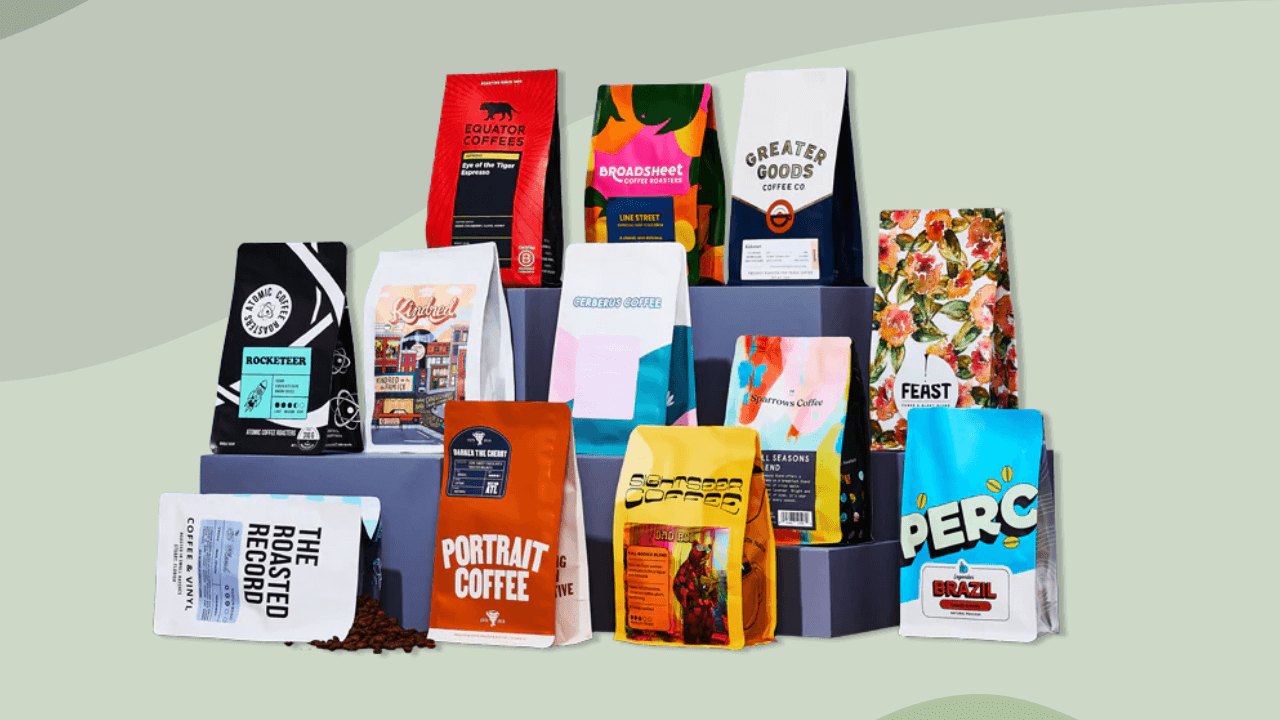
Coffee subscription from Trade Coffee delivers roasted coffee beans sourced from specialty roasters across the U.S., with each shipment prepared only after your order is placed. The core ingredient across all options is roasted coffee beans, selected in different roast levels and origins based on your stated preferences. Depending on the plan you choose, you receive light, medium, dark, or single-origin coffees in whole bean or ground form, with each standard bag weighing 10.93 oz.
Coffee beans naturally contain caffeine, chlorogenic acids, trigonelline, lipids, and small amounts of minerals such as magnesium and potassium. Caffeine may function as a central nervous system stimulant by blocking adenosine receptors in the brain, which may temporarily reduce perceived fatigue and support alertness. Chlorogenic acids, a group of polyphenols more prominent in lighter roasts, play a role in antioxidant activity and influence how glucose is metabolized in the body.
As per the official website, the different roast profiles affect both flavor and biological composition. Light roasts tend to retain higher levels of chlorogenic acids and organic acids, contributing to brighter, fruit-forward notes such as citrus and berry.
Medium roasts balance acidity and body by partially breaking down these acids while increasing Maillard reaction products that contribute to nutty and chocolate-like flavors.
Meanwhile, dark roasts undergo longer thermal exposure, reducing acidity while increasing smoky compounds and lipid expression, which can influence mouthfeel and perceived richness. Single-origin selections highlight how bean genetics, soil composition, altitude, and processing methods influence chemical makeup and taste.
Variations in growing conditions affect sugar content, acid structure, and aromatic compounds, which explains why coffees from regions such as Ethiopia or Colombia express distinct sensory profiles even before roasting.
The subscription format rotates these coffees over time while allowing adjustments, repeats, or pauses through the dashboard, keeping the focus on ingredient freshness, origin diversity, and controlled delivery rather than fixed blends.
Trade Coffee is built around a nationwide network of independent specialty roasters, rather than operating as a proprietary roasting brand. The company claims to partner with 50 or more roasters across the United States, each retaining control over its own sourcing practices, roast profiles, and brand identity. This structure allows the brand to feature coffees from a wide range of local and regional roasters while avoiding centralized, in-house roasting.
Trade supports this network through a centralized marketplace model that aggregates a large and constantly rotating selection of coffees from its partners. At any given time, the platform features hundreds of different coffees, covering diverse origins, processing methods, and roast styles. Trade reduces the friction typically involved in exploring specialty coffee across multiple roaster websites or subscriptions by bringing these offerings together in one place.
This roaster network is closely integrated with Trade’s Coffee Subscription offering. Subscriptions allow you to receive coffees from different independent roasters through a single plan, while Trade manages recommendation, ordering, and fulfillment. This setup enables ongoing discovery across the roaster network while maintaining a consistent experience.
Trade Coffee frames its marketplace as a growth channel for small and independent specialty roasters, enabling them to reach you well beyond their local or regional markets. Rather than producing proprietary blends or operating a house roastery, the brand partners directly with independent producers and allows them to retain their own sourcing practices, roast profiles, and brand identities. This partnership model is presented as a way to expand distribution without requiring roasters to scale their own direct-to-consumer infrastructure.
The platform actively promotes roaster visibility through a detailed presentation. Each coffee listing typically includes information about the roaster, sourcing approach, and origin context, helping you understand who produced the coffee and how it was developed. Trade differentiates independent roasters that may not have the marketing reach of larger brands and reinforces a producer-driven view of specialty coffee rather than a commodity-based one.
The brand’s Coffee Subscription offering further supports this visibility by rotating coffees from different roasters within a single plan. Subscribers are regularly introduced to new producers across areas, building familiarity over time while keeping discovery structured. In parallel, one-time purchase options allow you to explore specific roasters without long-term commitment, supporting both trial and repeat exposure.
Trade Coffee uses an online taste preference quiz to collect inputs such as flavor tendencies, roast preference, and brew method, which then feed into recommendation algorithms and automated matching systems. These systems curate suggestions from a rotating catalog of 500 or more coffees, helping you navigate variety at scale while keeping recommendations aligned with stated preferences.
The brand provides a centralized account dashboard that allows you to independently adjust preferences, swap upcoming coffees, skip or pause deliveries, and change delivery frequency. These self-service tools reduce reliance on customer support and allow the platform to dynamically coordinate fulfillment across multiple independent roaster partners without friction.
This infrastructure is most visible through Trade’s Coffee Subscription offering. Subscription matching is powered by automated systems that continually curate coffees from different roasters based on user data and feedback, enabling ongoing discovery without manual intervention.
Trade Coffee is designed primarily around its coffee subscription model, which acts as the main gateway to product discovery, personalization, and ongoing access to coffees from its partner roasters.
Key platform features such as the taste preference quiz, curated recommendations, rotation of roaster selections, and easy swaps are optimized for subscribers, reinforcing subscription enrollment as the core user experience.
Trade also allows one-time purchases of individual bags, and non‑subscribers can still use tools like the Find My Match quiz and browse recommended coffees, but these orders generally do not include subscription‑specific benefits such as automated rotation, bundled pricing tiers, or the same level of ongoing, feedback‑driven matching. As a result, casual or infrequent purchasing is supported, yet it remains less central and less feature‑rich than the fully integrated subscriber experience.
Atlas Coffee Club is structured around origin-focused coffee discovery, with each delivery centered on a single producing country.
The brand sources specialty-grade, single-origin coffees from areas such as Ethiopia, Costa Rica, India, Colombia, Malawi, Myanmar, Ecuador, and Papua New Guinea. Rather than offering a broad catalog, Atlas limits choice to a guided monthly selection, allowing you to adjust roast level, grind type, caffeine preference, bag size, and delivery frequency.
As per its official website, each shipment includes tasting notes, coffee background information, and a postcard from the featured country, reinforcing an educational and experiential approach. Product formats include whole bean, ground coffee, and pods compatible with Keurig and Nespresso Original machines, but the overall structure prioritizes consistency and origin storytelling over variety.
Meanwhile, Trade Coffee follows a marketplace-driven model built around U.S. specialty roasters rather than country-based curation. The platform connects you to more than 500 coffees from over 50 independent roasters, including Irving Farm, Sightglass, Klatch, Red Rooster, Kuma, Panther, Atomic, Dune, Methodical, and others. You can browse and filter across roast levels, flavor profiles, origins, processing methods, certifications, and bag sizes ranging from 8 oz to 5 lb. Coffees are roasted to order and shipped directly from partner roasters, typically within 48 hours, supporting freshness while preserving each roaster’s individual style.
From a subscription standpoint, Atlas Coffee Club emphasizes guided rotation with limited decision-making, making it easier to explore unfamiliar origins without managing a large catalog. Trade Coffee places more emphasis on user control and repeatability, allowing you to reorder specific coffees, explore seasonal releases, or adjust selections based on taste preferences identified through its quiz. Trade also supports one-time purchases alongside subscriptions, whereas Atlas remains primarily subscription-focused.
Atlas Coffee Club focuses on structured global exploration with a consistent format, while Trade Coffee provides broader access, higher flexibility, and deeper exposure to the U.S. specialty roasting landscape.
Bean Box and Trade Coffee both serve as access points to U.S. specialty coffee, but they differ in how selection, curation, and user involvement are structured.
As per its official website, Bean Box operates from Seattle and emphasizes curator-led discovery, guiding you through predefined tasting experiences rather than individual product selection. Subscriptions are organized around formats such as Curator’s Choice, Single Origin, Light & Bright, Medium & Cozy, Dark & Toasty, Espresso, Decaf, and Cold Brew.
The brand highlights that its coffees are selected by in-house curators from a catalog of more than 600 specialty options, with personalization applied through roast preference, delivery frequency, and bag size. This approach prioritizes structured exploration and consistency over manual browsing.
On the other hand, Trade Coffee follows a marketplace model that places greater emphasis on direct choice. You browse individual coffees from more than 50 independent U.S. roasters, selecting specific products such as Mexico Chiapas Single Origin Espresso from Drink Coffee Do Stuff, Ethiopia Idido from Kuma, Tree of Life from Red Rooster, or Oberon’s from DOMA. It also features filtering tools that allow you to narrow options by roast level, origin, process, certification, taste profile, and bag size, while recommendation features and a taste quiz provide guidance without limiting selection to preset tasting paths.
The way each brand presents its roaster network further reflects this distinction. Bean Box prominently showcases a large partner list with a noticeable concentration of Pacific Northwest roasters, including Caffe Vita, Broadcast Coffee, Zoka Coffee, Kuma Coffee, and Ladro Roasting, alongside nationally recognized names such as Onyx Coffee Lab, Sightglass Coffee, Klatch Coffee, Methodical Coffee, Red Rooster Coffee, and Verve Coffee Roasters. Trade Coffee’s roster is more evenly distributed across regions and includes roasters such as Irving Farm, Atomic Coffee Roasters, Panther Coffee, Dune Coffee Roasters, Small Planes Coffee, Huckleberry Roasters, Common Voice Coffee, PT’s Coffee, and Oren’s Coffee, without a strong regional framing in how partners are surfaced.
These two brands also offer brewing equipment, though Trade Coffee gives more space to this category. Its equipment range includes options such as the Moccamaster KBGV and KBT brewers, Fellow Ode Brew Grinder Gen 2, Opus Burr Grinder, Hario Buono Electric Kettle, Chemex brewers, and OXO cold brew systems. Bean Box also sells coffee gear and gifts, but its platform remains primarily oriented toward curated coffee subscriptions and gifting rather than equipment-led purchasing.
Bean Box leans toward guided discovery through expert selection, while Trade Coffee emphasizes breadth, transparency, and direct control over individual coffee choices.
We evaluated Trade Coffee by examining its model, public reputation, and third-party reviews. The brand operates as an online coffee marketplace and subscription service that connects you with a rotating network of independent roasters, prioritizing variety, personalization, and discovery over a single in-house product line.
It holds a 3.0 rating on Trustpilot based on roughly 30+ reviews, which points to uneven customer experiences rather than a clear consensus. While some users report satisfactory service and product quality, others raise concerns that materially affect the overall score. The relatively small review volume means the rating should be interpreted as directional, but it still highlights inconsistency across key touchpoints.
We also considered third-party accountability and complaint visibility. Trade Coffee does not currently have a Better Business Bureau profile, which reduces access to standardized data on complaint resolution and dispute handling. As a result, there is limited insight into how recurring issues are addressed at scale.
These factors suggest the brand may appeal to users interested in coffee discovery and variety, but one that warrants a cautious approach. The evaluation emphasizes reviewing subscription terms closely, monitoring service reliability early, and starting with limited exposure before committing long-term.
To evaluate Trade Coffee, we examined customer feedback published on Trustpilot between 2023 and 2025, with attention to recurring patterns related to product quality, service reliability, delivery performance, and overall experience.
Many users consistently praise the quality of the coffee, noting fresh roasts, a broad selection from U.S.-based roasters, and a discovery process that helps narrow choices without extensive research. Some customers highlighted their satisfaction with flavor consistency and, in some cases, timely and effective customer support when issues were addressed individually.
At the same time, a few users mentioned concerns such as delivery delays, missing shipments, and inconsistent fulfillment schedules appear across multiple accounts, including from users who attempted to pause or avoid subscriptions altogether.
Several customers describe being charged or sent coffee despite making changes to their delivery settings, which affected confidence in the brand’s subscription management.
These reviews suggest that while Trade Coffee’s core offering and access to specialty roasters remain valued, consistency in logistics and communication plays a significant role in shaping customer sentiment.
Trade Coffee focuses on organizing small-batch coffees that are often limited to regional availability, while allowing partner roasters to retain control over sourcing practices, roast development, and brand identity.
The brand states that its technology-driven tools are intended to simplify discovery. The taste preference quiz and recommendation system draw on factors such as flavor attributes, roast level, and brew method to guide selection across a rotating catalog.
At the same time, the experience is clearly optimized for subscription users, with more limited personalization and discovery options for one-time purchases. Reliance on automated recommendations may also feel restrictive if preferences evolve, and Trade’s intermediary role limits direct engagement with individual roasters.
It is essential to periodically reassess preferences and make sure to adjust grind size and brew parameters as coffees rotate. The brand’s subscription-first structure and limited direct roaster interaction are also essential factors to consider.

Contact us at [email protected] or follow @leafsnap on Twitter! View our Privacy Policy.