
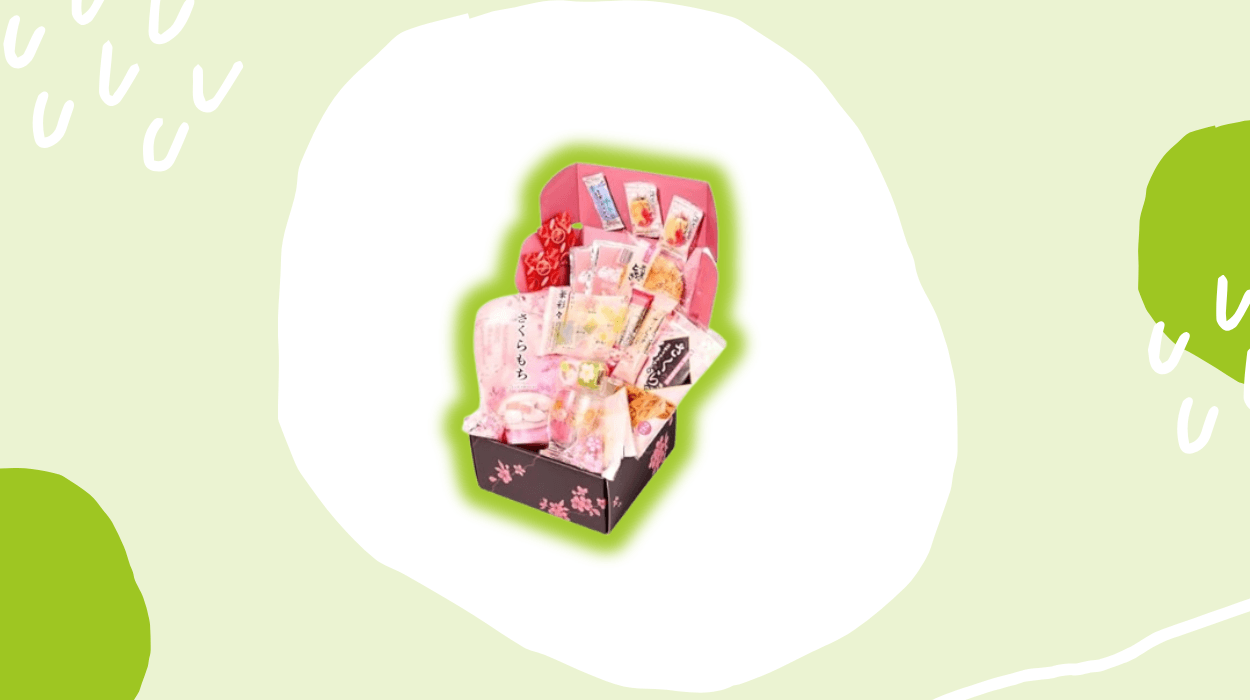

Sakuraco delivers curated boxes of traditional Japanese snacks, teas, and cultural items on a monthly basis. The brand is positioned as a cultural experience rather than a standard snack box, with an emphasis on seasonal themes and region-specific products sourced from local producers in Japan. The boxes are typically organized around a specific theme, such as a season, festival, or geographic region, with the goal of reflecting regional diversity and traditional craftsmanship.
This review examines Sakuraco’s subscription structure, product quality, and level of cultural authenticity, along with customer feedback. It also evaluates strengths and limitations, including overall value, variety across boxes, and how the service compares to other international snack subscription options.
Sakuraco is a subscription-based service focused on traditional Japanese snacks and tea culture. It was founded in 2021 by Ayumi Chikamoto, following the earlier launch of TokyoTreat in 2015. While TokyoTreat centers on more modern snack trends, Sakuraco is positioned around traditional sweets and cultural experiences.
The service is structured as a monthly subscription box, with each edition built around a specific theme tied to Japanese seasons, regions, or traditions. Examples include seasonal concepts such as spring cherry blossom festivals or regionally inspired themes. Each box is intended to reflect aspects of Japanese culture, including seasonal foods, tea practices, and traditional customs.
A typical box contains snacks such as mochi, senbei, arare, yokan, taiyaki, and dorayaki, along with Japanese teas like matcha and hojicha. Some also include home goods such as ceramics, chopsticks, or furoshiki.
Sakuraco sources products through partnerships with local Japanese businesses, including family-owned and multi-generational producers. These partnerships are used to include region-specific items that may not be widely available outside Japan. The brand frames this sourcing approach as a way to connect customers with local food traditions and support smaller producers.
Transparency is focused on product origin and cultural context. The company provides allergen information, identifies where snacks are sourced, and includes details about producers in its guides. However, it does not emphasize detailed manufacturing or testing standards, instead prioritizing traceability and storytelling around the products. The brand’s model combines snack delivery with cultural context, positioning its service as both a product subscription and an educational experience.
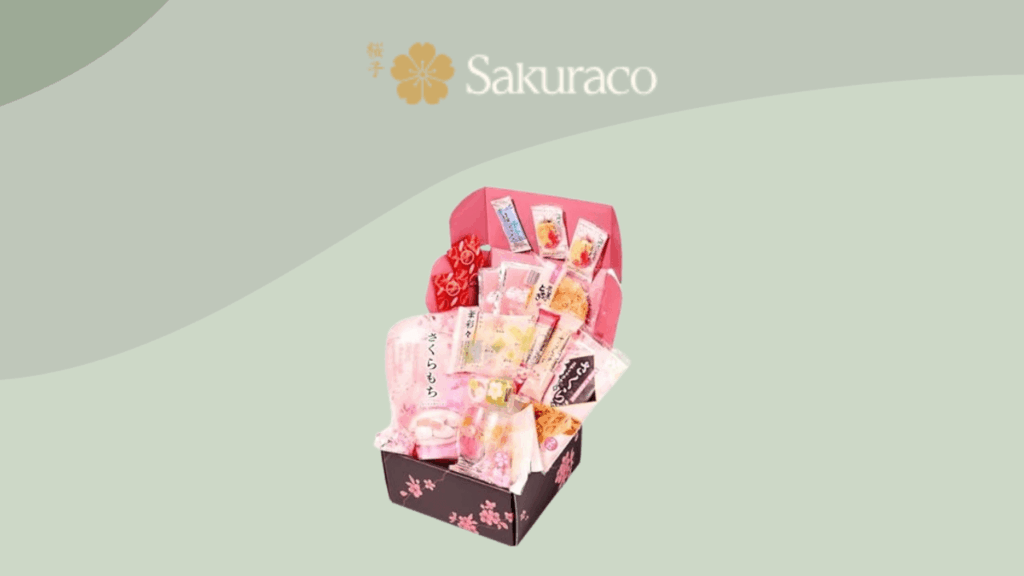
Sakuraco offers a Snack Box that comes with a monthly, theme-driven selection of Japanese snacks, teas, and culturally rooted home goods, all curated to reflect a specific aspect of Japan.
Inside the Box, you receive a carefully curated assortment of wagashi, candies, and savory snacks sourced directly from local Japanese makers, including family-run businesses with centuries-old traditions. These selections are tied closely to the monthly theme, allowing you to explore regional specialties, festivals, and ingredient pairings in a more structured way rather than receiving a random mix. The box also includes Japanese teas, with an option to add a Premium Tea Pairing that features selections like Asahina Matcha.
According to the official website, each Snack Box comes with a 24-page Culture Guide that walks you through the contents in detail. The guide also includes themed articles, making the experience more immersive and helping you understand how each product connects to Japanese traditions. Beyond snacks and tea, the box also includes authentic Japanese home goods such as ceramics, chopsticks, and furoshiki, sourced from traditional artisans.
As per the official site, Sakuraco uses a seasonal, monthly themed curation system in which each monthly box is built around a specific cultural or seasonal concept tied to Japan.
The brand introduces a new theme every month, such as Moonlit Sakura, Tsukimi, Seasons of Sakura, or Autumn Moon Festival, which are often linked to real traditions, regional highlights (e.g., Kyoto, Okinawa, Nagano, Nikko), or national holidays like New Year. This theme guides the full curation process, influencing the selection of snacks and the included culture guide.
This means each box arrives with a clear concept, making the experience feel more intentional and less repetitive over time. The structured themes can help you understand the cultural context behind the snacks, rather than just consuming them without a background. This can make the subscription more engaging, especially if you value learning alongside the product experience.
Sakuraco claims to include a 24‑page printed culture guidebook in every box. The brand says this guide gives an in‑depth journey into the monthly theme and includes themed articles, maker stories, item details, allergen information, and regional and seasonal context. This shows a clear and structured content format, as claimed by the brand.
The guidebook is a core part of the experience and is not optional. It follows the same monthly theme and explains the cultural background, festivals, and traditions, supporting the brand’s idea of exploring a new corner of Japan each month, as stated by Sakuraco.
The brand also claims the guide highlights local makers and artisans, sharing where items come from, how they are made, and the history behind them, including family‑run producers and regional crafts. This adds real‑world context to the experience, according to the brand. It also includes practical reference sections, such as item descriptions, allergen details, and pairing notes.
Sakuraco delivers monthly themed boxes on a set schedule. You choose from plans like 1, 3, 6, or 12 months. Longer plans require upfront payment, which increases commitment. The system does not support on-demand orders or flexible delivery timing.
The platform allows only limited changes. You can skip or cancel, but you must do it before a cutoff date. Changes apply to the next billing cycle, not the current one. Once an order enters processing, you cannot stop or modify it. The brand also does not offer item selection, dietary filters, or theme swaps. Every subscriber receives the same curated box each month.
Such a setup can potentially limit flexibility, as you cannot personalize your box or make real-time updates. All changes depend on billing timelines, not immediate control. This means less control over your subscription. You need to plan ahead to avoid unwanted charges or shipments. If your preferences change, the service may not adjust easily. This can make the experience feel rigid over time.
Bokksu and Sakuraco both deliver Japanese snack subscription experiences built around authentic sourcing, but they differ in how they shape that experience from the start. As per its official website, Bokksu focuses on craft and culture, emphasizing its mission to support small, family-run businesses across Japan while preserving their traditions through food. It focuses on making rare, local snacks accessible outside Japan. On the other hand, Sakuraco also works with family-owned businesses but leans more into sharing Japanese tea culture and everyday traditions, drawing from its connection to TokyoTreat. It supports recreating a traditional afternoon tea experience with wagashi.
The way each brand curates its offering highlights this distinction. Bokksu focuses on delivering a wide spectrum of authentic Japanese snacks sourced directly from local makers, including mochi, senbei, cakes, cookies, and chips, paired with a rotating tea selection like matcha or hojicha. Its curation emphasizes variety, balance between sweet and savory flavors, and exclusivity through snacks made specifically for the brand. Meanwhile, Sakuraco narrows its focus toward traditional sweets and tea pairings, particularly wagashi crafted by artisans, and builds its variety around how these options fit into an afternoon tea setting. While both brands include around 20 options per box and a 24-page culture guide, Sakuraco extends its curation beyond food by including home goods such as ceramics, chopsticks, or furoshiki.
Their approach to storytelling and themes further differentiates them at a brand level. Bokksu frames its monthly themes around seasons and cultural moments. It offers curated experiences like the Sakura Silk Lounge that present a refined and elevated take on cherry blossom season. The storytelling supports the tasting experience by explaining product origins and flavors in a structured format. Sakuraco, on the other hand, builds deeper narrative layers into its themes, such as the Sakura Moonlight Festival, which connects snacks, tea, and cultural practices like yozakura. Its guides often expand into broader cultural topics, including regional cuisine, folklore, and traditions, making storytelling a central part of the experience rather than a supplement.
The overall value proposition and brand experience also differ in execution. Bokksu structures its subscription with tiered pricing from $39.99 per month down to $31.99 annually. The brand also offers incentives like sakura-themed gifts, such as Sakura Glass Tumblers, seasonal Sakura Matcha Kit Kats, and bonus rare snacks for longer commitments. Its value lies in curated variety, exclusive snacks, and a consistent tasting experience. In comparison, Sakuraco follows a similar pricing range, from $39.99 monthly to $29.99 annually, but supports its positioning through lifestyle-oriented additions like a Sakura color-changing glass pair, optional premium tea upgrades, and the addition of home goods in every box. It also emphasizes that boxes are hand-packed and shipped directly from Japan, strengthening its connection to authenticity and craftsmanship.
Bokksu focuses on delivering a curated, snack-driven exploration of Japan with an emphasis on accessibility, exclusivity, and variety, supported by structured cultural insights. Sakuraco, in comparison, builds a more immersive brand experience that combines traditional sweets, tea culture, regional storytelling, and tangible lifestyle elements. It allows you to engage with Japanese culture beyond consumption and into everyday rituals.
Based on recent discussions on Reddit from 2024 to 2026, user sentiment toward Sakuraco appears mixed, with recurring concerns focused on subscription management and service operations.
A consistent theme involves the auto-renewal system. Users frequently describe unexpected charges, difficulty canceling subscriptions, and confusion related to billing cycles. Time zone differences are also mentioned as a factor affecting renewal timing, which can lead to charges occurring earlier than expected. These issues are often framed as a lack of clarity in how subscriptions are managed.
Feedback on the product itself is more divided. Some users value the cultural aspect of receiving traditional Japanese snacks and occasional home goods, particularly if they do not have direct access to these items locally. Others, however, question the pricing, noting that similar snacks may be available at a lower cost through local stores or specialty import shops. Additional concerns include shipping delays, added shipping fees, and variability in monthly selections or promotional items depending on the subscription tier.
Customer service experiences are described as inconsistent. Users report issues such as delayed or missing shipments, damaged items, and difficulty obtaining timely responses. In some cases, customers indicate that resolving issues required repeated follow-ups or escalation through payment disputes, which contributes to concerns about support reliability.
These discussions suggest that while the service can provide a distinct and culturally focused experience, the overall user experience varies. Satisfaction tends to depend on expectations around pricing, tolerance for shipping variability, and how effectively subscription and support issues are handled.
To assess the overall reputation of Sakuraco, we reviewed the third-party feedback from Trustpilot. The brand holds a TrustScore of approximately 4.5 out of 5 across more than 2,490+ reviews.
Customer feedback frequently emphasizes product quality, authenticity, and experience. Many highlight the freshness and variety of traditional Japanese snacks, along with the curated structure of each box, which includes cultural context through printed guides and themed presentation. Operational performance shows users noting consistent delivery and careful packaging, including for international shipments.
However, less favorable feedback identifies recurring issues related to subscription management and logistics. Some report confusion around auto-renewals, difficulty canceling subscriptions, and occasional shipping delays that may affect timing and, in some cases, perceived product freshness.
These details suggest that the brand maintains a strong reputation, but operational aspects such as subscription clarity and delivery timing represent areas where user experience may vary and can impact overall brand reliability.
Sakuraco is positioned as a culturally focused subscription that combines traditional snacks, tea, and artisan options into themed monthly experiences. Rather than offering simple variety, the service emphasizes seasonal storytelling and regional context, presenting each box as a structured narrative tied to Japanese traditions.
A key strength lies in its curated format and supporting materials. The inclusion of a detailed guidebook and consistent thematic structure adds educational value, making the experience more relevant for those interested in Japanese culture, tea practices, and regional specialties beyond casual snacking. However, its subscription model introduces trade-offs. Fixed delivery schedules, reliance on auto-renewal, and limited customization reduce flexibility.
Sakuraco is best suited for structured cultural exploration, with an emphasis on curated, Japan-sourced products and themed presentation. However, it may be less aligned with those focused on cost efficiency or flexibility. Overall satisfaction tends to depend on comfort with variable product selection, potential shipping or logistics inconsistencies, and interest in a themed, experience-driven format rather than predictable snack choices.

Contact us at [email protected] or follow @leafsnap on Twitter! View our Privacy Policy.