
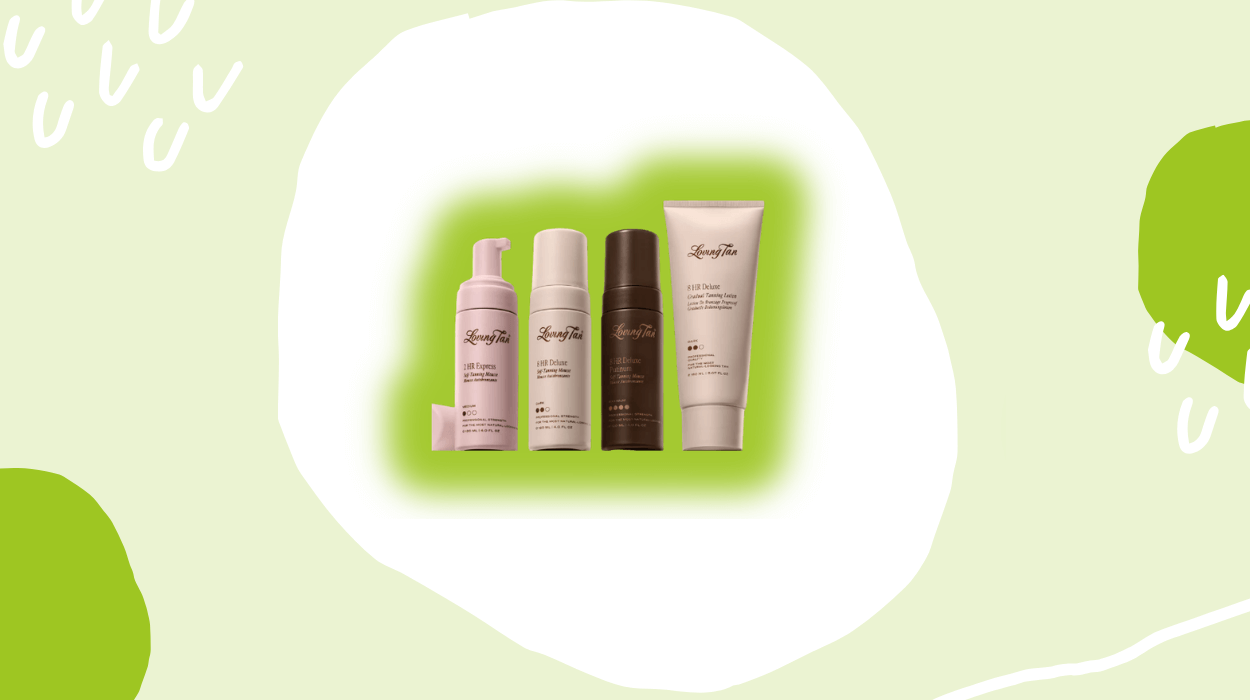

Loving Tan offers various self-tanning products for use on the body and face. Its lineup covers self-tanning mousses, lotions, creams, and facial tanning serums, which are described as helping you achieve professional tanning results from the comfort of your home.
The brand’s catalog is further organized into collections like express tanning formulas, gradual tanning products, face tanning formulas, and beginner-focused options. However, are the brand’s offerings compatible with your specific tanning needs?
In this review, we cover the brand’s formulation standards, range of offerings, shade range provided, and real user experiences with its offerings. The review further discusses how Loving Tan compares with other self-tanning brands.
Founded in 2010, Loving Tan is an Australia-based self-tanning brand that focuses on recreating salon-style results through tan formulations intended for at-home application. Its catalog covers body self-tan, face tan, and accessories, with tanning formats organized across mousses and foams, lotions and creams, face serums, 2HR Express formulas, and 8HR Deluxe formulas.
Some core offerings in its lineup include the 8 HR Deluxe Self-Tanning Mousse, 2 HR Express Self Tanning Lotion, and 8 HR Deluxe Face Self-Tanning Cream. The brand also provides editorial material focused on tanning guidance and routines, including blog content related to tanning techniques, comparisons between self-tan and sun tanning, and product usage tips.
According to its official website, all products from the brand are dermatologist-tested and cruelty-free. The makers also highlight commitments tied to responsible supply chain practices through Soleil Collective LLC, including efforts aimed at preventing modern slavery and human trafficking across operations and sourcing.
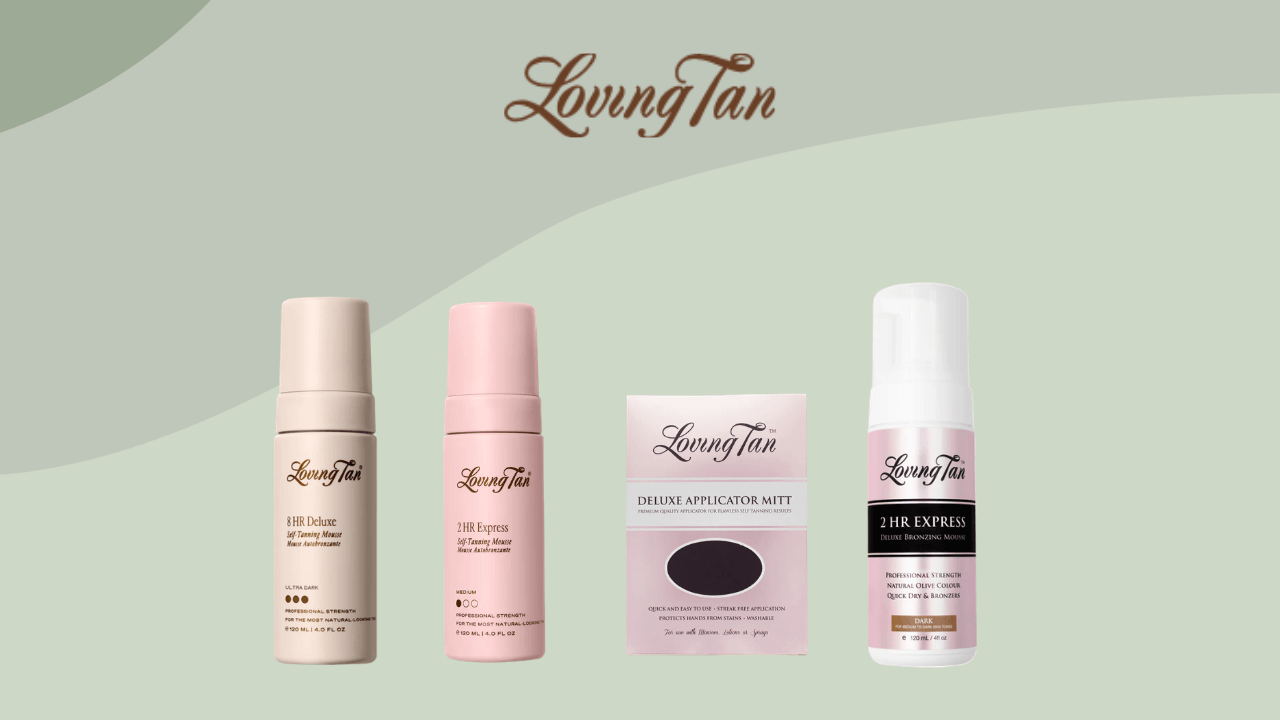
Deluxe Self-Tanning Mousse is intended to support a darker skin appearance without sun exposure. The formula uses a quick-drying mousse texture that spreads evenly across the skin to help reduce streaking and patchiness during application.
According to its official site, the formula is intended to develop over several hours after application and continues deepening in color for up to 24 hours post-rinsing.
At the core of the formula is the ecocert DHA (dihydroxyacetone). It is a colorless sugar molecule that interacts with proteins that are present in the outer layer of your skin. DHA reacts with free amino groups in keratin through a process called the Maillard reaction, which forms brown colored compounds known as melanoidins. These pigments remain in the stratum corneum, which is the outer dead cell layer of the skin, so the color gradually fades as natural skin shedding occurs over several days.
The aloe vera base helps maintain hydration during the tanning process by supplying polysaccharides that bind water and support barrier function. Hydrated skin cells allow more even DHA interaction with surface proteins, which may improve uniform color development and reduce patchiness.
According to its official website, Express Platinum Self-Tanning Mousse is formulated to support a deep skin tan. The mousse spreads across the skin and can be rinsed off after about two hours, while the final shade continues to develop over the next day.
The manufacturers included antioxidant-rich compounds like pomegranate extract and coffee extract in the formulation. Such extracts provide polyphenols like ellagic acid and chlorogenic acid, which help lower oxidative stress caused by environmental exposure and support skin barrier stability during the tanning process. These antioxidants may also help protect lipids and proteins in the skin from free radical damage, which may improve the appearance and uniformity of the tan.
Express Face Self-Tanning Serum is a lightweight facial tanning formula intended to provide a darker glow. It contains hyaluronic acid, which is known as a humectant molecule that can bind water molecules due to its negatively charged structure. Such mechanisms may help increase water retention in the outer skin layer and improve skin plumpness and smoothness.
The manufacturers further included vitamin B5 (panthenol) in the serum that gets converted in the skin into pantothenic acid. This may support lipid synthesis and improve the integrity of the skin barrier, thereby minimizing water loss from the skin surface and irritation.
Face Self-Tanning Serum also contains chamomile extract with compounds like bisabolol and flavonoids, which could help suppress inflammatory signaling pathways like cyclooxygenase and cytokine release. Such effects may help decrease redness and skin sensitivity.
According to its official website, Self-Tanning Lotion is formulated to produce a deeper, natural-looking tan while also providing moisturization support. The formulation is described as compatible for medium to dark skin tones, and its lotion format allows the formula to spread smoothly across the skin surface. It contains shea butter that provides oleic and stearic acid triglycerides. Shea butter may help strengthen the lipid matrix in the outer skin layer, which could improve barrier integrity and decrease water loss from the skin's surface.
The makers further included vitamin E as a lipid-soluble antioxidant in the formula, which integrates into cell membranes and helps lower reactive oxygen species generated by environmental exposure. Such mechanisms may help minimize the risk of concerns like dryness and uneven skin appearance.
Self-Tanning Lotion contains acai extract with polyphenols and anthocyanins that may help decrease free radicals and support microcirculation, thereby improving your skin tone. The makers further included coffee extract, which provides compounds like caffeine and chlorogenic acids that may temporarily stimulate microvascular circulation and provide antioxidant activity. Such effects may contribute to smoother-looking skin and reduced dullness.
Self-Tanning Mousse may support skin tanning effects while still providing a smooth and balanced look. It contains naturally-derived DHA that could interact with proteins in the outermost skin layer and form temporary pigment compounds on the surface. Such mechanisms may help create the appearance of a tan without ultraviolet exposure.
The manufacturers added aloe vera in the formula, which may help increase skin hydration while also supporting barrier recovery and lowering the risk of skin irritation.
According to its official website, 8 HR Deluxe Face Self-Tanning Cream is a facial moisturizer that allows tan to develop gradually while also supporting skin hydration and comfort. It is specifically formulated for use on the face, neck, and décolletage areas.
The cream contains green tea extract that provides polyphenols like epigallocatechin gallate, which could help reduce oxidative stress by neutralizing reactive oxygen species generated from environmental exposure. Decreased oxidative stress in the skin may help maintain collagen structure and barrier integrity, which might contribute to smoother texture and a more even-looking tone.
Face Self-Tanning Cream also contains acai extract, which provides anthocyanins and essential fatty acids that help reinforce the lipid layer of the skin barrier. Such effects may improve the skin’s ability to retain moisture, thereby minimizing concerns like dryness.
Loving Tan states that influencer partnerships play a vital role in its growth strategy. The brand claims that beauty influencers regularly share application tutorials, shade comparisons, and before-and-after demonstrations of the brand’s products across platforms like Instagram, TikTok, and YouTube.
The brand also references visibility connected to public figures and high-profile events, including mentions of Sydney Sweeney at Vanity Fair gatherings. However, these appearances function as third-party exposure rather than direct performance claims. This influencer-driven model may provide frequent, real-world demonstrations across different skin tones and environments. Watching repeated applications in varied settings may help you better assess color depth, finish, and overall results before making a purchase decision.
Loving Tan states that it was founded in 2010 by Joanna Hinton in Brisbane, Australia. The brand presents its origin as purpose-built around the self-tanning category from the beginning. It reflects more than a decade of continuous operation focused on self-tanning. This single-category emphasis shapes its identity, marketing language, and global positioning.
The brand’s messaging continues to focus on supporting salon-inspired tanning results at home, indicating a long-term commitment to the same category rather than expansion into multiple cosmetic segments. A long operating history with a dedicated focus on self-tanning can make the brand feel more experienced and consistent compared with newer or multi-category beauty brands.
Brand-specific clinical evidence validating the efficacy and safety claims of Loving Tan’s products is not publicly available. The brand uses common self-tanning ingredients like dihydroxyacetone (DHA), yet there are no disclosed proprietary clinical trials or peer-reviewed studies tied directly to its formulations.
The official brand website does not publish controlled dermatological study results, irritation testing summaries with quantified outcomes, sample sizes, or research papers specific to its products. A lack of disclosed testing limits insight into how the formulations perform under controlled conditions. Due to this, you are left to rely more on general ingredient knowledge and customer feedback rather than measurable irritation testing or long-term skin studies specific to the brand’s formulas.
The sustainability practices and environmental transparency of Loving Tan are limited beyond cruelty-free claims. As per its official website, the brand states that it does not test on animals and promotes cruelty-free positioning. However, third-party certifications such as Leaping Bunny or similar independent verification seals are not prominently displayed.
Its official website does not publish details about packaging recyclability, recycled material content, refill programs, raw material sourcing standards, or supplier audit practices. Carbon footprint data, emissions targets, ESG reporting, and broader sustainability certifications, such as B Corp, are also not shared.
Such a limited disclosure reduces visibility into the brand’s environmental accountability. The brand’s public messaging focuses more on product performance and cosmetic results than on structured sustainability reporting.
Beauty By Earth and Loving Tan both differ in their scope, heritage, range of offerings, brand philosophy, and distribution channels. Founded in 2014 by Prudence Millsap and Ryan, Beauty By Earth positions itself as a clean beauty brand focused on natural, plant-based formulations across multiple skincare and body care categories. The brand also maintains a dedicated focus on self-tanning products, without the need for sun exposure. Meanwhile, Loving Tan positions itself as a specialized self-tanning brand designed to replicate salon-quality spray tan results in an at-home format.
At the product level, Beauty By Earth maintains a broad catalog that extends beyond tanning into facial skincare, body care, hair care, lips, and sun protection. Some core offerings from the brand include Self Tanner Body Lotion, Self Tanner Body Mousse, and Face Wash Cleansing Gel with Super Fruits & Sea Kelp. Its lineup also includes vitamin C anti-aging products, bakuchiol-based retinol alternatives, deodorants, and hair styling products. Meanwhile, Loving Tan maintains a more focused catalog around tanning needs, organizing its catalog across body self-tan, face tanning, and accessories categories. Some featured products include options like 2 HR Express Self-Tanning Lotion, 8 HR Deluxe Self-Tanning Mousse, and 8 HR Deluxe Face Self-Tanning Cream.
Brand philosophy also reflects clear differences. Beauty By Earth claims to prioritize plant-derived ingredients, non-toxic formulations, and environmental responsibility. The brand highlights certifications like USDA Organic, Vegan, Leaping Bunny cruelty-free, Non-GMO standards, and plastic-neutral initiatives. It also states that manufacturing is conducted in the United States in FDA-certified facilities with small-batch production. On the other hand, Loving Tan positions itself around tanning expertise, dermatologist-tested formulations, and Australian-made manufacturing standards.
Beauty By Earth offers tanning products, along with a broader personal care portfolio, emphasizing ingredient safety, sustainability, and accessibility. Loving Tan is focused on delivering salon-quality results through professional-strength formulations, educational guidance, and consistent color performance.
When comparing Dolce Glow and Loving Tan, both brands operate within the at-home tanning market and share a focus on delivering professional-quality results without UV exposure. However, the brands have some nuances in terms of their positioning, product ecosystem depth, brand narratives, and services provided beyond products.
Dolce Glow was founded by celebrity spray tan artist Isabel Alysa and is deeply influenced by her professional expertise and Italian heritage. The brand presents tanning as part of a broader luxury lifestyle that revolves around radiance, confidence, and skin health. Meanwhile, Loving Tan was founded by Joanna Hinton, emerging from her goal of replicating salon spray tan results in a simplified at-home format.
Formulation philosophy further reflects differences between the brands. Dolce Glow positions itself as a skincare brand, with a secondary emphasis on tanning needs. The brand emphasizes hydrating ingredients, fast-drying textures, streak-free application, and cruelty-free, sulfate-free standards with sustainability-conscious packaging. Meanwhile, Loving Tan emphasizes tanning innovation and performance reliability. The brand claims that all its formulations are Australian-made, dermatologist-tested, and cruelty-free. Ethical manufacturing commitments under Soleil Collective LLC complement the brand’s quality positioning.
In terms of catalog breadth, Dolce Glow maintains a diversified portfolio that features lotions, mousses, mists, sculpting products, serums, and SPF balms. Some signature offerings in its catalog include the Contour Self-Tanning Sculpt + Glow, Lusso Self-Tanning Mousse, and Mia Instant Body Glow. The inclusion of professional-grade Senza Sole lineup in tones such as Violet, Olive, and Clear further reflects its connection to salon-level customization. Meanwhile, Loving Tan organizes its catalog more narrowly around face tanning products, body self-tan, and accessories. Some core offerings include 8 HR Deluxe Face Self-Tanning Cream, 2 HR Express Platinum Self-Tanning Mousse, and 8 HR Deluxe Self-Tanning Mousse.
Dolce Glow extends beyond retail products into professional services and education. The brand operates an in-studio spray tanning location in Glendale, California, along with a network of certified artists. Training programs led by Isabel Alysa include group sessions, one-on-one coaching, advanced contouring courses, and business development education. They are often bundled with equipment, manuals, certifications, and wholesale access. Meanwhile, Loving Tan offers educational content like video tutorials and preparation guides, with no dedicated coaching programs or options to support professional training pathways.
When evaluating Loving Tan, we analyzed verified customer feedback across Amazon to understand real-world experiences. The 8 HR Deluxe Self Tanning Mousse carries a 4.5 out of 5 rating, which is based on more than 2,000 reviews on Amazon. Many highlighted the ease of application, natural-looking colour, and minimal self-tanner odor with the product. Some users described the colour as realistic and streak-free, noting that it did not transfer easily to clothing or bedding. However, a few users expressed that fading of the tan began within a day or two, especially when exposed to water or friction from clothing. Some also mentioned uneven fading or the need for frequent reapplication to maintain results.
2 HR Express Self-Tanning Body Lotion maintains a 4.4 out of 5 score based on more than 150 reviews. Positive feedback highlighted smooth, moisturising application, natural colour development, and a faint scent. Some users with sensitive skin frequently reported tolerating the formula well, and some described the results as comparable to professional spray tans. However, mixed experiences with the product focused on occasional reports of scent changes during development, minor colour transfer, or inconsistent results depending on skin chemistry.
Based on the available feedback, it appears that several users highlighted satisfaction with colour realism, ease of use, and overall finish with the brand’s offerings. However, recurring limitations revolved around premium pricing, bottle size, and variability in tan longevity.
In evaluating the brand, we reviewed its core positioning and standing across independent review forums. Loving Tan has built recognition within the self-tanning space through a focused range of at-home tanning mousses, lotions, and gradual tanners.
On Trustpilot, the brand carries a 4.0 out of 5 score from 90+ reviews. Positive feedback frequently mentions natural-looking color, low odor compared with typical self-tanners, and easy application. Some reviews noted the compatibility of the brand’s offerings for sensitive or very fair skin. However, some reviews noted patchiness with facial products, occasional streaking or uneven fading, packaging leakage, and unmet expectations from social media imagery.
Currently, the brand shows little or no active presence on other independent platforms such as the Better Business Bureau, ConsumerAffairs, or ThingTesting, which limits the breadth of third-party feedback. The available evidence indicates that the brand has a steady user base and strong satisfaction among many repeat buyers. However, these positives are balanced by consistent concerns about price, packaging, and result variability.
Loving Tan emphasizes fast-developing, DHA-based formulas intended for self-tanning and easy application. However, factors like preparation, application technique, and aftercare practices impact outcomes with the brand’s offerings. The tan typically fades as the outer skin layer sheds, meaning outcomes require ongoing maintenance.
The brand’s narrow product scope may limit support for broader skincare concerns, such as hyperpigmentation, dryness, uneven tone, or sun protection. It is also important to note that DHA-based tanning does not create natural melanin or provide UV protection, making sunscreen use essential even after application.
When considering Loving Tan and its offerings, it is essential to consider that uneven skin texture, dryness, or oil buildup may affect absorption, increasing the likelihood of streaking or patchiness despite color-guide technology. Personal experiences and outcomes may vary widely based on factors like skin type, routine consistency, and maintenance habits such as moisturizing and avoiding frequent exfoliation.

Contact us at [email protected] or follow @leafsnap on Twitter! View our Privacy Policy.