



ILGM is a seed company that offers a wide selection of cannabis genetics along with related products and services. The brand presents itself as a platform focused on providing access to different seed varieties.
Its product range includes feminized, autoflower, and mixed seed varieties across indica, sativa, and hybrid categories. The company also offers accessories, grow-related supplies, and strain-based collections that organize products by characteristics such as potency, yield potential, and plant type.
In this review, we look at the brand’s limitations and discuss the legal framework within which the brand operates. We also provide a comparison with similar platforms to help you better understand the brand’s positioning.
As per the official site, ILGM (I Love Growing Marijuana) was founded in 2012 by Dutch grower Robert Bergman. The company operates as an online seed bank and education platform for beginner and experienced growers.
The platform includes a Strain Finder, Grow Assistant, Community Forum, and Grow Guides. Its seed catalog features strains such as Blue Dream Autoflower, White Widow Autoflower, Northern Lights Autoflower, Girl Scout Cookies Extreme Autoflower, and Apple Fritter.
The brand also offers Grow Kits, including a Beginner Grow Kit that combines seeds, nutrients, and growing instructions. Its offerings are organized into categories such as Feminized Seeds, Autoflower Seeds, and Seed Mix Packs.
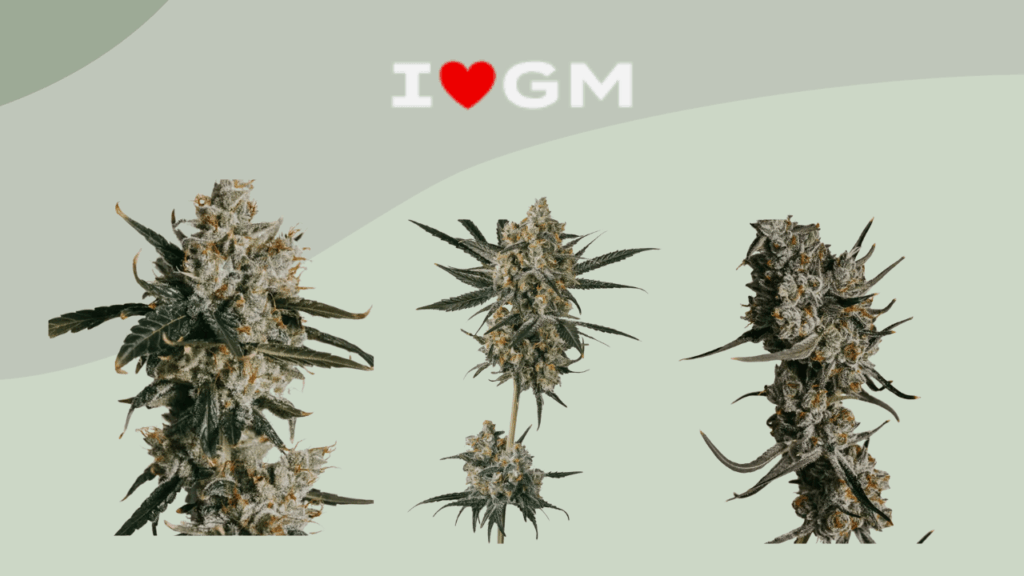
ILGM primarily markets genetics under its own brand identity, which means you have less direct access to the breeder diversity commonly found on multi-breeder seed platforms. As its catalog is presented through a centralized ILGM framework, individual breeder identities, breeding programs, and proprietary genetic lineages are generally less visible than they are on marketplaces that prominently feature independent seed companies. If you closely follow specific breeders or seek newly released genetics from emerging breeding programs, this structure may provide fewer opportunities for direct breeder comparison.
This approach may appeal less if your main focus is breeder-specific selection, niche genetics, or access to a wider range of independently developed cultivars. You will generally be selecting from genetics curated and presented through the ILGM ecosystem without being able to compare a broad range of breeder-specific offerings.
Homegrown Cannabis Co. operates as a cultivation marketplace that combines seeds with live clones, nutrient products, and soil-support products such as Underground Mix mycorrhizae powder. ILGM, in contrast, follows a more focused seed-bank model centered on seeds and cultivation education. While Homegrown Cannabis Co. extends into live plants and growing inputs, ILGM concentrates on seed genetics, grow guides, and digital cultivation tools.
The brands also differ in their product selection. Homegrown Cannabis Co. offers a large catalog of nearly 500+ strains, including newer cultivars, celebrity collaborations, and Seed Mix Packs. ILGM maintains a smaller, curated selection that emphasizes established and widely recognized strains. Its website also includes filtering tools that allow you to sort products by characteristics such as terpene profile, flowering time, and plant resilience.
Homegrown Cannabis Co. provides a broader cultivation catalog that includes seeds, clones, and growing supplies. ILGM focuses on seeds, cultivation resources, and a germination guarantee, with an emphasis on helping growers navigate the growing process.
North Atlantic Seed Co. and ILGM both function as U.S.-based seed retailers, but they differ in how they structure their storefronts, product organization, and customer navigation. As per its official site, NASC is built around frequent breeder collaborations and rotating drops, while ILGM follows a more standardized catalog model that is organized around grower categories, difficulty levels, and structured learning tools.
The product structure also highlights a difference in how both brands present inventory. NASC organizes its catalog around breeder identity and limited releases, prominently featuring breeders such as Night Owl Seeds, Fast Buds, Barney’s Farm, Ethos Genetics, Mephisto Genetics, Dirty Bird Genetics, and Royal Queen Seeds. ILGM, in comparison, structures its catalog more around user segmentation and growth intent. It includes details like Beginner Seeds, Indoor Grow Champions, Autoflower Seeds, Feminized Seeds, and High Yield Seeds.
Both brands offer core seed categories such as autoflower and feminized seeds, but their presentation and emphasis differ. NASC highlights breeder-specific autoflower collections, often tied to limited drops, tester packs, or seasonal promotions. Autoflower details include multiple breeders across packs, reflecting a marketplace model with diverse sourcing. ILGM, on the other hand, frames autoflower seeds more as a standardized category, describing them as beginner-friendly, fast-growing, and structured for simplicity. Its catalog includes strains like Northern Lights, Blue Dream, and Apple Fritter.
NASC works as a breeder-centric marketplace with frequent limited drops and bundled offers tied to breeder identity and availability. ILGM operates as a more structured retail system with category-based navigation that emphasizes user guidance, beginner accessibility, and integrated educational tools.
ILGM operates within a legal framework shaped by federal hemp law, state regulations, and evolving enforcement policies. The company mainly relies on the interpretation that ungerminated seeds contain negligible THC and may therefore qualify as hemp under the 2018 Farm Bill if they remain below the federal 0.3% delta-9 THC threshold.
This interpretation gained support after DEA guidance indicated that seeds with compliant THC levels may fall outside Schedule I classification. Due to this, ILGM has been able to offer and ship seeds across many U.S. states under a hemp-based compliance model.
Federal legality remains limited because cannabis itself is still federally restricted in several contexts. Even with ongoing reform discussions and regulatory developments through 2026, recreational marijuana has not been fully legalized at the federal level. Interstate commerce continues to face restrictions, while cultivation rights are primarily controlled by state laws.
State-level legality also differs significantly across the U.S. Adult-use home cultivation is permitted in states such as California, Colorado, and Michigan, where adults above the legal age can grow limited numbers of plants for personal use. Some states, such as Idaho, Kansas, and Wyoming, continue to maintain stricter prohibitions against cultivation and possession.
Another major factor affecting the brand is the anticipated federal hemp rule changes expected to take effect in late 2026. Legal analyses indicate that regulators may shift from evaluating only the THC content of the seed itself to considering the THC potential of the plant genetics. If implemented broadly, this could affect interstate seed sales, shipping practices, and the legal treatment of high-THC seeds.
ILGM does not operate within a fully settled regulatory framework. Its model relies on current federal hemp interpretations, state-level laws, domestic shipping regulations, and the legal distinction between possessing seeds and cultivating plants. The legality of purchasing seeds may differ from the legality of germinating and growing them, depending on the jurisdiction.
ILGM operates within a complex regulatory environment shaped by federal hemp interpretations, state laws, and evolving enforcement policies. While the company relies on the position that compliant seeds may qualify as hemp under current federal guidance, cultivation rights, possession rules, and shipping eligibility remain heavily dependent on state and local regulations.
Moreover, purchasing seeds does not necessarily grant the legal right to germinate or cultivate them. You are responsible for verifying applicable laws in your jurisdiction before placing an order. Future regulatory developments, including potential changes to federal hemp rules, could further influence how seeds are sold, shipped, and regulated across the region.

Contact us at [email protected] or follow @leafsnap on Twitter! View our Privacy Policy.