
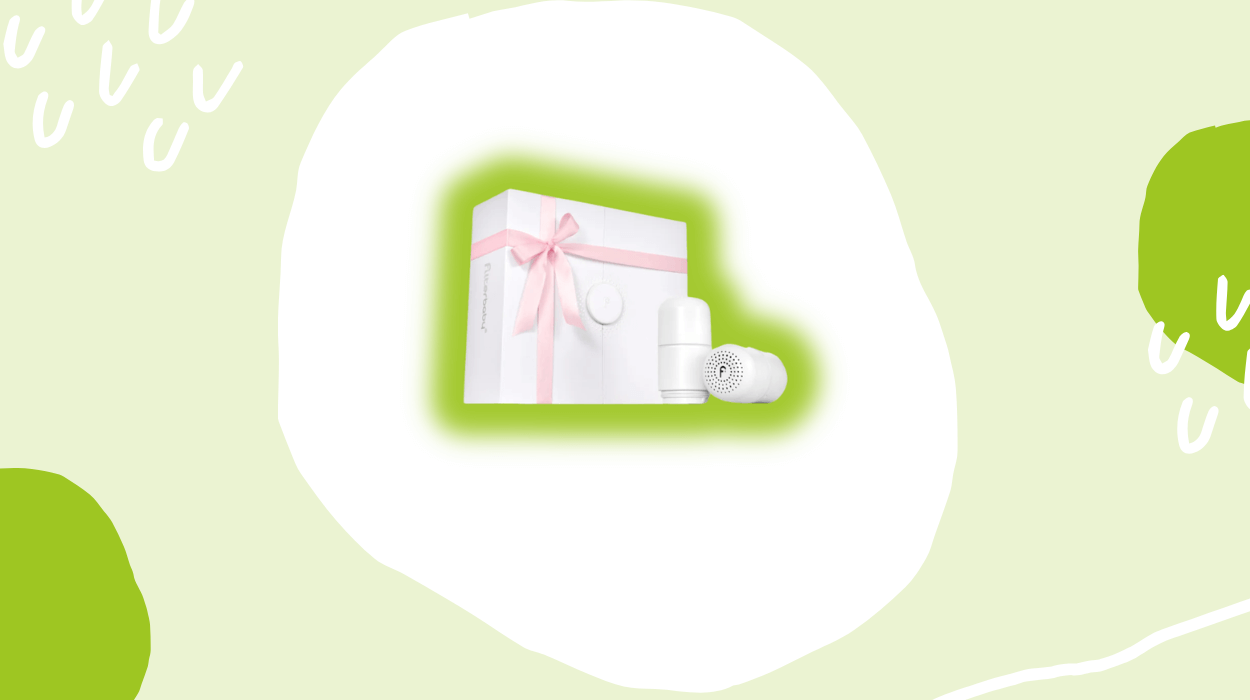
FilterBaby claims to focus on an often overlooked trigger of skin and hair concerns, which is tap water contaminants. It positions filtration as the first intervention point through its core lineup, including faucet-mounted and shower filtration systems. The brand claims its products can help remove chlorine along with other impurities that may contribute to dryness, redness, breakouts, and hair texture changes.
In this review, we will assess the credibility and scope of the brand’s contaminant removal claims and evaluate user experiences. We will also address limitations, potential trade-offs, and how the brand compares to similar brands.
Filterbaby was founded by Xin Shui and Lynn Shui and positions itself as a science-focused alternative to standard faucet and shower filtration systems. The brand emphasizes contaminant-specific removal, targeting chloramine, microplastics, heavy metals, and particulate matter. Its Skincare Water Filter 2.0 is engineered to maintain chlorine-removal performance with lab-certified testing that reports a ±6% fluctuation range.
The broader lineup includes the Skincare Water Filter 2.0 for sink faucets, the Filterbaby Showerhead Pro, the Titanium Aluminum Shower Filter, and the Diamond Series Shower Filter, along with refill cartridges and multi-unit bundles. The systems include high-grade activated carbon and ultra-filtration membranes with nano-thread technology designed to capture contaminants as small as 0.1 microns.
The brand also highlights materials that reference triple-testing protocols and a proprietary filtration platform supported by more than 45 patents and international patent applications.
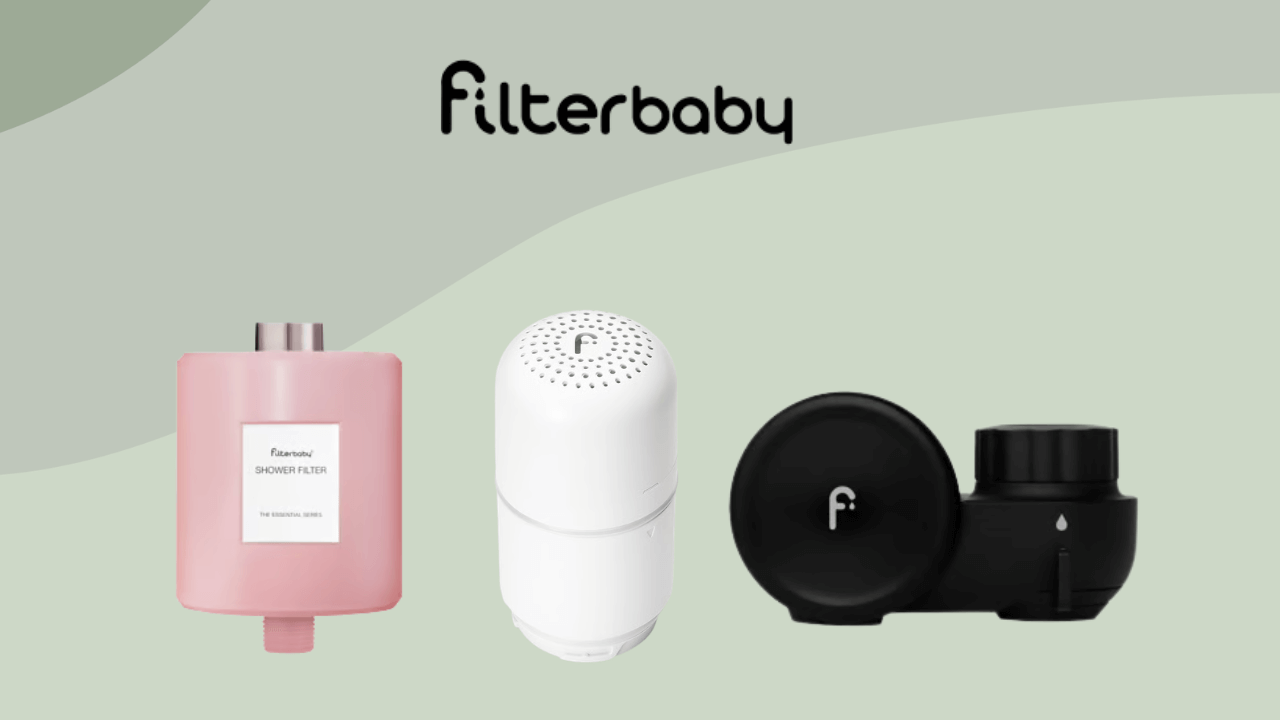
Filterbaby’s product line concentrates on cosmetic filtration devices intended to reduce exposure to chlorine and select contaminants at the specific points where water contacts skin and hair. Its catalog includes faucet-mounted skincare filters, shower filtration systems, and replacement cartridges.
The Skincare Water Filter 2.0 can be attached to a bathroom faucet, filtering water used for facial cleansing. Municipal water frequently contains residual chlorine as a disinfectant. Chlorine exposure can increase transepidermal water loss and contribute to dryness or irritation, particularly if you have a sensitive or compromised skin barrier. Faucet-mounted filtration systems that rely on activated carbon or similar media can reduce free chlorine and, depending on design, may also lower concentrations of certain heavy metals such as lead.
The shower filter lineup, including the Titanium Aluminum Shower Filter, Showerhead Pro, and Diamond Series Shower Filter, extends this approach to full-body and scalp exposure. Chlorinated water, especially during prolonged showering, may affect hair shaft condition, particularly in porous, color-treated, or chemically processed hair. Multi-stage shower filtration systems can reduce chlorine and some particulate contaminants at standard flow rates. The brand’s product line functions as targeted, point-of-use filtration through chlorine and contaminant reduction at the sink or showerhead.
Filterbaby positions itself within a narrowly defined niche, which is skincare-focused water filtration rather than general household purification. Brand messaging outlines how unfiltered tap water, particularly chlorine and certain contaminants, may contribute to dryness (through depletion of natural oils), irritation, redness, breakouts linked to residue or pore-clogging particles, and worsening of sensitive-skin conditions such as eczema or psoriasis.
The company frames these concerns within a cosmetic and barrier-health context, connecting water exposure to texture changes, perceived premature aging linked to collagen stress, and reduced topical product performance. This creates a specialized identity distinct from broad water filtration brands that emphasize taste or drinking water safety.
This niche positioning clarifies the intended benefit, which is improving the skin environment rather than purifying drinking water. If you are assessing contributors to dryness, irritation, or inconsistent skincare results, the brand’s product is marketed as a way to reduce chlorine exposure and surface irritants before applying topical products. Its focused narrative may help you determine whether water quality is a variable worth addressing in your skincare routine.
Filterbaby promotes its system as triple-action filtration, describing it as a multi-stage configuration rather than a single-media faucet cartridge. Brand materials reference reduction of physical contaminants as small as 0.1 microns, including chlorine, chloramine, cysts, microplastics, bacteria, rust, and copper. The positioning emphasizes broader contaminant targeting beyond standard chlorine-only filters. The system also highlights maintained water pressure and a built-in limiter engineered to withstand high household pressure conditions, framing the design as performance-oriented rather than flow-restrictive.
This multi-stage positioning suggests filtration coverage across multiple contaminant categories rather than a single disinfectant focus. If your municipal water supply uses chloramine or if aging plumbing contributes sediment or metal residue, the broader reduction claims may be relevant to your evaluation. In practical terms, this may matter if you are considering water quality as a factor in dryness, irritation, or sensitivity. Performance outcomes, however, depend on your local water composition and on replacing cartridges within the recommended usage period.
Filterbaby promotes sustainability through a claim of using up to 80% less plastic, but this metric is presented as a relative plastic-weight comparison rather than as part of a fully audited environmental impact assessment. Public-facing materials do not include a published lifecycle assessment (LCA), carbon footprint disclosure, ISO-aligned environmental reporting, or widely recognized eco-certifications such as Cradle to Cradle, Carbon Neutral, or B Corp. In parallel, NSF International has issued a public notice stating that Filterbaby products are not listed or authorized to claim NSF 42 or NSF 177 compliance, and the brand does not appear in NSF’s certified product databases. While Filterbaby cites internal or third-party lab data indicating up to 99% chlorine reduction (98% after 10,000 liters), these results are not equivalent to formal NSF certification, which requires independent auditing, facility inspection, and ongoing compliance monitoring.
The environmental and filtration narratives rely more on self-reported metrics than on comprehensive third-party certification frameworks. This means both the sustainability positioning and chlorine-reduction performance claims require reliance on brand-provided data rather than standardized, independently certified benchmarks. If you prioritize rigorously audited environmental credentials or formally certified water filtration standards such as NSF/ANSI 177, the absence of listing may affect confidence.
Eskiin and Filterbaby both position themselves within the beauty-focused water filtration category, targeting chlorine, heavy metals, and other contaminants that contribute to dryness, irritation, and hair damage. While both brands frame their products as essential for skin and scalp health, their scope, engineering emphasis, and ecosystem strategy differ.
Eskiin operates primarily within a shower-centric model. Its core product is a handheld filtered showerhead available in finishes such as Chrome, Black, and Brushed Nickel. The system has a proprietary 15-stage filtration structure, including a ceramic face filter for trapping rust and sediment, combined with KDF-55, calcium sulfite, and coconut activated carbon to reduce chlorine and heavy metals. Filters are designed for approximately 90 days of use under normal conditions, supported by an auto-ship subscription model. The brand also has Handheld Filter Showerhead, Wallmount Showerhead Bundles, and Handheld Showerhead bundle options. Filterbaby adopts a broader, multi-point filtration strategy. Its skincare faucet filter utilizes a multi-step system combining carbon fiber with a 0.2-micron hollow fiber ultrafiltration membrane as its final stage, effectively capturing tiny particles like bacteria, microplastics, rust, and parasites down to 0.00001mm scale. In addition to faucet systems, Filterbaby also offers shower filters and refill options.
Both brands promote ease of installation, compatibility with standard plumbing, and approximately 90-day filter replacement cycles supported by subscription programs. Dermatologist alignment and founder-origin narratives reinforce credibility, though neither brand prominently displays downloadable third-party certification documents within primary site pages.
In terms of transparency, Eskiin details its multi-layer filtration components, while Filterbaby highlights ultrafiltration specifications and dermatologist references. However, both rely primarily on internal testing claims and customer testimonials rather than prominently displayed independent laboratory certifications.
Eskiin offers a 60-day money-back guarantee with no restocking fees and prepaid return labels, reinforcing buyer confidence. Filterbaby provides a 30-day guarantee, generally requiring products to be returned in original condition. Both brands support subscription-based replacement models.
Eskiin is a more luxury-focused, shower-exclusive filtration upgrade brand with enhanced pressure and spa appeal. Filterbaby highlights a broader contaminant coverage across sinks and showers. One provides you with an upgraded shower experience, and the other claims to provide a comprehensive point-of-use purification.
Jolie Skin Co. and Filterbaby offer point-of-use filtration systems designed to reduce chlorine, heavy metals, and other contaminants that contribute to dryness and buildup affecting skin and hair. Their scope and strategic execution highlight some differences. Jolie focuses on a single shower device, whereas Filterbaby has a broader, multi-format filtration lineup supported by aggressive bundle pricing and performance-driven claims.
Jolie Skin Co focuses exclusively on its flagship filtered showerhead, offered in multiple premium finishes including Brushed Steel, Jet Black, Modern Chrome, Brushed Gold, and Vibrant Red. It includes an installed filter and is engineered for universal compatibility with standard U.S. shower arms. The replacement cartridges utilize a dual-media system combining KDF-55 and calcium sulfite to reduce chlorine and heavy metals, with a stated lifespan of approximately 90 days. The brand does not extend into faucet or sink filtration, highlighting its shower-only strategy.
Filterbaby’s portfolio includes faucet-mounted skincare filters, multiple shower filter series such as Titanium, Aluminum, and Diamond models, and bundled multi-unit kits. Materials emphasize durability and flow optimization, including titanium-aluminum construction in higher-tier models. The brand markets high contaminant removal rates, targeting chlorine, chloramine, lead, mercury, microplastics, sediment, and hard minerals.
Jolie frames its product as a premium lifestyle essential. It highlights upgrading the daily shower experience into a ritual, supported by aesthetic design, and a 60-day money-back guarantee. Filterbaby adopts a more performance-oriented tone. It highlights quantified claims around chlorine removal and skin hydration improvements, dermatologist alignment, and suitability for hard-water environments.
Pricing structures support strategic differences. Jolie positions its filtered showerhead at a premium tier, with a one-time price of around $169 and a reduced subscription entry near $98. Filterbaby highlights a single-unit pricing into the $79–$126 range, while multi-unit bundles are typically priced between $138 and $250, depending on configuration.
Jolie Skin Co prioritizes design cohesion, subscription continuity, and a refined, single-device ecosystem tailored to shower-based beauty routines. Filterbaby emphasizes filtration breadth, contaminant range, and bundle economics suited to multi-fixture use.
To assess the overall brand credibility of FilterBaby, we reviewed third-party consumer protection and review platforms. According to the Better Business Bureau, FilterBaby is not BBB accredited and currently holds an F rating. The profile reflects complaints filed within the past years, with some of them closed in the last few months.
Complaint summaries reveal subscription-related issues, including difficulty canceling recurring shipments, continued billing after cancellation attempts, and delayed responses from customer support channels. Additional complaints cite shipping delays, missing tracking data, orders marked delivered to incorrect addresses, and refund processing delays, which raises concern regarding response gaps.
To evaluate broader consumer perception beyond BBB records, we also examined the company’s profile on Trustpilot. The brand holds a TrustScore of 4.5 out of 5 across 390+ reviews. Many users highlight noticing some improvements in skin hydration, acne reduction, eczema relief, and hair softness. Installation simplicity, aesthetic finishes such as black and gold, maintained water pressure, and packaging clarity are also cited.
However, operational concerns mirror BBB complaints. These include subscription billing disputes, difficulty canceling recurring shipments, delayed or missing deliveries, reshipment fees, inconsistencies in replacement filter quality, mechanical difficulty unscrewing filters, alleged mold buildup inside housing units, and water pressure reduction in certain installations. In multiple cases, the company publicly responded by directing customers to support channels, indicating engagement but not independently verified resolution outcomes.
The available information highlights some satisfaction shared by users. At the same time, recurring operational friction is tied to subscription management, customer service responsiveness, fulfillment reliability, and claim verification concerns.
We analyzed user feedback on Amazon for the brand’s key offerings. Its Skincare Filter for Bathroom Faucet holds a 4.4 out of 5-star rating based on 400+ global ratings. Positive feedback consistently emphasizes ease of installation, with many reporting timely setup and no requirement for specialized tools. Users also described improvements in skin softness, reduced dryness, and decreased irritation after washing with filtered water. However, some highlight value-for-money concerns, isolated compatibility issues with certain faucet types, and minor installation difficulties.The Pro Series Titanium Shower Filter also has a 4.4 out of 5-star rating, which is based on 80+ global ratings. People shared that they noticed softer skin, reduced dryness, diminished scalp irritation, and improved hair texture following installation. Customers also report improved moisture retention and reduced irritation. The metal construction and modern finish receive consistent praise for durability and premium aesthetics. However, some report minor reductions in water pressure after installation. A small number of users shared that there were leakage issues. These user reviews reflect that the brand’s offerings provide additional support, particularly in relation to perceived skin and hair benefits, installation simplicity, and design quality. Recurring drawbacks center on premium pricing considerations and isolated reports of leakage or service delays.
FilterBaby highlights being focused on a contaminant-specific, point-of-use filtration provider to manage reducing the presence of heavy metals, microplastics, and particulate exposure directly at the sink and shower.
The brand presents its offerings as performance tools and considers water quality as a controllable external variable in skincare and haircare. Results, however, remain dependent on local water chemistry and consistent cartridge replacement schedules.
The absence of prominently disclosed NSF/ANSI certifications and publicly available third-party lifecycle audits shifts evidentiary weight toward brand-supplied testing rather than standardized external benchmarks. Without third-party lifecycle audits, you have to depend primarily on manufacturer-supplied data, increasing dependence on internal validation.
You should also monitor the brand’s filter performance and strictly follow the manufacturer’s cartridge replacement schedule. Exceeding the rated service life can reduce adsorption capacity, increase pressure drop, and allow contaminant breakthrough, diminishing overall filtration effectiveness. If your area’s municipal water already meets regulatory contaminant thresholds and exhibits low total dissolved solids (TDS), the incremental benefit of the brand’s offerings may be minimal.

Contact us at [email protected] or follow @leafsnap on Twitter! View our Privacy Policy.