



Check My Body Health functions in the at-home health testing space, with a focus on testing for food allergies, intolerances, and sensitivities. It also highlights features such as at-home sample collection, testing through accredited laboratories, digital result delivery, and a broader support ecosystem beyond testing alone.
The platform claims to help identify potential triggers behind symptoms such as digestive discomfort, fatigue, skin issues, food sensitivities, and allergy testing. It also provides access to offerings like vitamins, products, diet and nutrition services, and meal planning support.
In this review, we examine the brand’s testing methods, service structure, expert support options, and its range of products. The review also discusses the associated advantages, potential brand limitations, and transparency around its testing standards.
Founded in 2019, Check My Body Health functions under Global Health Tests Ltd, offering at-home testing kits that focus on food sensitivity and allergy assessment. The brand’s digital-first approach can help you understand your fitness level at home, pairing testing, reporting, and follow-up support.
As part of its testing services, Sensitivity and intolerance testing includes hair-based bioresonance sensitivity tests that evaluate potential imbalances across up to 1500+ food and non-food options.
Core offerings within this category include the Body Sensitivity Test, Complete Food Sensitivity Test, Essentials Food Sensitivity Test, and Food Sensitivity Test.
Allergy testing is handled through IgE blood-based assessments, with offerings such as the Allergy Test Basic, Allergy Test Advanced, Skin Allergy Test, and the Allergy and Intolerance Combined Test.
The brand integrates post-test support as a core part of its service structure. It provides access to certified nutritional therapists, nutritionists, and general practitioners with many IgG and IgE tests, offering one-to-one virtual consultations to help interpret results and guide dietary or lifestyle adjustments.
Check My Body Health also maintains a dedicated supplements and vitamins catalog intended to complement testing insights. Offerings range cover categories such as digestive health, metabolic support, stress support, skin care, and general wellness. Products listed within this range include options such as the Diet Drops Ultra 1 oz, Fat Burner with MCT, Probiotic 40 Billion with Prebiotics, Probiotic 20 Billion, Magnesium Glycinate, Complete Multivitamin, and Natural Gut Wellness Capsules.
The brand also emphasizes laboratory quality and compliance across its testing services. Partner and internal laboratories are described as holding accreditations such as ISO9001, ISO13485, ISO15189, ISO17025, and UKAS standards, with testing conducted at USA laboratories for applicable products.
Body Sensitivity Test is an at-home screening that uses a hair strand sample to assess potential reactivity to a wide range of everyday exposures. It is categorized as a sensitivity screening that covers sensitivity screening for 1,500 food and non-food items.
The analysis uses bioresonance hair testing, a complementary and alternative method that evaluates energetic responses instead of antibodies, enzymes, or biochemical markers. Each tested sensitivity factor is assigned to one of three categories, namely high reactivity, moderate reactivity, or no reactivity.
Results are presented as indicators of possible sensitivities that may be associated with symptoms such as digestive discomfort, skin concerns, headaches, fatigue, or joint pain.
The panel extends beyond food and drink to include environmental and lifestyle-related exposures. Coverage includes additives, metals, vitamins, minerals, gut bacteria, digestive enzymes, environmental allergens, and cosmetic-related substances.
Added categories include assessment of themes such as collagen and hyaluronic acid, stress and inflammation markers linked to cortisol, sleep-related analysis associated with melatonin, and skin reactivity to household chemicals and fragrances.
Post-testing, you are eligible to receive a digital result report along with an elimination diet guide and a food reintroduction diary. These resources are designed to support short-term dietary testing rather than long-term restriction.
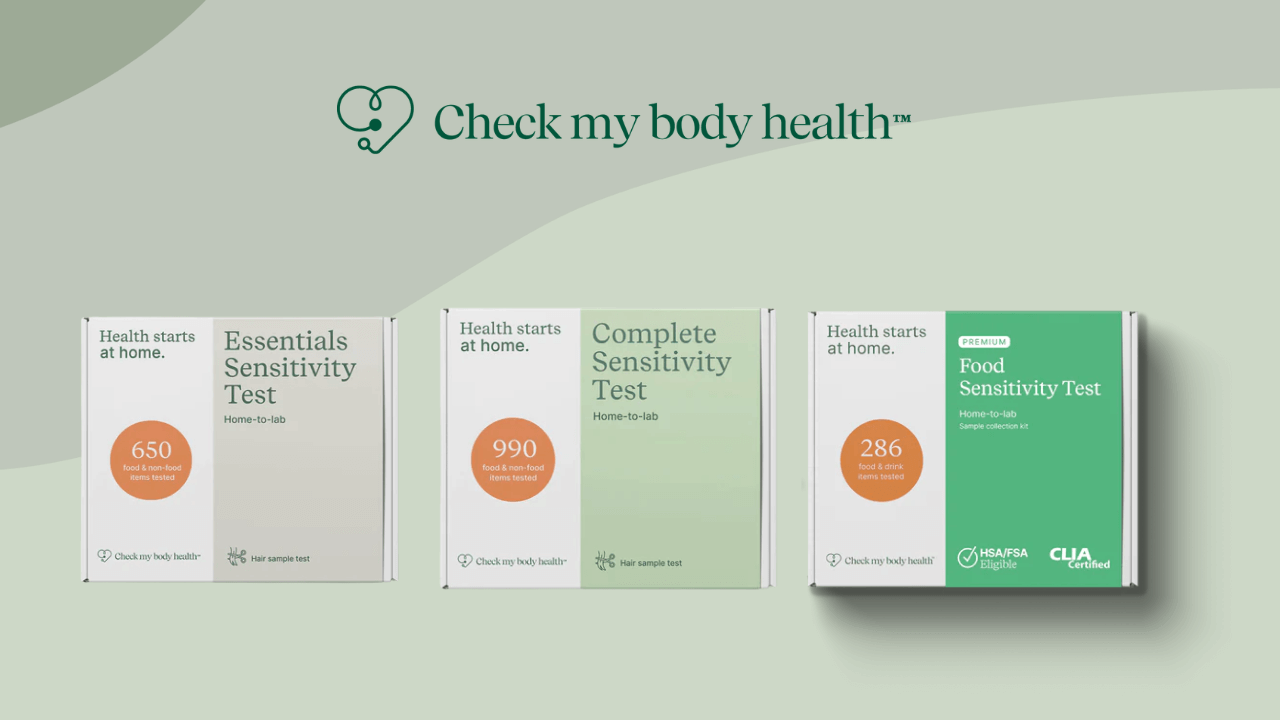
The Complete Food Sensitivity Test focuses on screening for food-related and lifestyle-linked sensitivities. As per the official website, it evaluates reactivity across 990 food and non-food items, centering on what the brand defines as delayed or cumulative responses that may develop over time and are influenced by diet, environment, or lifestyle factors.
Testing includes a wide range of foods and drinks along with non-food categories. The Complete Food Sensitivity Test panel covers fruits, vegetables, grains, dairy, meats, nuts, seeds, herbs, and drinks, as well as heavy metals, vitamins, minerals, additives, sweeteners, preservatives, environmental allergens, and gut bacteria.
Bioresonance analysis categorizes each tested item into high reactivity, moderate reactivity, or no reactivity. High-reactivity items are presented as potential contributors to symptoms and are commonly recommended for short-term elimination. Moderate-reactivity items are framed as possible contributors when consumed frequently or in combination.
Essentials Food Sensitivity Test is intended to provide a more focused overview of potential dietary and environmental sensitivities. It evaluates reactivity to 650 food and non-food items and serves as a narrower alternative to the brand’s larger sensitivity panels.
Coverage includes sensitivity screening against major food groups such as dairy, eggs, meats, fish, grains, fruits, vegetables, nuts/seeds, herbs, and drinks, along with selected non-food categories. These include heavy metals, vitamins, minerals, additives, organic compounds, plant pollens, materials, and environmental exposures. Compared with broader panels, this test excludes gut bacteria and digestive enzyme markers, reflecting its more limited scope.
Food Sensitivity Test is Check My Body Health’s most comprehensive laboratory-based option for assessing food and drink reactions using blood analysis rather than hair testing.
As per the official website, the test measures food-specific IgG antibodies across all four subclasses (IgG1, IgG2, IgG3, and IgG4) for up to 286 foods and drinks covering 13 major food groups. These include vegetables, fruits, grains, dairy, eggs, meats, fish and seafood, nuts, beans, coffee and tea, fungi and yeasts, and sugars.
Check My Body Health describes IgG reactivity as a marker of immune exposure rather than a diagnosis of food allergy or intolerance. Elevated IgG levels are positioned as potentially relevant when considered alongside symptoms, dietary habits, and personal health history.
The test does not diagnose IgE-mediated allergies, coeliac disease, lactose intolerance, or FODMAP sensitivity, and medical evaluation is advised for acute or severe reactions.
Probiotic 20 Billion CFU is formulated to support digestive balance, immune function, and nutrient absorption through a blend of beneficial bacteria. Its one capsule delivers a total of 20 billion colony-forming units and is designed as a one-month supply with 30 capsules per bottle.
The formulation includes a diverse range of Lactobacillus and Bifidobacterium strains, including L. acidophilus, L. rhamnosus, L. plantarum, L. reuteri, B. lactis, B. bifidum, and B. longum, among others. This multi-strain approach is intended to support microbial diversity in the gut, which plays a role in digestion, maintenance of gut barrier function, and interaction with immune pathways.
Check My Body Health emphasizes gut–immune interaction as a central rationale for this product, noting that a significant portion of immune activity is associated with the gastrointestinal tract.
The probiotic strains included are described as supporting digestive comfort, helping rebalance gut flora disrupted by diet, stress, or antibiotic use, and contributing to more efficient breakdown and absorption of nutrients.
Keto BHB is intended to support those following a ketogenic or low-carbohydrate eating pattern. The product is positioned around helping the body transition into ketosis, the metabolic state in which fat is used as a key source of energy instead of carbohydrates.
The formulation centers on beta-hydroxybutyrate (BHB) salts combined with supporting nutrients. Calcium BHB, Magnesium BHB, and Sodium BHB are included to supply exogenous ketones while also contributing electrolytes that are commonly depleted during the early stages of ketosis.
MCT powder is added for its role as a rapidly metabolized fat source that can be converted into ketones, while calcium citrate is included to support general mineral intake during dietary carbohydrate restriction.
Keto BHB may help support energy availability and metabolic efficiency during ketosis. By supplying ketone bodies directly, the formulation might reduce some of the transitional effects associated with low-carbohydrate diets, such as low energy or fatigue, while supporting sustained physical and mental performance. The inclusion of minerals reflects an attempt to address electrolyte balance, which can be affected when carbohydrate intake is significantly reduced.
Ultra Cleanse Smoothie Greens focus on supporting general energy levels and metabolic balance. The formulation includes organic grass powders, vegetables, fruits, sea vegetables, herbs, and botanical extracts.
Grasses such as barley, wheat, oat, rye, and kamut are combined with vegetable powders like beet, broccoli, spinach, and rhubarb to provide naturally occurring micronutrients and phytonutrients.
Fruit-derived components such as apple pectin, pineapple, grape skin extract, and acerola juice powder contribute additional plant compounds commonly associated with antioxidant activity.
Ultra Cleanse Smoothie Greens also contains milk thistle, ginger, green tea, ginkgo biloba, astragalus, licorice, and schisandra.
Sea vegetables, including spirulina and chlorella, add further nutritional density, while fructooligosaccharides (FOS) are included as a prebiotic fiber source to support digestive balance and cardiovascular health.
Ultra Cleanse Smoothie Greens might promote sustained energy support, blood sugar stability, and antioxidant protection.
The combination of fiber, plant extracts, and whole-food powders is intended to promote steadier energy release. Antioxidant-rich components are highlighted for their role in reducing oxidative stress, while liver-supporting herbs are positioned as complementary to the body’s natural detoxification pathways.
Sea Moss combines Irish moss, bladderwrack, and burdock root to support metabolic balance, thyroid function, immune resilience, and skin health.
Irish moss and bladderwrack are types of seaweed known for their naturally occurring minerals, including iodine. The iodine content from sea vegetables is highlighted for its role in supporting normal thyroid activity, which influences metabolism, energy regulation, and cognitive function. The makers also added bioperine in Sea Moss to enhance nutrient absorption due to ist high bioavailability properties.
Birch Chaga Truffles may support gut health, immune balance, and cellular resilience through whole-food ingredients. The truffles feature dates and flaxseed flour with pine bark, cacao, and birch chaga mushroom extract.
Chaga, a fungus traditionally harvested from birch trees, is highlighted for its naturally occurring micronutrients and antioxidant compounds. Pine bark contributes added polyphenols, while cacao and flaxseed provide fiber and plant-based fats that support digestive balance and satiety.
Birch Chaga Truffles’ antioxidant profile could help the body manage oxidative stress at a cellular level. Gut equilibrium is another core focus, with the combination of fibers and bioactive compounds positioned to support digestion and microbiome stability, which the brand links to broader effects on immune function and metabolic regulation.
Check My Body Health highlights a support led service model, which appears to be evident in its messaging that highlights you can access help in understanding reports and deciding next steps. The brand highlights access to personalized nutritionist consultations, meal planning tools, and expert-written guides intended to help contextualize your results within everyday dietary and lifestyle patterns.
The brand further highlights this identity through a clearly defined medical advisory board that provides clinical and nutritional oversight. The board includes Dr Gareth James, a registered GP with multiple clinical credentials, Sian Baker, a qualified nutritional practitioner affiliated with professional bodies, and Jaci Salley, a Certified Nutrition Therapy Practitioner. Such clinician involvement is positioned as guiding the company’s testing methodology, educational materials, and interpretation standards.
Check My Body Health frames its testing services around wide‑scope sensitivity screening rather than targeted or condition‑specific diagnostics.
Depending on the package selected, assessments cover hundreds to around 1,500 individual items, including foods, drinks, additives, herbs, vitamins, minerals, metals, and a range of non‑food and environmental exposures such as plants and everyday chemicals.
The brand consistently presents these tests as exploratory resources. Results are organized into reactivity bands, typically displayed with categories such as high, medium, or moderate, and low or no reactivity, often with color‑coded presentation in the PDF reports.
Such a structure emphasizes relative response patterns rather than definitive outcomes, reinforcing that the purpose is to surface areas that may warrant attention rather than to provide medical diagnoses.
This broad screening philosophy is applied across the brand’s testing lineup. The Essentials Food Sensitivity Test evaluates reactivity to about 650 food and non‑food items, covering core dietary and environmental categories.
More comprehensive sensitivity panels expand coverage, such as the Body Sensitivity Test, which extends screening to approximately 1,500 items. These include added health‑related categories such as anti‑aging, stress and inflammation markers, sleep hormones, skin‑related exposures, and broader nutrition‑linked factors.
Check My Body Health applies hair-sample bioresonance analysis uniformly across its offerings, including the Body Sensitivity Test, Complete Food Sensitivity Test, Essentials Food Sensitivity Test, and Food Sensitivity Test. While this consistent methodology supports internal product alignment, it also means that all results depend on a testing approach that has limited cross-validation within mainstream clinical science.
There is a lack of large-scale, peer-reviewed studies demonstrating that bioresonance findings reliably correspond with established diagnostic tools. Conventional assessments for allergies and sensitivities typically rely on methods such as IgE blood testing, skin-prick testing, and medically supervised elimination or challenge protocols, all of which are grounded in measurable immunological markers and have undergone extensive validation. Bioresonance testing has not shown systematic alignment with these clinically accepted methods, making comparative interpretation difficult.
Major medical organizations and professional bodies do not recognize bioresonance as a validated diagnostic technique due to this evidence gap. Findings from Check My Body Health tests are generally not integrated into conventional medical evaluation or condition management planning.
Founded in 2014 by Lora Ivanova and Ursula Hessenflow, myLAB Box operates as a Los Angeles–based at-home health testing platform to expand access to private, convenient laboratory testing outside traditional clinical environments.
The brand frames its identity around healthcare empowerment, discretion, and speed, emphasizing at-home sample collection, fast turnaround times, and optional physician consultation without insurance involvement.
The myLAB Box testing catalog is broad and clinically oriented, covering sexual health, fertility and family planning, hormone balance, metabolic and cardiovascular health, inflammation, fitness, sleep and stress, toxicology, and infectious disease testing options. Kits involve self-collection of blood, urine, saliva, swabs, or stool, depending on the test panel.
All samples are processed by CAP-accredited and CLIA-certified high-complexity laboratories equivalent to those used by physician offices. Results are delivered digitally, often within days, reinforcing the platform’s emphasis on speed and clinical legitimacy.
Within preventive and wellness testing, myLAB Box offers panels covering thyroid health, cholesterol and lipid balance, inflammation markers, adrenal stress, sleep and circadian rhythm indicators, metabolism, heart health, diabetes screening, vitamin status, allergy sensitivity, food sensitivity, GLP-1, fitness biomarkers, and skin vitality.
The women’s health testing category includes fertility assessment, ovulation confirmation, ovarian reserve, perimenopause, postmenopause, and comprehensive hormone balance panels. Men’s health testing panel focuses on testosterone, fertility, and metabolic markers.
Privacy and regulatory compliance are central to myLAB Box’s positioning. The brand emphasizes HIPAA compliance, CAP and CLIA lab certification, physician oversight, and clear statements that results are not shared with insurers or medical information bureaus. Test results are delivered through secure online accounts, available as downloadable PDFs, and are usable by external healthcare providers.
The brand also offers Supplement Packs, including options such as the Beauty + Vibrance, Anti Aging, Immunity Boost, and Complete Wellness packs.
Meanwhile, Check My Body Health was founded in 2019 and operates as a direct-to-consumer at-home testing brand with a narrower clinical focus centered on food sensitivities, intolerances, and allergy-related testing panels. The brand emphasizes accessibility and affordability, positioning at-home testing as an entry point to dietary and lifestyle exploration rather than comprehensive medical diagnostics.
The brand’s testing portfolio concentrates on sensitivity, intolerance, and allergy assessments delivered through bioresonance hair analysis and blood-based IgG and IgE testing. Hair-based sensitivity tests are positioned as non-invasive resources that screen a wide range of food and non-food-related sensitivities.
Many IgG and IgE tests include one-to-one virtual consultations with certified nutritional therapists, along with continued access to nutritionists, doctors, and health advisors. An optional Health Hub subscription adds meal-planning tools, wellness resources, and ongoing expert interaction for a low monthly fee.
Check My Body Health also pairs its at-home testing kits with a range of supplements for added support. These formulations cover multiple categories, such as multivitamins, magnesium, probiotics, ashwagandha, and gut health blends.
Some featured products from the brand include options such as the Probiotic 20 Billion, Diet Drops Ultra 1 oz, Magnesium Glycinate, Fat Burner with MCT, Probiotic 40 Billion with Prebiotics, and Complete Multivitamin.
Both myLAB Box and Check My Body Health overlap in at-home convenience and digital result delivery while diverging significantly in scope and intent. The myLAB Box brand functions as a broad, clinically validated testing platform designed for privacy, speed, physician involvement, and medically relevant biomarkers without insurance.
Meanwhile, Check My Body Health operates in a hybrid testing platform focused on food sensitivities, dietary experimentation, and nutritional guidance rather than comprehensive medical assessments.
YorkTest operates as a UK-based at-home health testing platform with a focus on food intolerance, food allergy, and selected general health assessments delivered through finger-prick blood testing.
Founded in 1982 at the University of York, the brand emphasizes decades of laboratory experience and positions itself around nutritional understanding rather than medical diagnosis.
The brand structures its offerings around clearly defined, named tests with fixed scopes and use cases. For instance, the Premium Food Intolerance Test measures uIgG reactivity to 200 food and drink ingredients and includes a 30-minute consultation with a qualified nutritional therapist.
The Junior Food Intolerance Test is designed for children over two years old and tests more than 100 ingredients. Family-oriented bundles, including Couples, Parent & Child, and Family Food Intolerance Bundles, support shared dietary planning.
Food allergy testing at YorkTest focuses on IgE-mediated responses. The Food Allergy Test measures reactions to 23 food allergens and 19 environmental allergens, including pollens, dust mites, and pet dander.
Beyond food-related testing, YorkTest offers a structured set of general health assessments. Individual tests cover cholesterol, vitamin D, vitamin B12, liver function, thyroid function, inflammation markers such as CRP, cortisol, menopause, and female fertility.
As per its official website, testing samples are processed in YorkTest’s own ISO-certified laboratory, with anonymized samples, secure tracking, and scientist-reviewed results.
Professional guidance is central to the YorkTest experience. Full food intolerance tests include a one-to-one consultation with a nutritional therapist, focused on elimination diets, phased food reintroduction, and practical substitutions tailored to dietary preferences such as vegan lifestyles.
YorkTest also maintains a narrow, targeted formulation range, including products such as Premium Dietary, Natural Enzymes, Gut Bacteria, and Dietary Elimination, positioned strictly as complements to dietary adjustments rather than core offerings.
Check My Body Health operates as a direct-to-consumer at-home testing brand. The testing portfolio at the platform is structured more modularly and includes multiple methodologies.
Hair-based bioresonance sensitivity tests are positioned as non-invasive resources that screen large numbers of food and non-food items.
Blood-based IgG food intolerance tests follow a tiered structure, beginning at similar lower price points for smaller panels and rising into the low-to-mid $200 range for expanded food group coverage.
IgE-based allergy testing represents the higher end of Check My Body Health’s catalog. These blood-based tests are offered in multiple tiers, with basic panels, more advanced panels, and combined allergy and intolerance test panels. The brand claims that all testing samples are processed through ISO- and UKAS-accredited laboratories, with results typically delivered within days.
Support and interpretation at Check My Body Health emphasize ongoing lifestyle guidance rather than test-specific consultations alone.
Many IgG and IgE tests include one-to-one virtual consultations with certified nutritional therapists, along with continued access to nutritionists, doctors, and health advisors. An optional Health Hub subscription adds meal planning tools, wellness resources, and continued expert interaction is also available.
To evaluate Check My Body Health, we looked at its background and presence across independent review forums with a focus on brand reputation signals, rating consistency, and transparency across platforms.
On the Better Business Bureau, the brand holds an A- rating. The BBB profile shows the brand has been operating for 1 year, with one user noting concerns around automatic subscription charges, difficulty opting out, and questions about the scientific validity of the platform’s hair-based and bioresonance testing methods.
Meanwhile, the brand holds a 5.0 out of 5 score based on 1,900+ ratings across TenereTeam. Feedback on TenereTeam emphasized ease of at-home testing, convenience, broad test coverage, and clarity of digital reports.
Many users mentioned about the convenience of home-based sample collection, value, and customer support responsiveness. However, accuracy concerns, limited professional validation, and ongoing debate around bioresonance testing reliability highlight some areas of concern. .
Evaluation of Check My Body Health based on Trustpilot feedback reflects a broadly positive but a divided set of user experiences. The brand holds an overall Trustpilot rating of 4.0 out of 5, based on over 11,000 reviews.
Many highly rated reviews emphasize ease of use, fast turnaround times, and clear instructions, with users frequently describing the testing process as simple, efficient, and accessible. Several reviewers report receiving results within a week and appreciate the wide range of items tested, along with timely responses from customer support when questions arise.
Positive feedback also highlights the perceived usefulness of results, particularly among users managing digestive discomfort, food sensitivities, or long-standing gut-related concerns. Many users shared favorable Nutritionist consultations and follow-up guidance.
However, some reviewers reported that results did not align with known or medically confirmed sensitivities, leading to skepticism about reliability.
Subscription-related complaints appeared repeatedly in negative reviews, particularly regarding trial periods converting into paid plans without sufficient clarity.
Other concerns included difficulty canceling subscriptions, slow responses in some cases, lost samples, and dissatisfaction with customer service follow-through.
Our evaluation of the brand’s real user feedback suggests that it delivered a streamlined testing experience that many find helpful and accessible. However, mixed perceptions around result accuracy, transparency, and aftercare indicated areas where user expectations are not consistently met.
Check My Body Health presents itself as an accessible testing platform built around hair-based bioresonance analysis.
The service emphasizes convenience and scale, offering digital reports that screen sensitivities across foods, vitamins, gut-related markers, and environmental factors.
The breadth of panel coverage provides a defining characteristic, with categories extending into areas such as collagen and hyaluronic acid, cortisol, melatonin, fragrances, skin irritants, and lifestyle-related markers.
However, the platform’s reliance on bioresonance testing lacks established clinical acceptance, and the brand does not cite peer-reviewed studies, certifications, or regulatory endorsements tied to its testing methodology.
Moreover, the self-guided nature of sample collection and optional add-ons such as meal planning may feel limited if you are looking for structured interpretation or professional oversight. Testing results may help highlight patterns or areas of curiosity, but it is advisable not to consider them as confirmed sensitivities or medical findings.

Contact us at [email protected] or follow @leafsnap on Twitter! View our Privacy Policy.