

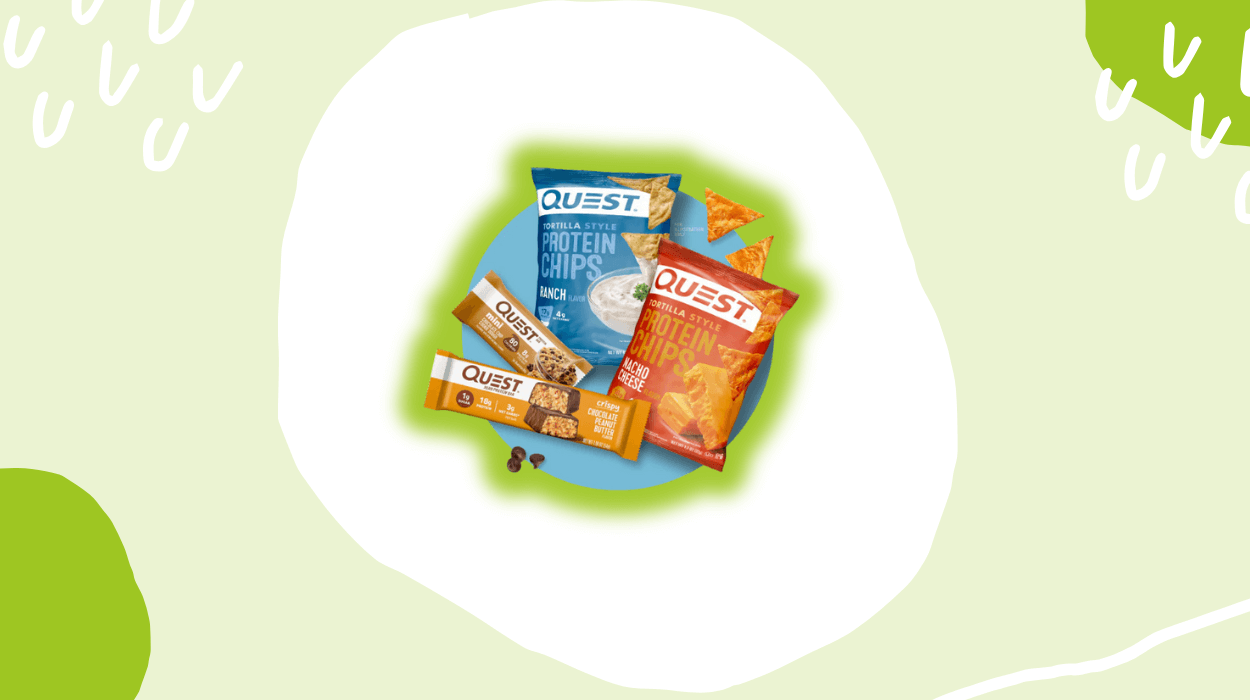
Quest Nutrition is known for developing high-protein foods that limit added sugar and refined carbohydrates while retaining familiar snack formats.
The brand has expanded to include protein chips, crackers, cookies, bake-shop style treats, ready-to-drink shakes, protein powders, and candy-inspired snacks.
Across categories, it maintains a consistent nutritional approach centered on high protein levels, added fiber, and controlled net carbohydrates.
In this review, we will examine Quest Nutrition’s product offerings in more detail, assess where the brand may provide practical advantages, outline potential limitations, and analyze consumer reviews to understand how its offerings perform in real-world use.
As per the official website, Quest Nutrition focuses on functional nutrition and mainstream snacking, allowing its products to fit structured eating routines without requiring major dietary shifts.
The brand covers a wide range of categories, with protein bars serving as its primary offering. The lineup includes classic bars, Crispy Hero bars, mini bars, dipped varieties, and seasonal releases, all designed to deliver a consistent protein-to-calorie balance while keeping added sugar low.
Quest has also expanded into salty snacks, particularly tortilla-style protein chips and cheese crackers in flavors such as nacho cheese, ranch, chili lime, loaded taco, and spicy sweet chili. These products are positioned as higher-protein substitutes for conventional chips and crackers.
According to the official site, it further extends into dessert-style options through its Bake Shop range, which includes protein cookies, frosted cookies, brownies, muffins, and coated candies. These products mirror traditional baked goods while using dairy-based protein, added fiber, and low-calorie sweeteners such as erythritol to manage sugar content.
The brand also offers ready-to-drink protein shakes, protein milkshakes, iced coffee, and protein powders, covering both on-the-go and at-home use.
Across its portfolio, Quest relies on dairy-based proteins to supply essential amino acids and combines custom ingredients like chocolate-flavored chips and cookie chunks to maintain familiar textures and flavors.
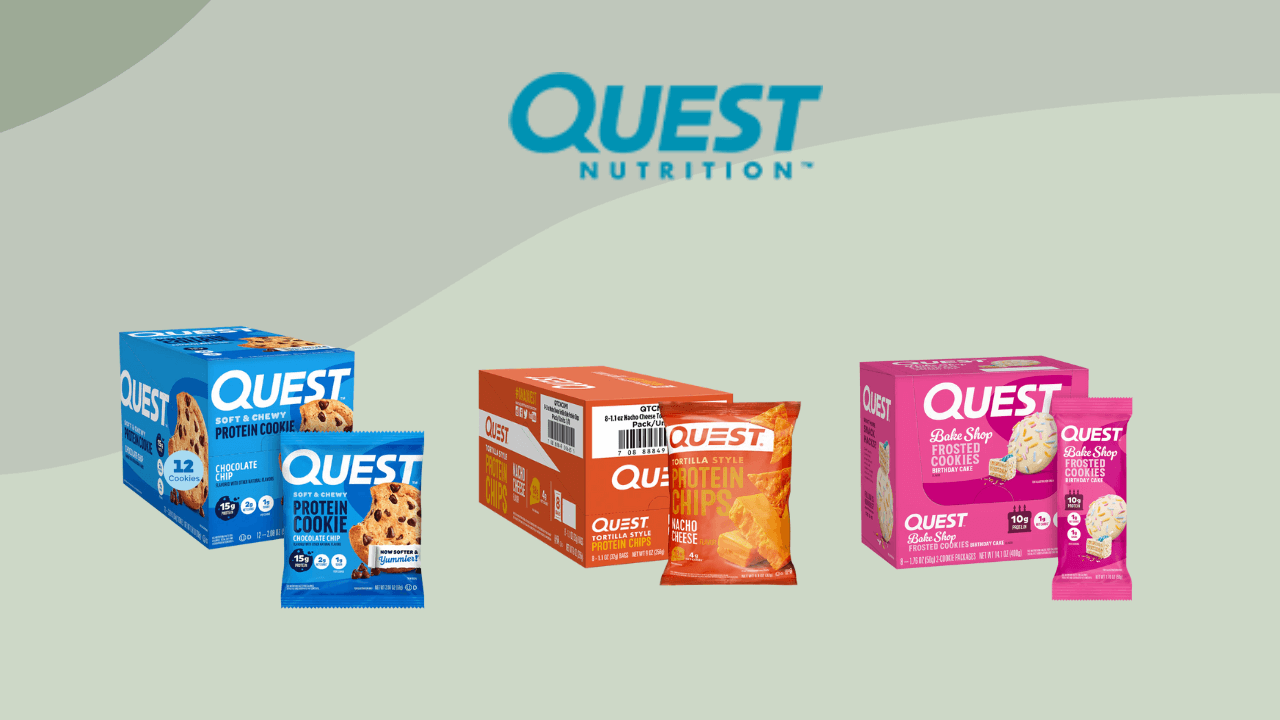
Protein Chips are formulated to resemble traditional tortilla or potato-style chips. The product line includes both Tortilla Style and Original Style chips across flavors such as Nacho Cheese, Chili Lime, Ranch, Sour Cream & Onion, BBQ, Salsa Verde, and Buffalo Ranch, along with variety packs.
The chips contain milk protein isolate, which contains both casein and whey fractions, providing a broad amino acid profile, including branched-chain amino acids such as leucine. These amino acids promote muscle protein synthesis and help slow gastric emptying, which can influence feelings of fullness compared to refined carbohydrate snacks.
As per the official website, flavor systems such as cheese powders, spices, onion, garlic, chili, and ranch-style seasonings supply taste rather than nutritional density. These components contain naturally occurring compounds like capsaicinoids in chili or sulfur-containing compounds in onion and garlic, which are involved in sensory perception and digestive enzyme signaling.
As per the official website, Protein Bars prioritizes protein density while limiting added sugars. The range includes classic soft protein bars, Crispy Hero bars with a lighter internal structure, dipped varieties with an outer coating, mini bars in smaller portions, and newer formats such as Overload bars.
Flavor options cover dessert-inspired profiles such as chocolate chip cookie dough, oatmeal chocolate chip, birthday cake, cookies & cream, lemon cake, peanut butter & jelly, and multiple chocolate-based variations, along with mixed variety packs.
The protein bars include whey protein isolate, which has essential amino acids, particularly leucine. It may support muscle protein synthesis by activating the mTOR signaling pathway, which aids in tissue repair and maintenance. Whey proteins are digested relatively quickly, leading to a rapid rise in circulating amino acids after consumption.
Flavor-specific additions, such as cocoa, peanut butter, fruit-flavored components, or baked-good-inspired flavor systems, primarily serve sensory and functional roles. Cocoa contributes small amounts of polyphenols involved in oxidative signaling pathways, while nuts provide trace minerals and additional lipids.
Peanut Butter Cups are designed as a low-sugar, high-protein sweet snack, providing about 11 g of protein, less than 1 g sugar, and roughly 1 g of net carbohydrates per two cups.
Cocoa butter in these cups is used in the chocolate-style coating and contributes most of the fat content. It contains stearic acid and oleic acid that influence texture and melting behavior. Stearic acid can be converted to oleic acid during the metabolism process, which affects how the fat is processed in the liver and contributes energy without rapidly influencing blood glucose levels.
The filling includes peanuts, which supply monounsaturated fats and naturally occurring plant protein. Peanuts also provide arginine, which is involved in nitric oxide production and vascular signaling.
Quest Nutrition offers Cookies in flavors such as chocolate chip, double chocolate chip, peanut butter, peanut butter chocolate chip, snickerdoodle, and white chocolate macadamia. Cake-style frosted options include birthday cake, lemon cake, chocolate cake, and strawberry cake. These products follow a baked-cookie format and are sold in single-flavor boxes, twin packs, and mixed variety packs, functioning as dessert-style snacks rather than meal replacements. Protein in these cookies may help preserve lean tissue during periods of calorie control or increased physical activity. They could also help prolong feelings of fullness between meals.
Iced Coffee is offered in ready-to-drink formats such as mocha latte and vanilla latte. These drinks combine brewed coffee flavor with added protein and fiber. Protein in these iced coffees comes primarily from milk protein concentrate. Milk protein concentrate contains both whey and casein proteins in their natural dairy ratio.
Whey is digested relatively quickly and supplies essential amino acids that support muscle maintenance and tissue repair. Casein digests more slowly and forms a gel-like structure in the stomach, extending amino acid release and influencing satiety.
The makers also added soluble corn fiber that may support gut cell energy metabolism and slow carbohydrate absorption. It may also influence fullness and reduce rapid blood glucose fluctuations often associated with sweetened coffee drinks. The coffee also supplies caffeine that acts on the central nervous system, blocking adenosine receptors. This may help reduce perceived fatigue and increase alertness.
Protein Shakes are ready-to-drink drinks available in flavors such as chocolate, salted caramel, vanilla, and coffee, along with a mixed variety pack. These shakes provide about 30 g of protein, with roughly 4 g of carbohydrates and 1 g of sugar per one shake serving.
Protein in these shakes provides essential amino acids to support muscle protein synthesis, the process through which the body repairs and maintains skeletal muscle tissue. The makers state that these shakes can help control appetite between meals more effectively than low-protein drinks or carbohydrate-heavy snacks.
Protein Milkshakes are available in flavours like chocolate, vanilla, and strawberry, with an additional variety pack. As per the official website, each serving provides 45 g of protein, about 2 g of sugar, and roughly 4 g of net carbohydrates, placing the emphasis on protein intake while keeping sugars and digestible carbs low.
The protein in these milkshakes is derived primarily from ultra-filtered nonfat milk. Ultra-filtration concentrates milk proteins while removing much of the lactose and sugar. This process increases protein density without adding fat, allowing a high protein load in a liquid form.
Protein in these milkshakes requires more metabolic effort than carbohydrates or fats for digestion. This higher thermic effect means the body expends more energy processing protein, contributing modestly to daily energy expenditure.
As per the official website, Protein Powder is available in flavors such as vanilla milkshake, chocolate milkshake, salted caramel, peanut butter, cinnamon crunch, and cookies & cream. Each variant is sold in a 1.6 lb canister and is designed for mixing with water, milk, or other liquids, as well as for use in cooking or baking.
The protein content comes from a protein blend of whey protein isolate and micellar casein. Micellar casein may help reduce muscle protein breakdown during longer gaps between meals and contribute to prolonged satiety. The makers state that the protein powder can support muscle maintenance, satiety, and controlled nutrient release.
Quest Nutrition positions itself as an innovation-focused brand by consistently expanding and refining its product portfolio rather than relying on a single flagship category.
The brand has moved beyond its original focus on protein bars to build a multi-format ecosystem that includes Protein Chips, Protein Bars, Peanut Butter Cups, Cookies, Iced Coffee, Protein Shakes, Protein Milkshakes, and Protein Powder. This breadth reflects a deliberate strategy to participate in multiple everyday eating and drinking occasions while maintaining a consistent high-protein, low-sugar nutritional profile.
Innovation at Quest appears to be driven by both category expansion and product iteration. The brand regularly introduces new formats, such as savory protein chips and ready-to-drink iced coffee, alongside updated versions of existing products with new flavors or textures. These launches suggest an ongoing effort to adapt protein-focused nutrition to familiar snack and drink formats, making functional nutrition more accessible without requiring major changes in consumer habits.
Quest also demonstrates innovation through incremental refinement rather than abrupt shifts. Its core products, such as protein bars and shakes, are frequently refreshed with new variants, limited flavors, or reformulated textures, indicating a feedback-driven approach that responds to consumer preferences over time.
Quest Nutrition presents itself as a modern functional nutrition brand by centering its product portfolio on protein as a primary functional nutrient rather than on indulgence or traditional snacking alone. The brand’s offerings are designed for you if you are fitness-conscious and look for everyday foods that provide measurable nutritional value, particularly higher protein and lower sugar content, while still fitting healthy eating patterns.
This functional identity is visible across Quest’s core categories. Its protein bars serve as convenient, high-protein snacks intended for active or on-the-go use. Protein Chips extend the same nutritional focus into savory formats, offering an alternative to conventional snack chips with a protein-forward formulation.
The brand offers protein powder that supports customization, allowing you to add protein to shakes, recipes, or meals based on individual needs. Products such as Cookies and Peanut Butter Cups apply the same functional principles to dessert-style snacks, reframing them as protein-enhanced options rather than purely indulgent treats.
Quest further supports this identity through drinks, including Protein Shakes, Protein Milkshakes, and Iced Coffee with added protein, which combine functional nutrition with convenient, ready-to-drink formats. These offerings reflect a brand perspective focused on integrating functional nutrition into everyday consumption occasions, positioning protein not as a niche supplement but as a regular component of modern eating habits.
Quest Nutrition was founded in 2010, establishing it as an active brand in the functional nutrition and high-protein food sector for over a decade. The company began with small-batch protein bars created by its founders and gradually expanded both its product range and distribution footprint as it grew its consumer base. Over the years, Quest broadened its offerings beyond its initial bar category to include chips, cookies, powders, and ready-to-drink nutritional drinks, reflecting sustained development rather than short-term market entry.
Throughout this period, Quest Nutrition has evolved from a niche producer of protein bars into a widely recognized brand in the better-for-you snack and functional food market. Its growth included transitions into broader retail channels and increased visibility among health-oriented consumers, suggesting that the brand maintained relevance and adaptability to shifting eating habits and nutrition trends over multiple years. In 2019, Quest was acquired by a larger parent company, marking a milestone in its business trajectory and indicating its established position within the nutritional snacking category.
Quest Nutrition provides limited public details about sustainability practices across its core brand channels. The main website focuses heavily on product marketing and nutrition positioning, but it does not feature a clearly defined sustainability or environmental responsibility section.
Information such as ingredient sourcing standards, packaging impact, emissions goals, or long-term environmental commitments is not prominently outlined for you to review the brand at a high level.
This lack of visibility applies across Quest’s broad product portfolio, which includes protein bars, protein chips, peanut butter cups, cookies, iced coffee, protein shakes, protein milkshakes, and protein powder. These categories typically involve complex supply chains, varied ingredient inputs, and different packaging formats, yet there is little centralized explanation of how sustainability considerations are applied consistently across them. As a result, if you are seeking clarity on environmental impact or responsible sourcing, you may find it difficult to assess how these factors are managed across different product lines.
Quest Nutrition has introduced an iced coffee product within its broader lineup, but specialty coffee remains a relatively small part of the brand’s overall portfolio. The company is primarily known for protein-focused snacks and nutrition products such as protein bars, protein chips, peanut butter cups, cookies, protein shakes, protein milkshakes, and protein powder. These categories receive the most product development attention and represent the core of the brand’s market presence.
From a product strategy and formulation perspective, specialty coffee typically requires focused expertise in areas such as coffee sourcing, roast profiles, caffeine standardization, and flavor chemistry. Quest’s iced coffee offering appears positioned as an extension of its protein drink line rather than as a central coffee-focused category, with fewer variations and limited emphasis compared to its snack products.
In comparison, Quest’s core categories are built around established nutritional frameworks, including protein quality, macronutrient balance, and satiety-driven formulation principles. These areas align closely with the brand’s long-standing identity and scientific positioning.
Built and Quest Nutrition both operate in the protein-focused snack category, but they differ notably in product scope, texture profile, and overall usage occasions.
As per its official website, Built concentrates almost exclusively on protein bars, particularly its Puff line, which is positioned around a soft, marshmallow-like texture and dessert-inspired flavors. Quest Nutrition, in comparison, offers a much broader product ecosystem that extends beyond bars into savory snacks, baked goods, drinks, and meal-style options.
Built’s product lineup is tightly curated. It's Puff bars such as S’mores Chunk Puff with 15 grams of protein, Cookies ’N Cream Puff and Peanut Butter Cup Puff with 17 grams of protein, and flavors like Brownie Batter Puff, Lemon Meringue Pie Puff, Banana Cream Pie Puff, and Mint Chip Puff consistently fall within a 15 to 17 gram protein range per bar.
Most options are available in 12-count boxes priced around $29.99, including mixed boxes and sour or fruit-flavored varieties like Green Apple Crush and Blue Razz Blast. This narrow variety creates a uniform eating experience focused on sweetness, soft texture, and convenience rather than variety.
Quest Nutrition’s catalog is considerably more expansive. Alongside classic protein bars such as Chocolate Chip Cookie Dough, Cookies & Cream, Oatmeal Chocolate Chip, and White Chocolate Raspberry, the brand offers Crispy Hero bars, mini bars, dipped bars, and seasonal flavors. Beyond bars, Quest includes Tortilla Style Protein Chips in flavors such as nacho cheese, ranch, chili lime, and loaded taco, as well as cheese crackers, protein cookies, frosted cookies, candy, protein shakes, milkshakes, iced coffee, and protein powders. Pricing and pack sizes vary widely, ranging from 4-count bar boxes around $10.99 to larger variety packs and bundles exceeding $60.
From a positioning perspective, Built places stronger emphasis on indulgent flavor and texture while maintaining a relatively high protein content. Its messaging highlights being gluten-free, offering no-nut options, and delivering a bar that feels lighter and less dense than traditional protein products.
Quest Nutrition leans more toward functional versatility, presenting protein as something you can combine across multiple eating occasions, including snacks, drinks, and meal-adjacent foods, with a consistent focus on low sugar and high protein density.
Built offers a consistent, dessert-style protein bar with a soft texture and a predictable protein range. Meanwhile, Quest Nutrition provides flexibility, broader flavor formats, and multiple ways to integrate protein into your daily routine beyond bars alone.
Grenade and Quest Nutrition differ primarily in how they structure their product portfolios and define the role of protein within everyday use. As per its official website, Grenade maintains a relatively focused catalog centered on protein bars, bottled protein shakes, protein powders, and sports nutrition supplements. Its core lineup includes products such as the OREO Protein Bar, White Chocolate Salted Peanut Protein Bar, Birthday Cake Protein Bar, and limited editions like the Creme Egg Soft Core Protein Bar. Alongside these, Grenade offers functional supplements such as Thermo Detonator 100, Black Ops pre-workout, and BCAA formulas, reinforcing its orientation toward performance and gym-focused nutrition.
Quest Nutrition operates across a broader set of food-style categories. In addition to classic protein bars like Chocolate Chip Cookie Dough, Oatmeal Chocolate Chip, Birthday Cake, and Cookies & Cream, the brand extends into savory snacks and meal-style items. Its range includes tortilla-style protein chips in flavors such as nacho cheese, ranch, spicy sweet chili, and chili lime, as well as cheddar blast cheese crackers, protein cookies like Double Chocolate Chip and Snickerdoodle, and baked options such as Chocolate Brownies and Blueberry Muffins. This wider range places Quest closer to a protein-enriched food brand rather than a traditional sports supplement company.
The intended usage context further separates the two brands. Grenade’s products are largely positioned around structured fitness routines, where protein bars and shakes function as convenient snacks and supplements to support goals related to training intensity, fat loss, or recovery. The addition of thermogenics and pre-workout products signals a clear emphasis on performance-driven consumption. Quest Nutrition’s offerings are designed to integrate into regular eating habits, with products that resemble conventional snacks and meals, allowing protein intake through chips, cookies, muffins, and iced coffee without requiring a workout-specific context.
Grenade relies heavily on multi-buy protein bar bundles, shake bundles, subscriptions, and loyalty incentives through the Grenade Academy, encouraging bulk purchases within its core categories. Quest Nutrition also offers subscriptions, variety packs, and build-your-own bundles, but its structure prioritizes cross-category exploration, allowing you to mix bars, chips, baked goods, and shakes within a single order.
The brand Grenade focuses on performance-oriented protein and sports nutrition with a concentration on bars, shakes, and supplements tied to training routines. Quest Nutrition adopts a broader, food-based approach, positioning protein as a substitute for traditional snacks and meals across sweet and savory formats.
Our evaluation of Quest Nutrition is based on aggregated Amazon customer reviews published primarily throughout 2025, focusing on its product performance across taste, texture, nutritional consistency, convenience, and repeat-use suitability.
The brand’s Chocolate Chip Dough Cookie Protein Bars hold a 4.3 rating based on 105,000+ reviews, and customers praised dependable satiety, low sugar content, and controlled sweetness.
Some users describe these bars as practical meal-gap or post-workout options, with flavors like Chocolate Chip Cookie Dough and Oatmeal Chocolate Chip highlighted for regular use. At the same time, texture is the most frequently cited concern, with some users noting dryness or a dense chew.
The Tortilla Style Protein Chips Variety Pack carries a 4.5 rating based on 99,000+ reviews and is evaluated more favorably on sensory attributes. Users commonly highlight crunch, seasoning balance, and the ability to replace traditional tortilla chips within low-carb or keto-style eating patterns. Flavors such as Chili Lime, Nacho Cheese, and Loaded Taco receive consistent mention. However, a few users highlighted pricing and occasional aftertaste as drawbacks.
Chocolate Chip Protein Cookie from the brand holds a 4.2 rating based on 44,000 reviews. Several users mention the product as a more indulgent, dessert-like option within the brand’s lineup. Many customers frequently reference its softness, moisture, and portion size, particularly in Chocolate Chip and Peanut Butter flavors. However, taste and texture consistency vary by flavor.
While flavor variability, texture sensitivity, and premium pricing emerge as consistent limitations, the breadth of positive feedback suggests that Quest Nutrition performs favorably for people prioritizing protein intake, low sugar formulations, and convenience within structured eating routines.
Founded in El Segundo, California, Quest developed its reputation around high-protein, low-sugar packaged foods designed for convenience and structured eating routines. The brand is best known for its protein bars and has expanded into cookies, chips, shakes, and powders, maintaining a consistent emphasis on shelf-stable, portion-controlled nutrition rather than whole-food meal options.
To assess consumer trust, we reviewed available information from platforms such as Trustpilot and the Better Business Bureau. Public feedback on both platforms is limited, with a relatively small number of reviews for a brand of this size. The reviews that do exist tend to focus on customer service, order fulfillment, or product freshness, rather than recurring concerns about product safety or legitimacy.
While its limited presence on trust platforms leaves some gaps in consumer sentiment data, the brand’s scale and history support its position as an established brand in the packaged nutrition category.
Quest Nutrition maintains a protein-focused approach built around familiar snack and drink formats intended to fit into everyday routines. The brand emphasizes higher protein and lower sugar while using added fiber and sugar-management strategies to support controlled macronutrient intake.
Its long-standing market presence and gradual product expansion suggest an emphasis on refinement over frequent shifts in direction. However, public information on ingredient sourcing, sustainability practices, and environmental impact remains limited, which can make it difficult to evaluate the brand beyond nutritional metrics. The reliance on dairy-based proteins and sugar substitutes may not suit you if you prefer plant-based formulations, have sensitivities, or aim to limit highly processed foods.
It is essential to understand that certain sugar substitutes may contribute to digestive discomfort for some people, particularly with frequent intake. Consistent reliance on packaged protein foods may also reduce dietary variety if not balanced with whole-food sources. Quest Nutrition aligns best with a structured approach to protein intake, with trade-offs in transparency, formulation flexibility, and broader nutritional diversity.

Contact us at [email protected] or follow @leafsnap on Twitter! View our Privacy Policy.