
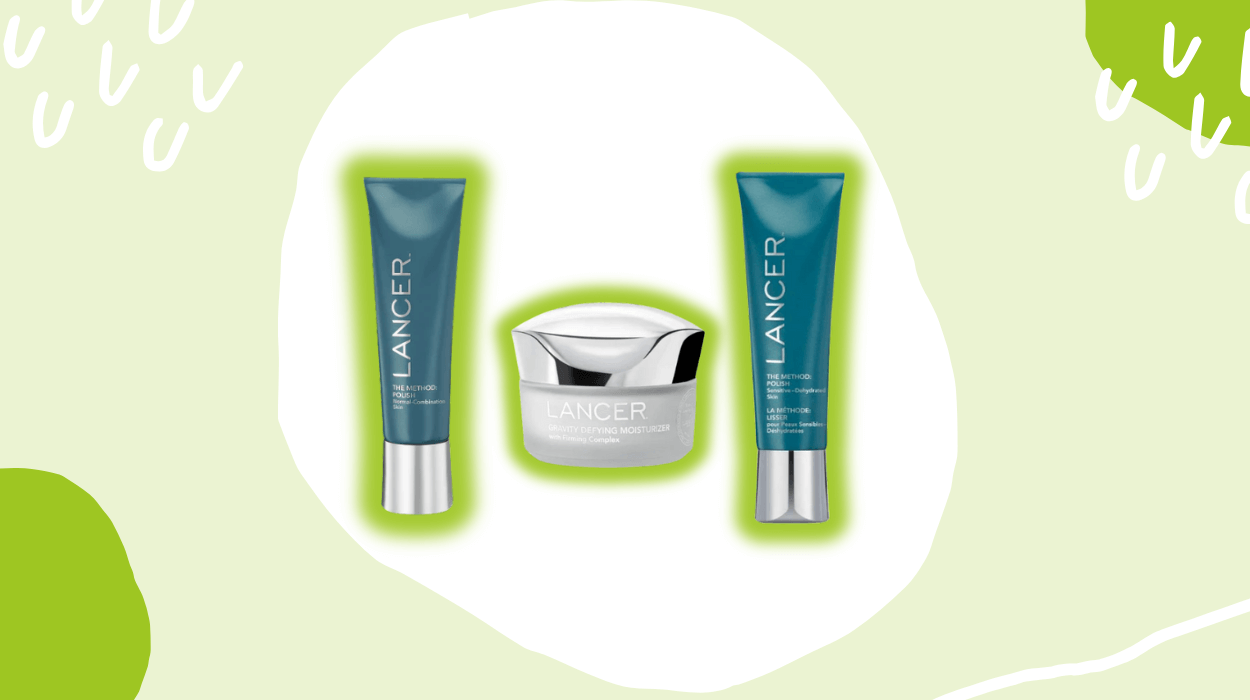
Lancer Skincare is a dermatologist-developed brand that includes peptides, hyaluronic acid, AHAs, ceramides, and targeted actives across its cleansers, exfoliants, serums, moisturizers, masks, and protective products.
The range is positioned to address key skin needs, including texture irregularities and congestion, dehydration and barrier fragility, diminished firmness, fine lines and wrinkles, uneven tone and dark spots, and sensitivity or redness.
Lancer’s formulations are framed as supporting accelerated cell turnover through polishing and peel systems, barrier reinforcement via ceramide and hyaluronic complexes, collagen- and peptide-based firmness, and photoprotection and brightening for tone improvement.
In this review, we will discuss the brand’s underlying approach and formulation philosophy, along with discussing its key offerings. We will also evaluate its strengths and limitations, and include real-user feedback to help you understand how the products perform in daily use.
Founded by Beverly Hills dermatologist Dr. Harold A. Lancer, Lancer Skincare’s functioning is tied to his origin of the concept, The Method, which is a three-step routine of Polish, Cleanse, and Nourish. This process might help boost cell turnover and stimulate natural collagen regeneration.
The Lancer Method remains the structural backbone of the brand’s product line. Polish removes surface buildup through formulas such as The Method: Polish (Normal or Sensitive), which use quartz crystals and enzymatic actives.
Cleanse eliminates impurities through The Method: Cleanse variants formulated with sodium PCA and amino acids. Nourish restores hydration and barrier strength via hyaluronic acid, peptides, or chamomile in the respective Normal and Sensitive formulas.
The brand promotes The Method as an interlocking chemistry system that retrains skin to renew itself more efficiently and serves as the recommended entry point for new customers.
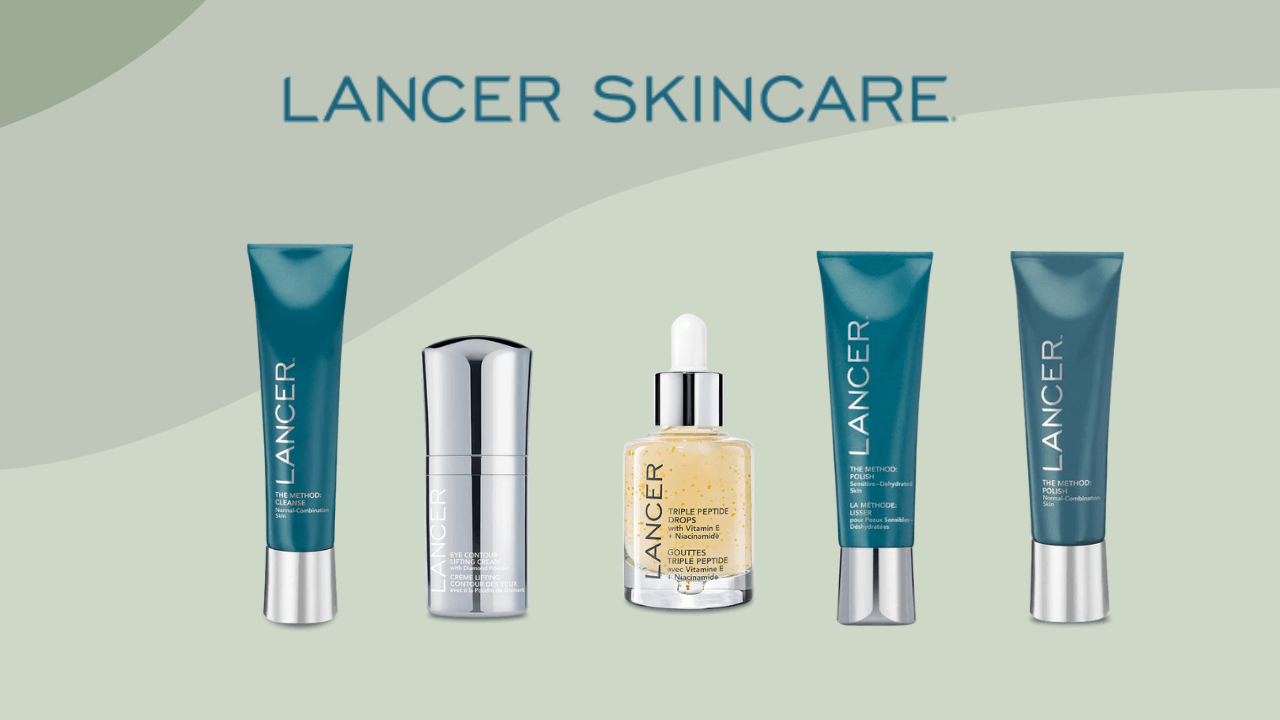
The brand’s key products include The Method: Polish, The Method: Cleanse, The Method: Nourish, Caviar Lime Acid Peel (AHAs + enzymes), Gravity Defying Moisturizer (copper tri-peptide + ceramides), and Eye Contour Lifting Cream (diamond powder + caffeine).
The brand also offers Triple Peptide Drops, Instant Brightening Booster, Omega Hydrating Oil, Mineral Sun Shield Universal Tint and Sheer Fluid Sun Shield.
The broader catalog includes masks, peels, serums, oils, the Legacy Collection, and curated sets such as the Method Trio and seasonal advent calendars.
Lancer’s product range targets core dermatological concerns such as surface texture irregularities, congestion, dehydration, barrier weakness, fine lines and wrinkles, uneven pigmentation, and sensitivity or redness.
Formulations are described as supporting accelerated cell turnover, barrier hydration and repair, collagen and peptide-driven firmness, brightening and antioxidant defense, and photoprotection.
Routine kits and concern-specific bundles guide you toward combinations aligned with skin type and goals, supported by a Find Your Method quiz for personalized recommendations.
Sustainability messaging appears through mentions of refillable formats, replenishment options, and limited-edition sets, though the primary emphasis remains clinical performance rather than environmental positioning. The brand integrates dermatologic credibility with e-commerce conveniences to make skincare routine accessible for everyday use.
Caviar Lime Acid Peel might help accelerate epidermal turnover, normalize stratum corneum cohesion, and manage textural irregularities through exfoliation. Its formulation integrates alpha-hydroxy acids, chelating acids, proteolytic enzymes, and stabilized retinol that could address the biological pathways that contribute to dullness, uneven pigmentation, and impaired surface uniformity.
Caviar Lime Acid Peel contains Glycolic acid, which may function as the primary keratolytic agent. It may help produce a uniform desquamation, improve superficial pore visibility, and increase epidermal turnover, which collectively could promote a brighter, more even tone as melanin-laden keratinocytes are redistributed upward.
The makers also added Phytic acid, which may support pigment uniformity while maintaining a lower irritation profile relative to stronger chelators. Caviar lime fruit extract contributes naturally occurring citric acid derivatives that enhance skin surface exfoliation and assist in loosening corneocyte junctions, delivering additional skin radiance without imposing substantial barrier stress.
Proteolytic enzymes from pineapple and papaya, specifically bromelain and papain, introduce a non-acidic exfoliation route by selectively hydrolyzing keratin proteins at the corneocyte surface. Their targeted proteolysis may help refine skin texture and reduce roughness.
Retinol in Caviar Lime Acid Peel can bind nuclear RAR and RXR receptors to regulate keratinocyte differentiation, stimulate epidermal proliferation, and increase dermal matrix synthesis, including procollagen I. These actions may support improvements in fine lines, photodamage, and epidermal quality.
Antioxidants such as sodium ascorbate and tocopherol help counter oxidative stress associated with exfoliation, while glycerin, propanediol, and allantoin provide moisture retention and barrier support to mitigate irritation.
Botanical extracts and emollients in Caviar Lime Acid Peel further stabilize the skin environment by adding soothing, antioxidant, and conditioning effects during the exfoliation process.
The Method: Polish (Normal) may help remove sticky surface debris while maintaining controlled, uniform abrasion. Its formulation pairs mineral particulates with fruit-derived proteolytic enzymes and fermentation bioactives that could create a dual-mode resurfacing effect.
The enzymatic component, sourced from pumpkin ferment rich in proteases and vitamin precursors and pomegranate ferment containing polyphenols and enzyme cofactors, complements the physical action by selectively cleaving keratin-associated peptide bonds at the corneocyte surface.
Additional ferment-derived peptides from lactobacillus and radish root contribute mild antimicrobial and barrier-supportive activity, helping stabilize the post-exfoliation microenvironment and facilitating barrier recovery.
Retinyl palmitate in this formulation may function as a retinoid within the formula. It provides low-flux modulation of keratinocyte differentiation and epidermal turnover. Such an action may support subtle improvements in epidermal uniformity and fine lines.
Tocopheryl acetate supports antioxidant protection and enhances formulation stability by limiting oxidative degradation of sensitive components, while also managing the oxidative stress associated with exfoliation.
Humectants such as butylene glycol and glycerin may counter exfoliation-related transepidermal water loss by drawing moisture into the stratum corneum, and emollient esters improve glide, reducing friction during application.
Magnesium oxide and sodium bicarbonate in the Polish contribute to particulate structure and provide mild buffering capacity, creating a neutral-to-softly alkaline environment that supports comfortable use without introducing acid-driven exfoliation. Botanical extracts, including Alaria esculenta, may encourage a healthy skin barrier function.
As per the makers, Gravity Defying Moisturizer influences superficial biomechanical properties while supporting extracellular matrix (ECM) maintenance through peptides, hydrating glycosaminoglycan analogues, and lipid-replenishing components. It combines a marine-derived extract (Gigartina stellata / Gravityl™), copper tripeptide, ceramide complexes, and sodium hyaluronate within a multi-phase emollient base. This may improve hydration, reduce the visible appearance of laxity, and promote matrix renewal over time.
Copper tripeptide-1 functions as a central regenerative signal, engaging copper-dependent pathways that influence fibroblast behavior, procollagen synthesis, elastin precursor production, and matrix metalloproteinase regulation.
Gravity Defying Moisturizer also contains sodium hyaluronate, which increases interstitial water content and provides short-term improvements in dermal viscoelasticity. It also has squalane, dicaprylyl carbonate, shea butter, ceramides NP/AP/EOP, cholesterol, and phytosphingosine, which might help replenish physiologic stratum corneum lipids and restore lamellar organization essential for proper skin barrier function.
The Gravity Defying Moisturizer formulation might reduce transepidermal water loss, smooth the surface microrelief, and enhance resilience to active remodeling processes.
The marine extract Gravityl™ (Gigartina stellata) contributes a polysaccharide-rich, biotechnology-derived component intended to improve immediate biomechanical properties and support elasticity through interactions with the pericellular matrix. Such polysaccharides might enhance surface hydration, form a soft viscoelastic film that refines contour and light reflectance, and may present molecular motifs capable of modulating fibroblast behavior.
Gravity Defying Moisturizer may support temporary skin tightening and contour enhancement through film-forming and hygroscopic effects, and gradual refinement in surface texture.
The Method: Cleanse (Normal) might remove lipophilic sebum, emollient residues, and particulate debris while maintaining epidermal hydration and barrier stability.
The formulation contains Sodium PCA, which may function as a major humectant modeled after natural moisturizing factor (NMF). It increases water-binding capacity within the stratum corneum, countering dehydration that often follows cleansing.
The makers also added amino acids, including yeast-derived and rice-derived forms, to supply building blocks that support NMF composition, improve epidermal water retention, and help stabilize the skin’s microenvironment. Their presence may support your skin’s natural osmotic balance and assist in maintaining barrier resilience, particularly in individuals experiencing dryness or fine lines.
The Method: Cleanse also contains hydrolyzed rice protein, which contributes to moisture retention and provides a film-forming effect that reduces surface roughness. These peptides can bind water and temporarily reinforce the skin surface, giving a smoother tactile profile and supporting hydration-dependent enzymatic processes involved in normal desquamation.
Aloe barbadensis leaf extract in The Method: Cleanse provides polysaccharides that have anti-inflammatory and soothing properties. These molecules may help modulate irritation pathways, including cytokine signaling associated with barrier disruption.
The formulation also has salicylic acid that could work as a mild keratolytic, facilitating controlled exfoliation through disruption of intercellular cohesion within the stratum corneum. It might assist in lifting excess buildup, contributing to improved texture and clarity.
Panthenol (provitamin B5) in this formula may support barrier repair by increasing hydration within the deeper layers of the stratum corneum and promoting lipid synthesis. Its humectant properties help mitigate dryness and support recovery after cleansing-induced stress.
Triple Peptide Drops may help influence extracellular matrix activity, epidermal barrier function, and cellular signaling involved in firmness and discoloration. It includes a Triple Peptide Complex that has palmitoylated heptapeptides, palmitoylated pentapeptides, and tetrapeptides, each meant to penetrate the upper epidermis and act as signaling ligands. These peptides may upregulate collagen I, III, and IV synthesis while modulating integrin pathways that contribute to dermal–epidermal junction support. They might enhance firmness and help with a reduction in fine-line visibility.
Niacinamide in Triple Peptide Drops may help boost the ceramide synthesis, improving barrier resilience, dampening inflammation-driven erythema, and downregulating melanocyte transfer mechanisms that lead to uneven pigmentation.
Rice, soy, and baobab seed extracts in this formulation may provide a plant-based pseudo-collagen effect, contributing amino acids and polysaccharides that reinforce hydration, surface plumpness, and suppleness through moisture-binding interactions that mimic native collagen’s water-holding matrix.
Triple Peptide Drops also contain hyaluronic acid, which may enhance short-term hydration and decrease frictional stress across the skin surface, indirectly supporting peptide diffusion and barrier recovery. It also has vitamin E, which contributes to antioxidative protection by inhibiting lipid peroxidation within the stratum corneum and limiting reactive oxygen species that accelerate collagen degradation.
These components in the Triple Peptide Drops may promote a more uniform tone, improved elasticity, and a hydrated, structurally supported surface environment that responds more efficiently to ongoing peptide signaling.
Eye Contour Lifting Cream may help target structural laxity, dark circles, and dehydration around the periocular area using a combination of botanical oligopeptide complexes, vasoregulatory actives, and advanced hydration agents.
The makers added alfalfa seed extract and lupine protein, which may provide oligopeptides and oligosaccharides that could modulate enzymes involved in matrix breakdown, such as metalloproteinases, while promoting microcirculatory efficiency. This dual action might reduce the visible prominence of under-eye bags and fine lines by improving fluid balance and ECM stability.
A peptide blend combined with yeast extract specifically addresses dark circles by improving heme breakdown, reducing vascular leakage markers, and normalizing pigmentation gradients between the infraorbital hollow and surrounding tissue.
Caffeine in Eye Contour Lifting Cream may help enhance these effects by promoting vasoconstriction and reducing excess fluid accumulation, leading to a reduction in puffiness. Its formulation also contains winged kelp, which may contribute to improvements in elasticity by supporting collagen organization and counteracting enzymatic degradation that is accelerated in thin periocular skin.
Hyaluronic acid and shea butter may function together to help restore hydration, replenish lipids, and provide cushioning to the thin periocular stratum corneum, supporting barrier function and limiting mechanical creasing.
As per the official site, the Ultra Hydrating Serum is said to address dehydration through multi-layer hydration strategies, dermal–epidermal junction reinforcement, and barrier lipid restoration. It has disodium acetyl glucosamine phosphate that may support the dermal-epidermal junction by promoting glycosaminoglycan and hyaluronate synthesis, enhancing the water-binding capacity of deeper epidermal layers and improving surface smoothness.
The use of hyaluronic acid aids in hydration and may reduce TEWL while improving suppleness. It could also stimulate endogenous hyaluronic acid synthesis and improve tissue turgor. This approach may enhance elasticity, reduce fine-line visibility, and decrease irritation related to barrier impairment.
Ceramide complexes in the Ultra Hydrating Serum may replenish depleted lipid components of the stratum corneum, restore lamellar structure, and potentially reduce inflammatory signaling associated with barrier disruption. They also limit TEWL, stabilizing the hydration imparted by HA.
Ultra Hydrating Serum also contains olive extract, which is rich in bioactive lipids and antioxidant phenolics. It may promote ceramide synthesis, support collagen IV and collagen I production, and help reorganize the extracellular matrix, contributing to improved firmness and reduced wrinkle depth.
As per the manufacturers, the Gravity Defying Eye Cream formula addresses periocular sagging, fine lines, and volume loss through actives that influence collagen architecture, neuromuscular signaling, and barrier lipid replenishment.
It contains Gravityl™, derived from red algae, which acts on elastin and collagen networks, potentially improving stress resistance and visibly reducing sagging by supporting the extracellular matrix and dermal–epidermal junction integrity.
The makers also added red seaweed and mamaku black fern extracts, which may provide tightening effects through polysaccharide-mediated film formation and also aid in skin firmness.
Acetyl hexapeptide-8, present in the Gravity Defying Eye Cream, may reduce the appearance of expression lines by attenuating neurotransmitter release associated with periocular muscle contraction. This peptide has been shown to stimulate collagen synthesis, reinforcing long-term structural support.
Shea butter, squalene, and glycerin might help boost essential lipids and maintain hydration within the thin periorbital stratum corneum, potentially alleviating creasing exacerbated by dryness and improving your skin’s flexibility.
Lancer Skincare claims a dermatologist led identity by grounding the brand in the work of Dr. Harold Lancer, a board certified dermatologist known for his Beverly Hills practice. The company presents its products as an extension of its clinical methods, reflecting a “practice to product” philosophy in which in-office techniques are adapted into daily skincare routines. Its Rodeo Drive location and placement in high-end retailers support the brand’s positioning in the prestige skincare category.
The company states that its signature system, The Lancer Method Polish Cleanse Nourish, originated in the mid 1980s as a way to bring elements of Dr. Lancer’s professional treatments into at-home use. The routine is described as supporting the skin’s natural renewal cycle through exfoliation, cleansing, and targeted nourishment, and the brand uses this three-step system as a foundation for its broader identity.
Products such as The Method Polish and Cleanse, along with treatments like Caviar Lime Acid Peel and Nourish serums, are presented as formulations that carry forward the principles used in Dr. Lancer’s clinic. The focus on resurfacing, collagen-supporting activity, and radiant looking skin reflects the brand’s goal of translating dermatologic techniques into consumer products.
The brand states that its product line came from clinical insights developed in Dr. Lancer’s Beverly Hills dermatology practice, with early formulas introduced around 1985. Over time, the clinic became known for its Hollywood and international clientele, and the company uses this association to support its image as a prestige skincare label with roots in high-profile dermatology.
This heritage is reflected in products that the brand presents as extensions of techniques used in the Beverly Hills practice. The Method Polish, The Method Cleanse, and The Method Nourish are positioned as core items based on the clinic’s resurfacing and renewal principles. Treatments such as Caviar Lime Acid Peel, Ultra Hydrating Serum, and Gravity Defying Moisturizer are framed as higher-level options meant to mirror the clinic’s focus on brightening, texture refinement, and firm-looking skin.
Lancer Skincare shows limited category diversification because it concentrates mainly on anti-aging and performance-driven topical skincare rather than expanding into broader beauty segments. The brand’s core system, The Lancer Method, centers on the Polish, Cleanse and Nourish steps, supported by targeted serums and moisturizers.
Products such as Caviar Lime Acid Peel, The Method: Polish (Normal), Gravity Defying Moisturizer, The Method: Cleanse (Normal), Triple Peptide Drops, Eye Contour Lifting Cream, Ultra Hydrating Serum, and Gravity Defying Eye Cream all reinforce this focus on facial rejuvenation, texture refinement and barrier support.
Although the brand offers a few at-home devices, such as microdermabrasion tools, it does not develop significant product lines in hair care, body care or makeup. This narrow focus limits the brand’s ability to provide a complete beauty routine and keeps its offerings within a single category of high-end facial skincare.
Lancer Skincare has minimal retail presence because it is not widely stocked in everyday mass-market stores. The brand’s products, including Gravity Defying Moisturizer, Eye Contour Lifting Cream, Triple Peptide Drops and The Method: Cleanse (Normal), are generally absent from large retail chains such as Walmart, Target, CVS and Walgreens.
Instead, most availability comes through the brand's own website, select luxury retailers such as Nordstrom and Saks Fifth Avenue and a small number of specialty online platforms. This limited distribution keeps the brand positioned in a premium space but reduces accessibility for the broader skincare shopper.
Mass retail locations give consumers the chance to compare items side by side, review ingredient lists and evaluate packaging and textures in person. As Lancer Skincare does not appear in these high-traffic environments, customers rely mainly on online descriptions, photos and reviews to make purchase decisions. This can make it harder for shoppers to assess product suitability before committing to a higher-priced item.
Revision Skincare positions itself as a medical-grade brand defined by pharmaceutical-style rigor. Its formulation model is built around high-potency actives, multi-pathway targeting, microbiome-preserving design, and pH-adjusted delivery systems calibrated for maximized bioavailability.
When compared together, Lancer Skincare emerges with its own clinical credibility, but one rooted in dermatologist-developed consumer routines, particularly the Lancer Method, a three-step resurfacing system structured around Polish, Cleanse, and Nourish.
While both brands occupy the clinical-performance space, Revision grounds itself in scientific protocol and mechanistic depth, whereas Lancer prioritizes a dermatologic philosophy centered on disciplined daily exfoliation and experiential routine design.
Revision focuses on providing standalone options, including THD Ascorbate at 30% for oxidative correction, neuromodulator-optimizing peptides in Revox™ Line Relaxer, D·E·J® technologies engineered for dermal–epidermal junction reinforcement, and iFirm® peptide constructs for advanced neck and body remodeling. The approach is focused on deeper science, more precision, and a strong emphasis on supporting dermatology practices.
Lancer, by contrast, organizes innovation horizontally, including most product categories in the foundational Method and then layering more advanced options, such as Caviar Lime Acid Peel, Triple Peptide Drops, Advanced Retinol Treatment, and Gravity Defying Moisturizer, on top of a consistent resurfacing cycle. While Revision formulates targeted, indication-specific options, Lancer builds an ecosystemic routine intended to emulate in-office resurfacing rhythms at home.
In product ranges, Revision’s catalog resembles a professional therapeutic portfolio, featuring C+ Correcting Complex 30%, Intellishade® in multiple variants, D·E·J Face Cream and Daily Boosting Serum, Retinol Complete, Vitamin C Lotion in 30% and 15% formats, Pumpkin Enzyme Mask, Nectifirm® and Nectifirm® Advanced, BodiContour™, Hydrating Biocellulose Mask, and a suite of clinical protocols such as Anti-Redness Regimens, Procedure Prep & Recover, Injection Perfection, and D·E·J Power Regimens.
Lancer’s lineup is broader in lifestyle integration, including Method sets across skin types, Method Body products, Omega Hydrating Oil, Ultra Hydrating Serum, Instant Brightening Booster at 30 percent vitamin C, Gentle Exfoliating Peel Pads with lactic acid and bakuchiol, and Legacy Collection treatments such as Legacy™ Youth Treatment and the Saffron + Sandalwood Mask. Revision organizes by function, whereas Lancer organizes according to skin type, daily behavior, and adherence to its three-step methodology.
Category variety also highlights some differences. Revision’s sunscreen range, including Intellishade Original, Matte, Clear, TruPhysical, and TruPhysical Clear, functions as a central pillar of the brand that has anti-aging actives with SPF protection. They serve both corrective and protective roles, potentially reducing routine complexity.
Lancer’s Mineral Sun Shield Universal Tint and Sheer Fluid Sun Shield are strong performers but act as extensions of the Method rather than foundational innovations. Similarly, Revision’s leadership in neck technology through Nectifirm and Nectifirm Advanced has defined an entire subcategory, while Lancer’s firming options, though effective, occupy a secondary role within its broader routine narrative.
Revision approaches concerns like redness, pigmentation, post-procedure recovery, and injection optimization through layered biochemical strategies utilizing products such as C+ Correcting Complex 30%, Vitamin K Serum, CMT Post-Procedure Cream™, and Revox™ Line Relaxer.
The formulations are designed to function in partnership with dermatologists and aesthetic clinicians who require dependable, measurable outcomes.
Lancer emphasizes ongoing skin maintenance through controlled exfoliation, antioxidant infusion, hydration retention, and barrier support using products like Ultra Rich Barrier Cream, Active Rejuvenation Serum, and Omega Hydrating Oil.
Even in the bundling strategy, the brands diverge. Revision constructs routines as clinical systems, such as the Revision Starter Full Size Regimen, The Revision Ritual, the D·E·J Age-Defying Regimen, Procedure Prep & Recover, and Brightening Full Size Regimen. Lancer’s bundling reflects consumer lifestyle patterns instead, offering seasonal kits, express-travel sets, and Method-based combinations like Glow on the Go, Bright Skin Besties, Hydration Heroes, and 12 Days of Glow.
These two brands occupy distinct positions within the skincare market. Revision focuses on mechanistic optimization of skin systems, while Lancer centers on resurfacing-led renewal through disciplined routine design.
Alastin positions itself as a scientifically anchored, procedure-integrated, skincare brand built around its defining innovation, TriHex Technology®, a patented peptide system engineered to remove damaged collagen and elastin, rebuild the extracellular matrix, and replenish the skin’s rejuvenation cycle.
The brand positions its formulas as extensions of dermatology, making products such as Regenerating Skin Nectar, INhance Post-Injection Serum, and the Procedure Enhancement System.
The anti-aging range is based around the TriHex peptide complex across options such as Restorative Skin Complex, Restorative Eye Complex, and Restorative Neck Complex, each positioned to improve elasticity, fine lines, tone, and texture by accelerating the clearance of aged matrix fragments and promoting new collagen and elastin.
Hydration is addressed through HA IMMERSE Serum™, which emphasizes both immediate moisture delivery and long-term dermal hydration. Brightening is handled through high-performance actives like niacinamide and tranexamic acid, with A-LUMINATE Brightening Serum™ positioned as a corrective treatment for discoloration and photodamage.
Alastin reinforces its clinical posture by highlighting pharmaceutical-style testing, instrumentation-verified outcomes, and quantifiable improvements captured across four- to twelve-week study periods. Its sunscreens, such as HydraTint Pro Mineral SPF 36 and SilkSHIELD SPF 30, could also be integrated into a daily skincare routine.
Lancer Skincare operates from a fundamentally different philosophy, despite sharing the dermatologist-developed positioning. Instead of building its identity around a single patented peptide system or procedural synergy, Lancer defines itself through a dermatology-celebrity model anchored in the Lancer Method, a three-step system, Polish, Cleanse, Nourish, created by Beverly Hills dermatologist Dr. Harold Lancer.
Where Alastin revolves around collagen- and elastin-matrix recycling, Lancer emphasizes skin renewal through repeated, controlled exfoliation as the primary catalyst for improved tone, radiance, and resilience. The methodology focuses on stimulating natural cell turnover to optimize how skin responds to active ingredients, presenting exfoliation not as a supplemental step but as the foundation of the entire regimen.
This distinction shapes Lancer’s product architecture. While both brands offer anti-aging, brightening, and hydrating treatments, Lancer frames its portfolio around metabolic stimulation and textural refinement rather than deep tissue remodeling.
Polish, a micro-exfoliating scrub, forms the cornerstone, followed by Cleanse to rebalance the skin post-exfoliation and Nourish to deliver peptides, humectants, and barrier-restoring ingredients.
More advanced offerings, including Lift Serum Intense, Advanced Retinol Treatment, and Legacy Peptide Serum, are designed to layer onto the Method rather than function as isolated correction systems. Brightening options integrate vitamin C, retinoids, and complex blends that enhance luminosity, but they remain structurally tied to the ritualistic three-step framework.
Lancer also signals dermatologist credibility, but the communication style diverges from Alastin’s pharmaceutical rigor. Instead of numerical claims or instrumentation metrics, Lancer leans on transformation narratives, clinical philosophy, visual storytelling, and aspirational positioning supported by celebrity clientele. Its sunscreens, such as Sheer Fluid Sun Shield SPF 30, are presented as elegant finishing steps within a luxury routine rather than professional-grade procedural protectants.
Hydration products similarly reflect the brand’s emphasis on replenishing skin after controlled exfoliation, combining emollients, peptides, and humectants in formulations intended to maintain the Lancer Glow.
The two brands occupy the skin aesthetic landscape from opposite ends. Alastin’s identity is defined by matrix reengineering, procedure optimization, and peptide-driven cellular clearance and rebuilding. Lancer Skincare centers on renewal through disciplined resurfacing, dermatologist-guided routines, and luxury-clinical accessibility designed for daily use. Both are dermatologist-developed, yet they pursue visible change through different scientific and philosophical routes, as one does through structural remodeling at a deep dermal level, the other does it by focusing on routine building that may help enhance the skin’s natural rejuvenation cycle.
Lancer Skincare is a luxury, dermatology-backed beauty brand founded by Beverly Hills dermatologist Dr. Harold Lancer. The company positions itself at the premium end of the skincare market, emphasizing clinically informed formulations, elevated retail placement, and a service identity anchored in Dr. Lancer’s long-standing professional reputation.
As the brand trades heavily on its clinical association and high price point, its credibility depends on whether customer experience and operational performance consistently meet the expectations created by that positioning. To evaluate this, we reviewed third-party oversight and consumer-protection platforms such as the Better Business Bureau (BBB). The brand is BBB-accredited with an A+ rating.
Complaint volume on BBB appears to be low. Over the past years, the brand has received only a small number of complaints. It suggests stable fulfillment processes, low incidence of billing or subscription disputes, and an absence of systemic customer-service failures.
The few issues raised involved product-description confusion rather than operational breakdowns, and the brand appears to respond promptly with clarifications, prepaid return labels, and refunds.
Based on available information, Lancer Skincare maintains a clean public record. Its BBB accreditation, A+ rating, minimal complaint history, and demonstrated responsiveness to the few issues reported collectively support the conclusion that the brand operates reliably and aligns with the expectations set by its luxury, clinic-adjacent positioning.
To assess real customer experience with Lancer Skincare, we reviewed publicly available Amazon feedback for some of its key offerings. The Method: Polish maintains a 4.8 out of 5 rating from 470+ global reviews and reflects some favorable sentiment. Users consistently describe having a smoother texture, reduced dry patches, improved glow, and clearer skin with regular use. They also mention the formula’s fine scrub particles, warming sensation during application, and appreciate its light lavender fragrance.
Sensitive-skin users also report good tolerance when they avoid over-exfoliating. However, while many buyers consider the results worth the cost, others mention the high price point as their only hesitation.
The brand’s Method: Cleanse holds a 4.7 out of 5 rating from 370+ global reviews and is widely praised for being gentle, effective, and hydrating. Many users remark that it makes their skin feel softer and look healthier, and some claim it contributes to a visibly younger appearance over time. Reviewers across dry, oily, and combination skin types report that the cleanser leaves the skin clean without tightness or irritation, and does not trigger breakouts.
The Method: Nourish has a 4.3 out of 5 rating from 230+ global reviews. Many users describe it as deeply hydrating without heaviness, emphasizing improvements in smoothness, fine lines, and overall skin appearance. They also highlight its fast absorption and immediate softening effect. However, the product’s scent is a consistent pain point as several reviewers describe it as unpleasant and in some cases, the scent alone prompted discontinuation.
These Amazon reviews highlight that the brand appears to have a strong performance credibility, with users highlighting noticeable results, refined textures, and long-term benefits. However, there also appear to be repeated concerns about premium pricing and occasional fragrance dissatisfaction shared by some people with its formulations.
Lancer Skincare claims to prioritize resurfacing, brightness, and skin suppleness. Its formulas are structured around a clinical philosophy that emphasizes exfoliation and renewal, which can offer meaningful improvements in texture, clarity, and radiance when the system aligns with your skin’s tolerance.
The brand’s strengths lie in its consistent focus on performance ingredients and a routine that may provide a revitalized appearance with continued use. However, its reliance on strong exfoliating acids, enzymatic actives, peptides, antioxidants, brightening agents, and fragrance elements introduces predictable limitations for certain skin types. Skin that is sensitive, barrier-impaired, eczema-prone, or prone to redness may react with stinging, flushing, tightness, or visible irritation, especially when resurfacing steps are introduced too aggressively.
Dryness and flaking around high-movement areas such as the nose and mouth can occur with concentrated brightening actives, while fragrance- or essential-oil components may trigger localized itching or redness for those with reactive tendencies. Increased sun sensitivity, mild congestion, temporary purging, or uneven product layering are also possibilities depending on how the routine is combined with other skincare habits.
Lancer Skincare offers a high-performance framework that may help improve tone, texture, and address early signs of aging. However, the experience depends heavily on pacing, skin compatibility, and how carefully resurfacing steps are integrated into daily use.

Contact us at [email protected] or follow @leafsnap on Twitter! View our Privacy Policy.