
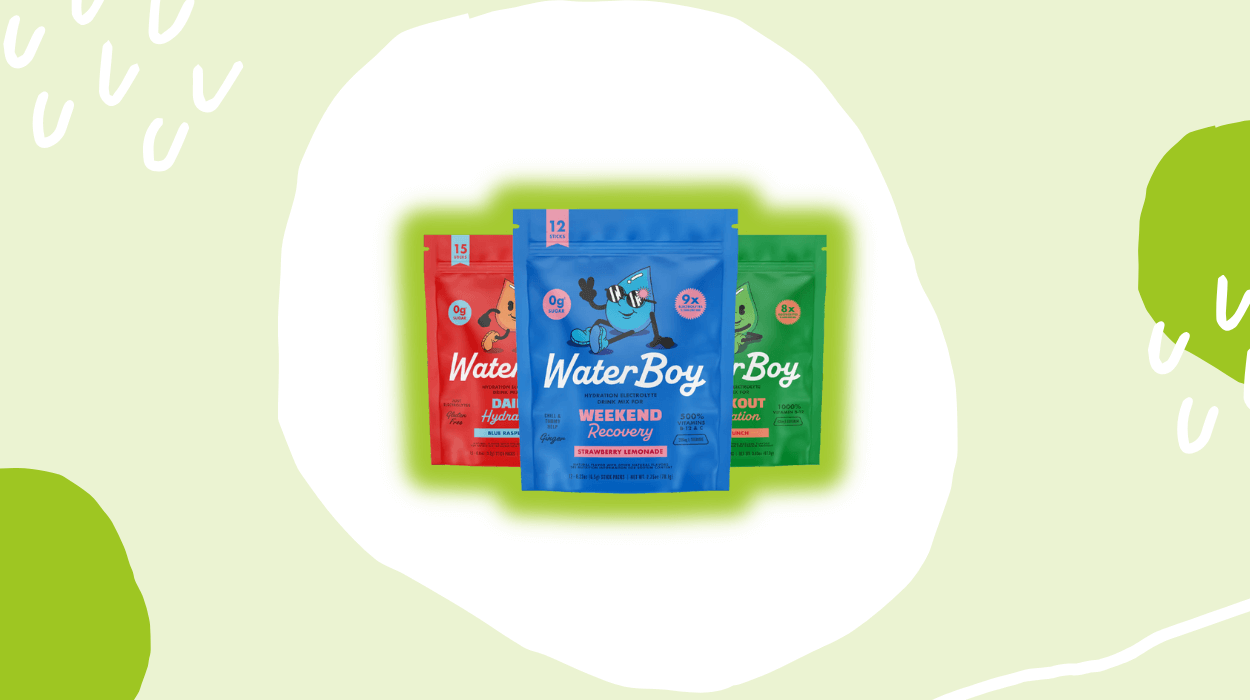

Water Boy offers powdered electrolyte drink mixes that could support hard workouts and everyday dehydration. Its offerings are formulated with different electrolyte levels and functional add-ins. The brand claims to maintain a focus on hydration performance.
The brand emphasizes high electrolyte content, zero sugar, and low calories, positioned to help address fatigue, support sweat loss and performance demands, and aid in routine hydration.
In this review, we’ll examine Water Boy’s products, ingredient strategy, and hydration claims in detail. We’ll also evaluate the benefits and potential limitations, assess how it compares to other brands, and analyze real-world user feedback across daily use, workout recovery, and weekend recovery scenarios.
Founded in 2021 by Mike and Connor, Water Boy claims to support hydration and workout needs. The brand structures its portfolio around three targeted use cases, such as Weekend Recovery, Workout Hydration, and Daily Hydration.
Weekend Recovery is said to be designed for post-alcohol rehydration and centers on consolidating multiple recovery-support ingredients, electrolytes, anti-nausea botanicals, calming amino acids, and high-dose B vitamins. The brand claims that it can manage dehydration, fatigue, and nausea, which are sometimes experienced after alcohol consumption, without including caffeine.
Workout Hydration targets high-sweat training environments. It is said to be structured for endurance sessions or high-intensity output. The brand’s Daily Hydration is positioned for routine use, such as office work, travel, or general daily fluid support.
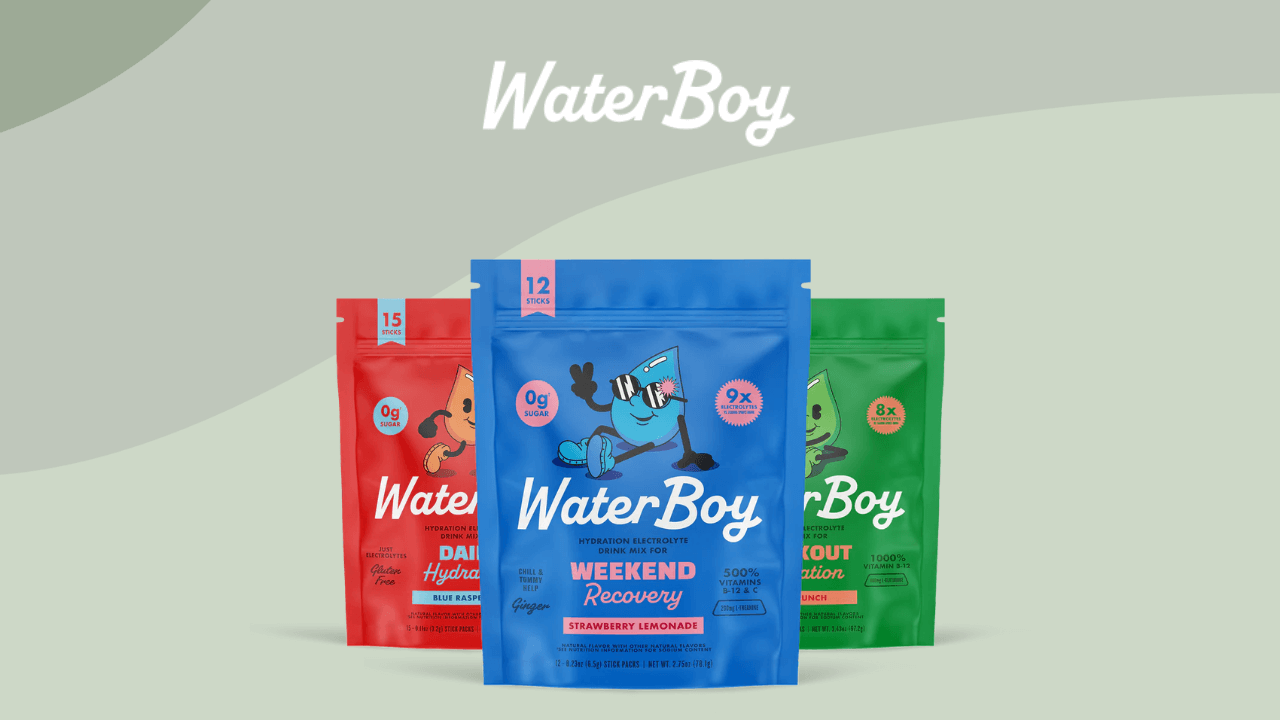
Weekend Recovery hydration powder may support recovery following alcohol consumption, travel, or general dehydration. The brand claims it can address fluid loss, electrolyte depletion, and fatigue. You can mix it with water to make a low-calorie hydration option. The formula centers on a high electrolyte load from potassium citrate, sodium, and magnesium citrate.
Sodium supports extracellular fluid balance and may help drive water absorption in the small intestine. Potassium contributes to intracellular fluid balance and neuromuscular function, while magnesium aids in muscle relaxation, electrolyte equilibrium, and energy metabolism. The citrate forms may help counter mild metabolic stress associated with dehydration.
The recovery blend has Vitamin C, which may function as an antioxidant, supporting cellular defense against oxidative stress that can increase with alcohol metabolism or sleep disruption. Vitamin B12 in its methylated form supports red blood cell formation and normal neurological function, which may assist in reducing perceived fatigue when levels are suboptimal.
L-theanine is known for supporting calm focus and helping moderate overstimulation. Ginger root extract is added by the makers for its role in supporting gastrointestinal comfort and reducing nausea. Weekend Recovery is available in Strawberry Lemonade, Fruit Punch, Blue Raspberry, Lemon Ginger, Candied Grape, and Cherry Limeade, as well as a Sample Pack option.
As per the official site, the Daily Hydration electrolyte powder is designed for consistent, everyday fluid balance. Its sodium, chloride, and potassium may help maintain osmotic balance and hydration. They could also contribute to muscle relaxation, electrolyte equilibrium, and energy metabolism.
Citric acid is included by the makers to enhance solubility and palatability. It does not include added vitamins, botanicals, or nootropic compounds and focuses exclusively on electrolyte replenishment and fluid absorption efficiency.
Workout Hydration may support your training performance, endurance, and post-exercise recovery. It can be used before, during, or after exercise to manage excessive sweat loss, maintain fluid balance, and support muscular function.
The electrolyte profile includes sodium and chloride, supporting extracellular fluid balance and intestinal water absorption. Potassium contributes to intracellular hydration and neuromuscular signaling, which is critical during prolonged or high-intensity exercise. Magnesium, provided as magnesium citrate, supports muscle relaxation, ATP-dependent energy metabolism, and electrolyte equilibrium, potentially reducing cramp susceptibility under heavy sweat conditions.
The formula also has Vitamin B12 and C, which may support RBC formation, cellular energy pathways, and help counteract exercise-induced oxidative stress. The makers also included L-glutamine, which plays a role in nitrogen transport, muscle repair, and immune system support during periods of intensive training or caloric stress. Workout Hydration is available in Strawberry Lemonade, Blue Raspberry, Lemon Lime, Fruit Punch, and a Variety Pack option.
Waterboy claims to provide hydration, targeting fluid and electrolyte depletion from intense exercise, alcohol consumption, heat exposure, or travel. Its product positioning emphasizes higher electrolyte density, with ingredient panels listing sodium, potassium, magnesium, chloride, and, in certain formulas, Vitamin C. This reflects a functional recovery orientation centered on electrolyte replenishment rather than flavored refreshment or lifestyle positioning.
The brand’s recovery-focused structure may offer a hydration option aligned with measurable fluid loss scenarios rather than general thirst. Elevated sodium and total electrolyte levels can be relevant after heavy sweating or alcohol-related dehydration, where electrolyte replacement matters more than taste. The brand’s positioning may better support structured recovery routines compared to lower-electrolyte or sugar-based hydration options.
Waterboy claims that select products, including Weekend Recovery and certain hydration mixes, undergo third-party testing through The Osmolality Lab. The company states that this testing confirms the formula reaches an osmolality range associated with efficient fluid absorption when mixed as directed. The Osmolality Lab measures the concentration of dissolved particles in a prepared solution. This measurement affects how fluids move across cell membranes. The lab uses quantitative analysis to compare results against recognized hydration benchmarks. Products that meet the defined range receive certification based on measured laboratory data.
Third-party osmolality certification may add context beyond the number of milligrams listed on the label. It reflects how the electrolytes and other solutes interact in solution. While hydration depends on multiple factors, this verified measurement may help you compare its offerings using an objective lab standard instead of marketing claims alone.
Waterboy does not publish structured, side-by-side comparisons with leading hydration competitors. You will not see standardized comparison charts that outline electrolyte totals, sodium-to-potassium ratios, or tested osmolality levels directly against other brands. The company also does not share controlled lab studies or matched-condition performance data that quantify how its formulas compare in real-world testing. In the hydration category, many brands use measurable metrics to clarify positioning. While Waterboy provides some objective metrics like third-party osmolality certification for select products (e.g., Weekend Recovery), it lacks broader competitive benchmarking at the brand level. If you rely on clear numerical comparisons to guide decisions, this gap may affect your evaluation. You must review and compare labels independently rather than reference published competitive data. This can make it harder to assess relative formulation strength, efficiency, and value across hydration options.
Tailwind and Waterboy both claim to offer powdered hydration options, emphasizing clean ingredients, performance orientation, and athlete-focused marketing. However, they differ in target scenarios, caloric architecture, product breadth, and fueling philosophy as reflected on their respective official sites.
Tailwind centers on endurance sports such as ultrarunning and cycling, promoting an all-in-one fueling approach. Rather than separating hydration from energy intake, the brand integrates carbohydrates, electrolytes, and, in certain products, protein into unified formulas intended to replace gels and bars during prolonged efforts. Its portfolio includes Endurance Fuel and High Carb Fuel mixes providing approximately 25–100 grams of carbohydrates per serving (roughly 100–400 calories), Rapid Hydration with balanced electrolytes and vitamin C, and a Recovery Mix combining carbohydrates with protein for post-exercise replenishment. Sodium content generally ranges from approximately 300–1,000mg depending on the product. Offerings are available in stick packs, bulk bags, bundles, starter kits, and branded gear such as hats and bottles, with free U.S. shipping on orders over $59. Its formulas are positioned as non-acidic and gut-friendly to support sustained energy for high endurance events.
Waterboy centers its positioning on sugar-free hydration, targeting gym workouts, everyday hydration, hangovers, and general recovery. Its core lineup consists of Workout Hydration, Weekend Recovery, and Daily Hydration. These products are vegan and gluten-free, offered in fruit-based flavors such as Strawberry Lemonade and Blue Raspberry. The formulations emphasize zero sugar, high electrolyte density (often 1,000mg+ sodium), vitamin B-12 in certain products, and functional additions including ginger and L-glutamine. The brand also highlights rapid absorption, WHO-aligned osmolality, and U.S.-based manufacturing.
From a formulation standpoint, Tailwind is explicitly carbohydrate-driven, using dextrose and sucrose to deliver steady glucose availability during endurance activity in which glycogen depletion is a performance constraint. Waterboy, by contrast, is structured as a zero-sugar, low- to no-calorie electrolyte system engineered for rehydration without caloric load, aligning with short-duration training, daily hydration, or recovery contexts where carbohydrate intake is not required.
Both brands stress non-GMO profiles, clean-label ingredients, science-informed electrolyte ratios, and athlete-centric messaging. The distinction lies not in ingredient transparency or performance positioning, but in metabolic intent as Tailwind integrates hydration and caloric fueling into a single endurance-oriented system, whereas Waterboy emphasizes electrolyte replacement without fueling.
GoodSport and Waterboy both operate in the athlete hydration category, but they diverge in formulation philosophy, electrolyte density, carbohydrate structure, research transparency, and product architecture.The brand GoodSport positions itself as a performance-focused hydration brand built around a high-electrolyte, zero–added-sugar model supported by formal scientific references. It offers a 500ml Electrolyte Sports Drink that delivers 1,600 mg of total electrolytes, including sodium, potassium, magnesium, calcium, chloride, and phosphorus, alongside B vitamins intended to support energy metabolism. The formula excludes artificial dyes and flavors and is claimed to be third-party tested for purity and label accuracy. Flavor options include Wild Berry, Lemon Lime, Strawberry Lemonade, and Fruit Punch. The brand centers its differentiation on a milk permeate–derived electrolyte system designed to provide balanced mineral ratios rather than relying primarily on sodium alone.
Waterboy, by contrast, follows a more segmented and occasion-based hydration strategy that may support endurance athletes, team sports participants, and social recovery consumers. Its Workout Hydration formulas include ingredients such as dextrose, sucrose, citric acid, sodium citrate, natural flavors, and stabilizers, with flavors such as Blue Raspberry, Strawberry Lemonade, and Lemon Lime. Its Daily Hydration line is offered in Watermelon, Strawberry Lemonade, Cucumber Citrus, and Blue Raspberry. The Weekend Recovery formula represents a specialized zero-sugar, dairy-free, gluten-free, vegan powder offered in Strawberry Lemonade, Fruit Punch, Lemon Lime, Blue Raspberry, Lemon Ginger, and Candied Grape, delivering sodium, potassium, magnesium, plus Vitamin C, Vitamin B12, L-Theanine, and Ginger Root Extract. This targeted recovery product underscores Waterboy’s broader category diversification beyond athletic-only use cases.
GoodSport’s higher electrolyte density is structured for fluid support in high-sweat environments such as high-intensity interval training, weight training, hot yoga, and heat-based performance settings. The absence of added sugars may reduce glycemic fluctuations or gastrointestinal discomfort for some users. Waterboy’s carbohydrate-containing Workout formulas align more closely with prolonged endurance activities, like marathon running or field sports, where rapid carbohydrate availability supports sustained output. However, higher sugar intake may increase the likelihood of post-activity energy variability depending on usage volume and context.
GoodSport highlights peer-reviewed research supporting its milk permeate–based electrolyte system. The brand references the Arizona State hydration comparison trial, Nutrients absorption research, Frontiers heat performance findings, and literature such as Maughan on hydration index metrics. Advisory involvement from Dr. Bob Murray is also cited. In contrast, Waterboy’s publicly available materials emphasize product claims such as high sodium content and zero-sugar positioning in certain offerings but provide less centralized disclosure of peer-reviewed trials or formal advisory boards. Batch testing transparency is referenced through QR-code access, yet the brand’s messaging focuses more heavily on accessibility and use-case clarity than research archives.
GoodSport prioritizes high-density electrolyte replacement supported by university-referenced research within a simplified, ready-to-drink model. Waterboy emphasizes versatility and product breadth, delivering a mix of carbohydrate-electrolyte and zero-sugar recovery powders, with comparatively less publicly detailed scientific substantiation.
While evaluating how various users experience Waterboy’s hydration products, we examined user responses across its key electrolyte formulations on Amazon. The brand’s Hangover Relief & Weekend Recovery Electrolyte Packets hold a rating of around 4.4 out of 5 stars from 4,600+ global ratings. Users frequently describe this formula as effective, particularly for hangover prevention, intense workouts, and general dehydration recovery. Many report feeling noticeably more hydrated, energized, and mentally clearer. The zero-sugar formulation receives strong praise, especially from users seeking to avoid sugar spikes or artificial ingredients. However, saltiness is a recurring concern as some find the sodium level appropriate and performance-enhancing, while others describe the flavor as extremely salty and overpowering.
Workout Hydration Electrolyte Sticks carry a rating of 4.4 out of 5 stars from 1,220+ global ratings. Users commonly highlight improvements in workout endurance, muscle recovery, cramping reduction, and post-training fatigue. The sticks are frequently praised for convenience and portability, dissolving easily in water and working well with both flat and sparkling water. Taste reviews are mixed, while many users enjoy flavors such as Lemon Lime and Blue Raspberry, others find the salt content heavy and noticeable even when diluted beyond the maker’s recommended serving size.
The brand’s Daily Hydration Powder has a rating of 4.2 out of 5 stars, which is based on 760+ global ratings. Users report effective hydration during hot weather, long outdoor activities, and daily routines. Many appreciate the clean ingredient profile and zero-sugar formula, noting that it does not cause reflux or sweetness fatigue like traditional sports drinks. Some users mention improved focus and sustained energy, especially during physically demanding activities. While flavors such as Watermelon and Strawberry Lemonade receive praise for being refreshing, others describe the taste as gritty and acidic. Price also remains a recurring concern, with some users considering it too costly for daily use.
Across all three Waterboy formulations we reviewed, user feedback indicates strong effectiveness in hydration, recovery, and electrolyte replenishment. However, the elevated salt profile is polarizing, and pricing is the most consistent criticism.
To assess Waterboy’s brand reputation, we reviewed third-party consumer feedback platforms. On Thingtesting, Waterboy holds a 4.5/5 rating from 10+ reviews, with reviewers indicating strong overall satisfaction within its current customer base. Reviewers frequently highlight the brand’s zero-sugar formulation, high electrolyte concentration, and inclusion of functional ingredients such as ginger.
On Tenereteam, Waterboy maintains a 4.5/5 rating based on a small review base, with sentiment trending positive around value and service. Taste, however, appears to be the brand’s primary friction point. Multiple reviewers describe the formula as very salty.
There is no clearly identified profile for the brand on the Better Business Bureau, ConsumerAffairs, or Yelp at this time, limiting visibility into formal complaint patterns or dispute resolution data. Waterboy presents as a formulation-driven, performance-focused hydration brand, supported by positive but still limited third-party review volume and a relatively minimal public compliance footprint.
Waterboy occupies a distinct position within the hydration marketplace. Its focus is narrowly defined, addressing significant fluid and electrolyte loss rather than routine hydration. The brand’s formulations are structured for contexts such as intensive exercise, prolonged exertion, heavy perspiration, or recovery after alcohol consumption.
Instead of positioning hydration as a lifestyle choice or as a light refreshment, Waterboy claims to approach it as a physiological requirement. Its zero-sugar, high-electrolyte design may provide replenishment. However, that specificity also narrows its everyday relevance.
For moderate hydration support or light physical activity, the brand’s concentrated composition may exceed practical needs. Its formulas could be best suited to circumstances where fluid and sodium replacement are critical, rather than habitual or low-intensity use.

Contact us at [email protected] or follow @leafsnap on Twitter! View our Privacy Policy.