
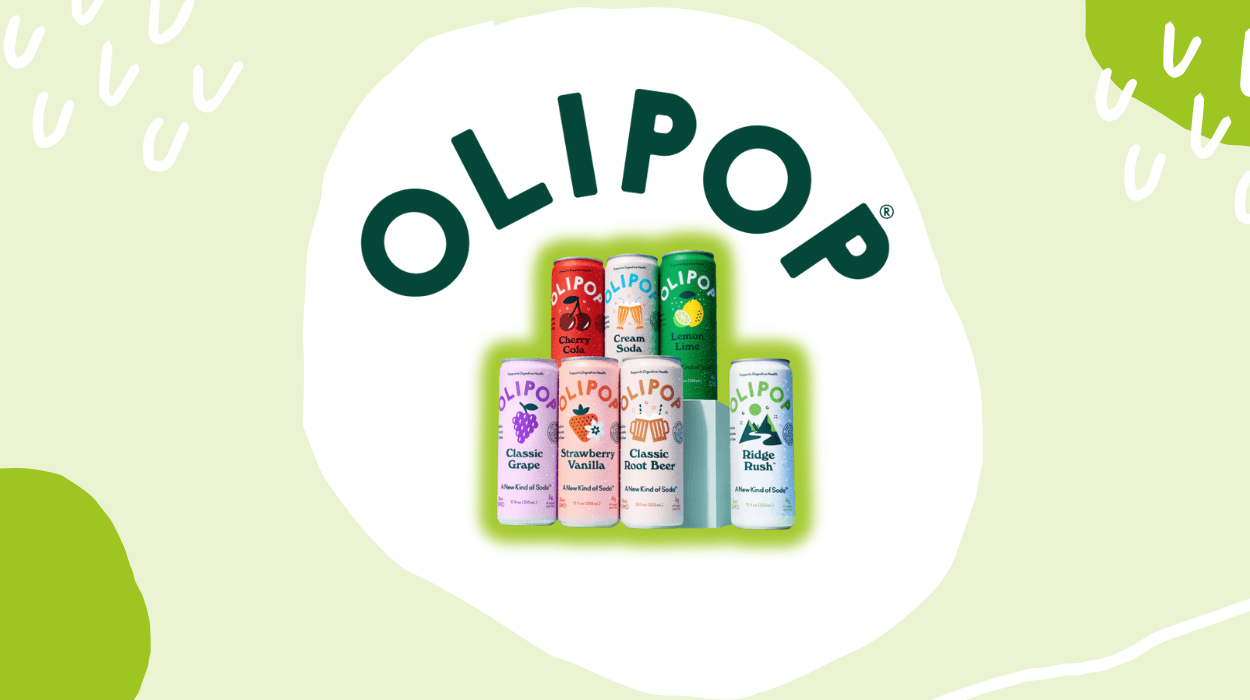
Olipop claims to provide prebiotic soda options that may support a healthy digestive function. Instead of relying on high sugar content, the brand formulates its drinks using plant-based fibers, prebiotics, and botanical extracts.
It aims to offer a lower-sugar carbonated drink that provides functional value alongside familiar flavors. The brand’s product range includes soda-style options inspired by classic soft drinks such as cola, root beer, and cream soda, along with fruit-based varieties.
In this review, we explore Olipop’s product offerings in detail, examine the advantages highlighted by the brand, and assess consumer reviews. We also discuss the brand’s limitations to provide you with a balanced perspective on whether it aligns with your expectations and fitness priorities.
Olipop is a functional drink brand that operates within the soda category, with a clear emphasis on digestive health and reduced sugar intake. It focuses on producing prebiotic sodas designed to mirror familiar soft drink flavors while combining functional ingredients that may support the gut microbiome.
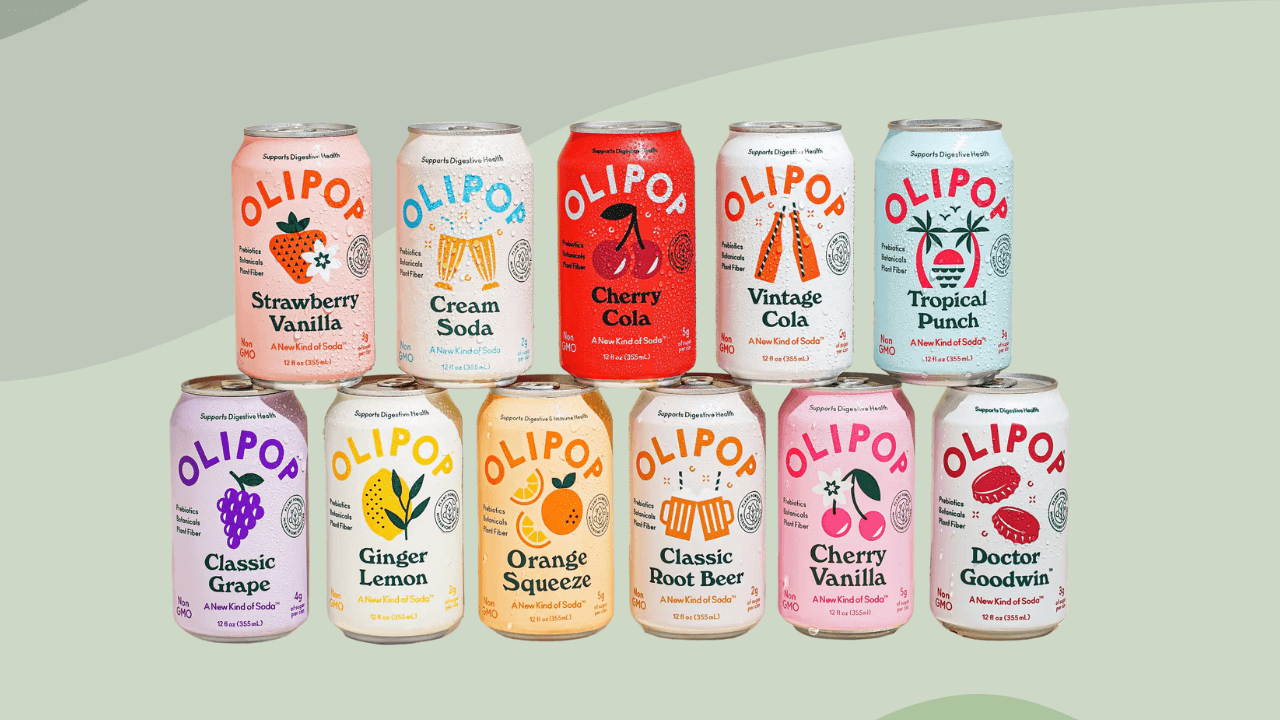
The brand’s primary offerings consist of prebiotic sodas available in single flavors, variety packs, limited-edition releases, and pantry-ready shelf-stable formats. Its flavor lineup covers a wide range of classic and modern profiles, including cola-style drinks, citrus sodas, fruit-based blends, cream-forward options, and spiced varieties.
Examples include vintage cola, classic root beer, ginger lemon, strawberry vanilla, orange squeeze, banana cream, cherry cola, watermelon lime, and seasonal flavors such as crisp apple and pineapple paradise.
As per the official website, the brand uses a proprietary blend known as OLISmart, which combines plant-based fibers, botanicals, and prebiotics. Ingredients such as cassava root, chicory root, Jerusalem artichoke, nopal cactus, acacia fiber, guar fiber, marshmallow root, kudzu root, and calendula flower contribute soluble fiber and resistant starches. These components are selected to support digestive processes rather than deliver stimulation or synthetic fortification.
The brand highlights operating as a Public Benefit Corporation and Certified B Corp, aligning its sourcing, formulation, and operational practices with stated sustainability and social responsibility standards.
Crisp Apple is a sparkling soda formulated to deliver a sweet profile that sits between fresh apple juice and candy-like apple notes. As per the official website, one can provide 9 g of dietary fiber, primarily sourced from the OLISMART blend. This blend includes cassava root fiber and chicory root inulin, both of which are classified as fermentable plant fibers.
Cassava root fiber is rich in resistant starch–like compounds that pass through the small intestine without digestion, reaching the colon where they can be used by gut bacteria as energy. This process contributes to short-chain fatty acid production, which is critical for maintaining the integrity of the intestinal lining and supporting normal digestive function.
Chicory root inulin selectively feeds beneficial bacteria such as Bifidobacteria, encouraging microbial balance within the gut ecosystem. As these bacteria ferment inulin, they influence stool bulk, water retention, and regularity.
According to the official website, Vintage Cola features the familiar taste of traditional cola, with layered cinnamon, vanilla, and caramel notes that add warmth and depth to the flavor profile.
The fiber content in this formulation is supported by Jerusalem artichoke inulin, which is composed primarily of fructooligosaccharides. Inulin resists digestion in your upper gastrointestinal tract, and while reaching the colon intact, it becomes a substrate for beneficial gut bacteria. It may support colonic health, maintain the gut barrier, and influence bowel regularity.
Vintage Cola also includes nopal cactus, which contains a mix of soluble fiber, insoluble fiber, and mucilage. This allows nopal to absorb water and form a gel-like matrix in the digestive tract, which can slow gastric emptying and carbohydrate absorption.
The makers also added marshmallow root in this drink, which contains polysaccharides that form a viscous, mucilaginous coating when hydrated. It complements fermentable fibers by adding a non-fermenting, coating component that may help balance digestive tolerance.
Ginger ale features a blend of sweet lime, quince, and mild ginger juices. It combines cassava root syrup, which functions as a carbohydrate-based sweetening agent derived from the cassava plant. It supplies easily digestible glucose polymers that are broken down in the small intestine and absorbed as a source of energy. Cassava-based syrups retain trace plant compounds and tend to have a smoother sweetness curve, which can reduce abrupt spikes in perceived sweetness within drinks.
The makers also added ginger juice in this formula, which contains gingerols and shogaols that might interact with gastrointestinal smooth muscle and sensory receptors, contributing to digestive comfort. Ginger also stimulates saliva and gastric secretions, which can support normal digestion, particularly after meals.
Calendula flower in Ginger ale contains flavonoids and triterpenoids that exhibit mild anti-inflammatory and antioxidant activity at the cellular level. It also has kudzu root, which is rich in starches and isoflavone compounds that influence carbohydrate digestion and absorption.
Olipop has built cultural relevance by actively participating in pop culture and digital communities rather than positioning itself solely as a functional drink. A notable example is its 2025 SpongeBob SquarePants collaboration, which introduced the Pineapple Paradise soda through a multi-layered campaign tied to the franchise’s film release.
The activation included collectible cans, interactive digital experiences such as an AI-powered can hunt, and gaming integrations, blending nostalgia with modern engagement formats. This approach connects the brand to childhood soda memories.
Social media plays a central role in sustaining this resonance. The brand frequently appears within TikTok-driven wellness conversations, particularly around gut health, where related hashtags have generated hundreds of millions of views. User-generated content under community-driven tags helped normalize the brand in everyday routines, from meal pairings to lifestyle reviews. This organic presence positions the brand as part of a broader cultural movement around fitness-conscious choices rather than a brand that relies primarily on traditional advertising.
Flavor strategy further strengthens this connection. The brand’s core offerings, such as Vintage Cola, Crisp Apple, and Ginger Ale, are intentionally modeled after familiar soda styles, making them easily recognizable and shareable in social and cultural contexts. Limited and themed flavors like Pineapple Paradise build on this familiarity while tapping into entertainment-driven moments.
Olipop’s market positioning is closely aligned with the microbiome and gut-health wellness trend, with its formulations built around prebiotic fiber blends rather than conventional refreshment or hydration. This approach reflects growing scientific and professional interest in dietary fiber and digestive health, which has driven demand for prebiotic drinks in recent years. However, anchoring brand identity to a single wellness narrative means broader appeal is secondary to functional differentiation.
Although flavors such as Crisp Apple, Vintage Cola, and Ginger Ale are designed to mirror familiar soda profiles and encourage mainstream trial, the brand’s primary value proposition remains digestive support. If you’re not actively focused on gut health, messaging around fiber content and microbiome support may feel less compelling to you than taste or everyday convenience. This can narrow the brand’s reach compared with drinks positioned primarily for refreshment or everyday consumption.
From a market and scientific perspective, wellness priorities continue to evolve as research and consumer interest shift toward areas such as cognitive health, immunity, or metabolic performance. Increased scrutiny of functional claims may also influence purchasing behavior over time.
Olipop’s functional positioning as a prebiotic, gut-health–focused soda alternative leads to distinctly mixed consumer responses. Many users in independent reviews seem to value the brand for combining familiar soda-style flavors such as Vintage Cola, Ginger Ale, and Crisp Apple with lower sugar content and added fiber, viewing it as a more fitness-conscious option within a traditionally indulgent category. For these consumers, the balance of taste and digestive-focused formulation aligns well with wellness-oriented preferences.
However, a notable share of feedback highlights sensory and physiological drawbacks. Some consumers report differences in mouthfeel compared with conventional soda, including lighter carbonation, less perceived fizz, or flavor profiles described as muted or altered by sweeteners such as stevia. Olipop’s use of fermentable prebiotic fibers, like inulin, can also lead to gastrointestinal effects such as bloating or gas if you have sensitivities or are unaccustomed to higher fiber intake. These reactions are consistent with known digestive responses to prebiotics, but can negatively affect individual experience.
Culture Pop and Olipop both operate within the healthy soda category, but they reflect different priorities in formulation and positioning. As per its official website, Culture Pop aligns more closely with lightly sweet, fruit-based sparkling drinks that sit between soda and seltzer. Its products are sweetened only with organic fruit juice, exclude stevia and refined sugar, and include live probiotics alongside herbs and spices. The overall profile is lighter and more refreshing, with an emphasis on balance rather than richness.
Olipop follows a more function-oriented model, presenting itself as a soda alternative with a stronger digestive health focus. Its formulations feature a prebiotic fiber blend and plant-based ingredients designed to create a fuller body and a taste experience closer to traditional soda. Functional benefits are more prominently integrated into the brand’s messaging, supported by educational content around digestion, while still maintaining lower sugar levels around 2-3g than conventional soft drinks.
Flavor development further distinguishes the two brands. Culture Pop maintains a consistent, fruit-led approach across its range, using combinations such as strawberry & rhubarb, ginger lemon & turmeric, pink grapefruit & ginger, and wild berries & lime. These flavors tend to be tart to mildly sweet and are positioned for casual, repeat consumption.
Meanwhile, Olipop offers a wider and more nostalgic selection, including cola-style and dessert-inspired options such as vintage cola, classic root beer, cream soda, banana cream, and cherry cola, alongside fruit-forward flavors and seasonal releases.
In terms of product structure and accessibility, Culture Pop emphasizes sampler packs, curated variety packs, and subscription options. Olipop supports a broader purchasing ecosystem that includes pantry-ready variety packs, seasonal collections, digital gift cards, and a rewards program, with wider retail availability and a higher typical price point that reflects its functional positioning.
Culture Pop focuses on lighter, juice-sweetened soda with probiotic addition and a refreshing profile, while Olipop prioritizes a soda alternative that closely replicates the flavor and mouthfeel of traditional soft drinks.
Daytrip presents its prebiotic sodas as organic alternatives to conventional soda, combining digestive support with an emphasis on mood and everyday wellness. Its formulations highlight 6+ grams of prebiotic fiber per can, 100% vitamin C, and a blend of non-hemp botanical terpenes positioned around mental clarity and stress balance.
The brand highlights using ingredients such as organic agave inulin, organic cane sugar, elderberry juice powder, and organic flavor extracts in its offerings that reflect its focus on organic sourcing and lower sugar content. Beyond prebiotic soda, Daytrip extends into sparkling waters, CBD-infused gummies, and branded merchandise, framing the brand as a broader lifestyle-focused drinks company rather than a single-product soda brand.
On the other hand, Olipop takes a more narrowly defined functional approach, positioning its sodas primarily around digestive and microbiome support. Its formulations rely on the proprietary OLISMART blend, which combines multiple prebiotic fibers and botanicals, including cassava root fiber, chicory root inulin, Jerusalem artichoke inulin, nopal cactus, marshmallow root, calendula flower, kudzu root, acacia fiber, and guar fiber. Many of its core flavors provide up to 9 grams of dietary fiber per can while keeping total sugar low, supported by ingredients such as stevia leaf extract and small amounts of juice concentrate. Olipop consistently presents detailed nutritional information, fiber percentages, and ingredient explanations, reinforcing a formulation-led, research-oriented positioning.
The two brands also diverge in their flavor and portfolio strategies. Daytrip maintains a relatively focused soda lineup, with flavors such as berry citrus, clementine, grapefruit lime, root beer, cream soda, and Dr. Daytrip, supported by variety packs and subscriptions. Meanwhile, Olipop offers a broader and more nostalgic flavor range, including vintage cola, classic root beer, banana cream, and cherry cola, and rotating seasonal options such as crisp apple and pineapple paradise.
In terms of pricing, both brands sit within a comparable premium range. Daytrip’s prebiotic sodas are typically priced at around $36 for a 12-pack, with subscription options reducing the cost to approximately $30.60 and offering savings options. Olipop’s 12-packs are generally priced at $35.99 for core flavors, with subscriptions and periodic promotions affecting the final per-pack cost.
Daytrip places greater emphasis on subscription savings and lifestyle extensions, whereas Olipop focuses on variety packs, limited-edition releases, and wider availability across both refrigerated and shelf-stable formats.
Our evaluation of Olipop is based on a review of verified Amazon customer feedback posted primarily during 2024 and 2025, focusing on product-specific ratings, review volume, and recurring usage patterns rather than isolated opinions.
The brand’s Prebiotic Soda Pop, including flavors such as Cream Soda, Vintage Cola, Ginger Ale, Classic Grape, Crisp Apple, and Root Beer, maintains an average 4.4 rating across roughly 3,400 to 3,800 reviews.
Customers frequently highlight flavor balance and the ability of certain varieties to replace traditional soda habits, particularly for those reducing sugar intake.
While flavors like Cream Soda, Root Beer, Crisp Apple, and Ginger Lemon receive consistent approval, Vintage Cola shows more divided feedback, indicating that cola-style expectations vary more widely among users.
We also considered feedback on formulation and experience. Many users note digestive comfort and reduced bloating compared to conventional sodas, while carbonation levels are generally described as moderate but subjective by flavor.
The brand’s Minis Prebiotic Soda Pop, including Strawberry Vanilla, Ginger Ale, Classic Grape, and Vintage Cola, holds a 4.2 rating based on 126+ reviews. The feedback indicates that the smaller can size appeals to users focused on portion control and sweetness management. Strawberry Vanilla and Ginger Ale receive steadier praise, while Vintage Cola again draws mixed reactions, reinforcing that taste alignment plays a key role in satisfaction.
Our evaluation indicates that Olipop delivers a largely consistent experience across flavors and formats, with stronger approval among consumers actively seeking lower-sugar, fiber-containing alternatives to traditional soda. While not every flavor resonates equally, the sustained high ratings and repeat purchases indicate that the brand generally meets expectations when approached as a functional drink option.
Olipop offers packaged carbonated drinks formulated with plant-based fibers, botanical extracts, and reduced sugar content. Its portfolio covers multiple classic soda-style flavors and is positioned for everyday consumption rather than short-term dietary use.
The brand currently holds a 4.5 out of 5 rating based on 32+ reviews on Tenerteam. This reflects generally positive feedback within a small reviewer count, suggesting early satisfaction with product experience and brand positioning, though the limited sample size reduces its representativeness.
We also reviewed Better Business Bureau records to understand formal complaint visibility and dispute resolution. The brand does not currently appear to have a BBB listing or rating. While this is not uncommon for consumer packaged goods companies, it does restrict access to standardized data on customer complaints and resolution outcomes.
Olipop seems to be an established drink brand with a clearly defined product focus and favorable early consumer feedback. However, the absence of BBB records and limited long-term performance data suggests that its reliability is best assessed through a combination of independent reviews, retailer feedback, and ongoing market performance.
Olipop emphasizes using prebiotic fiber, reduced sugar content, and flavor profiles modeled after traditional soft drinks. Its core formulation approach relies on the OLISmart blend, which uses plant-based fibers and botanicals in place of conventional sweeteners.
These drinks are not intended to replace whole-food fiber sources or serve as comprehensive gut-health options, and their effects vary depending on individual tolerance to fermentable fibers.
The brand may work best as a lower-sugar soda option for those who are mindful of gut health rather than as a universally appealing soft drink. Its primary value lies in its formulation intent, nostalgic flavor positioning, and convenience as a routine substitution for conventional soda.
However, differences in sweetness, carbonation, and mouthfeel may affect everyday drinkability. If you do not prioritize digestive support, the brand’s functional formulations may offer limited appeal compared to simpler, flavor-driven options.

Contact us at [email protected] or follow @leafsnap on Twitter! View our Privacy Policy.