
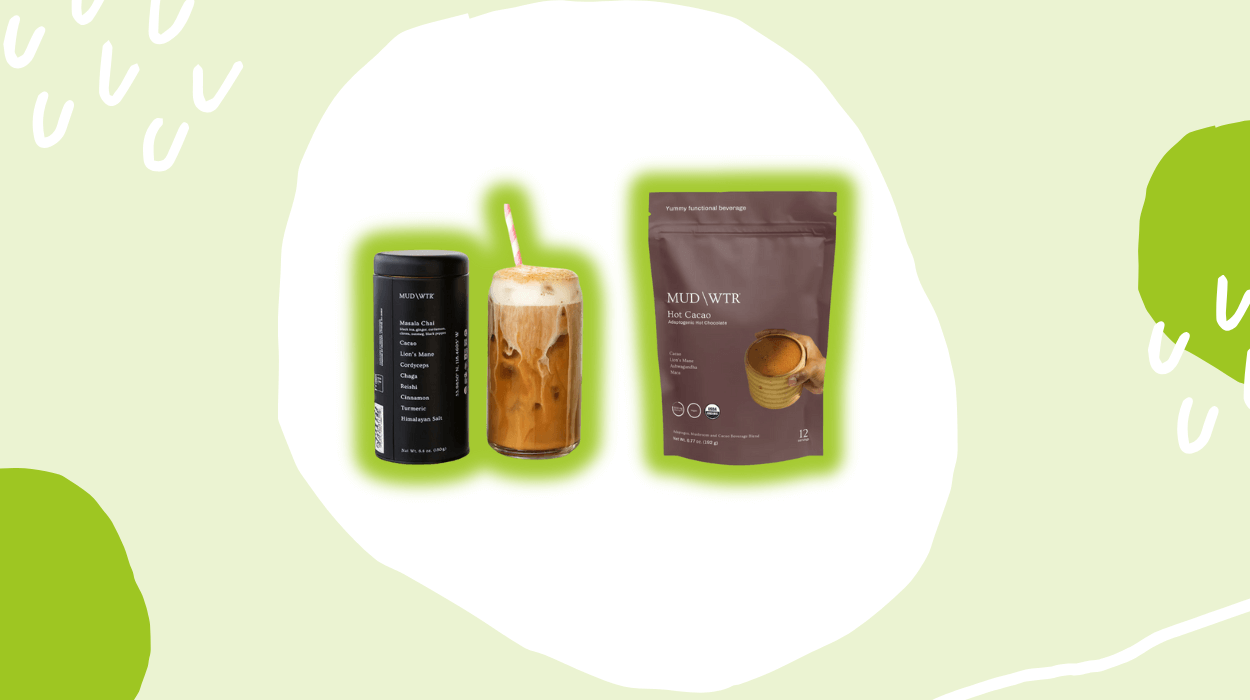
Mud/Wtr operates within the functional drink category, and its offerings include powdered drink blends made with functional mushrooms, organic spices, cacao, and plant-based ingredients. Its formulations emphasize reduced caffeine content compared to coffee, using tea-derived caffeine alongside mushrooms.
In this review, we examine Mud/Wtr’s full product range, assess the brand’s stated advantages and positioning, and evaluate its market reputation. It will also analyze consumer feedback to better understand how the brand performs in real-world use and how it compares within the functional drink category.
According to the official website, MUD\WTR aims to reduce dependence on traditional coffee through mushroom-based drink mixes. The brand centers its product development around organic functional mushrooms, adaptogens, and plant-based ingredients intended for daily consumption. Its offerings are structured around routine use across different times of day rather than short-term or condition-specific supplementation.
MUD\WTR operates primarily within the functional category, with an emphasis on drinkable alternatives to coffee, tea, and conventional wellness drinks. The brand avoids capsule or pill formats and instead delivers its formulations as powdered blends meant to replace common habits such as morning coffee, afternoon energy drinks, protein shakes, or evening teas.
As per its official website, the brand’s product lineup is organized by use case. Its Energy and focus blends include Original (a cacao chai blend), Matcha, Turmeric, and a low-caffeine Coffee option. The Coffee blend combines organic Arabica coffee with Swiss Water® decaffeinated coffee to retain flavor while limiting caffeine. Across these blends, the brand claims to consistently use mushrooms such as lion’s mane, cordyceps, chaga, and reishi, each selected for roles related to cognitive support, energy metabolism, immune defense, and stress response.
It also offers caffeine-free calm and sleep blends, including Rest and Hot Chocolate. These rely on non-stimulant bases such as rooibos and chamomile, paired with functional mushrooms and spices.
MUD\WTR also operates in the functional protein category through its Nourish line. These protein blends provide complete protein and include functional mushrooms and nootropic ingredients.
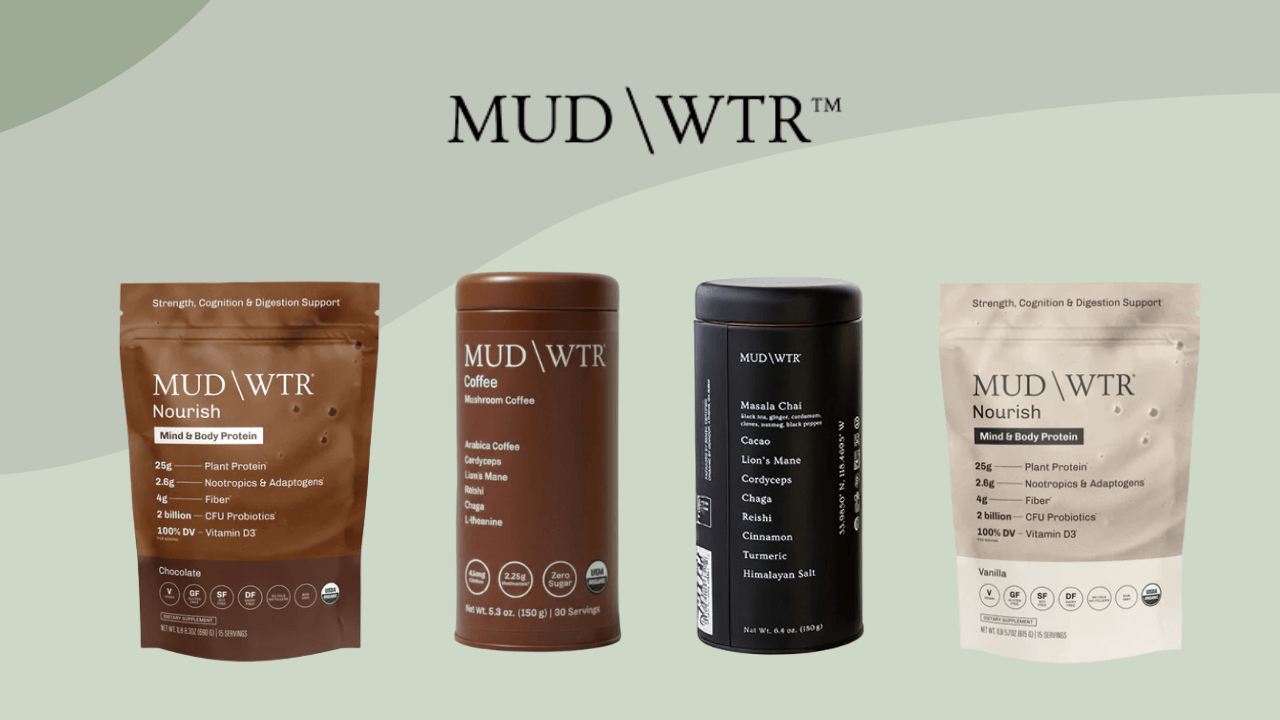
Mud\Wtr Coffee combines Arabica coffee with select amino acids and functional mushrooms. It could provide moderate stimulation while reducing the rapid spikes and drops commonly linked to higher caffeine intake.
The base uses a mix of regular and Swiss Water® decaffeinated Arabica coffee. Caffeine works by blocking adenosine receptors in the brain, which delays the perception of fatigue. Keeping caffeine at a controlled level may reduce excessive nervous system stimulation, which is often associated with jitteriness, rapid heart rate, or post-stimulation crashes.
L-theanine is added to this blend to promote alertness. It readily crosses the blood–brain barrier and is involved in increasing alpha brain wave activity, which is associated with a calm but alert mental state. When paired with caffeine, L-theanine may influence neurotransmitter signaling by modulating glutamate activity and supporting balanced dopamine and GABA responses.
Mud\Wtr Original focuses on combining mild stimulants with bioactive compounds that interact with energy metabolism, cognition, and digestive processes more gradually. As per the official website, each 1 tablespoon (6 g) serving contains approximately 35 mg of caffeine, which might support wakefulness without overstimulating the central nervous system or causing sharp fluctuations in energy levels.
Organic cacao in this formula naturally contains theobromine, which has a slower onset and longer half-life. It supports vasodilation and mild central nervous system stimulation, which may influence perceived energy and blood flow.
Cacao is also rich in polyphenols, including flavanols, which are studied for their role in reducing oxidative stress and supporting gut microbial diversity through interactions with intestinal bacteria.
According to the official website, Nourish Mind & Body Protein may support muscle maintenance and satiety. It provides vegan protein, primarily sourced from pea protein. Pea protein contains branched-chain amino acids such as leucine, which helps activate the mTOR pathway involved in muscle protein synthesis.
Nourish Mind & Body Protein also combines bacopa monnieri extract, which contains bacosides that might support neuronal signaling and synaptic plasticity. These compounds are associated with the modulation of acetylcholine activity and antioxidant protection in neural tissue.
The probiotic strain Bacillus coagulans U-IS2 is added to support digestive function. It produces short-chain fatty acids, which may support gut barrier integrity and influence gut–brain signaling through the vagus nerve.
Vitamin D (as cholecalciferol) in this formula binds to vitamin D receptors present in muscle tissue, immune cells, and the brain, influencing gene expression related to muscle strength, inflammatory response, and neurotransmitter synthesis.
Mud\Wtr Hot Cocoa could support the nervous system, endocrine signaling, and metabolic balance. It contains cacao, which has polyphenols that may influence cognitive performance by supporting oxygen and nutrient delivery to brain tissue.
Ashwagandha is included in this blend, which contains withanolides that might help modulate the hypothalamic–pituitary–adrenal (HPA) axis. It could also support relaxation, stress resilience, and mental steadiness rather than immediate stimulation.
Maca root in Mud\Wtr Hot Cocoa might support cellular energy metabolism and neuroendocrine balance. It may support perceived vitality and cognitive endurance through its effects on mitochondrial function and hormonal signaling.
As per the official website, Matcha supports steady energy and mental clarity. It contains organic matcha, which contains caffeine bound to polyphenols, particularly catechins such as EGCG (epigallocatechin gallate). This binding slows caffeine absorption, resulting in a more gradual increase in alertness compared to coffee. Matcha also naturally contains L-theanine, which may support a calm but attentive mental state and might help reduce overstimulation while maintaining focus.
The makers also added cordyceps in Mud\Wtr Matcha, which may influence ATP production within mitochondria. This could support physical endurance and perceived energy without triggering jittery responses associated with stimulants. The blend also combines black pepper, which may help increase the bioavailability of certain plant compounds by inhibiting enzymes involved in their rapid breakdown and by enhancing intestinal absorption.
Mud\Wtr Turmeric could support inflammation pathways, circulation, and better metabolic signaling that can influence how alert and mentally clear you feel over time. It contains turmeric, which might help modulate inflammatory signaling pathways such as NF-κB and influence oxidative stress at the cellular level.
Organic ginger in this formula complements turmeric through its active compounds, including gingerols and shogaols. These molecules are involved in digestive enzyme activity, gastric motility, and anti-inflammatory signaling.
The brand also added cinnamon to this product, which contributes cinnamaldehyde and related polyphenols that interact with glucose metabolism and insulin signaling. It may also help reduce energy fluctuations that contribute to mental fog or crashes.
Mud\Wtr Rest is a caffeine-free formula that may support better relaxation and sleep quality. The formulation focuses on calming sensory cues and bioactive compounds that influence stress response and sleep onset.
Mud\Wtr Rest includes rooibos tea extract, which contains aspalathin that may support antioxidant activity and moderate stress-related oxidative processes. It also has organic valerian root extract, which interacts with gamma-aminobutyric acid receptors in the brain. This may support an easier transition into rest.
According to the official website, lucuma fruit powder in Mud\Wtr Rest contributes mild natural sweetness along with carbohydrates and trace micronutrients. Readily available carbohydrates can support serotonin production by influencing amino acid transport across the blood–brain barrier, which might support melatonin synthesis.
| Product Name | Caffeine Content |
| Turmeric and Rest | 0 mg |
| Coffee | 45 mg per 1tbsp (5g) |
| Matcha | 55 mg per 1tbsp (6g) |
| Original | 35 mg per 1tbsp (6g) |
Mud\Wtr centers its brand narrative on the personal journey of its founder, Shane Heath, and this story appears consistently across the website, interviews, podcasts, and long-form content.
The brand highlights that Heath grew up in Santa Cruz, California, and frequently references his parents’ backgrounds, as claimed by the brand, in construction and mushrooms as formative influences on its focus on functional ingredients.
According to the brand, Heath later began experimenting with chai, cacao, and functional mushrooms such as lion’s mane and cordyceps. Mud\Wtr presents this phase as the basis for its original formulation and frames the product as the result of personal experimentation rather than external market research.
Mud\Wtr also highlights that its early production process was highly hands-on. The brand states that initial batches were mixed and packed in Heath’s Venice, California apartment while the company was still bootstrapped. This founder-led origin story is used to differentiate Mud\Wtr within the functional category, positioning the product as experience-driven rather than trend-driven. The brand further suggests that this narrative supports customer trust and long-term loyalty, often linking early growth moments, such as rapid initial orders through social media, to this positioning.
Mud\Wtr states that its products are available through Target stores across the United States, alongside direct availability on its official website. According to the brand and supporting announcements, the retail rollout was announced in December 2023 for launch in approximately 478 stores by early 2024, with subsequent mentions of expansion to more than 500 locations as claimed by the brand. Mud\Wtr presents this expansion as a shift away from a purely direct-to-consumer model toward broader physical availability.
The brand also claims to maintain active engagement through social and community channels. This includes Instagram, email newsletters, and member communications that focus on routines, mental clarity, and reduced reliance on caffeine.
MudWtr frames this multi-channel structure as a way to reduce reliance on direct-to-consumer traffic alone. This may support retail placement, product discovery, and impulse purchases, while its content and community channels aim to support retention by encouraging integration into daily habits.
MudWtr focuses on a single core behavior, reducing or replacing daily coffee. The brand states that it maintains a tight product lineup, which includes the Original blend with low caffeine from tea, the Rise Matcha version, and Rest, a caffeine-free evening blend. Its products are offered in powdered form and follow a consistent functional structure built around cacao, spices, and mushrooms.
The brand claims it deliberately avoids category expansion. MudWtr does not offer ready-to-drink cans, energy shots, sodas, coffee beans, brewing equipment, formulas, or protein products. Limited releases, when introduced, remain within the same ritual-based framework rather than extending into adjacent categories.
MudWtr positions its focus around routine rather than flavor variety. The brand emphasizes mental clarity, habit formation, and steady energy, and it avoids marketing centered on taste trends or high caffeine intensity. This approach may help you evaluate the product based on how it fits into your daily habits, rather than chasing short-term stimulation or frequent flavor changes.
MudWtr’s marketing places a stronger emphasis on functional benefits than on product-level validation to support those claims. Brand messaging often suggests improvements in focus, energy stability, and daily performance, but there is limited product-specific, independently verified evidence to fully support these claims.
The scientific support largely relies on research tied to individual ingredients rather than studies on MudWtr’s finished formulations. The lack of visible, third-party human trials creates a gap between marketing and validation at the brand level. This means assessing the product often depends on general ingredient research rather than direct evidence of how the full blend performs.
As the functional category continues to mature, this imbalance can become a limitation. It may slow adoption among evidence-focused users, weaken long-term trust, and reduce MudWtr’s ability to compete in the market.
As per its official website, Clevr Blends is structured as a café-style wellness latte brand, while MUD\WTR is positioned as a coffee alternative centered on daily ritual and caffeine reduction. These differences influence product design, catalog depth, and how each brand communicates value.
Clevr Blends emphasizes product variety and sensory familiarity. Its lineup includes SuperLattes, SuperTeas, hydration blends, and accessories, with a wide range of products modeled after recognizable drinks such as matcha lattes, chai lattes, mochas, coffee-style blends, and golden milk. The brand highlights that its every product clearly states its intended purpose, such as energy, focus, stress support, or sleep, along with specific caffeine levels that range from caffeine-free options to approximately 50 mg per serving. Flavor development is a central focus, with offerings like Honey Pistachio Matcha, Salted Caramel Chai, London Fog, and Mocha designed to resemble barista-made drinks rather than functional options.
On the other hand, MUD\WTR maintains a narrower and more consolidated product range. Its core blends include Original, Matcha, Turmeric, and Rest, each positioned as a replacement or alternative to traditional coffee rather than a direct latte equivalent. The formulations prioritize functional mushrooms such as lion’s mane, chaga, cordyceps, and reishi, supported by spices, cacao, teas, and botanicals. Caffeine content is intentionally limited, generally staying between 0 and 55 mg depending on the blend. Instead of assigning narrowly defined benefits to each product, MUD\WTR frames its offerings around broader concepts like calm focus, sustained energy, and reduced reliance on stimulants.
The brands also differ in how they structure purchasing and customization. Clevr Blends relies heavily on bundles, starter kits, and curated collections that allow you to choose multiple flavors and add accessories such as frothers and scoops. Meanwhile, MUD\WTR offers starter kits and multiple serving sizes, but with fewer configuration options and less emphasis on frequent promotional incentives.
Clevr Blends is structured around flavor diversity, clear functional labeling, and a café-inspired experience designed for regular rotation and customization. In comparison, MUD\WTR is structured around simplicity, mushroom-forward formulations, and a ritual-based approach.
Four Sigmatic and MUD\WTR both operate in the functional mushroom space, but they approach the category with different priorities. As per their official website, Four Sigmatic positions itself as a mushroom coffee and wellness brand that builds on existing coffee habits. Its products are designed to fit into a traditional coffee routine, with mushrooms added for functional support. On the other hand, MUD\WTR works as a coffee alternative and ritual-focused brand. Instead of enhancing coffee, it encourages a shift away from standard coffee consumption through non-coffee blends.
Caffeine strategy highlights a major difference between the two brands. Four Sigmatic keeps caffeine central to its products by using organic coffee as the primary source of energy. Mushrooms such as lion’s mane, chaga, reishi, and cordyceps are presented as complementary ingredients meant to support focus, gut health, and calm while maintaining familiar caffeine levels. Meanwhile, MUD\WTR takes a more controlled approach to caffeine. It highlights that its blend lists its caffeine content clearly, with Original at about 35 mg, Coffee at 45 mg, Matcha at 55 mg, and Turmeric and Rest containing no caffeine. This structure supports lower caffeine intake and caffeine-free routines.
Flavor design further separates the two brands. Four Sigmatic focuses on staying close to traditional coffee flavors. Dark and medium roasts, vanilla creamers, and hot cocoa blends are formulated to feel familiar to regular coffee drinkers. This supports the brand’s emphasis on taste satisfaction and repeat purchasing. In comparison, MUD\WTR uses flavor as a point of differentiation. Its blends rely on cacao, chai spices, rooibos, turmeric, ginger, and matcha. The taste experience is meant to feel distinct from coffee and is positioned as part of a daily ritual rather than a direct substitute.
Product range and merchandising also differ. Four Sigmatic offers a wide catalog that includes coffees, creamers, proteins, supplements, and hot cocoa. The brand relies heavily on bundles and subscriptions, with discounts often reaching 40% or more and bundles framed around daily cost savings. Subscription autoships and limited-time offers are central to its sales strategy. MUD\WTR keeps a more focused product lineup. It expands mainly through formats such as starter kits, latte kits, stick packs, and larger serving sizes rather than through many different formulations. The emphasis is on consistency and long-term use rather than variety.
Pricing further distinguishes the two brands. Four Sigmatic generally falls into a lower to mid price range when discounts and subscriptions are applied. Individual products often list between $20 and $50, with frequent sitewide discounts of 25 to 40%. On the other hand, MUD\WTR products typically sit at a higher price point. Its core blends are commonly priced between $34 and $60, depending on the format, while larger 90-serving options can reach $100 to $125.
Four Sigmatic emphasizes familiarity, scale, and accessibility by integrating functional mushrooms into traditional coffee formats. MUD\WTR takes a more structured and intentional approach, focusing on lower or zero caffeine blends, clearly defined use cases, and ritual-based consumption.
We evaluated MUD/WTR by examining its brand age, background, product focus, and public reputation on third-party review platforms. It centers on coffee alternatives made with functional mushrooms. On Tenereteam, it holds a 4.0 out of 5 rating based on more than 1,200 reviews. This suggests that many users are satisfied with the taste, daily use experience, and how the product fits into their routine.
We also examined the brand’s Better Business Bureau profile to understand how it handles customer issues. MUD/WTR has an F rating on the BBB, with several complaints regarding subscription billing, unexpected charges, difficulty canceling, and limited customer support. Several complaints remain unanswered, and similar issues appear across multiple years, which points to ongoing operational concerns.
Based on our evaluation, MUD/WTR appears to offer a product that many users may find favorable, but the complaints could raise concerns about transparency, subscription control, and support reliability.
When evaluating Mud/Wtr, we reviewed customer feedback on Trustpilot to understand how the brand performs in everyday use. It holds a 3.7 out of 5 rating based on 140+ reviews, with the feedback posted mainly between late 2025 and early 2026.
Many customers commonly report steadier energy, fewer caffeine-related jitters, improved sleep quality, and better digestive comfort with products Mud/Wtr Original, Mud/Wtr Cacao, Mud/Wtr Chai, and Mud/Wtr Nourish. Several users describe combining the product into a broader routine change, especially those sensitive to caffeine. Several customers mention combining Mud/Wtr’s offerings with milk, oat milk, almond milk, honey, monk fruit, or small amounts of coffee to improve taste and texture, indicating that preparation plays a key role in satisfaction.
However, some users mention finding the flavor too earthy or noticing grit settling at the bottom of the cup, particularly when mixed with water alone. Numerous customers highlighted subscription-related concerns, including unexpected charges, cancellation confusion, and inconsistent customer support. While some customers report smooth account management and responsive service, others describe frustration with communication and resolution timing. This uneven experience appears to weigh on the brand’s overall rating.
These shared reviews suggest Mud/Wtr delivers products that might work well for a specific audience seeking lower caffeine intake and a different type of daily drink. At the same time, operational issues and taste preferences limit broader appeal.
Mud\Wtr formulations consistently rely on functional mushrooms, cacao, spices, and plant-based ingredients, and the product range remains intentionally limited. This narrow scope supports a clear brand identity but does not address broader wellness or performance use cases.
The brand claims that its offerings support steadier energy, focus, and a smoother daily rhythm. However, these claims are primarily supported by research on individual ingredients rather than clinical studies on the finished products. While compounds found in cacao, certain mushrooms, and low-dose caffeine have been studied for cognitive support or stress-related effects, Mud\Wtr does not provide formulation-specific trials, standardized dosing validation, or long-term outcome data.
The brand may be suitable if you are looking to reduce caffeine intake and prefer a ritual-based drink over capsules or ready-to-drink options. When considering its offerings, it is essential to stay aware of potential sensitivities to mushrooms, spices, or residual caffeine, particularly if digestive tolerance or ingredient reactivity is a concern. The absence of product-specific clinical validation and the variability of user outcomes remain notable drawbacks.

Contact us at [email protected] or follow @leafsnap on Twitter! View our Privacy Policy.