
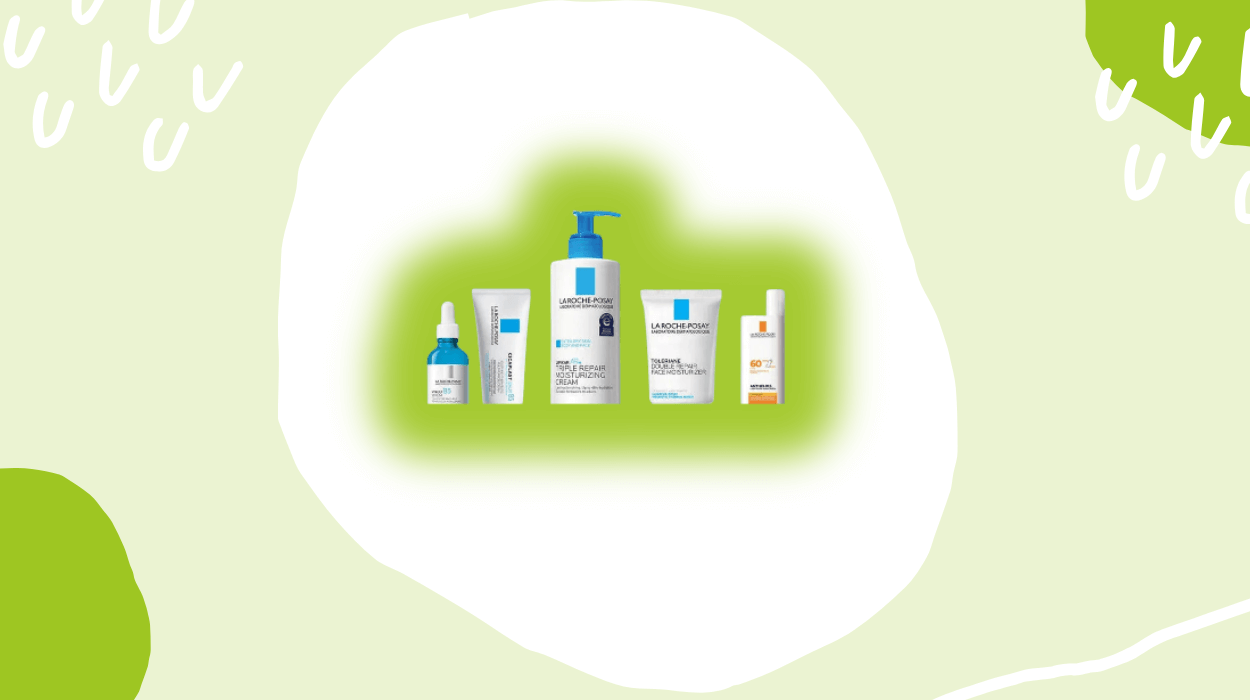

La Roche-Posay claims to provide various options for cleansers, moisturizers, serums, acne products, sunscreens, and body care that may help support sensitive, reactive, or dry skin concerns.
The brand claims to formulate its products to address common dermatological issues, including acne, excess oil, irritation, dehydration, weakened skin-barrier function, hyperpigmentation, and sun sensitivity. Its formulas rely on targeted actives designed to support clarity, barrier stability, and effective photoprotection across a wide range of skin types.
In this review, we will examine La Roche-Posay’s major product categories, the scientific frameworks and dermatology principles that guide its formulation choices, and the broader approach the brand takes toward skin health. We will also assess the strengths and limitations of the portfolio and include real user feedback to illustrate how the brand’s products perform in everyday use across different skin concerns.
La Roche-Posay is a dermatologist-recommended skincare company rooted in the town of La Roche-Posay, France, where its selenium-rich thermal spring water has been used since the 14th century. The brand combines the properties of this thermal water, evidence-based referencing from more than 750 clinical studies and long-term research programs, and ongoing collaboration with dermatologists to develop formulations designed for sensitive and problem-prone skin.
The brand’s featured products include acne care, anti-aging, sun protection, hydration, and barrier repair. Some key offerings include Hyalu B5 Pure Hyaluronic Acid Serum, Mela B3 Dark Spot Serum with Melasyl™ + Niacinamide, and Toleriane Double Repair Face Moisturizer.
It also provides Lipikar AP+M Triple Repair Body Moisturizer, Cicaplast Balm B5+, Anthelios AOX Antioxidant Serum SPF 50, and Mineral Tinted Face Sunscreens.
Additional serums such as Vitamin C12 and Retinol B3 extend the range, while the wider variety includes cleansers, hydrating serums, exfoliants, eye products, masks, and body and kids’ products.
The brand highlights allergy testing, dermatologist development, attention to the skin microbiome, and the connection between thermal-spring therapy and at-home dermatological routines.
The brand notes initiatives such as refillable offerings, packaging footprint improvements, responsible raw-material sourcing, and recyclability guidance. It also offers multiple tools to support product selection, including an AI-based Analyze Your Skin photo tool, Replenish & Save auto-replenishment options, Afterpay for payment flexibility, and locator tools.
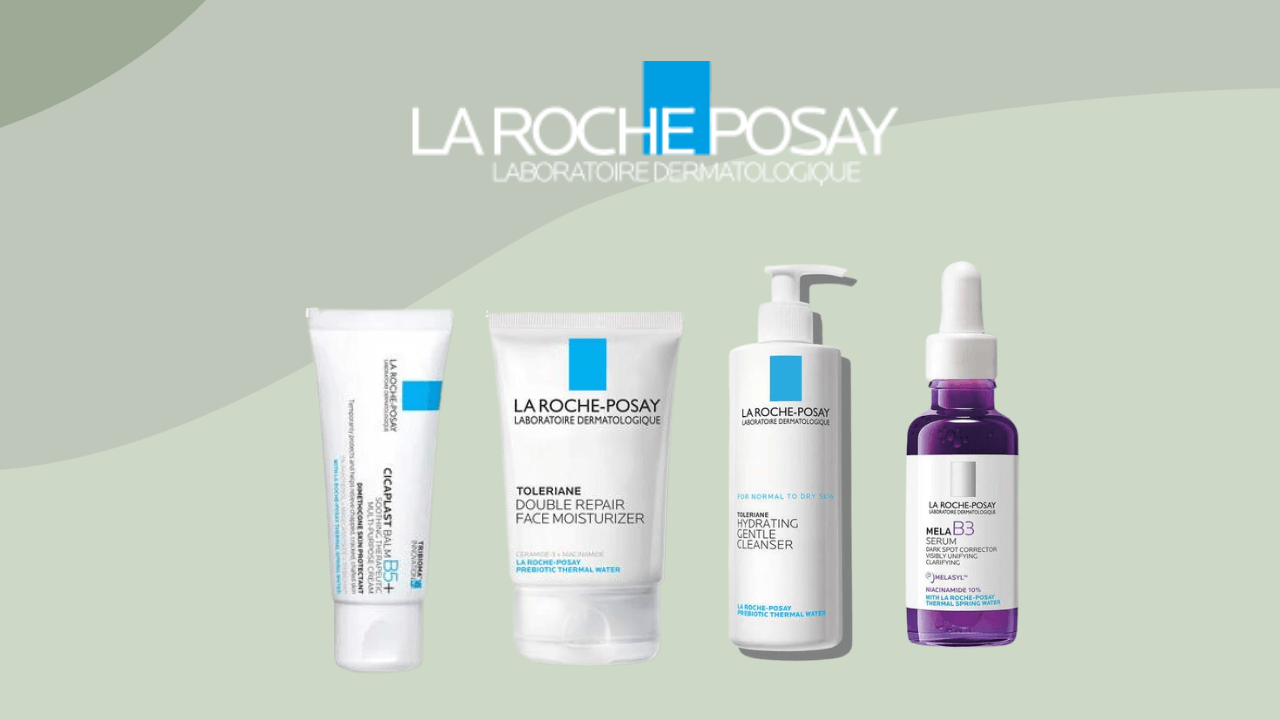
The Vitamin C12 Serum contains 12% pure L-ascorbic acid, salicylic acid, neurosensine, hyaluronic acid, and La Roche-Posay Thermal Spring Water. The serum is marketed as allergy-tested, oil-free, non-comedogenic, paraben-free, and suitable for sensitive skin. It may help in potentially managing dullness, uneven texture, fine lines, wrinkles, and loss of radiance.
L-ascorbic acid at 12% functions as a primary antioxidant that may neutralize free radicals from UV exposure and pollution. Vitamin C may aid in collagen synthesis by acting as a cofactor in pro-collagen formation, helping improve firmness and brightness.
The serum also contains salicylic acid that may help with surface exfoliation, loosening buildup in pores, and supporting consistent epidermal turnover, which improves smoothness and clarity.
Hyaluronic acid is present in this serum in the form of sodium hyaluronate and hydrolyzed forms. It may work as a humectant, attracting water into the stratum corneum to help plump your skin and improve skin hydration. Neurosensine is included as a soothing peptide, which might help reduce neurogenic inflammation.
The brand’s Thermal Spring Water, naturally rich in selenium, functions as a mineral medium that supports skin tolerance by providing antioxidant support and reducing the likelihood of irritation.
According to the brand, the formula targets early signs of aging by combining antioxidant defense, mild exfoliation, hydration, and soothing agents. It is meant for daily use on all skin types, including sensitive skin, to improve tone, texture, and radiance while supporting skin comfort.
Toleriane Hydrating Gentle Cleanser is said to be made for normal to dry, sensitive skin. It might remove makeup, dirt, and impurities while helping maintain the skin’s natural moisture barrier and pH balance.
The formula includes La Roche-Posay Prebiotic Thermal Spring Water, niacinamide, and ceramide-3 in a gentle, non-foaming texture. The brand states that the cleanser is free of fragrance, parabens, oil, sulfates, soaps, and drying surfactants.
Glycerin may work as a humectant, drawing moisture from the environment and deeper skin layers to the surface, helping maintain hydration during cleansing. Ceramide NP (ceramide-3) is a lipid that mimics the ceramides naturally found in human skin, reinforcing barrier integrity and reducing transepidermal water loss.
Niacinamide supports barrier repair by participating in cellular lipid synthesis and offers soothing effects that might help reduce sensitivity. Mild surfactants such as coco-betaine allow the cleanser to emulsify oils and remove debris without damaging the stratum corneum. Supporting ingredients like panthenol, tocopherol, and caprylyl glycol contribute additional hydration, antioxidant defense, and preservation of formula stability.
The Toleriane Hydrating Gentle Cleanser formulation is designed to stay close to the skin’s natural acidity to support enzymatic processes involved in barrier renewal. The brand instructs you to apply it morning and evening using circular motions and to rinse with lukewarm water.
Mela B3 Dark Spot Serum may help target sunspots, age spots, uneven tone, post-acne marks, and persistent discoloration. The brand highlights Melasyl™, a proprietary ingredient, paired with 10% niacinamide. It may help in addressing discoloration while maintaining natural skin tone.
Melasyl™ is described as acting on the pigmentation pathway to reduce the appearance of various forms of dark spots. It may work by limiting melanin formation or reducing melanin transfer from melanocytes to surrounding keratinocytes. Niacinamide at 10% is well-documented for reducing pigment transfer, supporting barrier function through lipid synthesis, and improving skin tolerance.
Additional components such as glycerin and sodium hyaluronate may help retain moisture to keep the outer layers hydrated. Silicones, including dimethicone and polysilicone-11, create a smooth finish and form a breathable film that reduces moisture loss.
Carnosine and tocopherol in Toleriane Hydrating Gentle Cleanser provide antioxidant protection, helping limit oxidative stress that can trigger excess melanin formation. Capryloyl salicylic acid promotes gentle exfoliation, which might renew surface skin and support your skin tone. Retinyl palmitate is included as it might potentially support mild skin renewal.
As UV exposure increases melanin production, daily SPF is essential for visible improvement. The formula includes a blend of moisturizers, stabilizers, preservatives, and a small amount of added fragrance, despite the allergy-tested positioning.
Toleriane Double Repair Face Moisturizer may help repair the moisture barrier. It features a lightweight texture and is positioned as a barrier-supportive formula.
Ceramide-3 is a key component that mimics naturally occurring ceramides in the stratum corneum. These compounds fill the spaces between skin cells, supporting barrier structure and preventing moisture evaporation.
Niacinamide in Toleriane Double Repair influences lipid synthesis, barrier recovery, and pigment transfer, contributing to skin uniformity and resilience. Glycerin and squalane provide lightweight emollience that may help soften your skin and reduce moisture loss. Fatty acids like stearic, myristic, and palmitic acids may support the lipid matrix of your skin surface.
Anthelios Light Fluid SPF 60 contains the brand’s Cell-Ox Shield® technology, which combines broad-spectrum UVA/UVB filters with antioxidants. The sunscreen may provide everyday protection, including photo-damage concerns.
The active UV filters include avobenzone 3%, homosalate 10%, octisalate 5%, and octocrylene 7%. These chemical filters absorb UV photons to prevent them from penetrating skin cells and triggering DNA and protein damage.
Cell-Ox Shield combines these photostable filters with antioxidants such as senna alata leaf extract and tocopheryl acetate. Antioxidants in Anthelios Light Fluid Sunscreen may help neutralize reactive oxygen species created by UV exposure, complementing the sunscreen filters.
The makers instruct applying the sunscreen 15 minutes before sun exposure and reapplying after every two hours or after 80 minutes of sweating. It can be worn under makeup or as the last skincare step.
Hyalu B5 Serum might help visibly plump the skin and support barrier repair. It may help in targeting fine lines, loss of volume, dehydration, and sensitivity.
Hyaluronic acid may help increase skin volume and reduce the look of fine lines. Madecassoside, derived from Centella asiatica, is included for its soothing and reparative properties, helping support skin recovery and reduce irritation.
Panthenol (vitamin B5) and glycerin present in the Hyalu B5 Serum formulation may support hydration and softness. Supporting ingredients such as dimethicone provide a breathable barrier that limits water loss. La Roche-Posay Prebiotic Thermal Water, rich in selenium and minerals, contributes additional soothing and antioxidant benefits.
As per the makers, Redermic R Retinol Eye Cream reduces the look of crow’s feet and dark circles while offering an instant lifting effect. It could be suitable for sensitive eyes and all skin types.
Pure retinol is the primary active ingredient in Redermic R Retinol Eye Cream, which works by converting into retinoic acid–type metabolites that bind to cellular receptors. This may help increase epidermal cell turnover, which smooths uneven outer layers and reduces the appearance of fine lines.
Caffeine acts as an antioxidant and vasoconstrictor, temporarily reducing puffiness and diminishing the dark circle appearance. Glycerin in Redermic R Retinol Eye Cream provides humectant hydration. These components work together to combine exfoliative smoothing, hydration, and temporary de-puffing effects. It is, however, essential to note that the brand cautions against using retinol during pregnancy or breastfeeding.
The brand creates products that address specific skin needs, such as hydration, sun protection, discoloration, and sensitivity, without offering excessive variations. This helps simplify routine building and supports a clear and structured skincare approach.
This minimalist design appears across products such as Vitamin C12 Serum, Hyalu B5 Serum, Mela B3 Serum, Toleriane Double Repair Face Moisturizer, Anthelios Light Fluid Sunscreen, Redermic R Retinol Eye Cream, and Toleriane Hydrating Gentle Cleanser.
For example, Hyalu B5 focuses on hydration and skin plumping, Anthelios Light Fluid Sunscreen focuses on UV protection, and Toleriane formulas target sensitive skin support. The products are organized into simple product families, which makes selection easier for different skin needs.
The minimalist product line also aligns with the brand’s sensitive skin philosophy. La Roche Posay develops formulas with simplified ingredient lists and avoids unnecessary complexity. This might help reduce the risk of irritation and support predictable performance for daily use.
La Roche Posay claims to have a wide global presence and reports that its products are sold in more than 60 countries. The brand is available in major regions including North America, Europe, Asia, and Africa. This international availability helps position the company as a globally recognized skincare brand rather than a regional or niche label.
This broad presence includes well-known products such as Vitamin C12 Serum, Hyalu B5 Serum, Anthelios Light Fluid Sunscreen, Toleriane Double Repair Face Moisturizer, and Toleriane Hydrating Gentle Cleanser. The brand claims that these products are distributed through pharmacies, dermatology clinics, and retail channels in many markets. This allows customers in different countries to access the same core product lines and skincare routines.
The wide presence also reflects the brand’s distribution strategy. La Roche Posay is sold through dermatology clinics, pharmacies, and retail channels in multiple countries. The company presents this distribution network as a sign that its products are widely trusted by health care professionals and accessible to a broad customer base.
The company claims that this testing is focused on evaluating tolerance, skin barrier support, and overall comfort. La Roche Posay presents this process as a core part of its product development rather than an optional step.
The brand also claims to support its knowledge through clinical experience. La Roche Posay reports that its Thermal Center in France treats more than 8,000 patients each year for skin concerns such as eczema, dermatitis, and severe dryness. The company claims that the insights and options used at the center inform its product development and clinical protocols. This clinical environment is presented as a factor that strengthens the brand’s focus on sensitive skin.
La Roche Posay claims to apply this expertise across products that are designed to be gentle and barrier-supporting. The brand states that its formulations avoid common irritants and are suitable for people with reactive skin. This clinical background guides decisions around ingredient selection, texture, and active levels so products may be appropriate for sensitive skin types.
La Roche-Posay prominently highlights dermatologist-recommended messaging (e.g., #1 by 90,000+ dermatologists worldwide) and dermatologist-tested claims more frequently than detailed clinical study summaries on every product page.
While this builds trust through external validation, it creates a limitation where perceived value depends partly on endorsements rather than on immediate access to comprehensive scientific data for all claims.
Endorsements like dermatologist-tested often involve limited evaluations rather than full-scale controlled trials, and dermocosmetics face lower regulatory standards than pharmaceuticals. However, the brand offers extensive evidence (700+ studies, registered trials), but not every product page links directly to specific trial data on ingredient concentrations or long-term outcomes.
SkinCeuticals positions itself as an advanced medical-aesthetic skincare brand where research, innovation, and clinical integration define product design and experience. The brand partners with more than 10,000 premium clinics and medical practitioners, and structures its commercial narrative around high-potency corrective serums and procedure-adjacent regimens that bridge in-office products with at-home care.
Its products, such as C E Ferulic® with 15% L-Ascorbic Acid, Triple Lipid Restore 2:4:2, P-TIOX (a peptide serum for expression lines and radiance), Hyaluronic Acid Intensifier Multi-Glycan, A.G.E. Interrupter Advanced Cream, and A.G.E. Advanced Eye, highlight a portfolio centered on antioxidant correction, lipid replenishment, peptide-driven radiance, hyaluronic augmentation, and advanced anti-aging repair.
SkinCeuticals operationalizes clinical integration through its Integrated SkinConcierge and diagnostic tools, including the Routine Builder and Advanced Regimen Finder, virtual 1:1 consultations, in-office pairing recommendations (non-ablative lasers, injectables, chemical peels), and a physician/clinic finder.
The brand’s best sellers, such as C E Ferulic®, Triple Lipid Restore 2:4:2, P-TIOX, Hyaluronic Acid Intensifier, and A.G.E. Interrupter, are said to provide support for prevention, protection, and correction across oxidative stress, aging, discoloration, and lipid loss.
SkinCeuticals focuses on an aesthetic ecosystem built on high-potency serums, procedure-aware routine sequencing, and clinician consultation.
La Roche-Posay, by contrast, delivers a broader, dermatologist-centered platform built on therapeutic heritage, public health accessibility, and diagnostic support. The brand foregrounds the life-changing role of La Roche-Posay Thermal Spring Water, lays claim to a formulation charter exceeding global regulatory requirements, cites more than 750+ clinical studies and decades of dermatological and microbiome research, and translates this evidence base into a portfolio addressing medically defined concerns such as eczema, acne, pigmentation, dryness, sensitivity, sun safety, and pediatric skin needs.
La Roche-Posay’s product approach highlights a focus on skin health. Anti-aging and pigmentation support appear in Hyalu B5 Pure Hyaluronic Acid Serum and Mela B3 Dark Spot Serum with Melasyl™ + Niacinamide, whereas retinoid and antioxidant options include Retinol B3 Serum and Vitamin C10 and Vitamin C12 Serums.
The brand’s barrier-repair essentials include Toleriane Double Repair Face Moisturizer (with and without SPF) and Toleriane Hydrating Gentle Cleanser. It also provides skin repair products such as Cicaplast Balm B5+ along with Lipikar AP+M Triple Repair Body Moisturizer.
Sun protection is its major offering, which includes Anthelios AOX Antioxidant Serum SPF 50, Anthelios Mineral Tinted Sunscreens (Tinted, Medium, Medium Deep, Deep), and Anthelios UV Tone SPF 50. Accessibility and diagnostics also differentiate La Roche-Posay. Tools include MyRoutine AI, an AI-powered skin-analysis engine built on a 50,000-photo dermatologist-graded dataset.
SkinCeuticals is optimized for high-potency, procedure-synergistic routines and consultation, and La Roche-Posay is optimized for broad dermatological access, diagnostic support, and therapeutic care that includes face, body, sun, kids, and other skin concerns. Both brands claim to provide comprehensive support for skincare, but SkinCeuticals focuses more on aesthetics, while La Roche-Posay functions as an accessible dermatological option.
Drunk Elephant and La Roche-Posay both claim to advance skin health, yet they originate from fundamentally different scientific philosophies, product architectures, and diagnostic approaches.
The brand Drunk Elephant states skin dysfunction primarily as the result of chronic irritation, positioning its entire line around an ingredient-elimination philosophy. It's Suspicious 6, which includes essential oils, drying alcohols, silicones, chemical sunscreens, fragrances/dyes, and SLS, which are treated as the root cause of many issues that are often considered as sensitive skin.
The brand claims to focus on removing common irritants, recalibrating the barrier, and delivering biocompatible actives at skin-friendly pH levels so your skin can return to its natural equilibrium.
The narrative is personal and founder-driven, grounded in Tiffany Masterson’s experience with sensitized, reactive skin and her discovery that removing irritants resolved chronic imbalance.
La Roche-Posay adopts a clinical dermatology framework, over 750 studies and 25+ years of microbiome research, and centuries of therapeutic use of La Roche-Posay Thermal Spring Water at the brand’s Thermal Center in France. It positions skin issues not as irritant-driven but as defined concerns, such as eczema, acne, rosacea tendencies, hyperpigmentation, and barrier impairment. Its products are said to be developed with dermatologists to ensure safety, tolerability, and efficacy for sensitive, compromised, or medically fragile skin. Rather than eliminating broad ingredient categories, La Roche-Posay focuses on clinical validation, microbiome support, and therapeutic soothing benefits from its mineral-rich thermal water.
Their product ecosystems reveal these divergent philosophies. Drunk Elephant’s line is structured as a clean-beauty lifestyle system extending across skincare, haircare, bodycare, and sun, unified by its marula-oil foundation and biocompatibility ethos. Its moisturizers range from the Protini Polypeptide Firming Refillable Moisturizer to the Lala Retro Whipped Moisturizer, the Bora Barrier Rich Repair Cream, and the brand-signature Virgin Marula Luxury Face Oil.
Serums include C-Firma Fresh, C-Luma Hydrabright, B-Hydra Intensive Hydration, Amino Rain Glasswater Serum, T.L.C. Framboos Glycolic Night Serum, Protini Powerpeptide, O-Bloos Rosi Glow Drops, B-Goldi Bright Illuminating Drops, and D-Bronzi Bronzing Drops with Peptides.
Masks and products include T.L.C. Sukari Babyfacial, F-Balm Electrolyte Waterfacial, Bouncy Brightfacial, A-Passioni Retinol Cream, Plump-C Tripeptide Lippe Mask, A-Gloei Marula + Retinol Oil, and Wonderwild Miracle Butter.
Cleansers include Beste No. 9 Jelly Cleanser, Slaai Makeup-Melting Butter Cleanser, Mello Marula Cream Cleanser with 1% Colloidal Oatmeal, E-Rase Milki Micellar Water, and the Pekee and JuJu bar cleansers.
Sun care is built around Umbra Sheer SPF 30, Umbra Tinte SPF 30, and Umbra Cocoa SPF 30. Beyond skincare, Drunk Elephant extends the same Suspicious 6–free approach into hair products and full-body routines, and punctuates its identity with vibrant aesthetics.
La Roche-Posay’s product range is broader, yet far more clinically segmented. Its facial portfolio includes Hyalu B5 Pure Hyaluronic Acid Serum, Mela B3 Dark Spot Serum with Melasyl + Niacinamide, Retinol B3 Pure Retinol Serum, Vitamin C10 Serum, and the Toleriane Double Repair Face Moisturizer in both standard and SPF versions.
Barrier repair centers on Cicaplast Balm B5+, a multi-purpose therapeutic cream widely recommended by dermatologists. Cleansing is anchored by the Toleriane Hydrating Gentle Facial Cleanser, while body care is led by the eczema-focused Lipikar AP+M Triple Repair Body Moisturizer.
The brand’s Anthelios range includes Anthelios AOX Antioxidant Serum SPF 50, the Anthelios Mineral Tinted Sunscreen, and Anthelios UV Tone SPF 50. These are supported by tools and programs such as the MyRoutine AI skin analysis, Replenish & Save, Afterpay, and a comprehensive educational center offering advice on acne, eczema, sun protection, and sensitive skin.
These product ecosystems reflect contrasting problem-solving logics. Drunk Elephant’s model assumes the skin is capable of high performance once irritants are eliminated and balanced, and therefore focuses on resetting and rebuilding with biocompatible formulations. La Roche-Posay assumes the skin requires dermatological intervention, where concerns are rooted in microbiome disruption, inflammation, or pathological dryness.
Both brands extend beyond the face, though again with different intentions. Drunk Elephant broadens into haircare and bodycare to offer a full Suspicious 6–free lifestyle system, with hero products such as Cocomino Shampoo and Conditioner, Silkamino Mega-Moisturizing treatments, T.L.C. Happi Scalp Scrub, Kamili Cream Body Cleanser, Sili Body Lotion, Sweet Pitti Deodorant, and T.L.C. Glycolic Body Serum.
La Roche-Posay extends into bodycare and pediatric categories, with targeted options like Effaclar Duo for acne, Lipikar Eczema Relief formulations, mineral and chemical sunscreens within Anthelios, and dedicated ranges for babies and highly sensitive skin.
Both brands promise healthier, stronger, more resilient skin, but the paths they take are different. Drunk Elephant is more focused on removing irritants and rebuilding the barrier through biocompatible formulation purity. La Roche-Posay is focused more on clinical intervention, deploying dermatologist-developed formulas, microbiome research, strict safety charters, and therapeutic thermal water.
While looking for user experiences, we looked for what users shared on Amazon. Customer feedback across La Roche-Posay’s products reflects consistently strong satisfaction, particularly among users with sensitive, combination, or acne-prone skin.
The Toleriane Double Repair Moisturizer, which holds a 4.6 out of 5 average rating from nearly 47,000 global reviews, is frequently described as lightweight, fast-absorbing, and non-greasy.
Many reviewers emphasize its long-lasting hydration, lack of irritation, and compatibility with makeup or sunscreen. Users with very dry patches occasionally note that the formula is not rich enough on its own and may require layering with a heavier cream.
The Mela B3 anti-discoloration serum maintains a 4.3 out of 5 rating from more than 9,600 reviews. A large number of users report improvements in uneven tone, smoother texture, and a brighter overall appearance when used consistently.
Those with sensitive skin often highlight that it absorbs cleanly without causing redness or stinging. At the same time, outcomes for deeper discoloration are mixed as some customers feel the serum’s strength is insufficient for stubborn pigmentation.
The Anthelios tinted mineral SPF 50 has around 4.5 out of 5 across roughly 30,000 ratings, and receives steady praise for its lightweight feel, non-greasy finish, and reliable broad-spectrum sun protection. Many reviewers appreciate the tint for offering a natural, even look without makeup.
However, shade match remains a recurring point of divided feedback. Some users find it blends seamlessly, while others report the tint reads too dark or mismatched for their skin tone. Some mentioned mild oiliness or a white cast depending on the formulation used, but overall, they shared experiencing comfort and protective performance.
The Toleriane Purifying Foaming Cleanser, with a 4.7 out of 5 rating from more than 45,000 reviews, receives broad approval for pairing effective cleansing with a gentle feel. Many note that it removes excess oil, sunscreen, and makeup without leaving behind tightness. Reviewers consistently mention its soft foam, mild scent, and strong value for the price, given the large bottle size. A few do point out that waterproof makeup may require a second cleanse and that very dry winter skin can need added moisture afterward, but overall, it is regarded as a dependable daily cleanser.
The user feedback for the brand’s key offerings on Amazon highlights its core strengths, which include gentle formulas, strong tolerability across sensitive-skin categories, and reliable everyday performance. However, some criticism includes shade mismatch in tinted sunscreen, insufficient richness for severely dry skin, or limited impact on deep pigmentation.
While evaluating brand reputation, we looked for various platforms such as BBB, Trustpilot, ConsumerAffairs, and TenereTeam. La Roche-Posay currently does not have an active BBB profile and is not currently available on ConsumerAffairs, which limits visibility into complaint history and formal accreditation status.
On Trustpilot, the brand holds a 3.0/5 TrustScore from a small number of 19+ reviews. Many consistently praise the effectiveness of its moisturizers, sunscreens, and dermatologist-recommended formulas. However, there were some who shared that there is poor customer service, rigid cancellation policies, checkout errors, slow or disputed refunds, and inconsistent product availability.
TenereTeam shows a stronger reputation, with a 4.0/5 rating based on 1,300+ user ratings. Users highlight product quality, broad formulation choices, reasonable price points, and reliable shipping. Even within these higher ratings, however, users still report intermittent customer-service shortcomings.
The evaluation shows that La Roche-Posay maintains high credibility in clinically driven formulations and sensitive-skin performance, but its direct-to-consumer operations, such as its customer service, refund processing, and fulfillment consistency, remain uneven. This creates a clear gap between the brand’s strong product reputation and its weaker service execution.
La Roche-Posay offers a clinically oriented, dermatologist-aligned approach that consistently prioritizes tolerance, barrier support, and everyday skin stability.
Its thermal spring–water heritage, focused product families (hydration, sun protection, sensitivity care, and targeted serums), and broad global availability create a dependable foundation for routine skin maintenance.
The brand’s clinical positioning and long-standing product consistency tend to deliver predictable performance for sensitive and combination skin. There are, however, practical constraints to factor into decision-making.
Some efficacy claims rely more on brand-level research than transparent product-level data. Certain scented products and lighter textures may be insufficient for very dry or highly reactive skin, and tinted sunscreens may not be suitable for deeper skin tones.
Aligning the brand with your needs depends on tolerance thresholds, goals, and realistic expectations. Patch testing new actives, verifying shade compatibility for tinted SPFs, and consulting a dermatologist for procedure-adjacent care improve precision and reduce risk.

Contact us at [email protected] or follow @leafsnap on Twitter! View our Privacy Policy.