
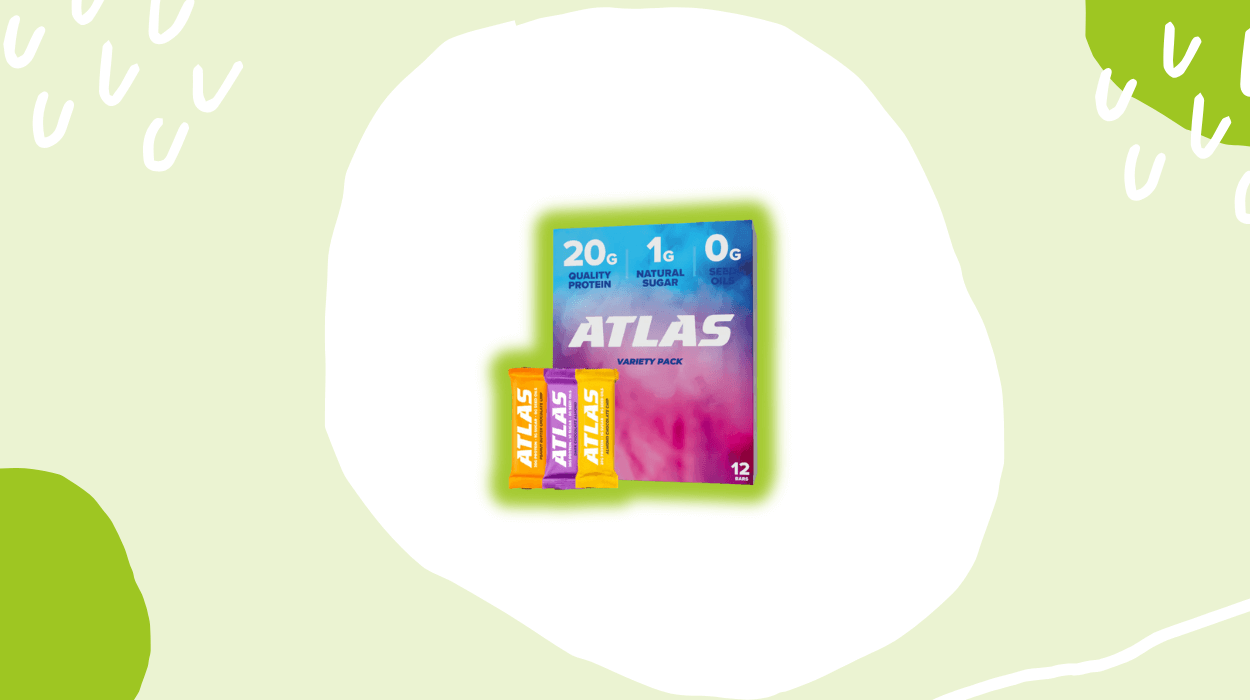

Atlas Bar focuses on protein-rich and low-calorie snacking options, particularly in the form of protein bars. These bars feature protein sourced from both whey and plant-based sources like pea protein.
The brand highlights that its protein bars support muscle synthesis and repair, suppress food cravings, and provide a ready-to-consume snacking option. Atlas Bar aims to provide a substitute for standard protein bars that typically contain excess sugar, fillers, or harmful preservatives.
In this review, we cover the brand’s background, range of offerings, nutritional composition, and flavor profile of its protein bars, and real consumer experiences with the brand’s offerings.
Founded by James Oliver, Atlas Bar maintains a focused lineup of protein bars, which emphasize the use of whole-food ingredients, 20g of protein, and 0–1g of total sugars per bar. The brand highlights that these protein bars contain whey and milk-based protein, tapioca fiber, coconut oil, and dark chocolate chips.
According to its official website, the brand’s lineup features flavor options such as Almond Chocolate Chip, Peanut Butter Chocolate Chip, Salted Peanut Butter, and Dark Chocolate Almond, alongside a Variety Pack.
The manufacturer highlights that all offerings from the brand are produced in an SQF-certified and FDA-compliant facility in the United States. It also mentions that the ingredients are sourced globally based on nutritional value and taste before being assembled under strict quality control standards.
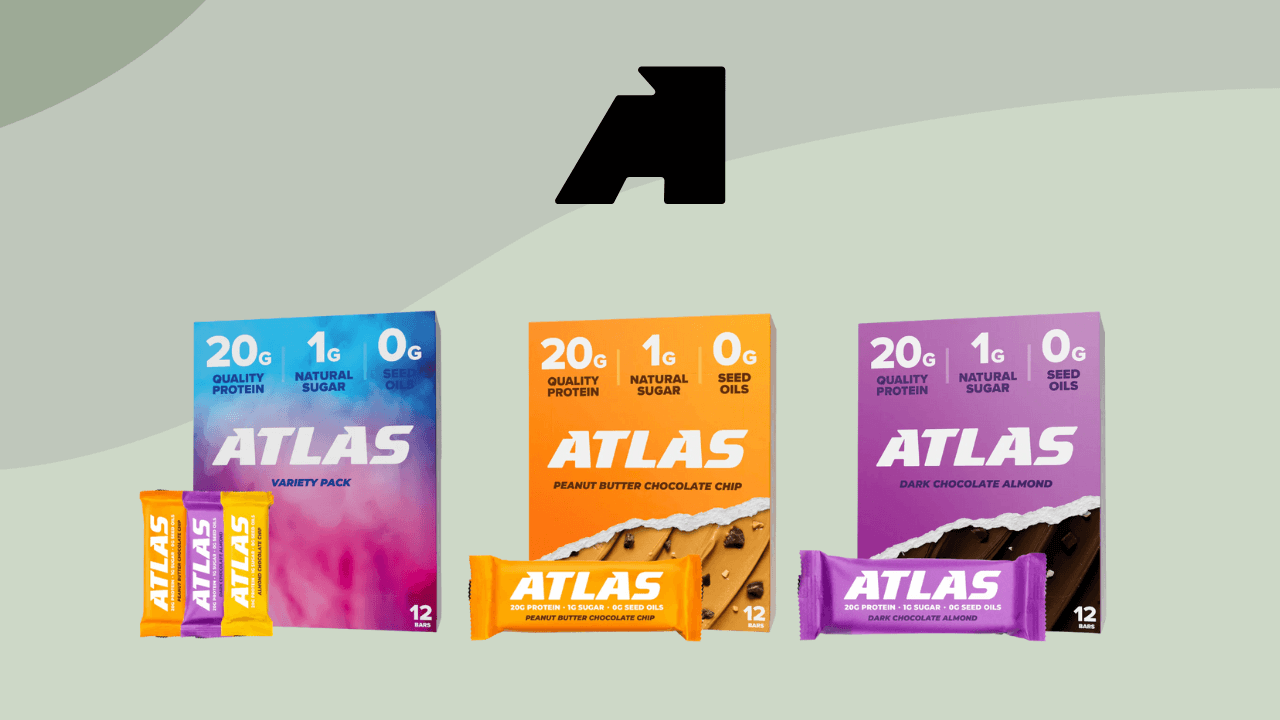
According to its official website, the brand’s Protein Bars range features a high-protein profile built around 20 grams of dairy-derived protein, minimal sugar content (0–1 gram), and the absence of seed oils or artificial sweeteners. The lineup includes Almond Chocolate Chip, Salted Peanut Butter, Dark Chocolate Almond, and Peanut Butter Chocolate Chip flavors. These offerings are intended to support satiety and steady energy release.
The brand’s protein bars use a mix of whey protein isolate and milk protein isolate, providing all essential amino acids commonly associated with muscle repair and post-exercise recovery. Protein bars also include peanuts that could supply added fats and proteins that may contribute to fullness and sustained calorie release.
Cassava-root–derived tapioca fiber is also included in the protein bars, which functions as a fermentable ingredient that may support digestive regularity and short-chain fatty acid production in the gut. Atlas Bar formulates its bars with elements like sunflower lecithin and vegetable glycerin, which may help maintain consistency and moisture without relying on artificial stabilizers.
The protein bars from the brand also integrate dark-chocolate components, including unsweetened chocolate, cocoa butter, and allulose. Cocoa solids feature polyphenols with antioxidant capacity, while cocoa butter supplies natural lipids that may help provide a smooth bar texture. Allulose serves as a low-calorie sweetener that is absorbed but largely not metabolized for energy, resulting in minimal impact on blood glucose levels.
Atlas Bar highlights an athlete-founded brand identity. The company was founded in 2017 by James Oliver, a certified sports nutritionist with experience in endurance activities such as triathlons and ultra-distance events.
The brand presents its background as the basis for its philosophy that protein intake should be adequate, sugar should remain low, and real food ingredients are preferable to heavily processed formulations.
This founder's perspective influences how the company describes the design of its Protein Bars, which typically contain 20g of protein from whey and milk proteins, and a short list of natural ingredients such as nuts.
Atlas Bar claims to avoid the sugar and artificial sweetener approach by formulating its Protein Bars without refined sugar, synthetic sweeteners, or sugar alcohols. The brand instead uses monk fruit as its primary sweetener, which it presents as a naturally derived alternative that does not contribute added sugar. This approach supports the company’s emphasis on low sugar nutrition, especially if you want stable energy or prefer to limit high glycemic ingredients.
The brand highlights that its bars are formulated with one gram or less of sugar and do not include ingredients such as sucralose, erythritol, or high fructose syrup. It also highlights this structure across flavors within its Protein Bar line, positioning the bars as suitable if you want high protein intake without the sugar content found in many conventional snack bars.
Atlas Bar frames this ingredient philosophy as part of its broader effort to avoid unnecessary additives and maintain a simplified nutrient profile. The focus on natural flavors, nut-based ingredients, and minimal sweetening supports the brand’s identity as a clean-label option in the protein bar category.
Atlas Bar positions its Protein Bar line as simple, real-food–based snacks, but the ingredient lists show a level of complexity that limits how strongly the brand fits into the minimalist bar category.
The brand highlights that its bars typically contain around ten to fifteen ingredients, including whey or plant protein, nut butters, and fiber sources like tapioca. Alongside these whole-food components, the bars also use ingredients such as glycerin, lecithin, and natural flavors, which move the product away from the ultra-minimalist standards followed by brands that use only five to seven ingredients.
This makes the bars less aligned if you specifically seek very short ingredient labels or strictly whole-food formulations. While Atlas Bar promotes clean and simple recipes, the actual ingredient structure appears to be complex.
The Protein bars from the brand come in flavors such as dark chocolate almond, peanut butter chocolate chip, almond chocolate chip, and salted peanut butter. Beyond these variations, the brand does not expand into related nutrition categories like protein powders, ready-to-drink shakes, or functional snacks.
This limited range restricts Atlas Bar’s ability to meet diverse nutritional needs or provide products suited for different use occasions, such as pre-workout energy, post-workout recovery, or meal replacement. This means the brand cannot provide the versatility or targeted nutrient delivery that broader portfolios can achieve, which makes it less competitive if you are seeking a more complete or customizable nutrition system.
Both RX Bar and Atlas Bar focus on protein-rich snacking options to support satiety, muscle growth, and endurance. However, the brands have some differences in terms of their core positioning, ingredient philosophy, safety/quality standards, and accessibility.
RX Bar builds its identity on minimalism and transparent front-of-pack ingredient lists, whereas Atlas Bar markets its offerings for their high protein content, low-sugar profile, and globally sourced whole-food ingredients.
In terms of product range, RX Bar’s lineup features classic protein bars, minis, AM protein bars, nut butter–oat bars, and variety packs. Some featured classic protein bar options from the brand come in flavours like strawberry, coconut chocolate, vanilla almond, chocolate sea salt, peanut butter, and peanut butter chocolate. The brand also offers flavours like Honey Cinnamon Peanut Butter, Dark Chocolate Peanut Butter, and Blueberry Cashew Butter in its nut butter & oat bars range. Beyond singular options, the brand also provides curated bundle offerings such as the Sampler Variety Pack and Chocolate Lovers Variety Pack.
Meanwhile, Atlas Bar maintains a more focused lineup centered on its 20-gram protein bars, available in Peanut Butter Chocolate Chip, Salted Peanut Butter, Dark Chocolate Almond, and Almond Chocolate Chip flavors. In terms of bundle offerings, the brand only provides a single option called the Variety Pack.
RX Bar maintains a focus on recognizable ingredients, gluten-free formulations, and naturally flavored bars built from egg whites, dates, nuts, and botanical or spice-derived flavors. Meanwhile, Atlas Bar targets people seeking high-protein, low-sugar snack options. As per its official website, all offerings from Atlas Bar are made in FDA-registered and SQF-certified U.S. facilities. Its products are also third-party lab tested for contaminants and heavy metals.
Aloha operates within the clean-label snacking formulation space, providing protein-infused offerings in bars, drinks, powders, and minis format. The brand’s protein bars lineup features offerings such as Chocolate Chip Cookie Dough, Peanut Butter Cup, Chocolate Caramel Pecan, Almond Butter Cup, and seasonal releases like Pumpkin Spice, Blueberry, and Chocolate Cherry.
Its Protein Drinks lineup features 18g of plant-based protein per 330ml pack, available in Coconut, Vanilla, and Chocolate Sea Salt flavors. The brand also offers protein powders in Vanilla and Chocolate flavors, both of which provide 18g of protein per serving and 15 servings per container. Beyond single options, the brand also provides bundle offerings such as the Protein Bar Sampler, Peanut Butter & Cookie Dough Variety Pack, and Protein Bar Sampler2.
As per its official website, Aloha places formal standards at the core of its positioning, including USDA Organic and Non-GMO Project Verified certifications. This certification-driven model is strengthened through the brand’s B Corp status, sustainability messaging, and a retail presence that extends across 20,000+ stores.
Meanwhile, Atlas Bar shapes its identity around the concept of providing higher protein content, consistently featuring 20g clean protein, 1g natural sugar, 0g seed oils, and no sugar alcohols in its offerings. It provides a focused portfolio made up solely of 12-bar boxes, which are available in dark chocolate almond, peanut butter chocolate chip, almond chocolate chip, and salted peanut butter flavors.
In evaluating Atlas Bar, we analyzed the verified user reviews of the brand’s core protein bars on Amazon to gain a perspective into how actual users perceive the taste, benefits, and value of the offerings.
On Amazon, the brand’s Peanut Butter Chocolate Chip formulation holds a 4.3 out of 5 rating from more than 1,000 global reviews. Many users praised the taste, clean ingredient profile, and consistent 20 grams of protein with just 1 gram of sugar. Some consumers described the bars as enjoyable without the artificial sweeteners, seed oils, or sugar alcohols commonly found in competing products. However, a few users described the texture of the bars as dense, hard, or prone to oil separation, particularly when exposed to heat.
The Variety Pack is rated 3.6 out of 5 across more than 1,540 reviews, which indicates variability in taste and overall satisfaction. Many customers found the bars in the pack appealing and compatible to include in strict diets, including keto and diabetic-friendly diets. However, a few users shared that the protein bars were crumbly and difficult to swallow without water.
Such patterns in the shared reviews indicate that many consumers appreciate the brand’s use of clean ingredients, low sugar, and high-protein bars. However, recurring criticisms around oiliness, texture variability, and polarizing flavor profiles indicate areas of improvement for the brand.
To evaluate Atlas Bar’s brand reputation, we analyzed its background and presence/ratings across independent review platforms.
On TenereTeam, the brand maintains a 4.4 out of 5 rating based on more than 1,800 reviews, indicating a generally positive response among users.
Many users highlighted the bars’ high protein content, absence of artificial additives, and use of clean ingredients. The variety of flavors and the availability of subscription options further contribute to Atlas Bar’s favorable reception.
However, a few users described a noticeable sour aftertaste in some flavors, while others noted that the availability of products was inconsistent.
Outside of TenereTeam, the brand has limited visibility on other review platforms, such as Trustpilot and the Better Business Bureau. The lack of broader third-party feedback restricts the ability to assess long-term customer service reliability, dispute resolution, and perceptions across diverse consumer groups.
As a result, most available insights come from the TenereTeam platform, which may not fully represent the brand’s overall performance across different retail environments and customer segments.
Atlas Bar presents a clear athlete-founded identity built around James Oliver’s sports-nutrition background. The brand ties this philosophy to endurance-driven priorities such as high protein intake, controlled sugar, and real-food ingredient choices.
The brand supports this identity through its no-refined-sugar approach, as it avoids artificial sweeteners, sugar alcohols, or high-glycemic syrups across its range. However, despite promoting minimalism, the bars include 10-15 ingredients, such as glycerin, tapioca fiber, lecithin, and natural flavors.
Its narrow product range, centered solely on protein bars, also limits flexibility if you need varied formats such as powders, shakes, or broader functional snacks. It is essential to keep these considerations in mind when opting for the brand’s offerings.

Contact us at [email protected] or follow @leafsnap on Twitter! View our Privacy Policy.