

Neolise offers peptide protocols associated with concerns such as abdominal fat, physical recovery, skin quality, hair, collagen, and healthy aging.
The brand separates its offerings according to the specific concern each protocol addresses. Each option lists its ingredients, dosage, and intended use, making it easier to see how the protocols differ and what each one is intended to address.
This review examines its protocol range, the uses described by the brand, and potential limitations that may affect your experience.
Neolise divides its peptide offerings into four protocols: Visceral Fat, Recovery, Renewal, and Longevity. According to the official website, the Visceral Fat Protocol addresses abdominal fat, while the Renewal Protocol covers areas such as skin, hair, and collagen. The Longevity Protocol is described in terms of healthy aging, recovery, and body composition.
The protocols use different ingredients, including tesamorelin, BPC-157, TB-500, CJC-1295, ipamorelin, GHK-Cu, and KPV. To get started, you complete a confidential health intake that takes about five minutes. A licensed U.S. clinician then reviews your information and determines whether the selected protocol is appropriate. If it is prescribed, a licensed U.S. pharmacy prepares the formulation and ships it directly to you in temperature-controlled packaging.
Neolise gives access to provider-prescribed Tesamorelin for a protocol centered on visceral fat and body recomposition. Tesamorelin signals the pituitary to release growth hormone, which then supports IGF-1 production. According to the brand, this approach is intended to address deep abdominal fat surrounding the internal organs while supporting lean muscle retention.
The medication comes as pre-mixed Tesamorelin at 3 mg/mL in a 5 mL vial. The listed dosing schedule is 0.5 mL, equivalent to 1 mg, once daily for five days, followed by two days off.
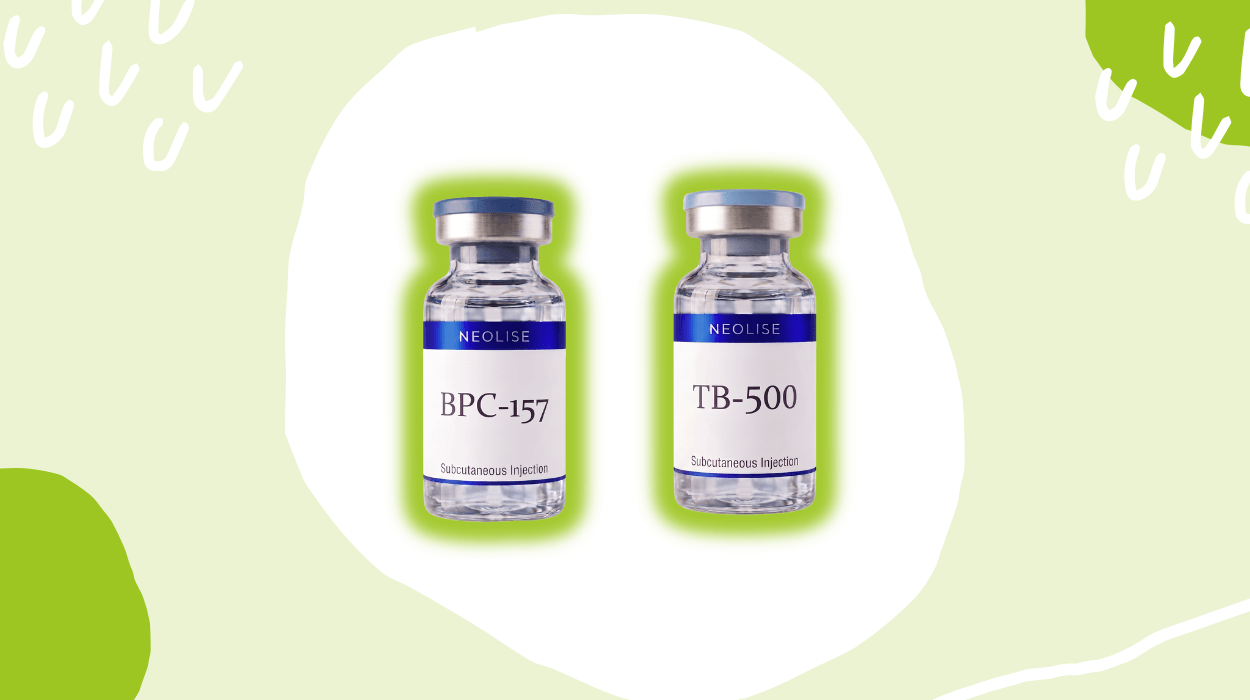
Recovery Protocol combines BPC-157 and TB-500 to support tissue recovery. BPC-157 is listed at 3 mg/mL and may support new blood vessel growth and collagen production at the injury site. TB-500 is also listed at 3 mg/mL and could support repair-cell mobilization and tissue remodeling. BPC-157 focuses on local repair around the affected area, while TB-500 is described as supporting systemic recovery. The platform connects these effects to repair pathways involving angiogenesis, collagen realignment, and cell migration.
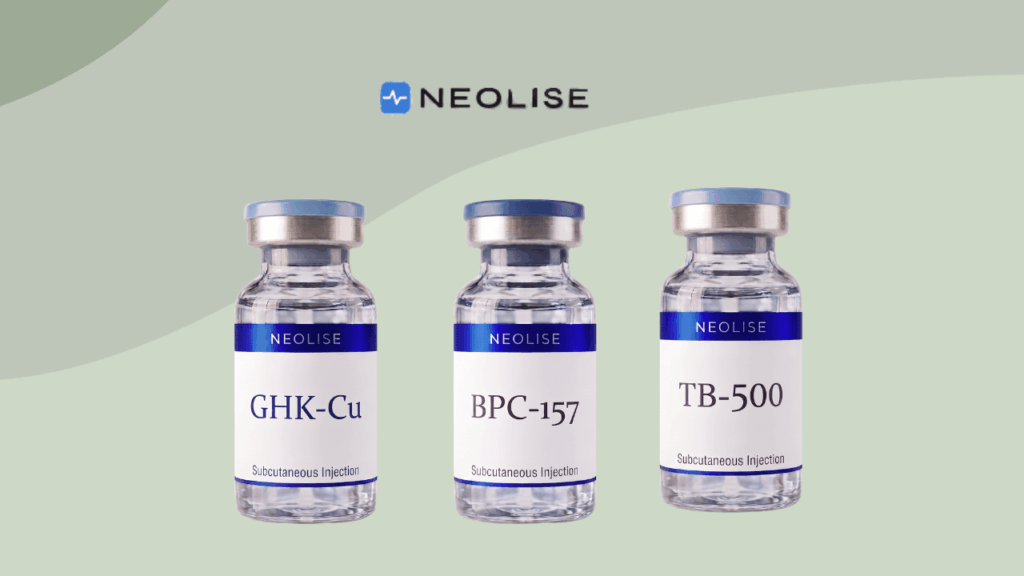
GHK-Cu supports skin renewal, collagen density, tissue repair, and follicle support. The brand states that it may support collagen and elastin formation because copper is required for enzymes involved in cross-linking these structural proteins. This may help support collagen density, skin structure, and tissue repair. The makers also connect GHK-Cu with genes involved in collagen production, inflammation, and tissue repair. As per the platform, GHK-Cu may support follicle size and activity, which could help maintain follicle function as age-related decline occurs.
Neolise features BPC-157 to support targeted tissue repair, gut healing, and recovery. This 15-amino-acid peptide may support repair signaling at areas of tissue damage, helping direct the recovery process toward the affected site.
BPC-157 could also support new blood vessel formation, which can improve blood supply to damaged tissue and provide resources needed during the repair process. It may further help regulate inflammation, allowing tissue recovery to continue without an excessive inflammatory response.
Neolise relies on compounded medications that are not FDA-approved products. The specific formulations provided through its platform have not gone through the approval process, which evaluates formulation, manufacturing, safety, effectiveness, dosage, and approved uses.
Neolise notes that Tesamorelin’s active ingredient is FDA-approved for HIV-associated lipodystrophy, but that approval applies to the ingredient and its specific approved indication, not to the compounded formulation supplied through the platform or its use for other purposes.
It works with licensed U.S. 503A compounding pharmacies and licensed providers, but the medications supplied remain compounded products. It means you have fewer established regulatory and clinical details for evaluating the safety, effectiveness, quality, and appropriate use of the specific compounded formulation you get access to through the platform.
Live Vital takes a more physician-centered approach, as it highlights that every protocol is prescribed after a medical intake with Dr. Patrick Taylor, MD. You can book a free 15-minute phone consultation where Dr. Taylor reviews your goals and recommends a physician-prescribed protocol, or you can go directly into the online screening process. Meanwhile, Neolise connects you with independent licensed U.S. providers. Its process starts with choosing a protocol, followed by a five-minute confidential health review covering health history. A licensed U.S. clinician then evaluates the profile and typically prescribes within 24 hours when appropriate. The brand also describes itself as a brand of Omni Health Ventures Inc. and connects you with independent licensed providers and licensed pharmacies.
Live Vital separates its offerings into Skin Quality and Recovery & Longevity and identifies the compounds used in each protocol. It highlights that GHK-Cu costs $99 per month and is positioned around collagen, skin texture, and elasticity. The brand also features Glow, which combines GHK-Cu, BPC-157, and TB-500 for surface renewal and tissue repair. Neolise organizes its catalog around Visceral Fat Protocol, Recovery Protocol, Longevity Protocol, Renewal Protocol, and Metabolic Protocol. It states that every protocol is provider-prescribed, while also saying every ingredient and dose is listed upfront.
There are also some differences in their processes. Live Vital gives you a choice between completing a medical screening in about 10 minutes or speaking with Dr. Taylor first. The online intake covers medical history, symptoms, and goals, and a physician reviews the submission within 24 to 48 hours. Once approved, the protocol is shipped. The platform also highlights a free 15-minute phone consultation with Dr. Taylor, with no obligation to proceed. Live Vital says the entire process from intake to starting a plan typically takes five to 10 days. Neolise keeps the initial process shorter and more self-directed. You can first select the protocol, then complete a five-minute health review, and wait for a licensed U.S. provider to evaluate the profile, typically within 24 hours. The platform specifically states that there are no waiting rooms, appointments, or highlighted $0 consultation fees.
The ongoing-care models show another distinction. Live Vital describes direct messaging with Dr. Taylor and the care team through a secure portal, with replies within 24 hours and often the same day. You can request adjustments, refills, or support through that portal, and the platform says regular check-ins are used to monitor biomarkers throughout the year. Meanwhile, Neolise states that you have 24/7 access to their clinical team, but does not outline the same specific process for biomarker monitoring, refills, or protocol adjustments. Its messaging instead focuses on continuous access and a simple online experience. Live Vital gives more prominence to the physician and single-plan formulations. Neolise gives more prominence to the protocol categories, pharmacy structure, and regulatory disclosures.
AIRA puts physician-guided peptide therapy at the center of its experience. Its plan areas cover Anti-Aging & Beauty, Accelerated Healing, Weight Management, Longevity, Muscle Growth, and Sex Drive. The brand also emphasizes discreet and private service with free delivery and 24/7 medical support. Meanwhile, Neolise focuses on the Visceral Fat Protocol, Recovery Protocol, Longevity Protocol, Renewal Protocol, and Metabolic Protocol.
As per their official website, AIRA gives you a much closer look at single peptide options. BPC-157 appears alongside DSIP, Epithalon, NAD+, PT-141, SS-31, and Tesamorelin. The brand also offers combinations that combine BPC-157 and TB-500 together or combine BPC-157, TB-500, and KPV. CJC-1295 + Ipamorelin is another option. Neolise puts less emphasis on single peptide names and instead features broader programs built around recovery, longevity, renewal, metabolic health, and visceral fat.
Both brands also follow a different approach when it comes to first assessment. AIRA asks you to complete a medical questionnaire that covers health history, current medications, allergies, and past procedures. A licensed provider then reviews the information and decides whether the selected plan is appropriate. The consultation is described as free. However, Neolise uses a five-minute confidential health review. A licensed U.S. clinician then evaluates the information, and the company says this review typically happens within 24 hours.
AIRA puts strong emphasis on access to providers after that initial review. The brand says you can connect with a provider at any time without appointments or waiting. It also provides a dashboard where you can manage goals, prescriptions, progress, and provider guidance. Neolise claims to offer 24/7 access to its clinical team too. Its experience remains more centered on choosing a protocol than completing the health review and waiting for the clinician's evaluation.
The pricing presentation creates another clear difference. AIRA shows $212 per month for BPC-157, GHK-Cu, NAD+, PT-141, SS-31, and Tesamorelin. Several combination plans are also priced at $254 per month, which include BPC-157 + TB-500 and Semax + Selank. Neolise does not show equivalent plan-level pricing. Instead, it highlights $0 consultation fees and says you can see every ingredient, dose, and price upfront. As per their official website, AIRA starts with the peptide or plan. Meanwhile, Neolise starts with the goal and builds the journey around the protocol.
We looked at Neolise's brand age, history, background, and presence on Trustpilot, BBB, Yelp, and Reddit. The brand has limited presence across these platforms. There are not enough discussions to learn about customer experiences, whether positive or negative. It also makes it difficult for us to understand its customer service, order fulfillment, billing, and satisfaction.
Neolise requires closer scrutiny around what you are paying for, what you can reasonably expect, and how much uncertainty remains after enrollment. It is essential to understand that a peptide protocol can have a specific purpose without having equally strong evidence behind every claimed outcome.
Make sure you check the exact formulation, concentration, dosing schedule, pharmacy source, storage requirements, and follow-up process before proceeding. Keep the dispensing label and records of what you receive so you can verify the product if questions arise later. You should also know which symptoms require prompt contact with the prescribing clinician and whether monitoring or follow-up testing forms part of the protocol. Check the cancellation terms as well, particularly when choosing a longer plan that requires substantial payment upfront. Reviewing these points before paying can help you understand the actual commitment.

Contact us at [email protected] or follow @leafsnap on Twitter! View our Privacy Policy.