

Bowflex centers on home workout machines made to provide gym-like training in a compact setup. Its product range includes home gyms, treadmills, exercise bikes, ellipticals, and adjustable weights.
The brand positions its offerings around addressing limited workout space, inconsistent exercise routines, and the need for convenient fitness options. Its equipments are intended to support strength training, cardio conditioning, muscle toning, and endurance.
This review examines Bowflex’s advantages, evaluates its potential limitations, and compares it with similar options to provide a more detailed analysis.
Bowflex offers a broad ecosystem that includes adjustable dumbbells like the SelectTech® series and all-in-one home gyms such as the Xtreme 2 SE. It also offers cardio equipment like the Bowflex C6 Bike and T9 treadmill, along with ellipticals, benches, and kettlebells to support a broader range of workouts.
The brand combines the JRNY digital fitness platform into many of its products. JRNY functions as a connected training system that provides adaptive workouts, tracks performance, and delivers real-time coaching. It uses user data to adjust workout intensity, duration, and recommendations over time, while also supporting entertainment streaming and progress tracking.
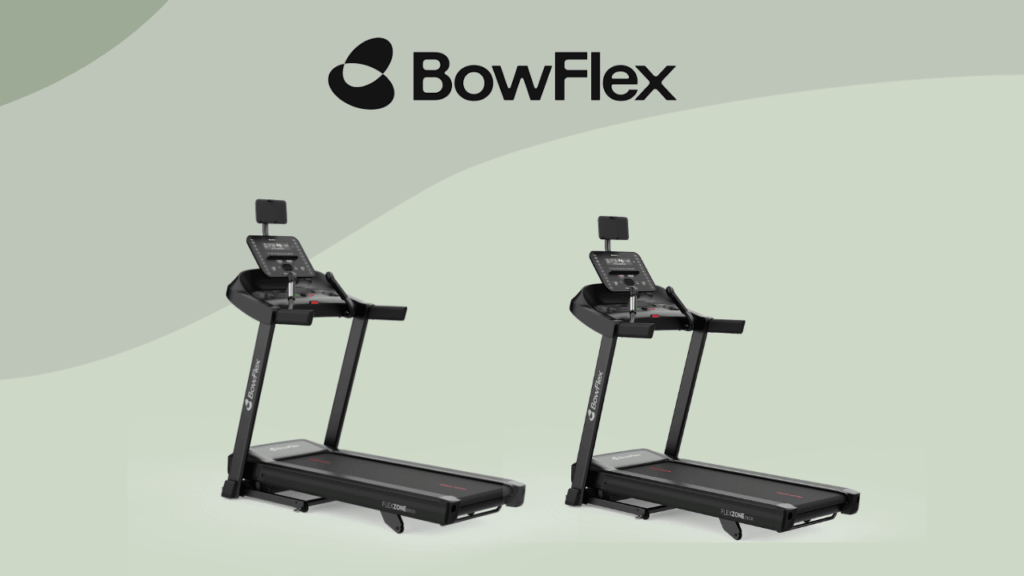
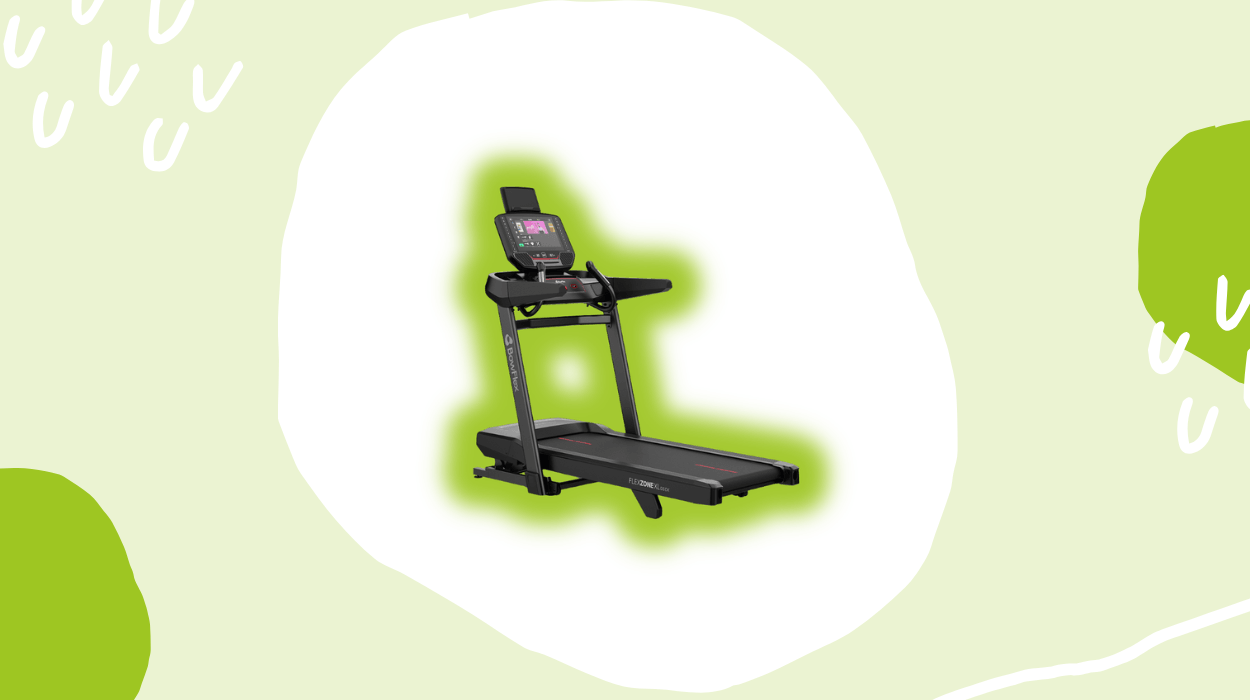
BowFlex offers treadmills that support at-home running through a tiered lineup, including the T6, T9, and T16. The brand states that each model delivers speeds up to 12 mph and incline levels up to 15%, allowing you to adjust intensity based on your training needs. The range is structured to cover both entry-level and more advanced setups, with pricing differences reflecting display type, connectivity, and added features.
Select models like the T6 and T9 include QuickDial controls for fast speed and incline adjustments during interval workouts, along with the MaxReact drive system for smoother, responsive pace changes. These models also support Apple Watch connectivity to sync workout data. Display setups vary across the lineup, from dual LED/LCD windows on the T6 to a high-contrast LCD on the T9, while the T16 adds a 16-inch HD touchscreen with Wi-Fi-enabled features.
The treadmills combine with the JRNY platform through a smartphone or tablet, offering adaptive workouts, trainer-led sessions, over 200 scenic routes, and automatic tracking. Streaming features like Netflix and Prime Video are available on the T16 with a JRNY All-Access subscription, while the T6 and T9 focus on app-based functionality without built-in entertainment. BowFlex also keeps usage flexible with no required subscription for basic operation, financing options with rates starting at 0% APR, and an industry-leading warranty for long-term use.
As per the official site, BowFlex is built around mechanical differentiation. It emphasizes alternative systems like its Power Rod resistance, aiming to address common home fitness constraints such as limited space and equipment redundancy. This innovative approach is applied across the product range. Its Max Trainer combines elements of an elliptical and a stepper to increase workout intensity in a shorter time. The SelectTech system replaces multiple dumbbells with a single adjustable unit, reducing space requirements. The brand also introduced the VeloCore bike, which has a leaning mode that adds core engagement during cycling. You can perform different exercises with fewer pieces of equipment, while also accessing workout styles that are not typically available with standard machines. The integration of systems like JRNY adaptive coaching adds a structured layer to training, helping guide workouts and maintain engagement over time.
Bowflex offers a wide range of home fitness equipment, including home gyms, treadmills, indoor bikes, Max Trainers, adjustable dumbbells, and weight benches. The brand stays visible across the full home fitness market by covering both strength and cardio categories. This approach allows you to build a complete home gym using equipment from a single brand. It has also updated its lineup with redesigned SelectTech weights and T-Series treadmills focused on performance. This wide selection can make purchasing decisions easier.
BowFlex’s former parent company, Nautilus Inc., rebranded to BowFlex Inc. in 2023 and filed for Chapter 11 bankruptcy protection in 2024. The process included asset sales, debt restructuring, and operating changes. Events like these can create ongoing questions about the brand’s financial position, internal priorities, and long-term direction.
This can affect you if you plan to buy expensive equipment that needs years of support. During business transitions, buyers often review warranty service, replacement parts supply, JRNY software updates, and customer support more carefully. If you expect long-term ownership, these issues may matter more before you purchase.
NordicTrack focuses on cardio-focused equipment, offering treadmills, bikes, ellipticals, rowers, and Pilates reformers, along with bundled setups. On the other hand, Bowflex takes a more balanced approach between strength and cardio, with products such as the Xtreme 2 SE home gym with 210 lbs Power Rod resistance, and SelectTech dumbbells ranging from 5–52 lbs and 10–90 lbs. This gives you more options to combine resistance training with cardio. The treadmill lineup shows a difference in structure and capability. As per their official website, NordicTrack organizes its machines into multiple series, including the X Series with 40% incline to -6% decline, the Commercial Series, and the Ultra Series. It also features models like the Commercial 2450 and bundle options such as the X24 Treadmill & Bike package. In comparison, Bowflex simplifies its range with models like the T6, T9, and T16, each offering JRNY connectivity via phone or tablet and Apple Watch compatibility, but without the high incline or decline range found in NordicTrack’s machines.
Technology and workout experience differ in how much the equipment guides you. NordicTrack uses iFIT to create AI-driven training plans that adjust speed, incline, decline, and resistance automatically during workouts, along with heart-rate-based intensity control. The system relies on an internet connection and a membership that renews at $39/month. On the other hand, Bowflex’s JRNY platform offers adaptive workouts that evolve as your performance changes, includes a 2-month free trial, and continues at $11.99/month or $99/year. It also supports streaming services, but the machine adjustments are more user-controlled.
Pricing and ownership costs also separate the two. NordicTrack sits in a higher price range, with treadmills starting at $1,599.99, rowers from $1,799.99, and bundles exceeding $7,000 before discounts. It includes features like free shipping in the continental U.S., a 45-day in-home trial with a $249.99 return shipping fee, a price match policy, and HSA/FSA eligibility that can reduce costs using pre-tax funds. Meanwhile, Bowflex remains more accessible, with treadmills starting at $999, bikes like the C6 at $899 (after discounts), and frequent offers such as $300 off treadmills or free mats and shipping. Financing is available on both, though Bowflex includes APR ranges up to 34.99% depending on credit, while NordicTrack promotes 0% APR options up to 36 months for qualified buyers.
As per their official website, NordicTrack builds a more structured setup where the machine guides your workout and adjusts automatically to match programmed sessions. In comparison, Bowflex emphasizes independence, allowing you to train without a required subscription, connect to multiple apps, and mix strength and cardio equipment within the same setup.
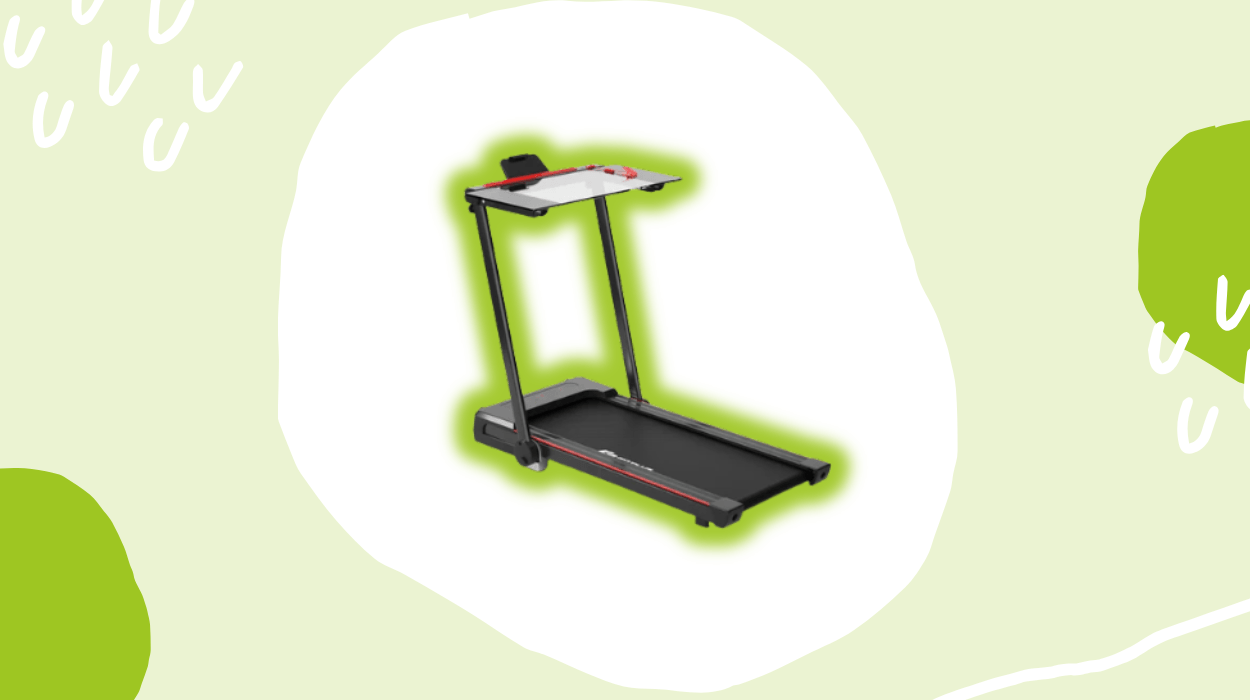
DeerRun concentrates heavily on compact cardio, offering multiple treadmill variations such as the 2026 A1 Pro Move+ with a 3.5HP motor, 350 lbs capacity, speeds up to 10 mph, and a 6% incline, along with NFC support. It also includes models like the A6 Plus with a 5% incline and 7.5 mph limit, and the Z10 Pro Muse with a 12% auto incline and remote control. DeerRun also expands into niche formats like the Q2 Urban under-desk walking pad with a 7% incline and the Z20 suitcase-style treadmill with a foldable running belt and rolling storage. In comparison, Bowflex spreads across categories, offering treadmills like the T6, T9, and T16, alongside equipment such as the Xtreme 2 SE, the Revolution Home Gym, Max Trainer machines, kettlebells, and SelectTech dumbbells ranging from 5–52 lbs and 10–90 lbs.
The difference becomes more apparent in design and space optimization. DeerRun builds nearly every product around portability and compact living, with foldable frames, under-desk compatibility, and lightweight packaging that customers note is easy to carry and assemble. Its Z20 folds upright with a suitcase-style design, complete with wheels and a retractable handle, while models like the Q2 Urban and A6 Plus are aligned with small spaces, home office setups, and work breaks. Features such as quiet operation and quick setup support this approach. Bowflex, in comparison, focuses on full-sized, stationary equipment such as the T6, T9, and T16 treadmills, which are designed for stability and long-term placement. The emphasis shifts away from portability toward a more permanent home gym setup, supported by services like expert delivery and assembly.
Technology integration further separates the experience. DeerRun combines practical smart features such as NFC pairing, Bluetooth connectivity, and the PitPat app, which supports simple tracking and gamified fitness with a large user base. Its approach keeps the interface straightforward and easy to use. Meanwhile, Bowflex centers its ecosystem around the JRNY platform, which includes adaptive workouts that evolve as your fitness improves, trainer-led sessions, and streaming integration when connected. The platform includes a 2-month free trial, followed by pricing around $11.99 per month or $99 per year, making digital training a core part of the Bowflex experience.
DeerRun centers on compact, affordable, and easy-to-use equipment designed for small spaces and daily activity. Meanwhile, Bowflex delivers a broader, higher-cost ecosystem built around connected training, full-sized equipment, and a more structured approach to long-term fitness progression.
Bowflex is known for home fitness equipment, starting with strength systems and later adding treadmills and bikes. At the same time, its shift under Johnson Health Tech North America, Inc. adds some complexity, especially when it comes to older products, warranties, and past responsibilities.
We also reviewed complaint data from the Better Business Bureau. The parent company has a B rating, is not accredited, and has received several complaints over the last few years. Many issues are tied to specific treadmill models, such as the Horizon T101 CONNECT, T22 treadmill, Horizon 7.4AT, and Horizon 7.0. Users report confusion around what is covered, especially the difference between mechanical and electronic parts. In many cases, key components are not covered even when the product is still partly under warranty. While the company follows its stated policies, the way these terms are explained can lead to misunderstandings and added costs for customers.
Some users report delays, unclear instructions, and slow follow-ups. In a few cases, issues were marked as resolved by the company, but customers felt their concerns were not fully addressed. This points to a gap between internal processes and what customers expect.
To evaluate Bowflex, we analyzed recent customer feedback on Trustpilot, where the brand holds a 3.8 out of 5 rating based on 2,000+ reviews. Many customers frequently describe a smooth website experience, a simple checkout process, and access to financing options. Several users also mention direct interactions with sales representatives who provided detailed guidance, resolved payment issues, and even offered better pricing than what was listed online.
Some customers reference purchases like the Bowflex treadmill and Bowflex 2080, while others mention using Bowflex equipment for years with satisfactory performance. These responses reflect an established reputation in the home fitness category.
Post-purchase service and operational consistency appear to be weaker areas. Several customers describe delays in customer support responses, with some waiting up to five business days for follow-ups. Additional friction points include website downtime, missing order confirmations, unexpected shipping costs, and difficulty canceling orders shortly after purchase.
BowFlex combines guided resistance with structured training, aiming to make workouts more accessible outside a gym setting. Its offerings are made to replace multiple pieces of gym equipment, but they can still take up noticeable space. This may reduce practicality in smaller or shared living areas. Some products also have load limits that may not support long-term progression for advanced users.
There are also a few practical considerations to keep in mind. Guided movement paths can restrict natural motion, which may place repeated stress on specific joints over time. Training only on machines can also reduce the need for stabilization and coordination, which are important for balanced strength development.
BowFlex can be a good fit if you want a structured, all-in-one home gym setup with guided workouts. However, it is important to consider its space requirements, the feel of its resistance system, limited progression for advanced users, and a more basic connected experience before choosing the brand.

Contact us at [email protected] or follow @leafsnap on Twitter! View our Privacy Policy.