

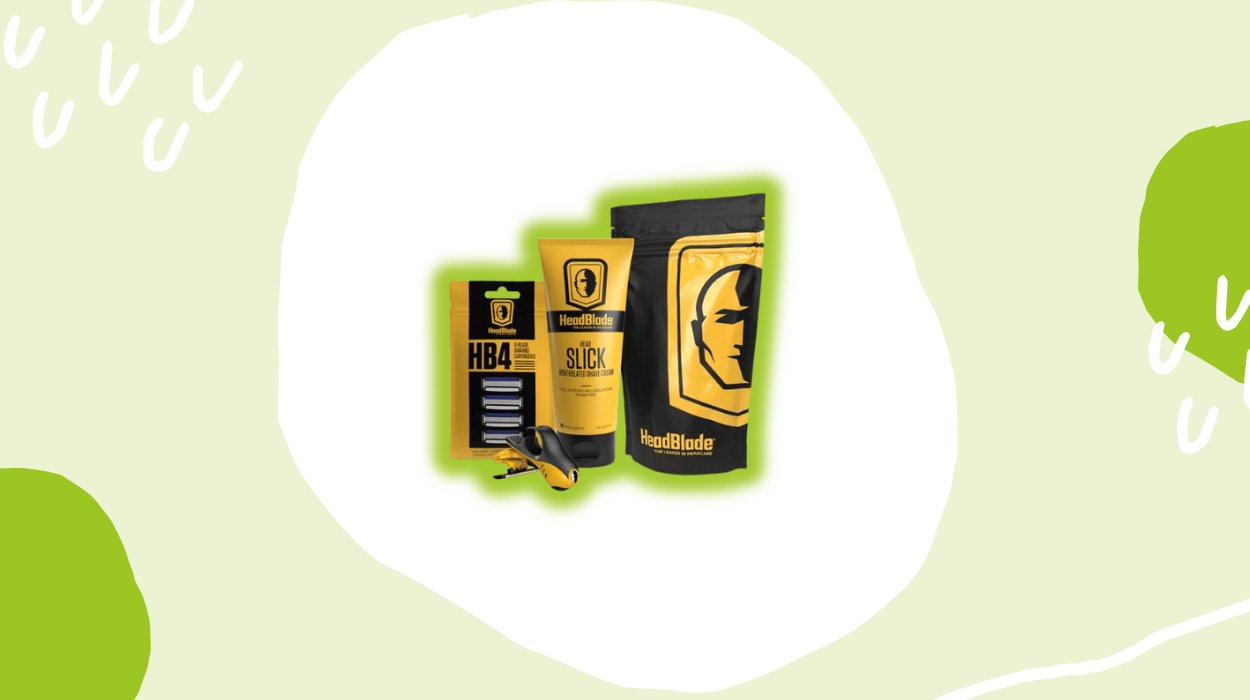
HeadBlade offers tools and products for maintaining a shaved scalp. Its product range includes razors, replacement blades, shaving creams, lotions, and bundled kits tailored for head care.
The brand centers its offerings around practical needs such as achieving a clean shave and reducing irritation associated with shaving the scalp. It highlights usability features such as tactile control and contour-following mechanisms as central to its product development.
This review explores the different products offered by HeadBlade and examines the brand’s advantages along with potential limitations. It also evaluates how the brand compares to other similar options and real user experiences.
HeadBlade is a grooming brand that was founded by Todd Greene in 1999. The brand offers razors that are built with an ergonomic design that fits the hand. Its products come with dual contact points and pivoting blades that help the razor follow the shape of the head. The company claims that this design may improve control and reduce the difficulty often associated with shaving the head using conventional razors.
As per the official site, the brand also offers grooming products, including pre-shave scrubs, aftershave treatments, moisturizers, scalp sunscreen, and cleansers. These products support skin care before and after shaving, potentially helping with issues like irritation, dryness, and sun exposure.
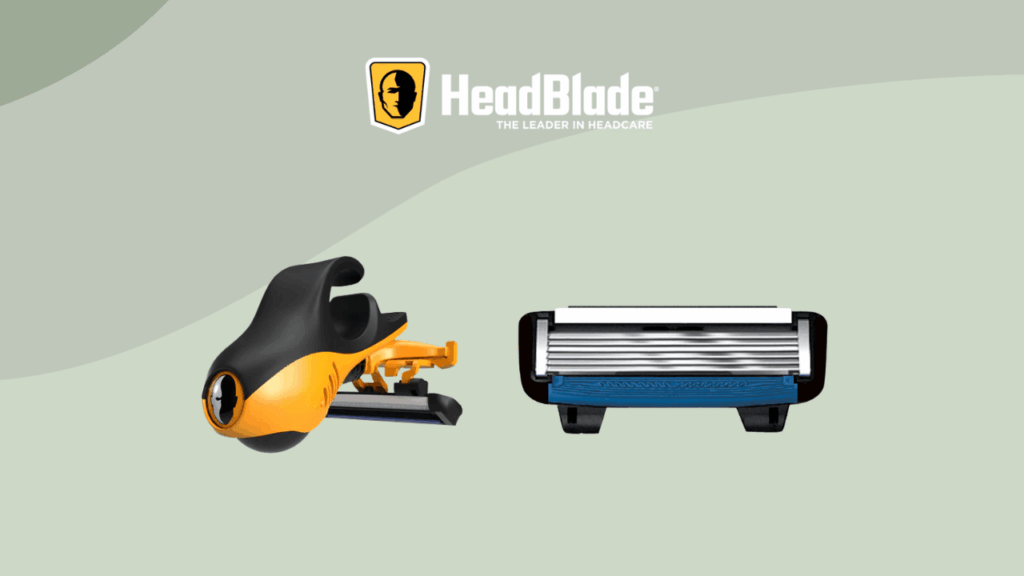
Moto Head Razors are engineered around a biomechanical shaving concept that prioritizes scalp contour adaptation, tactile control, and reduced friction during head shaving.At the core of the Moto system is its dual-active suspension mechanism. This allows the blade cartridge to pivot vertically while the razor body leans laterally, creating a multi-axis movement pattern. It lowers localized pressure points during shaving, enabling the blade to maintain more consistent contact with the scalp. Such effects might help minimize the risk of micro-cuts, irritation, and uneven shaving patches.
The free-rolling ball at the front of the Moto Head Razors functions as a dynamic guide. It distributes movement across the scalp and helps navigate complex areas, like around the ears or along the occipital curve at the back of the head.
The blade system is compatible with HB4 and HB6 cartridges that use multiple blades to distribute cutting force across several points. As per its official website, Moto razors come in multiple color variants, including grey, orange, black, and Greeneblade.
ATX Razors are designed as a streamlined head-shaving system that focuses on controlled blade contact, ease of transition from traditional razors, and efficient multi-surface shaving. The defining feature of the ATX range is its fixed-frame architecture combined with a pivoting blade cartridge. The blade itself adjusts vertically to follow the scalp’s curvature, while the handle remains stable. Such a mechanism improves consistency in blade angle, which could help maintain even cutting pressure across the scalp and minimize the risk of uneven shaving or missed patches.
These razors feature a flow-through blade design, which may improve rinsing efficiency by allowing water to pass directly through the cartridge. Such effects minimize the buildup of hair, shaving cream, and debris between the blades. Reduced clogging maintains sharper cutting performance and lower drag during each pass. Designed for versatility, you can use the ATX razors across the scalp, face, body, and legs. They come in Original and Black variants.
HeadSlick Mentholated Shave Cream is formulated to optimize blade glide, reduce friction-related irritation, and maintain skin comfort during head shaving. The cream features a lubricant system, where fatty acids like myristic acid and emollients from coconut oil and olive fruit oil create a thin, low-resistance film over the skin.
The makers included menthol to add a thermoregulatory effect, which works by activating cold-sensitive receptors (TRPM8 channels) in the skin. Such effects create an immediate cooling sensation that helps reduce irritation during and after shaving.
Aloe leaf juice in the cream contributes to skin barrier support and hydration. It contains polysaccharides that form a light protective layer on the skin, helping retain moisture while soothing irritation caused by blade contact.
HeadSlick Mentholated Shave Cream also contains sage leaf extract with antioxidant and mild antimicrobial properties, which could help maintain a cleaner skin surface during shaving. This might lower post-shave irritation linked to microbial activity or environmental exposure.
HeadLube Matte Moisturizing Lotion functions as a post-shave scalp moisturizer that focuses on hydration, oil balance, and surface texture control without clogging pores. It features aluminum starch octenylsuccinate and silica, which act as oil-absorbing agents. These compounds bind excess sebum on the skin surface, thereby reducing shine and creating a dry-touch finish.
Shea butter in the formula provides deeper hydration by supplying fatty acids that integrate into the skin barrier. These lipids help repair micro-disruptions caused by shaving and minimize water loss. Peppermint oil introduces a cooling sensory effect by activating thermoreceptors in the skin, which creates a refreshing feel while also helping reduce the perception of irritation after shaving.
HeadLube Matte Moisturizing Lotion also contains tea tree leaf oil with antimicrobial and anti-inflammatory properties, which might help limit post-shave breakouts or irritation caused by bacteria entering freshly shaved pores. The makers also included tocopheryl acetate (a form of vitamin E) for antioxidant support. It may help neutralize free radicals generated from environmental exposure or minor skin stress during shaving.
HeadShed Preshave Exfoliating Scrub helps improve shaving performance by clearing surface buildup, smoothing the skin, and optimizing how the blade interacts with the scalp. The primary exfoliating action comes from walnut shell powder. It's fine, irregular particles could help remove dead skin cells and excess oil from the skin surface. Removing this outer buildup reduces surface roughness and helps avoid blade obstruction.
Deionized water in the product acts as the base medium, ensuring even distribution of exfoliating particles while maintaining hydration during application. The makers added beeswax and carnauba wax to maintain a protective and conditioning layer. These waxes create a light occlusive film that softens the skin and helps retain moisture, making the surface more pliable before shaving.
Preshave Exfoliating Scrub also contains guar gum, which may help suspend exfoliating particles evenly while also providing a slight conditioning effect that improves spreadability and ensures consistent exfoliation without excessive abrasion.
ClearHead Aftershave Skin Treatment is formulated as a post-shave recovery system that focuses on calming irritation, regulating excess oil production, and minimizing the risk of ingrown hairs after hair removal.
Witch hazel extract in the formula helps tighten pores after shaving, which could reduce redness through its anti-inflammatory effects. Zinc PCA supports oil regulation at a biochemical level by helping control sebum production. It also provides mild antimicrobial support, which could help maintain a cleaner skin surface during the recovery phase.
ClearHead Aftershave Skin Treatment also contains white tea extract with polyphenols that may help lower oxidative stress triggered by shaving-related micro-injury.
HeadLube Glossy Moisturizing Lotion could help restore moisture, improve surface smoothness, and create a controlled, healthy-looking shine without clogging pores. It contains safflower seed oil with linoleic acid, a fatty acid that integrates into the skin barrier and helps restore lipid balance after shaving.
Glycerin and butylene glycol function as humectants that draw water into the outer skin layers. Such effects may support hydration within the stratum corneum, improving skin flexibility and reducing tightness after shaving.
Hydrogenated castor oil in the product acts as a stabilizing emollient that helps maintain a consistent texture while adding a light conditioning layer. Citric acid contributes to maintaining an optimal skin pH, which supports enzyme activity involved in barrier repair and helps keep the skin environment less favorable for irritation-causing microbes.
HeadBlade applies a consistent design methodology across its entire product line, where ergonomics and mechanical function are treated as primary variables rather than secondary refinements. This is reflected in the brand’s shift away from traditional handle-based razors toward finger-controlled formats that position the tool closer to the scalp.
Across multiple generations of products, the same principles persist, which are maintaining direct tactile feedback, enabling the blade to follow the curvature of the head through pivoting mechanisms, and stabilizing contact through multi-point interaction.
Variations in materials, weight distribution, and structural form factor exist across the range, but they operate within a unified design architecture rather than introducing unrelated formats. Blade systems (HB2, HB4, HB6) are standardized to maintain consistent mechanical behavior across devices, reinforcing continuity.
HeadBlade structures its offerings as an interconnected system where hardware, products, and logistics are aligned into a single operating model. Its razor lines are mapped to specific blade systems, such as MOTO and ATX, which use HB4 cartridges with optional HB6 upgrades, while other models, such as Sport, use HB2, which is supported by internal adaptors where applicable.
The system extends into supporting products such as HeadSlick, which is formulated with low foam and high lubrication to enable shaving by touch without obstructing tactile feedback, and aftercare products like ClearHead that are designed for scalp-specific use. It is also supported by centralized fulfillment from a single distribution point with defined processing and shipping timelines, ensuring continuity of supply across all components. This can give you a predefined system where blade compatibility is fixed, replacement cycles are predictable, supporting products are already aligned with the shaving method, removing the need to research, match, or manage separate products across different brands.
As per the official site, HeadBlade has operated since the late 1990s, with its first product introduced in 1999 following several years of development. This duration reflects sustained participation within a narrowly defined category. Product evolution from earlier models to later systems, such as ATX and MOTO, demonstrates a consistent design approach.
External validation includes recognition by TIME as one of the Best Inventions of the Year in 2000 and inclusion in the collection of the Museum of Modern Art. These acknowledgments provide third-party evidence of design relevance. This reduces the risk of product discontinuation, ensures ongoing access to compatible replacements, and provides confidence that the system you adopt will remain supported over time.
HeadBlade has a limited and inconsistent presence across major physical retail channels. The brand is not stocked in large-scale retailers such as Walmart, where it previously had placement, and does not maintain active distribution in Target, Ulta Beauty, or Sephora. While CVS Pharmacy is technically listed as a retail partner, this operates under a limited distribution model, with availability restricted to select flagship or high-density urban locations and largely absent from standard suburban stores. This results in fragmented and unreliable in-person access.
The brand’s products rely on non-standard ergonomics. Its finger-ring grip introduces a fit variable tied to individual hand size, which cannot be assessed without physically handling the product. This can create uncertainty regarding comfort and control. Differences in weight and balance between models, such as heavier configurations versus lighter plastic constructions, cannot be meaningfully evaluated through digital channels alone. The inability to perform side-by-side comparisons with conventional razors in a retail setting further restricts evaluation.
The purchase process shifts away from direct tactile assessment toward indirect validation through reviews, videos, and descriptions. It introduces a structural evaluation gap where critical factors, fit, grip comfort, and handling dynamics, remain unverified until after purchase.
HeadBlade operates a proprietary cartridge system that creates a structural constraint in how its products can be used over time. The razors are dependent on specific blade formats, and these cannot be substituted with third-party alternatives under current conditions. You are fully restricted to the brand’s internal refill ecosystem. The defined usage lifecycle of the cartridges typically lasts 5–7 shaves before replacement is required. Beyond standard blade dullness, component wear (such as reduced tension in the cartridge’s spring mechanism) can further necessitate replacement. This creates a fixed pattern that cannot be extended indefinitely without compromising performance. The cost structure is also tied to this dependency. Replacement blades are available within a controlled price range (approximately $1.50 to $3.75 per blade, depending on type), with no compatible third-party options. This means you are locked into a recurring purchase cycle with no flexibility in where or how you source replacements, and your long-term cost and continuity of use remain dependent on the brand’s pricing structures.
Groomie Club and HeadBlade both function within the head shaving and male grooming space, but their models differ in terms of technology approach, system structure, and pricing strategy.
The Groomie Club brand is built around a device-led, convenience-focused system, where its flagship BaldiePro Head Shaver acts as the central product supported by skincare offerings and grooming accessories. The brand emphasizes features such as a rotary 5-blade system, high-speed motor, and wet/dry usability. Its ecosystem extends into blade refills, charging docks, trimming attachments, and skincare products such as Natural Pre-Shave Oil and aloe-based scalp serums, along with bundled offerings like the No Hair, Don’t Care Bundle.
Meanwhile, HeadBlade operates as a manual, design-driven shaving system, centered on ergonomics and precision rather than automation. Core products such as the HeadBlade Moto Razor reflect this approach, which uses a patented dual-contact suspension system and pivoting head to follow scalp contours. Supporting accessories like HB2 and HB4 Blade Cartridge Refills integrate with these razors, while additional products such as HeadSlick shaving cream and HeadShed Preshave Exfoliating Scrub extend the system into preparation and aftercare.
Groomie Club focuses on speed and ease, with the BaldiePro Head Shaver positioned for quick, low-effort shaving sessions that can be completed in minutes with minimal technique. Meanwhile, HeadBlade emphasizes tactile control and closeness of shave through manual razors like the HeadBlade Moto, where results depend more on handling, blade condition, and shaving technique.
The Groomie Club brand functions as an electric grooming platform built around its signature head shaver, bundled routines, and subscription-driven pricing. Meanwhile, HeadBlade represents a manual, design-focused shaving system, emphasizing precision, ergonomic control, and a non-subscription-dependent pricing approach.
When comparing Manscaped and HeadBlade, they differ in terms of their core positioning, range of offerings, grooming ecosystem, and accessibility. In terms of product range, Manscaped offers a wide, segmented portfolio covering multiple grooming areas, including groin, beard, face, head, body, skincare, and accessories. Its lineup features devices like the Lawn Mower® 5.0 Ultra, the Beard Hedger®, the Chairman™ Pro, and the Dome Shaver™ Pro, along with bundled kits. Meanwhile, HeadBlade maintains a focused ecosystem centered almost entirely on head shaving. Its lineup revolves around purpose-built products like the Moto razor, supported by blade cartridges such as HB4 and HB6, along with complementary products like HeadSlick shaving cream and scalp-focused lotions and scrubs. Rather than expanding across categories, the brand deepens its specialization within a single use case.
From a design and technology perspective, Manscaped emphasizes safety and versatility through features like SkinSafe® technology, ergonomic builds, and multi-use electric shavers intended for use across different body areas. Meanwhile, HeadBlade takes a fundamentally different approach by focusing on manual razor innovation. It emphasizes features like dual contact points and an omnidirectional pivoting head that follows the natural contours of the scalp.
Manscaped positions itself as a broad, lifestyle-oriented grooming brand that builds a full-body routine through multiple specialized tools. Meanwhile, HeadBlade reflects a focused, design-driven brand centered almost entirely on optimizing the head shaving experience through precision-engineered manual razors and supporting products.
When evaluating HeadBlade, we looked at the real user experiences of the brand and its offerings on Amazon to understand how they perform in day-to-day use. ATX Razor carries a 4.2 out of 5 score based on 2400+ reviews on the platform. Most users described its shaving process as faster and more efficient than standard razors. The design is praised for helping guide movement across the scalp, which supports a close shave with less effort. However, a few users expressed that the razor failed to reach certain areas, such as around the ears or the lower neck. Opinions on blade durability are also mixed, with some users satisfied with longevity while others reported blades dulling quickly or not lasting through a full shave.
HeadSlick Shave Cream maintains a 4.7 out of 5 score based on over 1640 reviews. Many users appreciated its slick texture that allowed for a smoother razor glide and a more comfortable shaving experience. Critical feedback is limited but includes questions about whether the shave cream noticeably improves shave closeness beyond basic methods.
The available feedback suggests that performance across the brand varies by product type, with more predictable results from supporting products and more technique-dependent outcomes from core tools.
To evaluate HeadBlade, we analyzed its operational consistency, background, and ratings across independent review forums. Established in 1999, the brand has remained active in a niche grooming category focused on head shaving.
Currently, the brand lacks a presence on major independent review platforms such as Trustpilot, Better Business Bureau, or Thingtesting. This makes it difficult to verify user satisfaction trends, complaint resolution patterns, or credibility through recognized third-party sources.
HeadBlade is focused specifically on head shaving. Its ergonomic razors and supporting shave products create a dedicated routine designed to improve control, comfort, and consistency. However, the unconventional razor design can take some getting used to, proprietary blade cartridges reduce flexibility, and limited retail availability makes it harder to test comfort before buying.
The main concerns related to its offerings are shaving-related issues such as nicks, razor burn, and ingrown hairs, especially during the learning phase. Some of its pre- and post-shave products can also irritate sensitive skin if they contain menthol, essential oils, or exfoliating particles. HeadBlade may suit you if you prioritize an ergonomic option for head shaving with improved contour tracking and control. However, its higher recurring costs, limited compatibility, and learning curve remain downsides to consider before choosing the brand.

Contact us at [email protected] or follow @leafsnap on Twitter! View our Privacy Policy.