



Designs for Health is centered on delivering targeted, research-informed support. Its product range includes vitamins, minerals, herbal blends, protein powders, probiotics, and condition-specific formulas.
The brand claims to support digestive health, immune function, cardiovascular balance, hormonal regulation, and metabolic health. It highlights using bioavailable nutrient forms and complementary ingredients that may improve how efficiently your body absorbs and utilizes nutrients.
In this review, we will explore what Designs for Health offers across its product range and how its formulations align with different needs. It will also compare Designs for Health with similar brands to highlight differences in formulation approach, accessibility, and value.
Designs for Health is built around functional medicine and science-based nutrition. Founded in 1989 as a family-owned company, it offers a mix of single-ingredient formulas and combination formulas.
The brand also provides tools and services for practitioners. These include a virtual dispensary, Spotlight™ functional wellness testing, and eScripting tools that help create personalized plans. This setup is designed to support a more guided approach if you are working with a healthcare provider.
As per the official website, most Designs for Health products are produced in company-owned facilities in Montana and Nevada, while other products are made with partners that meet strict standards. The brand states that all its products follow FDA Current Good Manufacturing Practices (cGMPs). It mentions that testing is done both in-house and through ISO-certified third-party labs.
Adrenotone could support adrenal gland function and the body’s physiological response to stress. The adrenal glands regulate the cortisol hormone production, which may help in energy metabolism, immune signaling, and circadian rhythm regulation.
The makers have added several B-complex vitamins alongside vitamin C, which may contribute to cellular energy production and adrenal activity. Riboflavin (B2) and vitamin B6 could support mitochondrial energy pathways and neurotransmitter synthesis, while pantothenic acid is required for steroid hormone production, including cortisol.
Adaptogenic herbs are also used in the product, including eleuthero and American ginseng, both of which may influence the hypothalamic–pituitary–adrenal (HPA) axis. Apart from that, the product also contains Ashwagandha, which may contribute to reductions in perceived stress or fatigue.
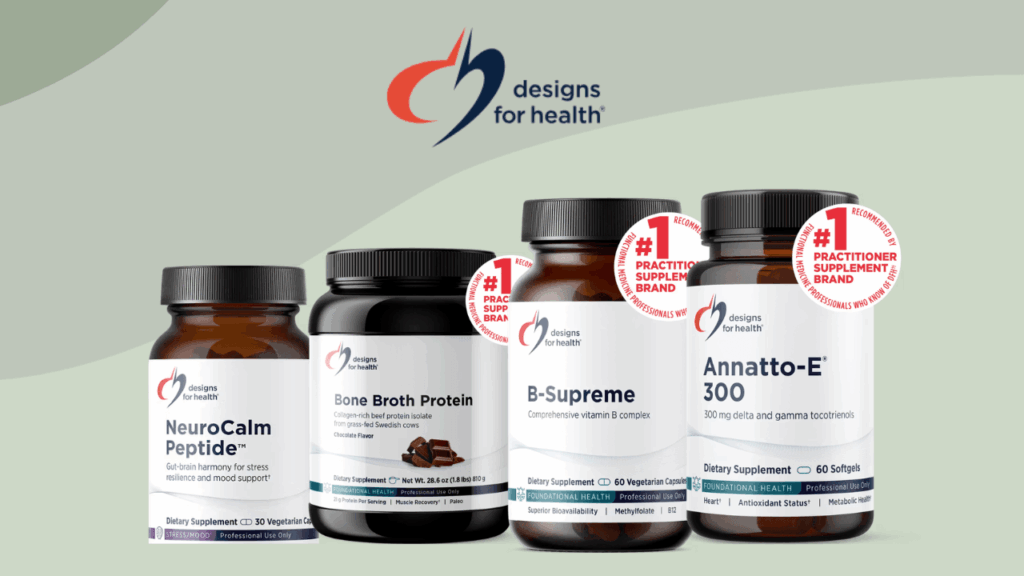
Annatto-E-300 may support vitamin E status by providing tocotrienols. The product may support cardiovascular, skin, eye, bone, and lung health, along with overall antioxidant status.
The core of the formulation consists of tocotrienols derived from annatto. Tocotrienols are fat-soluble compounds that may help neutralize free radicals and potentially reduce oxidative stress at the cellular level. Vitamin E compounds added to the product could contribute to maintaining structural stability and protecting against oxidative damage. They may integrate into cell membranes, where they could contribute to maintaining structural stability.
B-Supreme could provide a concentrated combination of B vitamins to support cellular energy metabolism, neurological function, and biochemical processes such as methylation. B vitamins act as coenzymes involved in converting carbohydrates, fats, and proteins into usable cellular energy. Thiamin is involved in carbohydrate metabolism, where it supports the conversion of glucose into energy.
Riboflavin functions as a precursor to flavin coenzymes (FAD and FMN), which aid in redox reactions in mitochondrial energy production. Niacin (as niacinamide) participates in the formation of NAD⁺ and NADP⁺, molecules that are essential for electron transport and cellular respiration.
The product includes Vitamin B6, which may support amino acid metabolism and neurotransmitter synthesis, including the production of serotonin, dopamine, and gamma-aminobutyric acid. These neurotransmitters support mood regulation, cognitive processing, and stress signaling.
Berberine Synergy may support glucose metabolism, insulin activity, and broader metabolic processes. The formulators have added berberine hydrochloride, which may influence glucose regulation through multiple mechanisms.
One of its primary biochemical interactions involves activation of AMP-activated protein kinase (AMPK) that functions as a cellular energy sensor. It may increase glucose uptake into cells and reduce hepatic glucose production, potentially contributing to improved glycemic control.
Berberine could also affect insulin receptor signaling, which may enhance insulin sensitivity and influence how efficiently cells respond to circulating glucose. The product also includes alpha-lipoic acid, which may contribute to ATP production. It may also help regenerate other antioxidants, such as vitamins C and E, to support cellular redox balance.
Complete Mineral Complex may support enzymatic activity, electrolyte balance, and structural functions in the body. The makers have added calcium and magnesium, which may influence both absorption and metabolic utilization. Calcium plays a role in bone structure, muscle contraction, and intracellular signaling, while magnesium may regulate calcium influx and relaxation cycles, contributing to recovery processes.
The product also contains zinc, which may enhance stability during digestion and facilitate absorption in the small intestine. It may also influence cellular repair mechanisms and antioxidant enzyme systems such as superoxide dismutase. Selenium added to the product may contribute to maintaining cellular integrity under oxidative stress.
The makers also added copper, which may help in connective tissue formation and antioxidant activity, while chromium affects glucose metabolism by supporting insulin receptor activity.
CoQnol may support cellular energy production and antioxidant activity. It contains ubiquinol, which may facilitate ATP production and help neutralize reactive oxygen species. Geranylgeraniol is also included to potentially support endogenous CoQ10 synthesis and assist in maintaining mitochondrial function. It is also involved in the protein prenylation process that contributes to cellular signaling and membrane integrity.
Creatine Monohydrate Powder may support short-duration energy production. It functions within the phosphagen system to regenerate adenosine triphosphate during brief, high-intensity activity. The formulation may contribute to cellular energy balance in neurons and glial cells.
Creatine monohydrate functions by supporting energy levels and aiding in regenerating ATP. Water retention within muscle cells may also occur as intracellular creatine concentrations rise, which could influence cell volume and body weight.
Digestzymes may support stomach acid and bile activity, which together could assist in breaking down food more efficiently during a meal. The formulators include betaine HCl, which may increase gastric acidity. This could help initiate protein breakdown and allow enzymes like pepsin and other proteases in the formula to act more effectively on dietary proteins, reducing them into smaller peptides.
The formulation also has proteases and peptidase enzymes, which may act on proteins, while amylases, glucoamylase, and invertase could assist in breaking down carbohydrates into simpler sugars. Lactase and Lipase are included to act on fats, breaking them into smaller components that are easier to absorb. The makers also added ox bile extract, which might potentially support fat digestion by aiding in the dispersion of dietary fats.
Designs for Health was founded in the year 1989 by Jonathan and Linda Lizotte as a family-owned company. This timeline suggests the brand claims over 35 years of experience in the supplement space.The brand also claims it has stayed family-owned since the beginning. This structure shows consistent leadership and a steady focus on its original mission, without outside investor pressure.
Designs for Health claims a science-first approach built over time. It focuses on research-backed formulas developed with healthcare professionals. This suggests the brand aims to support clinical and practitioner use.
Designs for Health demonstrates a targeted approach through a product ecosystem built around specific concerns and functional outcomes rather than generic, one‑size‑fits‑all formulations. The brand organizes its entire product portfolio into clearly defined categories such as gut health, cardiovascular support, hormone balance, stress and sleep, metabolic health, and detoxification, enabling routines to be built around targeted needs.
This structure reflects a functional‑medicine‑inspired approach, in which products are designed to work in coordinated stacks aligned with structured and specific plans. It may help you follow a more structured, goal‑oriented routine personalized to specific concerns instead of guessing which products to combine.
Designs for Health is mainly driven by its practitioner-first distribution and positioning strategy. Its education, product structuring, and access model are not centered on mass-market retail or direct-to-consumer visibility. This makes the brand have relatively low exposure in mainstream consumer channels such as large retailers, influencer ecosystems, or widely recognized supplement rankings. This means the brand can be harder to discover or evaluate if you are not already connected to a practitioner or familiar with functional medicine. You may encounter fewer reviews, comparisons, or recommendations in typical consumer research channels, making independent decision-making more difficult.
Thorne follows a direct-to-consumer model, allowing you to explore products, build routines, and make purchases independently. It supports this approach with tools like the Taia AI wellness advisor, which offers personalized product suggestions based on your goals. On the other hand, Designs for Health is structured around a practitioner-led system. Many of its offerings, including functional testing like Spotlight™, are designed to be used under professional guidance. It also offers products without practitioners, allowing some direct access to personalized support.
Their scientific positioning reflects this difference. Thorne emphasizes applying clinical research through well-absorbed ingredient forms such as chelated minerals and active vitamins. Its process includes four rounds of testing, ingredient validation, and certifications such as NSF Certified for Sport®, along with compliance with FDA standards and an A rating from Australia’s TGA. Meanwhile, Designs for Health takes a Science First™ approach that combines published research with practitioner insight. Its products are tested in ISO-certified third-party labs for purity, potency, identity, and contaminants. Rather than highlighting regulatory certifications, it focuses on practitioner trust and consistent lab verification.
Technology and personalization further highlight their differences. Thorne uses consumer-facing tools like its AI advisor to guide selection and organizes products across categories such as sleep, stress, cognition, and sports performance. Designs for Health takes a more structured and education-driven approach, focusing on research-backed guidance rather than automated tools. Its ecosystem includes detailed product education sheets that explain ingredient composition, function, and intended benefits, along with access to functional testing like Spotlight™ to help identify underlying health patterns. Personalization is built around these insights and structured wellness pathways, supported by clinically informed formulations and a science-led product framework.
In terms of application, Thorne has a strong presence in sports and performance, offering NSF Certified for Sport products like creatine, electrolytes, and protein powders designed for athletes and active people. On the other hand, Designs for Health focuses more on functional health areas such as metabolism, hormone balance, gut health, and detoxification. Its products, including Digestzymes, FemGuard Plus Balance, and Homocysteine Supreme, are typically used within targeted protocols rather than general formulation.
As per their official website, Thorne supports a flexible, self-guided approach with clinically informed formulations and accessible tools. Designs for Health offers a more structured system built around complex formulations and protocol-based use.
Seeking Health and Designs For Health both emphasize quality manufacturing, but they approach it with different levels of structure and verification. As per its official website, Seeking Health follows Good Manufacturing Practices (GMPs). The brand states that its manufacturing is carried out in state-of-the-art facilities that operate under strict standard operating procedures (SOPs), with a focus on maintaining consistency and product integrity. In comparison, Designs For Health aligns with FDA Current Good Manufacturing Practices (cGMPs) while extending its framework through science-based specifications informed by references such as the United States Pharmacopeia (USP). This adds a layer of external benchmarking, suggesting a more standardized and research-aligned quality system.
The difference becomes more evident in how each brand handles quality control and testing. Seeking Health emphasizes internal validation, where every ingredient is carefully researched and tested before use, and vendors must meet predefined manufacturing standards before being approved. This creates a controlled intake process focused on meeting internal benchmarks. Designs For Health, however, applies a multi-step verification system that goes further by combining ISO-certified third-party laboratory testing for both raw materials and finished products. The brand states that each ingredient is evaluated for identity, purity, strength, composition, and potential contaminants such as heavy metals, pesticides, and microbes, with lot-by-lot verification to confirm consistency. This layered approach combines internal oversight with independent validation.
Their product positioning and audience focus show a clear contrast as well. Seeking Health offers a broad, consumer-facing range including Multivitamin One, Prenatal Essentials, ProBiota HistaminX, and Homocysteine Nutrients. Its catalog emphasizes accessibility through direct purchase options, lifestyle filters, and condition-focused formulations. Meanwhile, Designs For Health organizes its products around functional health categories such as cardiovascular health, gut health, hormone balance, and metabolic support. It features formulations like GI Revive®, Berberine Synergy™, Creatine Monohydrate, Complete Mineral Complex, PaleoCleanse Plus™, and OmegAvail™ TG1000. The brand’s structure aligns more closely with practitioner-guided use, where certain offerings, such as functional wellness tests, require authorization from a qualified healthcare provider.
A noticeable difference also appears in pricing. Seeking Health maintains a relatively moderate and consistent range, with most products typically priced between about $22 and $70, including Optimal Magnesium and Histamine Nutrients. On the other hand, Designs For Health covers a wider and often higher range, starting around $20 to $30 for basics like Magnesium Glycinate Complex, increasing to about $60 to $90 for products such as OmegAvail TG1000 and GI Revive. The brand offerings exceed $200 for more comprehensive protocols like PaleoCleanse Plus, indicating a stronger focus on multi-ingredient formulations.
We evaluated Designs for Health’s brand reputation using publicly available information from the Better Business Bureau and Trustpilot. The company has not been BBB accredited and has received a rating of A+. On Trustpilot, the company has held a TrustScore of 2.5 out of 5 based on 7+ reviews. The limited number of reviews has made it difficult to evaluate the brand’s reputation, though the available feedback has highlighted certain recurring concerns.
Across these reviews, common issues have included product-related concerns such as expired items and dissatisfaction with taste or formulation. Customers have also reported challenges with customer service, particularly around returns, exchanges, and a lack of assistance when issues have arisen.
Shipping-related concerns have appeared as well, including delays and temperature-sensitive products arriving in compromised condition. Pricing concerns have also been mentioned, with some describing products as expensive relative to perceived value.
The presence of recurring issues has indicated areas for improvement, particularly in product handling, pricing perception, and customer support consistency.
We looked for customer feedback for Designs for Health offerings based on publicly available reviews on Amazon. Adrenotone has a 4.7 out of 5 from around 300+ reviews. Many report feeling calmer, particularly in relation to stress or daily energy fluctuations. Some users highlight gradual improvements, suggesting that outcomes may vary over time. However, a smaller group of users stated that effects were subtle and unclear.
The brand’s Micronized Creatine Monohydrate has a rating of 4.7 out of 5 from 250+ ratings. Users frequently appreciate mixability, with the powder dissolving relatively well compared to other creatine products. Some also report expected performance-related benefits such as improved workout output or recovery. Negative feedback is limited but includes occasional concerns about texture and minor clumping.
For Vitamin B Supreme, rated at 4.5 out of 5 from 2,600+ ratings, users often describe noticeable effects related to energy levels and general well-being. Some mention improvements in fatigue. However, some people shared that they experienced mild side effects like stomach discomfort and sensitivity.
Designs for Health emphasizes bioavailable nutrient forms and multi-ingredient blends designed to align with methylation, mitochondrial energy production, and glucose metabolism. However, its limited retail availability can make independent evaluation more challenging.
It is essential to understand that using multi-ingredient blends allows broader pathway coverage but introduces trade-offs. Overlapping nutrients across products can increase cumulative intake, and individual response may vary depending on sensitivity and baseline nutrient status.
Careful attention to ingredient overlap, especially with fat-soluble vitamins and methylated compounds, becomes important when multiple brands’ products are used together. Monitoring tolerance to concentrated botanicals, probiotics, or higher-dose nutrients may also help reduce variability.
Designs for Health follows a science-based, structured approach to formulas. However, its complex formulas and limited access can make it harder to use and less predictable if you prefer to manage your routine on your own.

Contact us at [email protected] or follow @leafsnap on Twitter! View our Privacy Policy.