
MontKush is a Vermont-based wellness brand centered on organically grown hemp and small-batch production. Its portfolio includes oils, gummies, softgels, topical creams, and roll-ons.
The brand claims that its formulations promote relaxation, support more consistent sleep patterns, ease occasional muscle and joint discomfort, and help you manage daily stress.
In this review, we will explore MontKush’s product offerings across different categories and the broader legal considerations that may impact the brand within the evolving hemp-derived wellness space.
MontKush operates its own USDA-certified organic farm, where it cultivates AAA-certified organic hemp used across its entire product line. It claims to oversee cultivation, harvesting, extraction, formulation, and packaging rather than outsourcing production.
As per the official website, MontKush structures its catalog across multiple product formats. Its gummy lineup includes a broad-spectrum gummy (THC-free), sleep-focused gummies, and rosin-based gummies.
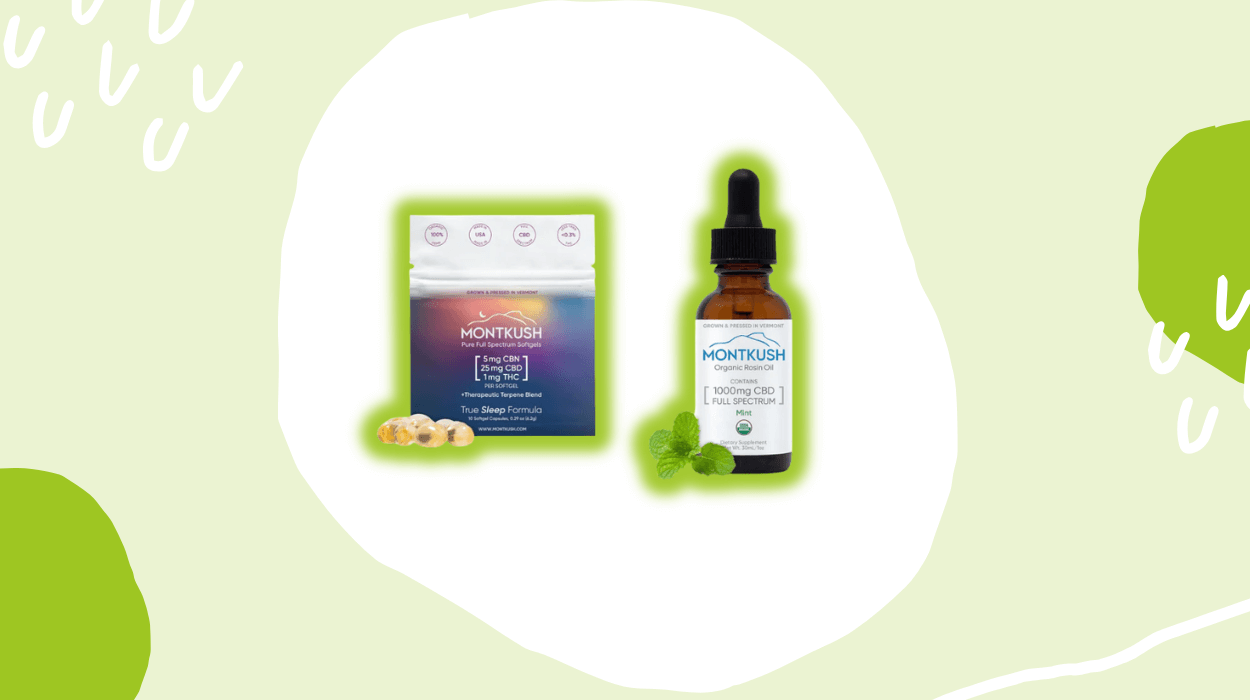
The brand also offers softgels, and its oil category includes Whole Flower Oil, Mint and flavored drops, and Raw oil drops. For localized application, it provides topicals such as Pain Relief Roll-On, Muscle & Joint Salve, True Sleep Cream, and USDA Organic Body Dose.
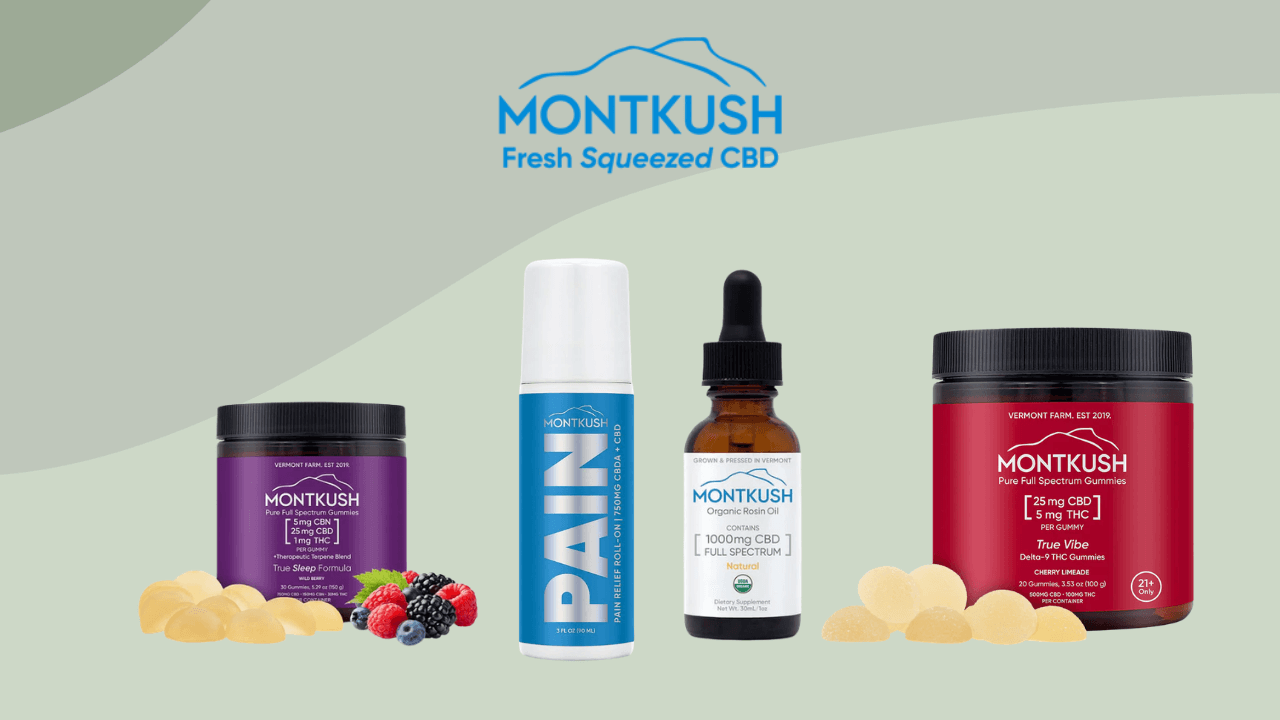
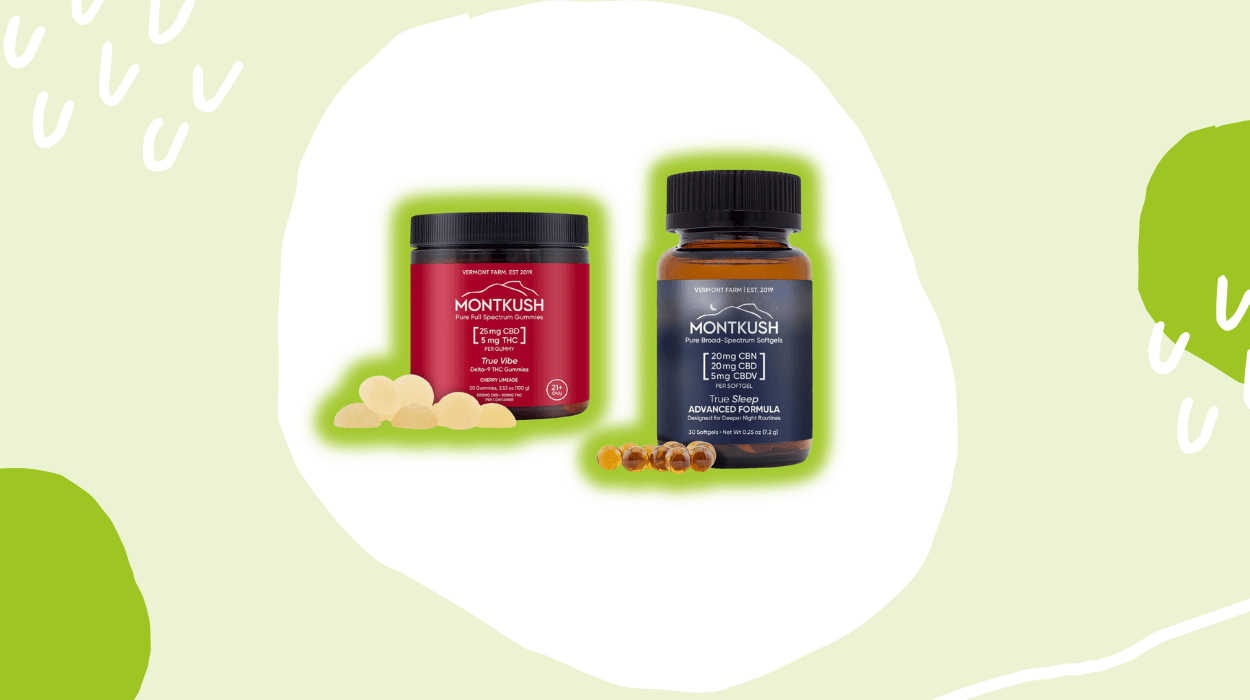
The makers claim that Sleep Gummies help you ease tension, settle your mind, and transition into sleep more smoothly. The formula is designed for nighttime use, focusing on relaxation and sleep initiation rather than daytime balance or alertness. CBN in these gummies may help quiet neural activity associated with restlessness. It is believed to have mild sedative-like properties, which could support faster sleep onset by reducing the time it takes for your brain to shift from an alert state into a resting rhythm.
The accompanying hemp extract works through similar receptor pathways, helping modulate stress signaling and maintain internal balance. It may influence neurotransmitters such as GABA and serotonin, which might help calm neural firing and stabilize mood.
As per the official website, Oil Drops is made using 100% organic rosin, a solventless extract produced through heat and pressure rather than chemical processing. This extraction method helps preserve naturally occurring plant compounds while avoiding residual solvents. The brand highlights that these drops could help maintain balance across stress response, mood, pain perception, and sleep cycles. This oil may also help regulate overactive neural pathways associated with anxious or repetitive thinking.
True Vibe D9 Gummies are formulated with hemp-derived Delta-9 THC and are intended to provide a smooth, uplifting, and relaxing experience. Delta-9 THC in these gummies interacts primarily with receptors in your central nervous system. These receptors are densely distributed in areas of the brain that regulate mood, reward processing, memory, and sensory perception. When activated, CB1 signaling can influence the release of neurotransmitters such as dopamine and glutamate. Delta-9 THC may support relaxation by dampening excessive neural firing in stress-related circuits. It could also influence the endocannabinoid system’s regulation of appetite, sensory perception, and sleep–wake balance.
According to the official website, Pain Relief Roll-On is designed for fast, targeted application to areas experiencing muscle soreness or joint discomfort. The formulation contains menthol, which activates TRPM8 receptors in your skin, cold-sensitive ion channels that respond to cooling stimuli. When these receptors are stimulated, they create a cooling sensation that can temporarily override pain signals traveling through peripheral nerves. This sensory modulation may reduce the perception of aches by interfering with how discomfort signals are transmitted to the brain.
The makers also added camphor to this Roll-On, which stimulates nerve endings that detect heat and mild irritation, increasing local blood flow to the applied area. This increased circulation may help support the removal of metabolic byproducts that accumulate in sore muscles after physical strain. Camphor also interacts with transient receptor potential (TRP) channels, which influence pain perception and inflammatory signaling at the skin level.
Pain Relief Cream might provide localized cooling and surface-level comfort. It could also support both muscle comfort and skin hydration. The hemp-derived extract in this cream interacts with cannabinoid receptors present in your skin and peripheral tissues. These receptors are part of the endocannabinoid system, which helps regulate inflammatory signaling, immune response, and localized pain perception. When applied topically, the extract does not typically enter systemic circulation in significant amounts. Instead, it works at the site of application, potentially influencing cytokine activity and neural signaling involved in muscle soreness. This localized interaction may help calm post-exercise discomfort and support recovery.
The makers also added MCT oil in this cream, which could help enhance the solubility and dispersion of active compounds across the skin’s lipid barrier. As the outermost layer of your skin is lipid-rich, MCT oil may improve the consistency of topical absorption and help maintain skin softness. Glycerin in this product might help maintain hydration and potentially support the integrity of the skin barrier.
Heat Relief Roll-On is designed for targeted application on areas such as your back, shoulders, joints, or knees where stiffness and muscle tightness tend to build. The roll-on format allows you to apply the formula directly to specific zones, supporting localized relief without spreading excess product to surrounding skin.
The makers state that this roll-on has CBD, which might help regulate inflammatory signaling, immune activity, and localized pain perception. The warming sensation of the roll-on works through stimulation of heat-sensitive receptors in the skin, particularly TRPV1 channels. Activation of these receptors increases local blood flow and creates a feeling of warmth. Improved circulation may support oxygen and nutrient delivery to tense muscles while assisting in the removal of metabolic byproducts that accumulate after strain.
Mont Kush offers full-spectrum gummies, rosin, and concentrates that contain measurable trace amounts of THC. Even when labeled as federally compliant under hemp regulations, compliance does not eliminate exposure. In higher-dose formats, total milligram intake increases with serving size and repeated use, which can lead to meaningful cumulative THC levels.
Labeling standards in the hemp industry often allow potency variances of approximately ±15%. Independent studies of hemp edibles and concentrates have shown instances of over-labeling or potency deviations, particularly in infused products.
Repeated use of full-spectrum products can result in detectable metabolite levels, even when each product is labeled compliant. The presence of trace THC introduces measurable regulatory and employment risk. Percentage-based compliance and labeling tolerance ranges do not fully remove the possibility of cumulative exposure, state-level scrutiny, or test outcomes.
Mont Kush sources its hemp exclusively from its own organic farm in Plainfield, Vermont. The company follows a vertically integrated seed-to-sale model. All cultivation is concentrated in a single geographic location.
This single-site approach increases agricultural concentration risk. Hemp grown in the Northeast can face humidity-related mold pressure, heavy rainfall during flowering, early frost exposure, and natural yield variability. A challenging growing season in Vermont may directly affect crop volume, cannabinoid potency, and harvest timing.
As production depends on one farm, Vermont-specific regulatory changes could also influence operations. Updates to state licensing requirements, cultivation limits, or processing standards would directly impact inventory continuity and supply stability.
Joy Organics and MontKush differ in how they structure their product ecosystems, communicate quality standards, and segment their offerings. As per its official website, Joy Organics presents itself as a USDA-certified organic brand with a strong emphasis on a structured approach. Its catalog covers gummies, tinctures, softgels, capsules, salves, topicals, and high-THC options. Within its collection, it includes broad-spectrum (THC-free) tinctures, full-spectrum formulations containing 0.3% THC, vegan capsules, and specific gummy variations. Tinctures are offered in flavors like Tranquil Mint, Orange Bliss, Summer Lemon, and Unflavored. On the other hand, MontKush lists product categories such as THC products, THC-free products, gummies, Delta 9 gummies, tinctures, softgels, and topicals.
Another key distinction lies in organic certification and sourcing transparency. Joy Organics clearly states that many of its products carry USDA Organic certification and that its hemp is grown under strict organic farming standards in Colorado, Kentucky, and Oregon. It explains the difference between organic and non-organic cultivation and identifies which specific products qualify for certification. Meanwhile, MontKush identifies its farm location in Plainfield, Vermont, describing it as a small organic farm founded in 2019 in the Green Mountain State. The brand states that it holds USDA organic certification and grows all of the hemp used in its products on its own farm. It emphasizes overseeing every part of the production process and maintaining Vermont’s organic certification standards, while also describing its flower as AAA certified USDA organic hemp.
Joy Organics also segments its catalog by functional benefits. It organizes products under categories such as Sleep, Relax, Buzz, Joint, Skin, and Focus. Certain formulations combine options, and some sleep gummies include CBN and THC. Strength levels are clearly displayed, such as 5mg and 10mg THC gummies, 25mg full-spectrum gummies, and 30mg sleep formulations. In comparison, MontKush does not outline segmentation or indicate functional positioning.
CBDistillery operates as a large-scale, highly segmented wellness platform. Its catalog includes oils, gummies, capsules, softgels, topicals, powders, and Delta-9 options. It highlights relaxation, relief, sleep, recovery, and focus. On the other hand, MontKush structures its platform around a focused benefit menu that includes Recovery, Relax, Sleep, and Immune Support. The emphasis remains on sleep blends, without the extensive subcategory layering, compound-specific filtering, or broader vertical expansion seen with CBDistillery.
Product depth further separates the two. CBDistillery offers gummies in multiple formats, including full-spectrum options and targeted blends combining ingredients like CBN, CBG, CBDV, and melatonin. Potencies range from 25 mg to 75 mg per gummy in full-spectrum formats, with 30 mg options in broad-spectrum varieties. The brand also provides THC-free CBN isolate sleep gummies at 50 mg strength. In comparison, MontKush maintains a more streamlined strength structure. Its gummy offerings generally range from 10 mg per gummy in standard full-spectrum varieties to higher-strength blends that combine 25 mg hemp extract with 5 mg THC. It’s oil drops cover from 500 mg to 1500 mg total concentration, delivering per-serving strengths between approximately 16.7 mg and 50 mg. While MontKush provides moderate-to-high strength tiers across its lineup, its range remains more concentrated around core sleep and Delta-9 blends, whereas CBDistillery extends into broader compound combinations, isolate-specific sleep options, powders, pet products, and melatonin-infused formulations.
CBDistillery presents a highly organized, certification-forward, and benefit-segmented retail model with defined potency ranges and blend transparency. On the other hand, MontKush appears to communicate quality in broader terms without the same level of structural segmentation.
MontKush claims that its products are generally legal in the United States at the federal level and are derived from hemp and contain no more than 0.3% delta-9 THC as per the dry weight. This comes from the 2018 Farm Bill, which removed hemp from federal controlled substances list. Products that meet this threshold can be produced and sold across state lines, provided they comply with labeling and manufacturing regulations.
However, federal lawmakers have proposed shifting to a total THC standard and a 0.4 mg per container cap, with potential nationwide enforcement targeted for November 12, 2026, if finalized. These changes are still pending and not yet fully in effect.
At the state level, legality largely follows the federal hemp definition, but regulatory frameworks vary. States such as California, Colorado, Illinois, New York, and Washington permit hemp-derived products within the 0.3% THC limit, subject to testing, labeling, packaging, and age-related sales requirements. These states treat compliant hemp products as regulated consumer goods rather than controlled substances.
Some states allow hemp products but impose additional oversight. Delaware, Maryland, and Iowa permit federally compliant hemp products, while regulating higher-THC cannabis separately under medical or adult-use programs. Alabama and Tennessee have introduced stricter licensing and retail compliance requirements for consumable hemp products, increasing regulatory scrutiny on sellers and distributors.
A few states apply stricter THC standards than federal law. Idaho and Kansas require 0% THC, meaning even trace amounts allowed under the federal 0.3% limit may not be permitted. States including Alaska, Colorado, Delaware, Idaho, Iowa, Montana, Nevada, North Dakota, New York, Rhode Island, Vermont, Utah, and Washington have restricted or banned certain intoxicating hemp derivatives such as delta-8 THC, even when hemp-derived.
MontKush products that meet the federal hemp definition are legal in most U.S. states, but compliance ultimately depends on individual state regulations. Verifying current state-specific laws remains essential before purchasing or using these products.
MontKush claims that its lineup includes whole-plant extracts, solventless rosin formulations, sleep-focused options, and topicals that are designed for localized use.
However, there are practical and safety issues to keep in mind. Even if a product meets federal legal limits, hemp-derived products can still contain small amounts of delta-9 THC. Products containing delta-9, even within legal thresholds, might trigger drowsiness, dry mouth, changes in appetite, slowed reaction time, dizziness, or mood shifts.
Hemp compounds are metabolized through liver enzyme pathways, including CYP450, which means potential interactions with certain medications like blood thinners, antidepressants, and antipsychotics are possible.
MontKush emphasizes organic cultivation and production control as defining features, while considerations such as regulatory variability and potential side effects remain important factors in determining safety.

Contact us at [email protected] or follow @leafsnap on Twitter! View our Privacy Policy.