

Redeem Therapeutics offers cannabis-based products to support relaxation, improve sleep quality, and support focus. Its offerings are available based on cannabinoid type, including cannabidiol, CBN, Delta-8 THC, and THC-free.
The brand states that its products come in multiple formats like oils, gummies, capsules, creams, and drops. It also claims to provide support for concerns regarding sleep, stress, pain, and discomfort.
This review looks at the brand’s formulation standards, breadth of product offerings, testing standards, and associated brand limitations.
Redeem Therapeutics offers various hemp-based products, which are described as being sourced from USDA-certified organic hemp plants grown on a small farm in Franklin, North Carolina.
The brand offers full‑spectrum hemp products, which contain cannabidiol, trace THC, and other cannabinoids like CBN. Beyond these, it also offers THC‑free options, which only contain cannabidiol. Some offerings from the brand include the Sleep Gummies with CBN, Stress-Less Gummy, and Social Drops.
According to its official site, all products are made in the USA under current Good Manufacturing Practices, with production carried out in FDA-compliant facilities. The makers also state that each product batch is backed by third-party testing, with Certificates of Analysis made available through QR codes and lot numbers printed on product packaging.
According to its official site, Full Spectrum Oil provides 50mg of cannabidiol per one fl. oz (30ml) serving. The formulation comes in a spray or dropper format, which is described as supporting relaxation, joint and muscle comfort, and sleep quality. Cannabidiol in the formula works with the body’s endocannabinoid system, which influences mood, stress response, pain signaling, and sleep onset. The oil is blended with organic fractionated coconut oil to help dissolve cannabinoids and support faster and more consistent absorption.
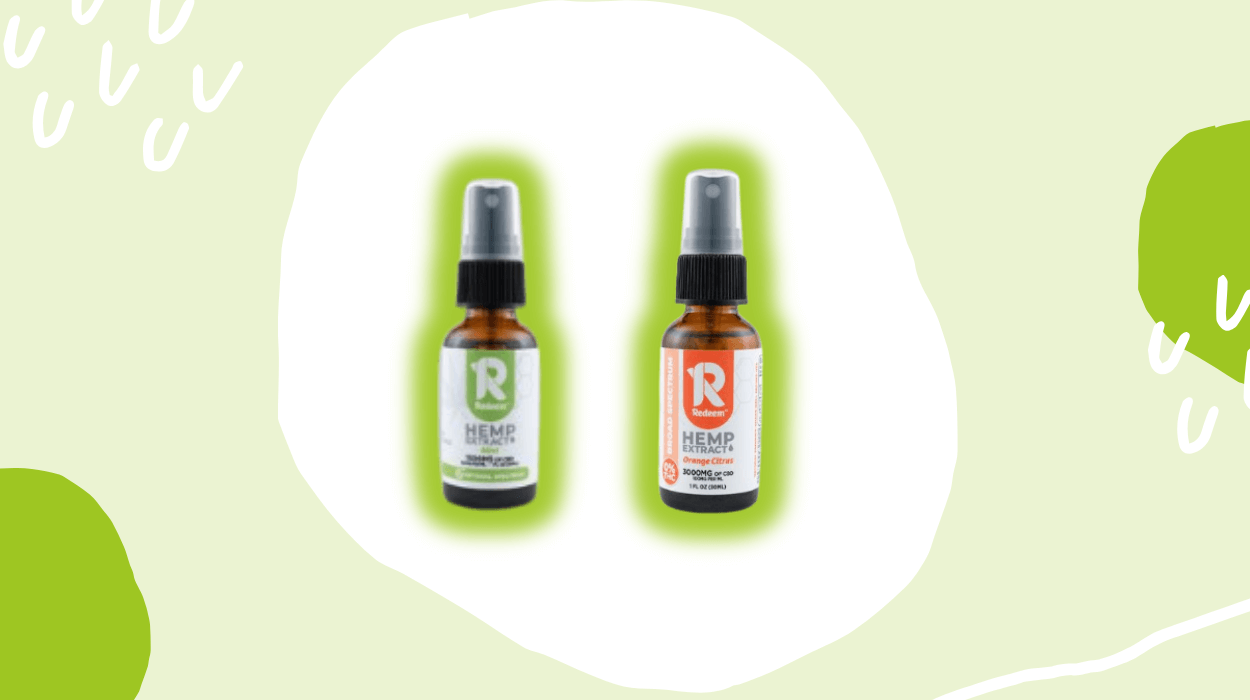
Broad-Spectrum Oil is a THC-free formula that provides a total of 1,500 mg of hemp-derived cannabidiol per bottle, intended to help lower stress levels, support sleep onset, and promote post-exercise recovery. The formulation retains multiple cannabinoids like CBG, CBC, and CBN, along with naturally occurring terpenes and flavonoids. By engaging cannabinoid receptors, these compounds could help calm nervous system activity and support mental and physical relaxation. According to its official site, the formulation is available in Orange Citrus, Honey Lemon, and Spearmint flavor options.
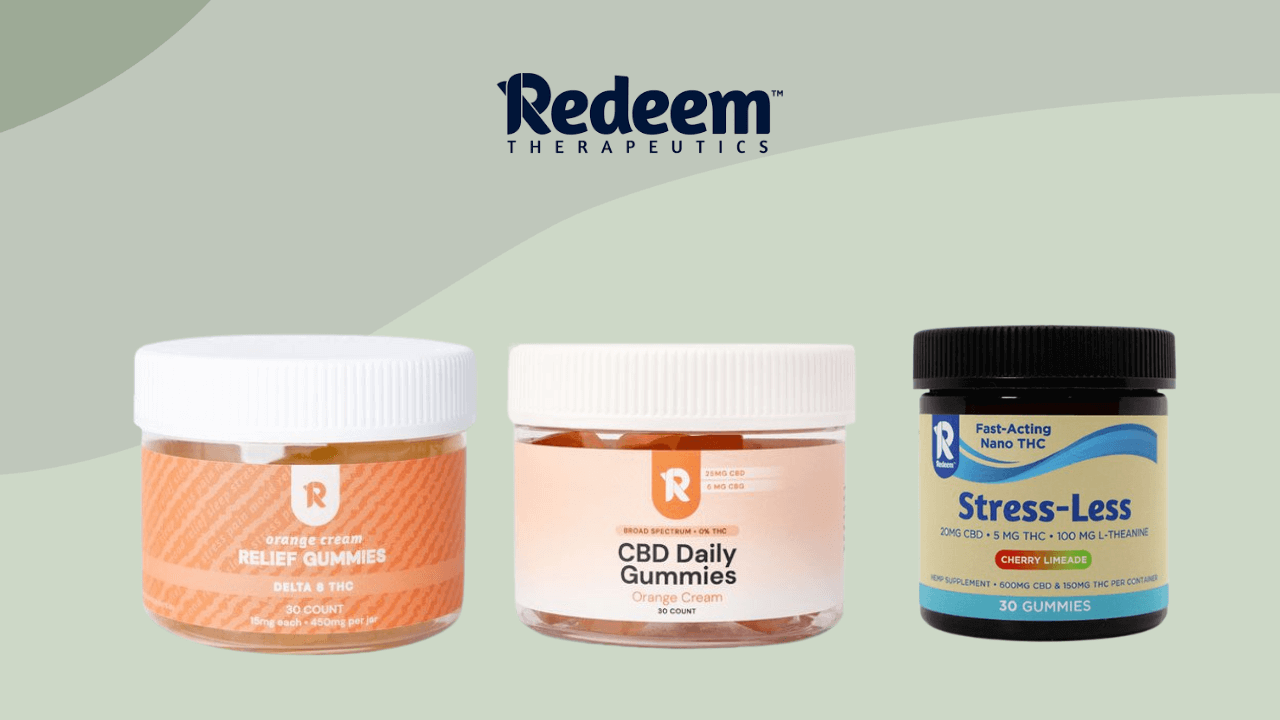
According to the official site, Sleep gummies provide 25mg of cannabidiol, 10mg of CBN, and 10mg of melatonin per serving (two gummies). The formulation is THC-free and formulated to support sleep quality, stress reduction, and nighttime relaxation without causing a high. Melatonin supports the natural sleep-wake cycle by signaling the body that it is time to rest, which could improve sleep onset.
The formulation contains added botanicals like lemon balm, which works by supporting gamma-aminobutyric acid (GABA) activity in the brain that helps slow nerve signaling and promotes a calmer state before sleep. Chamomile is further included for its natural flavonoids that bind to receptors involved in relaxation, helping reduce physical tension and nighttime restlessness. The makers included passionflower extract for its calming role in suppressing excessive brain activity, which may help quiet racing thoughts at bedtime.
Pain Cream is formulated to support targeted relief directly to areas of muscle and joint discomfort through topical application. Broad-spectrum hemp extract in the formula works by interacting with cannabinoid receptors in the skin that influence pain signaling and inflammation, without entering the bloodstream or producing psychoactive effects.
The makers included menthol in the formula for its cooling sensation that may help suppress pain signals on contact, while arnica is added to support recovery from soreness by easing tissue stress and minor inflammation. Compounds like aloe vera, shea butter, cocoa butter, and plant oils are also added to the Pain Cream. These ingredients could play an important supporting role by hydrating the skin and improving ingredient absorption.
According to its official site, Delta 8 (D8) Gummies contain 15mg of hemp-derived delta-8 THC per gummy. They are formulated to support deep relaxation, mood balance, and mental calmness. Delta-8 THC can bind to CB1 receptors with lower affinity than Delta-9 THC, which can lead to reduced psychoactivity. This agonist effect may modulate neurotransmitter release to ease racing thoughts and promote relaxation.
Daily Gummies offer a broad-spectrum formula without THC, which could help support relaxation, focus, sleep, and relief from everyday discomfort. As per its official website, one gummy contains 20 calories, 25mg of cannabidiol, and 5mg of cannabigerol (CBG). The gummies are intended for daily use and are available in Orange Cream and Peach Mango flavors.
Cannabidiol in the gummies works by influencing CB1 and CB2 receptors indirectly, helping calm nervous system activity and suppressing inflammatory signaling without producing intoxication. CBG interacts more directly with CB2 receptors and receptor systems linked to focus, which may support alertness while maintaining a relaxed state.
Stress-Less Gummies are formulated to support stress relief, lower anxiety levels, and promote calmness. According to its official site, one gummy features 20mg of broad-spectrum cannabidiol, 5mg of nano THC, and 100mg of L-theanine. Nano emulsion technology is used to break THC into very small particles, which is described as supporting faster absorption through the digestive system and a more predictable onset. L-theanine in the gummies could increase alpha brain wave activity and balance excitatory neurotransmitters, which may help reduce mental tension without causing drowsiness.
Redeem Therapeutics does not clearly differentiate itself from the broader cannabidiol wellness category, which limits its distinctiveness. The brand’s product lineup does not feature proprietary formulations, patented processes, or novel delivery systems. Also, no product-specific clinical data exist to indicate improved absorption or superior outcomes. Much of the brand’s positioning aligns closely with other cannabidiol brands that use similar optimal spectrum framing.
Due to this overlap, the brand has fewer defensible points of difference. Without exclusive technology, validated performance data, or targeted use protocols, competition tends to shift toward price, branding, or convenience rather than measurable advantages. Products that closely resemble those from alternative brands may feel interchangeable, reducing confidence in choosing Redeem Therapeutics over products from competitive cannabidiol brands.
When comparing Joy Organics and Redeem Therapeutics, they highlight differences in product range, cannabinoid variety, quality/testing standards, and accessibility. Joy Organics positions itself as a standards-driven brand focused on organic hemp sourcing, THC clarity, and quality standards claims. Meanwhile, Redeem Therapeutics was founded by Mat Fairfax, who brings a pharmaceutical background and frames the brand around clinical-grade formulation discipline, in-house manufacturing control, and precision-focused cannabinoid design.
In terms of product range, Joy Organics offers gummies, tinctures, softgels, capsules, and topicals. The lineup is segmented by THC content, ranging from THC-free broad-spectrum products to full-spectrum formulations below 0.3% THC, alongside select offerings starting at 2.5 mg THC per serving. Some signature offerings from the brand include Full Spectrum Gummies, Sleep Softgels with CBN, and Organic Gummies No THC. Meanwhile, Redeem Therapeutics organizes its catalog around functional health goals rather than THC content, with products grouped under sleep, stress, pain relief, mood support, anxiety relief, and focus. Some featured products from the brand include options like Social Drops THC Drops for Drinks, Stress Less Gummy, THC Gummies for Sleep, and Broad Spectrum Oil THC Free.
Quality control and sourcing represent a shared priority, but are implemented differently between the brands. As per its official site, Joy Organics begins quality oversight at the farm level, sourcing USDA-certified organic hemp grown in Oregon, Colorado, and Kentucky using proprietary strains cultivated on certified organic farmland. Only the hemp flower is used, and extraction is performed via a USDA-certified organic CO₂ process designed to remove solvents, pesticides, and unwanted plant material. Manufacturing takes place in FDA-registered, USDA-certified facilities, indicating strict quality control standards.
CBDistillery and Redeem Therapeutics both function within the U.S. cannabinoid market and differ in philosophical orientation, manufacturing standards, breadth of offerings, and testing transparency.Co-founded by Andy Papilion, CBDistillery is a Colorado-based brand built around a minimalist approach, emphasizing formulation clarity, ingredient transparency, and diverse product segmentation. The brand frames its identity around distilling practices, which revolve around deliberately stripping away what the brand considers unnecessary in the cannabinoid space, such as overlapping ingredients, inflated claims, decorative formulations, and trend-driven outcomes. Meanwhile, Redeem Therapeutics positions itself as a science-driven company shaped by pharmaceutical principles, with a founder-driven purpose of correcting common cannabinoid market issues related to dosing inconsistency, contamination, and weak documentation.
In terms of product range, CBDistillery structures its catalog primarily by intended benefit and delivery format, grouping products under use cases like relief, relaxation, sleep, recovery, focus, and energy. Format-based grouping includes oils, gummies, capsules and softgels, topicals, and powdered formulations. Some signature offerings include options like the 1000mg Relief & Relaxation Tincture, CBD Soothing Balm, and Enhanced Deep Sleep Gummies. Meanwhile, Redeem Therapeutics organizes its lineup around targeted health goals like focus and energy, relief, sleep, and stress. Its product lineup covers cannabidiol formulations and THC-free formulations. Some core offerings in the brand's catalog include the Delta 8 (D8) Gummies, Broad Spectrum Oil, and Pain Cream.
Manufacturing and sourcing models represent a point of contrast between the brands. CBDistillery uses non-GMO, U.S.-grown industrial hemp cultivated with natural farming practices and formulates products in Colorado. Its approach claims to prioritize clean inputs and consistent distillation without artificial colors, flavors, preservatives, corn syrup, or artificial sweeteners. Meanwhile, Redeem Therapeutics states that all its offerings are made in the USA in FDA-aligned cGMP standards. The brand further highlights that it sources hemp from USDA-certified organic plants grown on a small farm in Franklin, North Carolina.
Transparency and testing standards are central to both brands, though executed at different depths. CBDistillery claims that every product is third-party tested for cannabinoid potency and contaminants, with batch-specific Certificates of Analysis accessible through QR codes on product packaging. This system is positioned as a practical transparency standard designed to support informed purchasing decisions. Redeem Therapeutics, meanwhile, operates a more expansive COA framework. Each product includes QR-linked reports verifying CBD and THC potency, terpene profiles, and extensive safety panels covering heavy metals, pesticides, residual solvents, aflatoxins, and microbial contaminants.
CBDistillery presents itself as a function-first, minimalist company that prioritizes disciplined formulation, broad accessibility, and clear testing without emphasizing lifestyle narratives. Meanwhile, Redeem Therapeutics frames its identity around pharmaceutical rigor, internal manufacturing control, and highly targeted design, aligning more closely with a clinical-grade hemp model.
Redeem Therapeutics highlights that their products fall under the federal and state-specific regulations that govern the use of cannabidiol and THC products in the United States. At the federal level, hemp-derived cannabidiol is legal as long as it is derived from hemp containing less than 0.3% delta-9 THC on a dry-weight basis, as defined by the 2018 Farm Bill. The brand’s offerings claim to adhere to such standards, making their offerings legal at the federal level.
Federal law also gives states broad authority to regulate how cannabis products are grown, sold, and used within their borders. Due to this, the legality of Redeem Therapeutics products may vary depending on the state-specific regulations. U.S. states of California, Colorado, New York, Oregon, and Washington consider the sale and purchase of hemp‑derived cannabidiol offerings as legal, provided they follow the standard THC limit. However, in the U.S. states of Idaho, South Dakota, Kansas, and Nebraska, sale and possession of cannabidiol-based products is illegal. The brand’s offerings remain in a gray area where they may comply with state hemp or cannabis laws while not fully aligning with current FDA standards.
Redeem Therapeutics positions itself around transparent hemp sourcing, consistent manufacturing practices, and routine third-party checks. The claimed benefits, like sleep, focus, or mood support, are based on broader cannabidiol research, yet they are not confirmed through clinical trials conducted on Redeem’s finished products.
However, it is important to note that the response varies based on metabolism, body composition, baseline endocannabinoid activity, and medication use. Legal considerations regarding cannabinoid use may further differ by state or country, which requires independent verification before purchase or continued use.
When considering the brand’s offerings, there are some further limitations to keep in mind. Even with claimed extensive testing, cannabinoid offerings may cause drowsiness, digestive upset, appetite changes, or dizziness. Reviewing medical history, monitoring response, and reassessing use if effects remain unclear remain important steps before opting for the brand’s offerings.

Contact us at [email protected] or follow @leafsnap on Twitter! View our Privacy Policy.