


EquiLife claims to combine formulations, at-home laboratory testing, and coaching. It emphasizes identifying underlying contributors, such as nutrient imbalances, hormone irregularities, digestive issues, or toxic burden, and addressing them through structured, multi-step routines. The brand’s offerings are designed to support areas including digestion, detoxification, energy production, metabolic function, hormone balance, and vitality.
In this review, we examine the brand, including its services, formulations, and potential limitations. We also assess the brand’s key strengths and drawbacks, consider how users describe their experiences with its products and programs, and evaluate how the brand compares with others in the broader market.
As per the official site, EquiLife was founded in 2018 by Stephen Cabral, a board-certified Doctor of Naturopathy (BCN). The brand’s model follows a structured three-step process. You can start with a proprietary health assessment or at-home laboratory testing, which may include hormone, gut, mineral, toxin, or metabolic panels, such as the Vita-Min Tox™ lab bundle. Test results are used to identify potential imbalances, after which clients may work with certified Integrative Health Practitioner (IHP) Health Coaches to develop individualized plans.
Ongoing support is delivered through coaching sessions, educational resources, community access, and protocol guidance, with an emphasis on sustained lifestyle and health changes rather than short-term interventions.
EquiLife’s programs may address interconnected areas such as digestion and gut function, adrenal and energy regulation, detoxification pathways, hormone balance, metabolism, immune support, musculoskeletal health, and healthy aging.
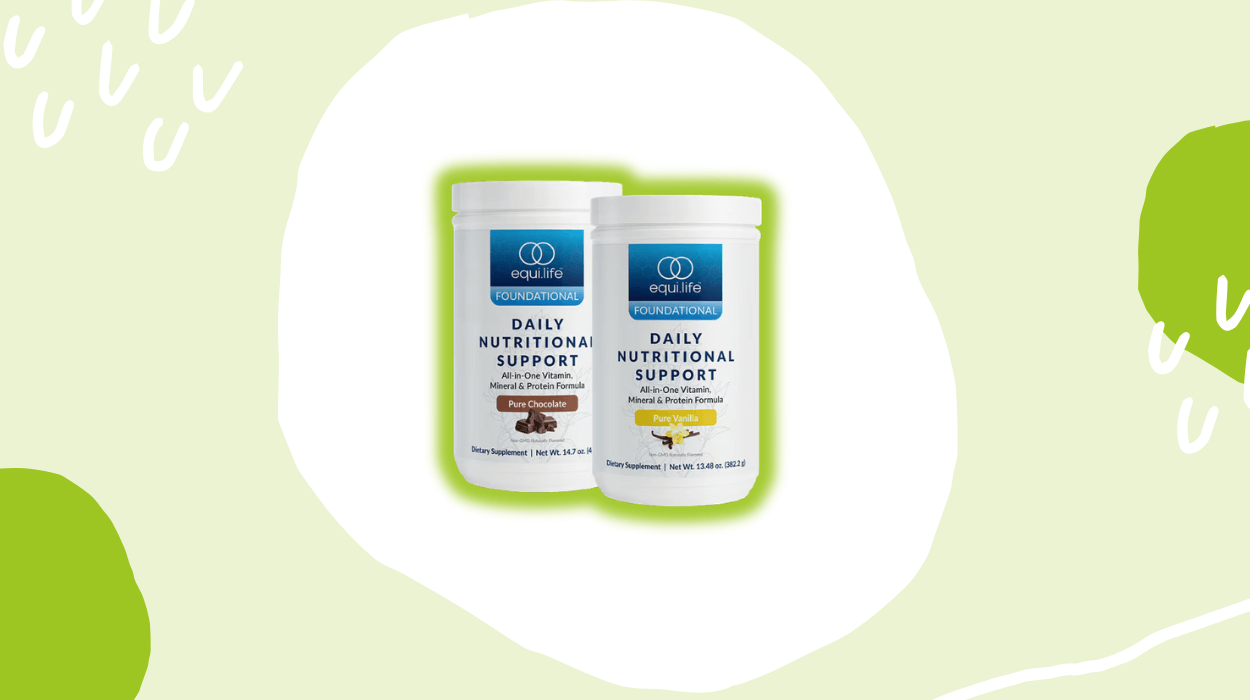
The brand’s products are designed as comprehensive formulas, with Daily Nutritional Support serving as an example. This product is marketed as an all-in-one daily option combining vitamins, minerals, antioxidants, electrolytes, and 15 grams of plant-based, hypoallergenic protein.
The company emphasizes quality control through what it describes as the EquiLife Promise. Each batch of supplements is tested for composition, potency, and purity before release. Ingredients are sourced with an emphasis on responsible and, when available, organic production, and are screened for contaminants including heavy metals, pesticides, and toxins.
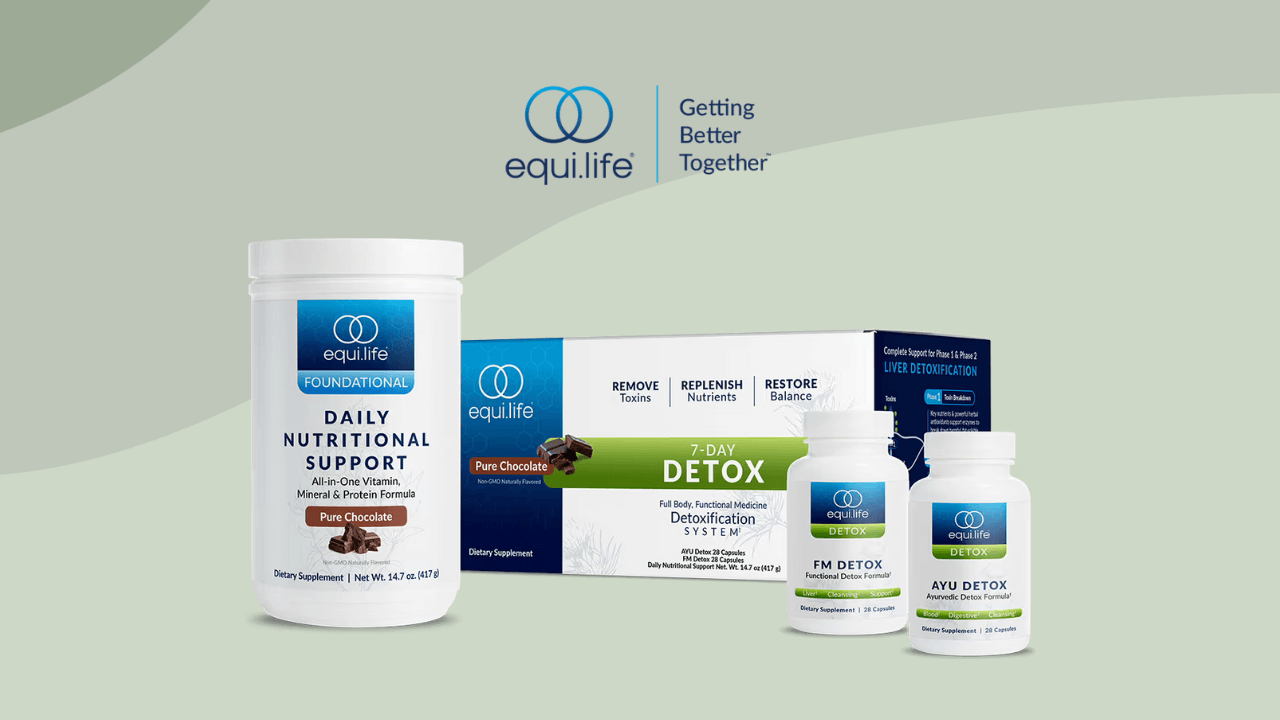
Dr. Cabral Detox may support the body’s natural elimination processes. It focuses on the liver’s two primary detoxification phases. The detox routine consists of Daily Nutritional Support, which may support baseline metabolic function and maintain more stable energy levels. FM Detox (no NAC) delivers a combination of amino acids, antioxidants, trace minerals, and functional nutrients intended to support both Phase 1 and Phase 2 liver detoxification. Ingredients such as glutathione, alpha-lipoic acid, milk thistle, and broccoli-derived sulforaphane precursors are included to help regulate detox enzymes and potentially support the elimination of fat-soluble compounds. AYU Detox has Triphala, which could s upport digestive regularity. It might promote bile flow, intestinal motility, and aid in toxin elimination.
The Dr. Cabral Detox formulation emphasizes balance and support. Its vitamins and minerals address common deficiencies that can interfere with detox pathways, antioxidants might manage reactive byproducts generated during detoxification, and botanical compounds provide support for digestion and elimination.
Daily Nutritional Support could aid in maintaining healthy energy levels and normal metabolic and detoxification function. It combines plant-based protein with activated vitamins, minerals, and detox-supportive compounds to support core physiological processes.
The protein component provides 15 grams of pea and rice protein per 29.8-gram serving, supplying essential amino acids required for muscle maintenance, tissue repair, and satiety. This protein could also contribute to metabolic stability by helping moderate blood sugar response and support sustained energy between meals.
Electrolytes like sodium, potassium, and magnesium might support fluid balance, nerve signaling, and muscle function. These minerals play a role in maintaining energy production, especially during periods of physical exertion, stress, fasting, or reduced caloric intake. Dietary fiber is included to support digestive regularity, intestinal motility, and glycemic control.
Glutathione may work as an antioxidant, which could aid in cellular protection and detoxification processes. It supports the neutralization of reactive oxygen species and plays a role in Phase II liver detoxification, contributing to the processing and elimination of metabolic byproducts.
Alpha-lipoic acid might support mitochondrial energy production, help regenerate antioxidants, including glutathione and vitamin C, and contribute to insulin sensitivity and metabolic efficiency.
Organic Pea Protein might support muscle maintenance, recovery, and satiety. Its 26.5-gram serving provides 20 grams of organic pea protein sourced from yellow peas. Its amino acid profile includes branched-chain amino acids such as leucine, which could aid in muscle protein synthesis and post-exercise recovery, as well as arginine, which aids in circulation and nitric oxide production. The protein content could help in satiety and promote more stable blood sugar responses by slowing digestion and moderating post-meal glucose fluctuations.
Advanced Collagen Support might support the maintenance and repair of connective tissues, which could affect collagen turnover, tissue elasticity, and joint function at a structural level. The core of the formula is hydrolyzed gelatin collagen (FORTIGEL®), which provides collagen peptides that may support collagen synthesis in cartilage and connective tissue.
The formulation also includes a specialized connective tissue blend (TENDAXION®) designed to target tendons, ligaments, and fascia. This blend provides bioactive components associated with supporting tensile strength and structural resilience in tissues subjected to repeated mechanical stress.
Joint lubrication and cushioning could also be addressed through hyaluronic acid derived from chicken comb extract, along with mucopolysaccharides. These compounds may support synovial fluid viscosity and cartilage hydration, contributing to smoother joint movement and reduced friction during routine activity.
Vitamin C is included by the makers as a required cofactor for collagen synthesis, supporting proper cross-linking and stabilization of collagen fibers. Magnesium bisglycinate chelate might support enzymatic processes involved in protein synthesis, neuromuscular function, and connective tissue recovery.
As per the official site, the Advanced Cell Force enhances cellular energy production for both physical and cognitive demands. It could improve exercise performance and mental clarity. The formulation could help target ATP production and mitochondrial efficiency, which are central to how the body generates usable energy. Creatine monohydrate in the mix can play a role in short-duration, high-energy demands in both muscle and brain tissue, contributing to strength, power output, and cognitive endurance.
L-citrulline malate may support nitric oxide production by increasing arginine availability, which promotes vasodilation and improves blood flow to active tissues. Enhanced circulation facilitates more efficient oxygen and nutrient delivery during periods of physical demand.
The makers also added Trimethylglycine (TMG), which may support methylation processes and cellular hydration, as well as contribute to creatine recycling. Taurine plays a role in calcium signaling and cardiovascular function, supporting sustained physical performance.
Omega-3 Support may support cardiovascular health, cognitive function, and inflammatory balance. The formula delivers omega-3 fatty acids in their natural triglyceride form, which is generally associated with improved absorption and bioavailability compared with ethyl ester–based fish oils. The primary active fatty acids are eicosapentaenoic acid (EPA) and docosahexaenoic acid (DHA). EPA is involved in regulating inflammatory signaling pathways and supporting normal cardiovascular function, while DHA may support cognitive processes and neural communication.
As per the official site, Full Spectrum Magnesium supports normal nervous system function, muscle relaxation, sleep quality, and metabolic balance. Its 2-capsule serving provides 250 mg of magnesium delivered through dimagnesium malate, magnesium citrate, and magnesium lysinate glycinate chelate.
Magnesium could aid in nerve signaling, energy production, protein synthesis, and electrolyte balance. It could also support normal sleep regulation, mood stability, bone health, and healthy blood pressure maintenance. The formulation may support relaxation and neuromuscular function, with potential benefits related to sleep quality, mental clarity, and muscle comfort.
Daily Fruit and Vegetable Blend may support antioxidant defense, metabolic resilience, and cellular health. Its phytochemicals, pigments, and supporting cofactors may work collectively to maintain physiological balance.
The base of the blend consists of spirulina, chlorella, wheat grass, barley grass, nettle leaf, and moringa. These ingredients provide chlorophyll, trace minerals, and plant-based antioxidants that may support normal detoxification processes, mitochondrial function, and cellular activity.
The vegetable blend contributes compounds from carrots, beets, spinach, kale, broccoli, and cauliflower. These vegetables supply carotenoids, sulfur-containing compounds, and polyphenols associated with metabolic support, inflammatory balance, and normal liver function.
The fruits in the formulation may provide antioxidants and polyphenols from berries, pomegranate, apple, cranberry, and camu camu. These compounds could help address oxidative stress generated through routine metabolism and environmental exposure, while also supporting vascular and immune function.
The makers have also added an antioxidant blend derived from grape seed and grape skin extract, which may provide proanthocyanidins for cellular protection. Digestive enzymes, including cellulase, protease, amylase, and lipase, are included to support nutrient breakdown and absorption.
Metavolve may support energy utilization, blood sugar regulation, thyroid-related function, stress response, and recovery processes. As per the official site, it is divided into AM and PM formulations, which could align with natural circadian rhythms. The daytime components emphasize metabolic activation, thermogenesis, and energy availability, while the evening components focus on hormonal balance, stress modulation, and sleep-related recovery.
The formulation includes iodine, selenium, chromium, and vanadium, which are involved in metabolic enzyme activity, insulin sensitivity, and thyroid-related processes that influence basal metabolic rate. L-tyrosine is included as a precursor to catecholamines and thyroid hormones, supporting energy regulation and cognitive function. Caffeine is present to contribute to daytime alertness and thermogenic activity. Botanical extracts such as capsimax may support thermogenesis through capsicum-derived pathways that increase heat production. InnoSlim combines botanical extracts associated with glucose uptake and insulin signaling.
The makers also added gymnema, guggul, ginger, long pepper, and ginseng, which could support blood sugar balance, digestive function, and metabolic signaling. Diindolylmethane (DIM) might support estrogen metabolism, which can influence body composition, while BioPerine is added to enhance nutrient absorption and formula bioavailability.
EquiLife highlights a clinician-directed framework developed by Stephen Cabral. It claims its programs follow functional medicine principles shaped by clinical experience and are structured to begin with assessment rather than immediate supplement use. You can typically start with at-home lab testing, covering areas such as hormones, gut health, stress, minerals, and detoxification (including panels like Vita-Min Tox™), to identify imbalances before selecting protocols. EquiLife further claims its recommendations follow phased supplement, nutrition, and lifestyle roadmaps, and that certified health coaches apply this same standardized methodology through brand-led training and certification programs to ensure consistency. This approach can reduce guesswork by grounding recommendations in your individual lab data instead of generic advice. Starting with assessments may help clarify which imbalances are being addressed and why certain protocols are introduced in a specific order. The phased structure can make complex programs easier to follow over time. Guidance from coaches trained under the same framework may provide more consistent support, which can be useful if you prefer a structured, long-term approach focused on system balance.
EquiLife operates a proprietary, integrated system linking its at-home lab tests, personalized supplements, and coaching services. The brand offers tests such as the Big 5 Daily Labs, Mold Toxicity Test, and Toxic Heavy Metals Test, which require purchase, sample collection via provided kits, and result review exclusively within EquiLife's patient portal. Official resources do not indicate support for uploading lab results from external doctors or independent labs. Test kits expire approximately six months from manufacture, with results typically available in 2-3 weeks post-submission. Formulation and protocol recommendations remain confined to EquiLife's product lineup. This structure prioritizes brand control but requires retesting with EquiLife kits for recent external results, potentially adding expense and delay. It may feel restrictive if provider-agnostic flexibility is your concern.
Thorne and Equi.Life operates in the same premium supplement category and share a strong emphasis on science, quality control, and testing. However, they differ in philosophy, structure, and user experience. Thorne is centered on clinical precision, diagnostics, and broad accessibility, while EquiLife integrates its products into a functional medicine–based system designed to guide through personalized, root-cause–oriented programs.
Founded in 1984, Thorne positions itself as a clinically trusted nutrition brand serving healthcare practitioners, athletes, and general consumers. Its approach emphasizes evidence-based formulations, bioavailability, and consistency, with products designed for flexible, independent use. Thorne supports daily wellness, performance, and therapeutic applications without requiring enrollment in structured programs. By contrast, EquiLife focuses on identifying and addressing underlying contributors to health issues. Its framework draws heavily from functional medicine and epigenetics, with an emphasis on gene expression, detoxification pathways, and metabolic balance through guided protocols rather than standalone product use.
Both brands emphasize testing, but they apply it differently. Thorne highlights a four-tier quality testing system covering raw ingredients, manufacturing, finished products, and shelf-life stability, along with extensive third-party verification and widespread NSF Certified for Sport status. It also offers standalone at-home health tests, including biological age, gut health, stress, sleep, and metabolic assessments. These tests provide biomarker data and physician-reviewed insights and can be used independently of coaching or programs. EquiLife, in contrast, emphasizes batch-specific Certificates of Analysis and consumer-accessible functional and genetic testing, such as the Vita-Min Tox and other at-home labs. These tests are designed to feed directly into personalized routines, rather than function as independent diagnostic tools.
The structure of products and services further distinguishes the two brands. Thorne maintains a broad, modular product catalog that includes multivitamins, minerals, amino acids, electrolytes, sports nutrition, sleep support, probiotics, protein powders, and methylation formulas. Products such as Basic Nutrients 2/Day, Methyl-Guard Plus, Creatine, Catalyte, and Deep Sleep Complex are primarily available as standalone options that can be combined based on individual needs. Equi.Life organizes its offerings around functional objectives, including detoxification, gut health, stress, hormones, immunity, and longevity. Its product lineup includes items such as Liver Sauce, Methylate, GI Detox+, nutritional shakes, collagen, and bundled protocols, with the Dr. Cabral Detox positioned as a central, structured program that anchors the brand.
Accessibility and purchasing experience also differ meaningfully. Thorne prioritizes convenience and flexibility, offering individual products, subscriptions, HSA/FSA eligibility, and broad distribution through its own website, healthcare practitioners, and major online retailers. Equi.Life takes a more guided, program-based approach, with pricing often centered on bundles that combine supplements, lab testing, and coaching. While this structure increases depth and personalization, it can reduce simplicity for consumers seeking single, standalone products.
Educational resources reflect these strategic differences. Thorne provides research summaries, blogs, quizzes, and digital guidance through its Taia AI wellness advisor, enabling scalable, self-directed recommendations across supplements and tests. Equi.Life places greater emphasis on education tied to long-term engagement, offering assessments, webinars, practitioner-led content, and community-oriented resources designed to support ongoing participation in structured programs.
Thorne and EquiLife represent two distinct approaches to premium, science-driven wellness. Thorne emphasizes clinical rigor, diagnostic breadth, and accessibility. EquiLife’s strength lies in its integrated functional medicine model, combining supplements, testing, education, and coaching into cohesive programs for structured, personalized support. While both brands operate at the high end of the market, they highlight different interpretations of personalization, guidance, and long-term health support.
Seeking Health and EquiLife both emphasize science-informed formulations aimed at supporting methylation and detoxification. Their primary difference lies in scope and delivery model, where Seeking Health maintains a focused approach centered on genetics-driven nutrition, while EquiLife offers a broader ecosystem that integrates formulations with laboratory testing, structured protocols, and coaching.
Seeking Health was founded by Dr. Ben Lynch, a practitioner known for his work in methylation and nutrigenomics. The brand prioritizes support for genetic pathways, particularly those associated with MTHFR variants, through targeted formulations such as methylated B vitamins, including methyl B12 and folate. Its product strategy is built around precision supplementation. EquiLife originated from the naturopathic practice of Dr. Stephen Cabral and reflects a wider functional and integrative medicine framework. Its philosophy blends elements of Ayurveda, orthomolecular medicine, and contemporary functional diagnostics, with an emphasis on identifying and addressing root contributors to fitness concerns. These contributors commonly include gut dysbiosis, toxin exposure, and metabolic imbalance, which are addressed through structured, protocol-based interventions.
Product offerings further illustrate this distinction. Seeking Health maintains a relatively streamlined catalog of approximately 100+ formulations, focusing on methylation-related B vitamins, multivitamins, probiotics such as ProBiota HistaminX, electrolytes, and prenatal formulas. Products are designed to be used independently or combined as needed. While the brand references genetic insights, it does not directly provide laboratory testing and genetic reports, such as StrateGene are accessed separately through external services. EquiLife offers a substantially larger portfolio, with more than 240+ formulations in addition to bundled programs. Its lineup spans detoxification and candida protocols, gut health systems, multivitamins, protein powders, omega fatty acids, and condition-specific formulations. A central component of the brand is its laboratory offering, which includes more than 30 at-home functional tests. Examples include Hair Tissue Mineral Analysis (HTMA), typically priced around $199, and comprehensive panels such as the Big 5, which can exceed $1,299 when paired with coaching calls. These tests are designed to integrate directly into EquiLife’s product routines and practitioner guidance.
Pricing and purchasing structures also differ. Seeking Health products are generally priced between $20 and $70 per bottle. The purchasing experience is product-centric and straightforward. EquiLife’s pricing reflects its program-based model. Individual lab tests typically range from $99 to $599, with higher costs associated with bundled packages that include coaching and multiple assessments. This structure supports a more guided and comprehensive experience, but may be less accessible for exploring single, standalone products.
Seeking Health and EquiLife address similar functional wellness priorities through distinct models. Seeking Health emphasizes targeted, genetics-informed supplementation with minimal program structure, while EquiLife delivers a broader, protocol-driven system combining supplements, diagnostics, and coaching.
To assess EquiLife’s brand credibility, we examined the Better Business Bureau. The brand is not currently BBB accredited and holds a B rating. Over the past years, several complaints have been filed, specifically highlighting the company’s direct-to-consumer model for lab testing and formulations. The number of customer reviews on BBB is limited, with an average rating of approximately 2 out of 5 stars, indicating mixed experiences. An analysis of complaint categories shows that most issues involve delayed or missing lab results, order fulfillment problems, and challenges reaching customer support, particularly during lab registration and result delivery.
BBB records also show that EquiLife responds to most complaints, with many cases ultimately marked as answered or resolved. Resolutions sometimes include refunds, replacement kits, or additional follow-up support. The brand’s reputation appears to be shaped less by billing disputes or subscription-related concerns and more by operational execution, turnaround times, and clarity of communication, especially in relation to its at-home lab testing services.
To evaluate real-world customer experience with EquiLife, we analyzed verified Amazon reviews for the brand’s most discussed products, including its Daily Nutritional Support shake and the Dr. Cabral Detox.
The Daily Nutritional Support shake has a 4.5 out of 5-star rating, which is based on 210+ global reviews. Users commonly describe it as a comprehensive nutritional formula, noting its broad micronutrient content, including B vitamins. Many report improvements in daily energy and digestion. Taste feedback is generally favorable, particularly for the vanilla and chocolate flavors, though some find it slightly sweet due to added sweeteners. The most frequently cited drawbacks involve texture and mixability, with some users reporting a gritty consistency or incomplete dissolution.
The Dr. Cabral Detox holds an average rating of 4.0 out of 5 stars from 350+ global reviews. Many stated that they noticed reduced inflammation, improved digestion, appetite regulation, increased energy, and better sleep. Taste is a common point of criticism, with some finding the shakes difficult to consume. A portion of users report headaches or feeling unwell during the detox phase, while others raise concerns about the product’s high price.
These user experiences suggest that EquiLife products are generally perceived as effective and carefully formulated. Satisfaction tends to be higher among customers who follow the routine as directed and are comfortable with premium pricing, while recurring concerns around cost, taste, and individual tolerance indicate variability in user experience.
EquiLife centers on formulations, at-home wellness testing, and structured coaching routines intended to support digestion, detoxification, energy regulation, metabolism, and general vitality. While this may provide support, it also carries some factors that require careful consideration.
Many of the brand’s programs involve multiple products, phased detox programs, and adjustments that can place measurable demands on your body. You might experience temporary effects such as fatigue, headaches, or changes in bowel habits, particularly during detoxification or gut-focused programs. EquiLife’s offerings should not be viewed as substitutes for clinical care. People with chronic conditions, autoimmune disorders, endocrine imbalances, and gastrointestinal concerns should explore the brand cautiously.

Contact us at [email protected] or follow @leafsnap on Twitter! View our Privacy Policy.