

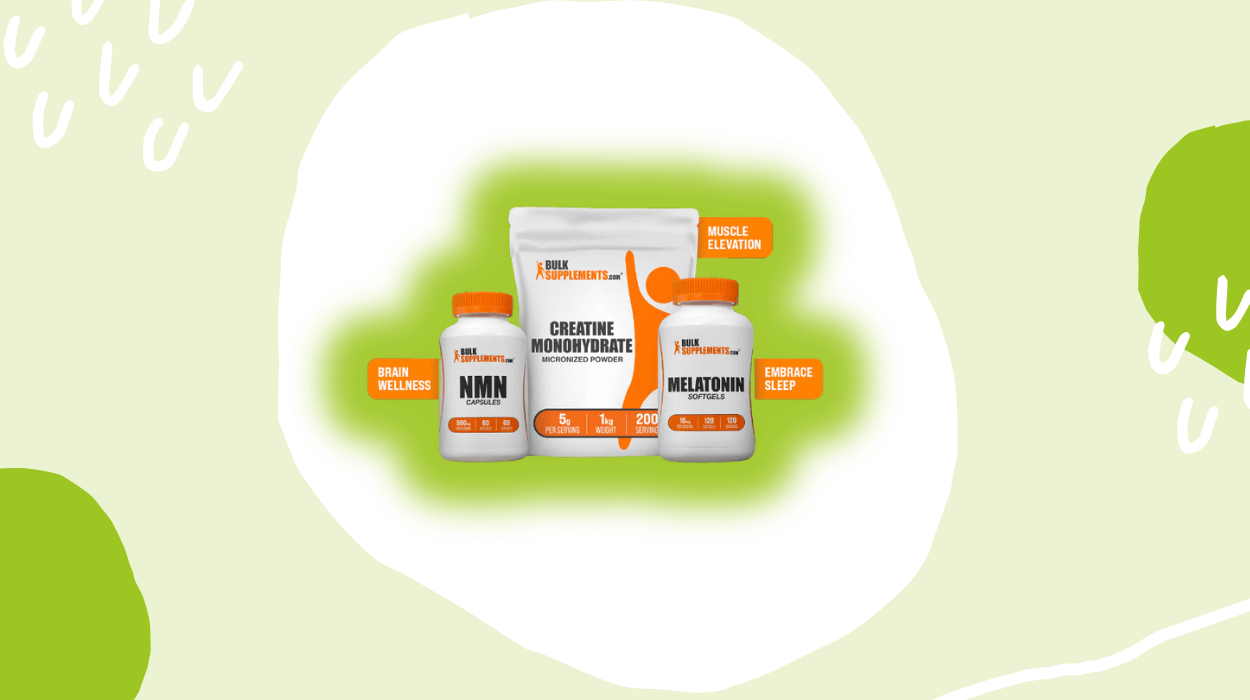
BulkSupplements is focused on offering single-ingredient nutritional products in bulk formats. Its catalog includes powders, capsules, and softgels across categories such as amino acids, vitamins, minerals, herbal extracts, proteins, and specialty compounds.
The brand emphasizes isolated ingredients, allowing you to select nutrients based on specific fitness requirements. Its product range addresses common concerns related to nutrient intake, physical performance, recovery, and metabolism.
In this review, we will examine the brand’s product range, quality, and transparency practices. We will also evaluate the brand’s reputation, compare it with similar options, and provide insights from consumer feedback.
As per the official website, Bulk Supplements features a catalog that is structured around standalone ingredients, with most products sold as powders and selected options available in capsule or softgel form.
The brand’s product range covers multiple categories, including creatine, protein powders, amino acids, vitamins, minerals, antioxidants, and compounds commonly used for energy, endurance, and muscle-focused routines. Examples include creatine monohydrate, whey protein isolate, beta-alanine, L-citrulline, L-glutamine, BCAAs, EAAs, magnesium glycinate and citrate, zinc forms, vitamin C, vitamin D3, and niacinamide. Many of these are offered in varying quantities, allowing you to select amounts based on individual usage patterns.
According to the official site, the brand also offers a wide selection of plant-based and botanical ingredients. These include herbal powders and extracts such as ashwagandha, maca, fenugreek, moringa, valerian root, schisandra, and green tea extract, along with mushroom-based products like lion’s mane and chaga. Whole-food and algae-based powders are also part of the lineup, including spirulina, chlorella, beet root, sea moss, matcha, psyllium husk, and fruit or vegetable-derived powders. Bulk Supplements states that its products are produced in FDA-registered facilities that follow cGMP standards and are tested by third-party laboratories for purity.
Vitamin D3 + K2 Softgels may support mineral regulation, immune signaling, and cardiovascular balance. The formulation includes vitamin D3 (cholecalciferol) at 125 mcg (5,000 IU) and vitamin K2 in the MK-7 form at 100 mcg per capsule.
Vitamin D3 interacts with vitamin D receptors present in immune cells, bone tissue, and muscle fibers. It may help regulate calcium and phosphorus absorption in the intestines, supporting mineral availability for skeletal structure. It also supports immune cell communication by influencing how certain white blood cells respond to external signals.
As per the official website, the formula also combines vitamin K2, which activates specific proteins, such as osteocalcin and matrix Gla protein, that are involved in directing calcium to appropriate tissues. Osteocalcin supports calcium binding within bone matrix, while matrix Gla protein is associated with limiting calcium accumulation in soft tissues.
The product is available in multiple strength options, including 2,000 IU, 5,000 IU, 10,000 IU, and 50,000 IU vitamin D3 variants, with softgel counts ranging from 360 to 365 per bottle.
Pumpkin Seed Oil with Saw Palmetto Softgels may help with hair maintenance and urinary function. The product contains pumpkin seed oil, which is naturally rich in fatty acids such as linoleic acid and oleic acid. These fatty acids could contribute to the structure of cell membranes and support normal skin and follicle function by maintaining lipid balance at the cellular level. Pumpkin seed oil also contains phytosterols that may influence enzymes involved in androgen activity, which can affect both hair follicles and prostate-related tissues.
The makers also added saw palmetto in these softgels, which can help modulate the enzyme 5-alpha-reductase that converts testosterone into dihydrotestosterone (DHT). It could also maintain normal hair growth cycles and support urinary flow linked to prostate function.
According to the official website, Creatine Monohydrate Powder supports cellular energy metabolism. The formulation contains creatine monohydrate, which functions as a phosphate donor within cells. Inside muscle and nerve tissue, it is stored primarily as phosphocreatine, which helps regenerate adenosine triphosphate (ATP). During short, high-intensity activity, ATP is rapidly depleted, and phosphocreatine contributes phosphate groups to restore ATP levels. This process supports sustained muscular output and delays early fatigue during repeated or demanding movements.
Creatine also influences cellular hydration, which can affect muscle fiber signaling pathways involved in protein synthesis and structural adaptation. This can support changes in muscle size and strength over time, not by directly stimulating muscle growth, but by supporting the energy and cellular environment required for training-related adaptation.
Boron Citrate Capsules provide boron in a bioavailable mineral form. The formulation contains boron as boron citrate, which may support consistent absorption and utilization.
As per the official website, Boron Citrate Capsules support mineral metabolism, particularly in how the body handles calcium, magnesium, and phosphorus. These minerals are central to bone structure and density. Boron also influences the activity of enzymes and hormones related to bone turnover, including those involved in vitamin D metabolism. It could help maintain the balance between bone formation and breakdown rather than directly adding mineral content.
The formula may also influence the function of enzymes that regulate oxidative stress and inflammatory mediators within connective tissues. It could help maintain normal joint comfort and mobility.
Diindolylmethane (DIM) Capsules may influence how estrogen is broken down in the liver by supporting the conversion of estrogen into different metabolites. This process affects the balance between various estrogen forms rather than altering hormone production itself.
DIM could also influence the activity of immune cells by modulating transcription factors involved in inflammatory and defense responses. These interactions relate to how immune cells communicate and adapt to environmental stressors, supporting normal immune function at the cellular level.
Fisetin Powder may support antioxidant defenses, cognitive function, and cardiovascular balance. It contains fisetin as a standalone compound that participates in cellular protection and regulatory pathways associated with aging and metabolic balance.
Fisetin could interact with reactive oxygen species generated during normal metabolism. These unstable molecules can affect cell membranes, proteins, and DNA over time. Fisetin may also help neutralize oxidative activity and support the body’s endogenous antioxidant systems, contributing to cellular stability that becomes increasingly relevant with age-related metabolic stress.
The makers state that fisetin in this formula crosses the blood–brain barrier and participates in neuronal signaling pathways. It could support synaptic function and protect neurons from oxidative and inflammatory stress.
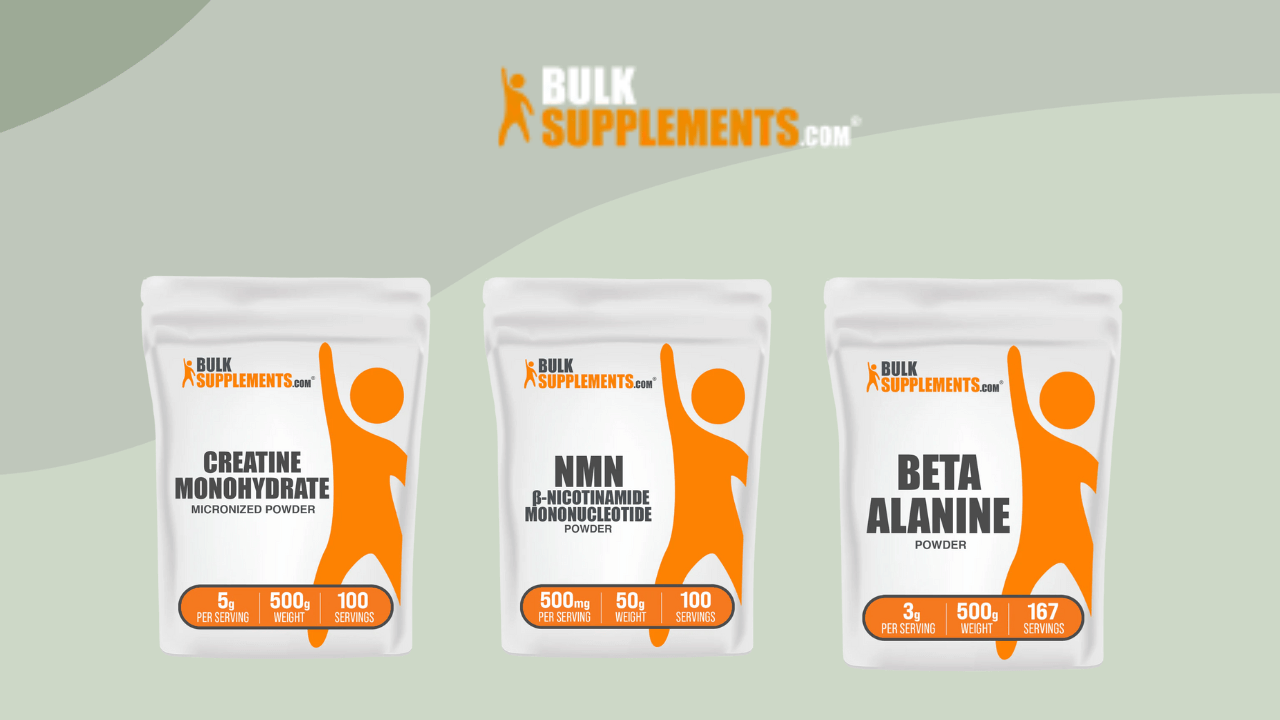
BulkSupplements prioritizes function over appearance, which is reflected in its plain, utilitarian packaging. Its product labels only display essential information, including the ingredient name, quantity, and basic specifications, without premium materials, lifestyle imagery, or narrative-driven branding.
This structure continues across its product pages. The brand highlights core details such as the ingredient name, chemical or botanical form, weight, package size, and storage instructions on its products. Descriptions remain short and factual, avoiding extended explanations, visuals, or aspirational language.
BulkSupplements focuses on keeping prices more accessible and offering larger size options by limiting spending on packaging and marketing. This approach works if you care more about direct ingredient access, bulk buying flexibility, and cost control than about brand design or visual presentation.
BulkSupplements operates under a manufacturer-led structure through its parent company, Hard Eight Nutrition LLC, a privately held company founded in the year 2013 and based in Henderson, Nevada. Public business records confirm this ownership and location. The company manages sourcing, manufacturing, packaging, and distribution internally within the same organization that owns the brand.
According to the brand, it does not rely on third-party contract manufacturers that produce for multiple labels, as supported by its NSF-certified facilities and self-description as a direct producer. This setup centralizes operational control. BulkSupplements coordinates raw materials, production processes, and packaging closely under one system. The brand states that this reduces reliance on outside providers and supports consistency across large production volumes. The brand’s integrated model may help limit added costs by reducing intermediaries, as claimed by the brand.
BulkSupplements shows limited brand differentiation due to inconsistent quality signals across its product range. ConsumerLab testing reflects mixed outcomes, with some products approved for quality and others not approved. Glycine and certain amino acid powders from the brand received approval, while quercetin and rutin, ginkgo biloba, and magnesium products raised concerns related to potency variation or labeling accuracy. As these results apply only to individual products, they do not establish a consistent quality standard across the brand’s full catalog.
The past consumer scrutiny has also highlighted potential discrepancies in BulkSupplements Magnesium Glycinate Powder, raising concerns around dosage accuracy and labeling reliability. The complaint alleges that the stated serving size cannot chemically deliver the advertised amount of elemental magnesium, raising questions about formulation validation within the brand’s high-volume production model. When testing outcomes and labeling confidence vary from product to product, differentiation becomes unclear, which can affect trust, especially if you depend on accurate dosage information and consistent verification across all products.
PureBulk and Bulk Supplements differ in how each brand structures its operations, catalog size, and product access. As per their official website, PureBulk maintains a relatively limited number of options, including Melatonin, Ascorbic Acid (Vitamin C) Powder, N Acetyl L Cysteine (NAC), Chaga Mushroom Extract 4:1, Cholecalciferol (Vitamin D3) Powder, Calcium Carbonate Powder, L Arginine Alpha Ketoglutarate (AAKG) Powder, and Casein Protein 100 percent Micellar. Bulk Supplements presents a much broader catalog that includes products such as Vitamin D3 plus K2 Softgels, Fisetin Powder, Diindolylmethane (DIM) Capsules, Pyridoxal 5 Phosphate (P5P) Capsules, Organic Red Yeast Rice Powder, Egg Shell Membrane Collagen Powder, and flavored creatine powders offered in Sour Apple, Orange Smash, and Lemon Italian Ice variants.
Differences are also visible in the formulation structure. PureBulk’s catalog is largely centered on single-ingredient powders and basic compounds, with minimal variation in flavor or format. Meanwhile, Bulk Supplements also offers single-ingredient options but expands further into capsules, flavored powders, and combination formulations, increasing format variety across its catalog.
PureBulk organizes products by intended use and demographic categories such as Men’s Health, Women’s Health, Prenatal Vitamins, Hormone Support, Digestion, Bone and Joint, Vision, and Mental Wellness. Bulk Supplements organizes its store primarily by ingredient type, including amino acids, herbal powders, vitamins, minerals, proteins, and specialty compounds, reflecting an ingredient-driven discovery model.
Both brands reference quality controls, though the emphasis differs. PureBulk states that it operates a GMP-compliant facility and provides Certificates of Analysis and MSDS documentation upon request through a dedicated COA request process handled by its quality department. On the other hand, Bulk Supplements identifies its facility as cGMP compliant, FDA registered, and regularly inspected, and places stronger visibility on third-party laboratory testing and COA availability across its site.
PureBulk features a narrower product catalog, goal-based navigation, and limited formulation variation. Meanwhile, Bulk Supplements focuses on extensive ingredient coverage and broader format options.
Nutricost organizes its catalog around fitness goals and everyday use categories such as cognitive health, immune support, sports nutrition, women’s health, and general wellness. Its product lineup includes ready-to-use options like Nutricost 5-HTP Capsules, Alpha GPC Capsules, Astaxanthin Softgels, Pre-X Workout Complex Powder, and Whey Protein Isolate Powder. In comparison, Bulk Supplements functions more as an ingredient-first supplier, emphasizing the compound itself rather than the intended outcome, as seen in listings such as Creatine Monohydrate (Micronized) Powder, Beta Alanine Powder, Ascorbic Acid (Vitamin C) Powder, and L-Citrulline DL-Malate 2:1 Powder.
The two brands also differ significantly in formulation approach. Nutricost frequently offers blended or specific products, including Pre-Workout for Women Powder, BCAA for Women, and flavored protein powders, which reduce the need for ingredient stacking or manual dosing. Bulk Supplements largely avoids blends and instead focuses on single-ingredient formats, offering separate listings for compounds such as N-Acetyl L-Cysteine (NAC) Powder, Alpha GPC Powder and Capsules, and Ashwagandha Extract Powder. This structure places more responsibility on you to determine combinations, serving sizes, and use patterns.
Format availability further distinguishes the brands. Nutricost emphasizes capsules, softgels, and scoop-based powders designed for straightforward daily use, such as NAC Capsules, Caffeine Capsules, Vitamin C Powder, and Taurine Powder. Bulk Supplements, while offering capsules and softgels for some products, remains heavily powder-centric.
Product depth also varies between the two. Nutricost focuses on widely recognized ingredients and mainstream formulations, including Creatine Monohydrate Powder, L-Arginine Powder, L-Tyrosine Powder, Organic Lion’s Mane Mushroom Powder, and Organic Spirulina Powder. Bulk Supplements, on the other hand, maintains a far broader ingredient inventory that includes niche and advanced compounds such as NMN (Nicotinamide Mononucleotide) Powder and Capsules, TUDCA Capsules, P5P (Pyridoxal-5-Phosphate), various mineral salts, and multiple extract standardizations like Rhodiola Extract (3% Rosavin) and Turmeric Extract (95% Curcuminoids).
According to their official website, Nutricost’s pricing follows a fixed retail structure, with many capsule and powder products positioned between $9.97 and $21.97, including NAC Capsules, L-Arginine Powder, and Alpha GPC Capsules. Higher-volume products extend beyond this range, with Whey Protein Concentrate Powder listed at approximately $32.86 and Whey Protein Isolate Powder around $43.97. In comparison, Bulk Supplements applies a quantity-dependent pricing model, where commonly purchased powders such as Creatine Monohydrate (Micronized) and L-Citrulline DL-Malate 2:1 Powder typically fall within a $11.97 to $31.97 range for standard selections.
Nutricost structures its range around ready-to-use formats intended to simplify selection and routine use, with an emphasis on clearly defined categories and pre-formulated options. Bulk Supplements follows an ingredient-focused model, maintaining a broad catalog.
Our evaluation of Bulk Supplements is based on Trustpilot customer reviews published mainly between late 2025 and early 2026, during which the brand holds an overall rating of around 3.6 out of 5 from 600+ reviews.
Many users frequently mention fast dispatch, accurate fulfillment, and lower costs compared with capsule-based supplements. However, a few report waiting weeks or longer with tracking links that show no movement or conflicting delivery updates. In several cases, customers state that products never arrived despite payment being processed.
Some users report smooth communication, while others describe slow replies, unresolved follow-ups, or responses limited to quoting policy terms. Customers have reported complaints related to partial refunds, restocking fees, or responsibility being placed on the customer, even when packages were damaged, misdelivered, or returned in transit. Packaging quality is another recurring concern, with mentions of weak zip closures and missing measuring tools, particularly for ingredients that require precise dosing.
Our evaluation of BulkSupplements considered brand history, operating structure, product scope, and publicly available consumer feedback. The brand is focused primarily on single-ingredient products. Its catalog includes amino acids, vitamins, minerals, herbal extracts, and powdered compounds, with limited blended formulas and minimal packaging.
It currently holds a B rating, with 51 complaints recorded over the past years on the Better Business Bureau. The complaints include confusion between capsule and powder formats, product listing clarity, refund timelines, and customer service communication. In several documented cases, resolutions were recorded after BBB involvement rather than through initial customer support channels. On Tenereteam, BulkSupplements holds a 5.0 rating based on 8 reviews, which provides a limited understanding related to user experiences.
These factors indicate that the brand is characterized as a high-volume supplier with a broad ingredient coverage. It also highlights consistency in manufacturing claims alongside recurring service-related concerns, particularly around communication and post-purchase handling.
Bulk Supplements follows a model focused on ingredient availability, large-volume production, and cost control rather than formulation design or lifestyle positioning. However, the brand’s reliance on isolated ingredients introduces functional limitations.
The brand offers limited transparency around ingredient sourcing regions and no product-specific clinical validation. Its isolated powders may increase the risk of dosing errors, gastrointestinal discomfort, nausea, headaches, electrolyte imbalance, or interactions if misused or combined improperly, particularly with stimulants, minerals, or hormonally active compounds. When considering Bulk Supplements, it's essential to consider that the brand focuses more on powder formats that require careful measurement, as small deviations may significantly alter intake.

Contact us at [email protected] or follow @leafsnap on Twitter! View our Privacy Policy.