

Cann is a cannabis beverage brand that develops drinks intended for adult consumers seeking alternatives to traditional alcoholic beverages. The company has built its identity around convenient beverage formats, flavor-forward formulations, and cannabinoid-based products.
This review examines the brand’s product portfolio, formulation standards, and ingredient transparency. We also explore quality-control practices, regulatory considerations, and potential limitations associated with hemp-derived and THC-containing products.
Co-founded by Luke and Jake, Cann aims to offer a different social drinking experience that does not rely on standard alcoholic drinks. Its core product lineup is organized across different THC concentrations, including 2mg, 5mg, and 10mg of THC per can. Such offerings are also available across multiple flavor profiles, including Cranberry Sage, Blood Orange Cardamom, Ginger Lemongrass, and Yuzu Elderflower.
According to its official site, the brand states that its drinks utilize reverse-osmosis filtered sparkling water, natural flavor ingredients, and hemp-derived cannabinoids. The brand also makes laboratory testing results available on its website and provides access to certificates of analysis that verify cannabinoid content and testing outcomes.
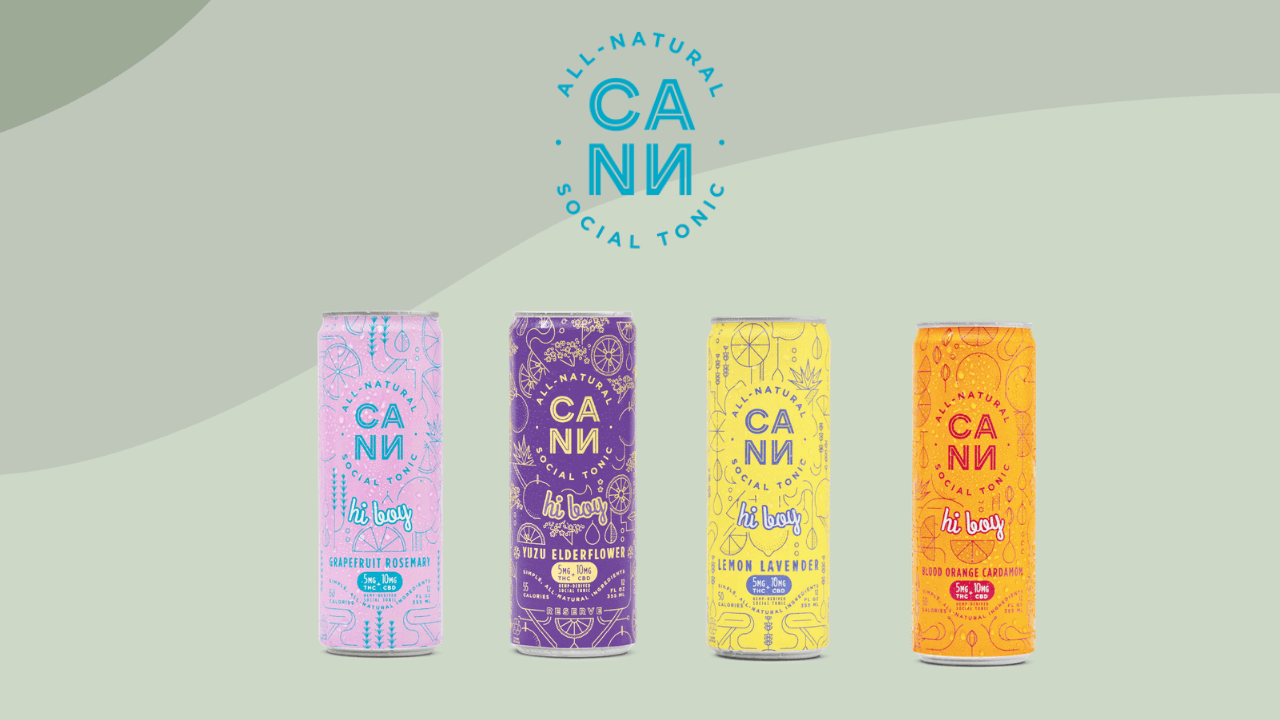
Sparkling Drinks differ primarily in cannabinoid strength and serving format. Its Cann line features 2mg of THC and is available in flavors like Blood Orange Cardamom, Lemon Lavender, and Grapefruit Rosemary.
The brand’s range also includes Roadie, which maintains the same 2 mg THC concentration but provides the drinks in a smaller, more portable powder format.
Hi Boy and HI'ER Boy represent the brand’s higher-potency THC drinks range, with Hi Boy drinks providing around 5mg of THC per can and HI'ER Boy line featuring 10mg of THC per can. The brand also extends to curated packs and bundles, such as the Pops’ Gift Set, The Starter Bundle, and Ginger Lemongrass Bundles.
Across the Sparkling Drinks range, THC serves as the primary active cannabinoid and interacts with the CB1 receptors located throughout the central nervous system. Such interaction may support a more positive mood, lower stress levels, and promote calmness. Agave nectar functions primarily as a sweetening ingredient in drinks by supplying carbohydrates that contribute to flavor balance and palatability.
Cann operates in one of the most heavily regulated segments of the beverage industry. This creates a fragmented regulatory environment that limits where and how the brand can operate. These restrictions significantly constrain market access. The brand cannot distribute products through traditional national beverage networks because many states limit THC beverage sales to licensed dispensaries or marijuana retailers.
Many states have banned THC beverages entirely, while others require sales exclusively through marijuana-store channels. As a result, large portions of the U.S. market remain inaccessible. Federal hemp restrictions scheduled to take effect in November 2026 could prohibit many hemp-derived THC products currently available in the market. Future regulatory changes could restrict product availability, reduce distribution opportunities, or force adjustments to existing product strategies. It means access to its products depends heavily on where you live. You may only find the products in licensed dispensaries, face limited retail availability, or be unable to purchase them at all.
Cann operates within the hemp-derived THC regulations established under the 2018 U.S. Farm Bill. At the federal level, hemp products are generally considered legal if they have less than 0.3% Delta-9 THC by dry weight.
However, the legal outlook for these hemp products has become more restrictive. Recent federal legislation introduced a total THC cap of 0.4mg per container for hemp-derived products. Since many of the brand’s products feature THC amounts that exceed this limit, including drinks with 2mg, 5mg, or more THC content per serving, a portion of the brand’s lineup may face federal compliance concerns if the updated standards take effect as proposed.
State-level regulations remain fragmented and frequently change. While some states continue to permit hemp-derived THC products under defined limits, others enforce stricter controls on THC content, product formats, and distribution. California has adopted a restrictive position through Assembly Bill 8 and related emergency measures, which restricts the sale of intoxicating hemp-derived THC products through both retail and online channels. Idaho remains among the states with a strict zero-THC approach. The brand also does not ship to some other states, depending on local legislation and regulatory compliance requirements.
Federal and regulatory agencies continue to review THC-infused food and drink brands, with ongoing focus on product manufacturing, labeling accuracy, and consumer safety standards. As both federal and state requirements continue to evolve, you need to review the legality, shipment eligibility, and availability of Cann products, depending on your state-specific laws and local jurisdictions.
When comparing the brands, Flyers and Cann both offer THC-infused drinks, but they differ in their brand philosophies, portfolio structure, quality control standards, and accessibility. Flyers positions itself as a brand focused on recreating classic cocktail experiences without alcohol, emphasizing sophisticated flavor development and cocktail authenticity. Cann presents itself as a lifestyle-oriented brand focused on balanced THC drinks, social enjoyment, accessibility, and suitability for everyday occasions.
In terms of product range, Flyers maintains a focused lineup built around cocktail-inspired offerings, segmented across cannabis concentration, such as 5mg THC cocktails and 10mg THC cocktails. Some core offerings in its catalog include the 5mg THC Margarita, 10mg THC Italian Spritz, 5mg THC Ol' Fashioned, and 10mg THC House Cocktail Variety Pack.
Meanwhile, Cann offers a broad portfolio organized around multiple THC concentration levels, flavors, and product lines. Its lineup includes core flavor options such as Blood Orange Cardamom, Lemon Lavender, Grapefruit Rosemary, Cann Spritz, Roadie, and Hi Boy. The brand also provides multiple THC concentrations across its lineup, including 2mg, 5mg, and 10mg of THC per serving.
Formulation philosophies and ingredient strategies also reflect distinct priorities. Flyers highlights cocktail-inspired flavor recreation through natural and organic ingredients, fast-acting nano-emulsion technology, and flavor profiles developed with input from mixologists. Cann claims to emphasize ingredient transparency through the use of reverse osmosis filtered water, natural flavors, fresh citrus juice, 100% agave nectar, vegan-friendly formulations, and the absence of artificial sweeteners and artificial flavors in its lineup.
Flyers emphasizes cocktail-inspired craftsmanship, mixologist-influenced flavor development, and a tightly focused portfolio built around classic cocktail experiences. Meanwhile, Cann distinguishes itself through broader product variety, multiple THC concentrations, ingredient transparency, and personalized product discovery tools.
Pamos and Cann operate within the cannabis infused drinks category, but they differ in how they frame social consumption, structure their product portfolios, and communicate their brand philosophies.
In terms of positioning, Pamos builds its identity around cocktail culture and suitability for nonalcoholic drinking occasions. The brand emphasizes elevated drinking experiences through infused spirits and ready-to-drink cocktail formats. Meanwhile, Cann keeps its identity around microdosed THC drinks, approachable social experiences, predictable effects, and natural ingredient formulations.
Product ranges also reflect a difference between the brands. Pamos maintains a relatively focused portfolio built around infused spirits, ready-to-drink cocktails, and nonalcoholic cocktail alternatives. A few core offerings in its lineup include the Citron Spirit, Signature Spirit, Strawberry Margarita 10mg, and Tropical Mai Tai 5mg. Meanwhile, Cann maintains a diverse and more segmented lineup organized across core product lines such as Cann, Hi Boy, HI'ER Boy, Roadie, Naked Hi Boy, Spritz Bottle, and Variety Packs. The flavor range is also broad, including profiles like Cranberry Sage, Yuzu Elderflower, Lemon Lavender, and Grapefruit Rosemary.
The brands also differ in the level of detail they provide regarding ingredients and formulation philosophy. Pamos highlights THC-infused formulations within nonalcoholic spirits and cocktail-style products, emphasizing drinking occasions and flavor experiences. However, it provides limited publicly available information regarding ingredient sourcing, manufacturing certifications, testing frameworks, or production standards. Cann offers more detailed information about its formulation approach. The brand highlights microdosed THC formulations, alongside the use of reverse osmosis filtered sparkling water, alcohol free composition, and minimal ingredient formulations. It also provides a publicly accessible Certificate of Analysis to verify third-party testing results.
Cann has built its presence around THC drinks intended for social settings and controlled consumption. Its lineup includes multiple potency options, flavor profiles, and drink formats that may appeal when you are looking for an alternative to alcoholic drinks. However, the brand offers limited options for alternative cannabinoid formats, such as tinctures, gummies, capsules, or softgels.
As the brand’s offerings feature psychoactive cannabinoids, individual experiences may vary considerably. Depending on your tolerance, metabolism, serving size, and previous cannabis experience, you might experience drowsiness, dry mouth, dizziness, altered perception, increased heart rate, or mild anxiety.
Cann operates within a regulatory environment where state and local laws can influence product access, shipping eligibility, potency restrictions, and purchasing requirements. These factors may affect how and where the brand’s products are available. Reviewing local regulations, product specifications, and cannabinoid content can provide additional context when assessing the brand and its offerings.

Contact us at [email protected] or follow @leafsnap on Twitter! View our Privacy Policy.